
CYCLIC PRESS

French photographer and visual artist Nihil announces the release of Ascend, an extraordinary artbook that transcends traditional creative boundaries by merging visual art, ancient sacred texts, and a hauntingly immersive soundtrack by Swedish Dark Ambient master raison d’être. This ambitious project is the culmination of Nihil’s fifteen-year career and promises to take audiences on a deeply introspective journey through humanity’s most profound archetypes.
Ascend draws from the mythological tapestry of ancient creation stories, apocalyptic visions, and the transformative cycles of torment and transcendence. With 176 pages of exclusive artworks—featuring both retrospective pieces and reimagined versions—the hardcover artbook is a bold exploration of personal and collective transformation. Each image, imbued with raw emotion, bridges the realms of the mythical and the modern, creating a visual dialogue that is both timeless and deeply relevant.
Adding a sonic dimension to this evocative experience is a 62-minute dark ambient soundtrack by raison d’être titled “Cambium”, a seminal figure in the ambient genre. This original album enriches Ascend, turning the act of engaging with the book into a full sensory immersion.
The artbook also includes texts by Nihil and Danish writer Freja Gyldenstrøm, offering poetic reflections that guide readers through the mythic and metaphysical themes of the work.
Key Details:
•Format: Hardcover artbook (176 pages)
•Exclusive Features: Previously unpublished artworks, retrospective works, reimagined creations, and interpretive texts.
•Included CD: A 4 track, 62-minute dark ambient soundtrack by raison d’être.
This ambitious project showcases Nihil’s dedication to pushing creative boundaries, making Ascend not only an artbook but a living testament to the transformative power of art.
Ascend is available now for pre-order Experience the meeting point of myth, image, and sound—and discover what it means to Ascend.
About the Artist:
Nihil is a French photographer and multidisciplinary artist based in Norway. Over a career spanning more than fifteen years, his work has gained acclaim for its haunting beauty, emotional depth, and exploration of existential themes.
Limited Edition of 300 Copies. Book Format: 7×9.5". Hardbound cover with Matte Lamination. 176 pages. CD: 4 Tracks. Running Time 61:53
ISBN: 9782957938216
Release Date January 24 2025

24 x 29cm. 220 colour pages on 130g mat Arctic Paper. Cover is on 300g thick Ensocoat SBS board, mat coated. Limited Edition of 500 copies.
"Werden" is Kristina Feldhammer's (aka Krist Mort) latest book of analog photography. It comprises a careful curation of self portraits created, and hand printed in the darkroom, between 2015 and 2020 in Austria. Along with this collection of darkroom works, the book also contains previously unreleased sketches, a foreword by Jonathan Berman as well as an artist bio by Isabel Biederleitner.
The Self in motion, in transformation, a state of emerging, of ceasing. A state of becoming; something, and nothing. The German word ‘werden’ describes this constant state of transformation and captures the essence of something that is about to become. By contrast, a photograph can only ever show us what has been. It is fixed, motionless. And so this collection of photographic self portraits is also a collection of perpetual Becomings forever frozen in time.
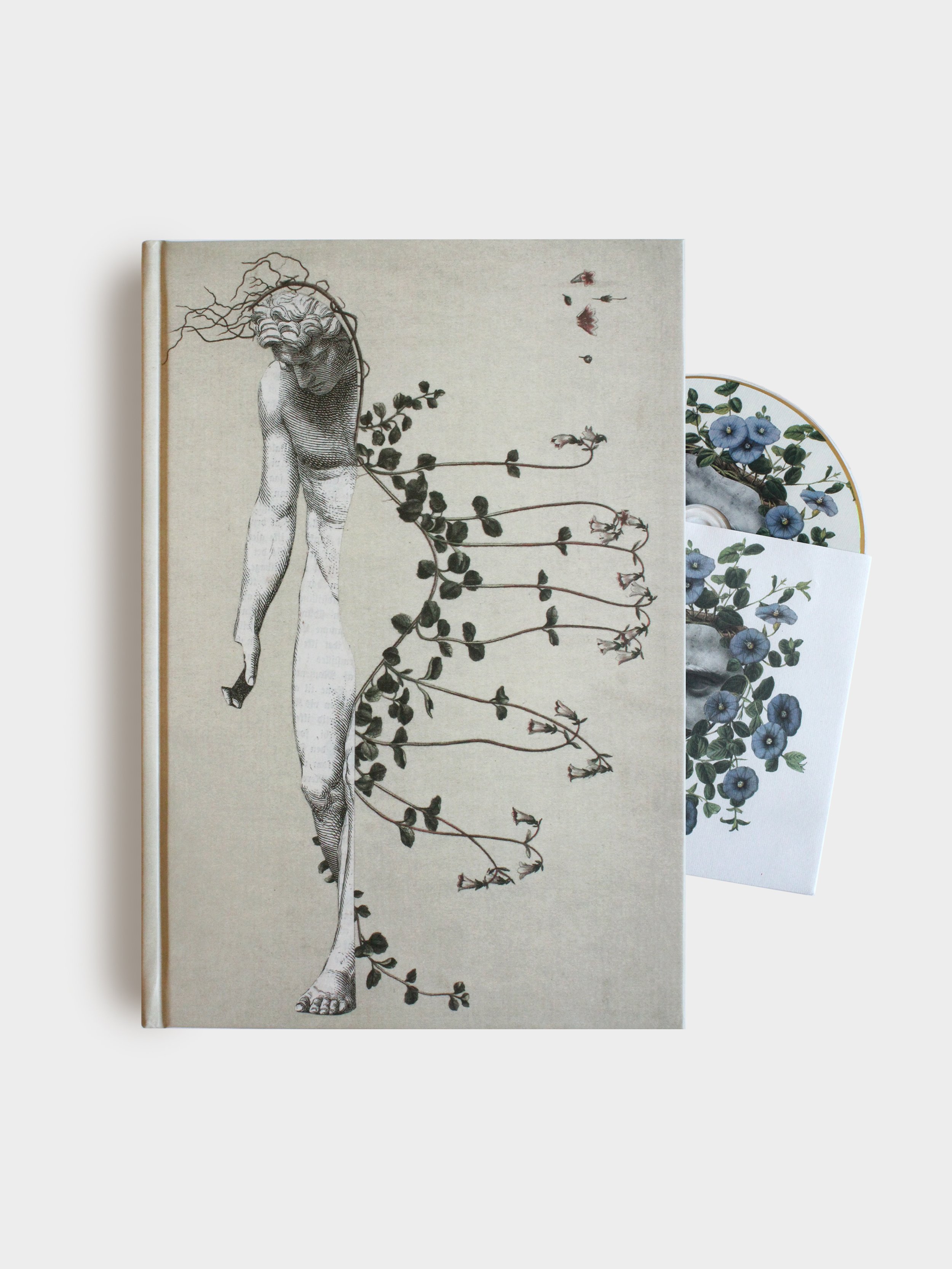
Hardcover book, thread-sewn binding. 176mmm x 254mm. 144 pages on Munken Polar 150 g/m2 paper. Scratch free mat laminate cover. Includes CD in paper sleeve. 2 Tracks. Running time 60min. Limited Edition of 500 copies.
A retrospective of artworks by Danish artist øjeRum (Paw Grabowski) exploring the complex relationship of humans and plants. Extending far back into our joint evolutionary history our deep relationship with, and understanding of, plants has enabled us to harness their nutritional, medicinal, and aesthetic benefits. Plants are central to our well-being, not only as food, but also as key components of our cultures, religions, and medicines. Through a unique hand collage technique, this series delves deeply into man’s connection to the natural world. It is a surrealist herbarium that intertwines bodies, minds and nervous systems through the vastness of plants, vines and flowers species. The major global challenges we face also impact our relationship with plants; we must protect their biodiversity, which holds vital information and solutions that can help us to cope with these problems. Plants are the life line that sustain humans and animals, and this book is an homage to our shared history.
ISBN: 9782957938209

French graphic designer and musician Dehn Sora, (aka Treha Sektori), compiled over two years of his visual work taken from exhibitions, carefully selected works commissioned by various international musical acts and labels (Blut aus Nord, Church of Ra, Manes, Cyclic Law and more) and also presents us two full series of new artworks.
The book is accompanied by a 25 minutes album of previously unreleased material specially created for this book release. Titled “The Sense of Dust and Sheer” and composed as a soundtrack to the books visuals, it is a collaboration between Dehn Sora’s own project, TREHA SEKTORI and the solo project of Swiss composer Sam Vaney, MUHD (of Cortez fame). A unique addition to this album is the rare presence of KRISTOFFER RYGG from ULVER, contributing his always poignant vocal skills to the whole, making this ep a very special piece in itself. Divided into four chapters, Dehn Sora exposes his chimerical visual obsessions through the hidden symbolism of animality and manifests sacred, unknown mythologies. Each pieces are accompanied by a written comment, complementing their deeper meaning.
Edition of 300 copies. Book Format: 7x10". Spot UV lettering on Hardbound cover. 100 pages. Matte Finnish. CD: 1 Track. Running Time 25:00
First 50 copies comes with a heavy grey stamped casing, including 3x signed and hand Numbered A4 prints. (Sold Out)
Available through Cyclic Press, publishing division of Cyclic Law.
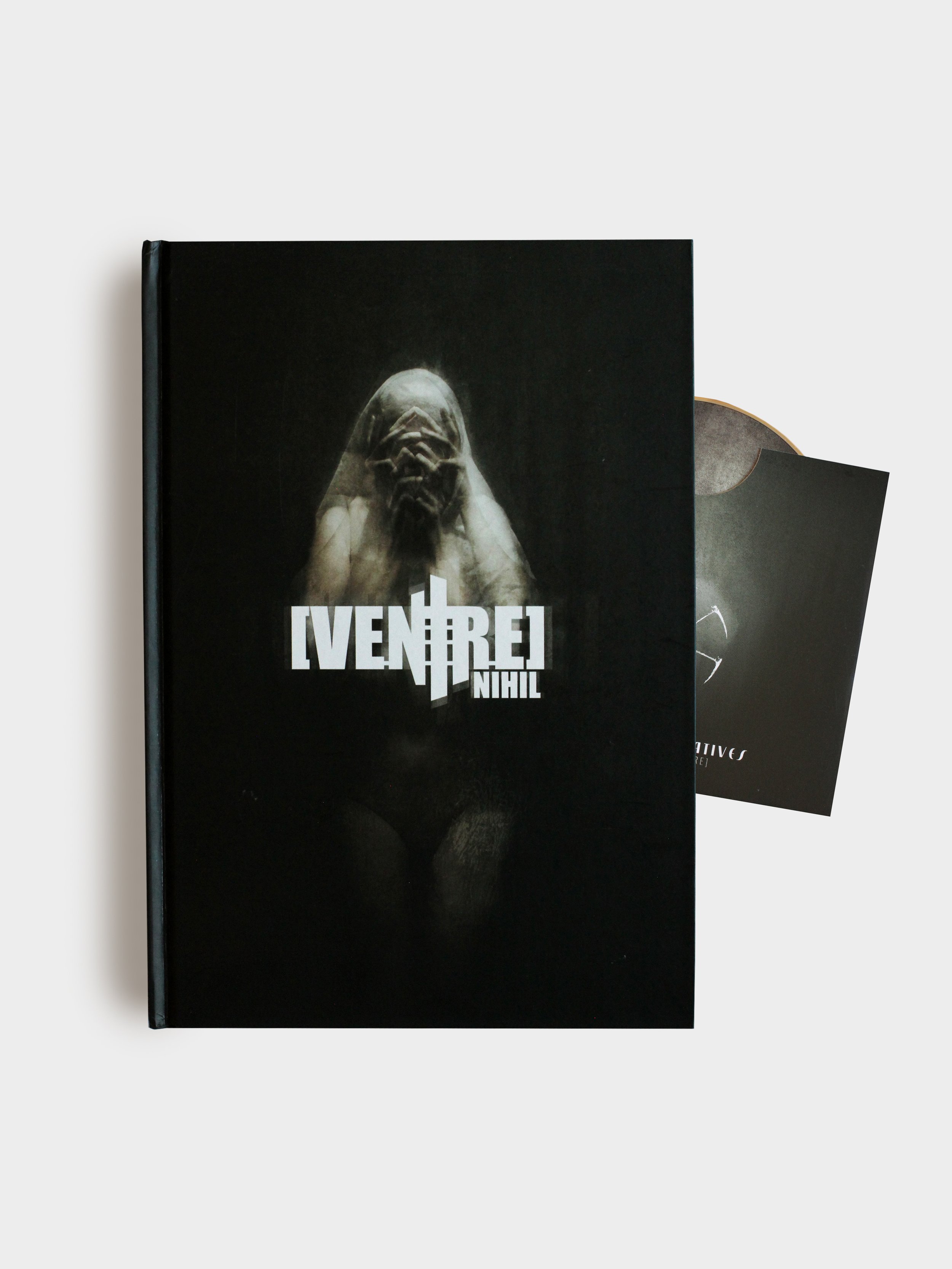
Ventre is the cumulative work of French writer and graphic designer NIHIL. A singular fictional universe growing and mutating within since his childhood, where unconscious fears and forgotten memories emerge as grotesque figures populating surreal landscapes and where everything appears as symbols and disguised archetypes. An ever-changing and bizarre tale marked by mystical heights and regressive downfalls. Ventre started in 2004 as a series of short texts and soon developed to include imagery as well, exploring transcendence and identity matters. After more than ten years of work, the Ventre art book collects ten cryptic and philosophical texts and seventy-five portraits of saints and martyrs, including a retrospective of past works and a number of previously unreleased ones. The book comes with a unique soundtrack composed especially for this project by Swedish pioneer of the ambient industrial IN SLAUGHTER NATIVES, which has infused most of NIHIL’s work since the early days and both have also become close collaborators. The music contributes to create a complete sensitive experience along with the texts and images, in a natural symbiosis of atmospheres and inspirations.
Limited Edition of 300 Copies. Book Format: 7x10". Hardbound cover with Matte Lamination. 115 pages. CD: 7 Tracks. Running Time 39:18
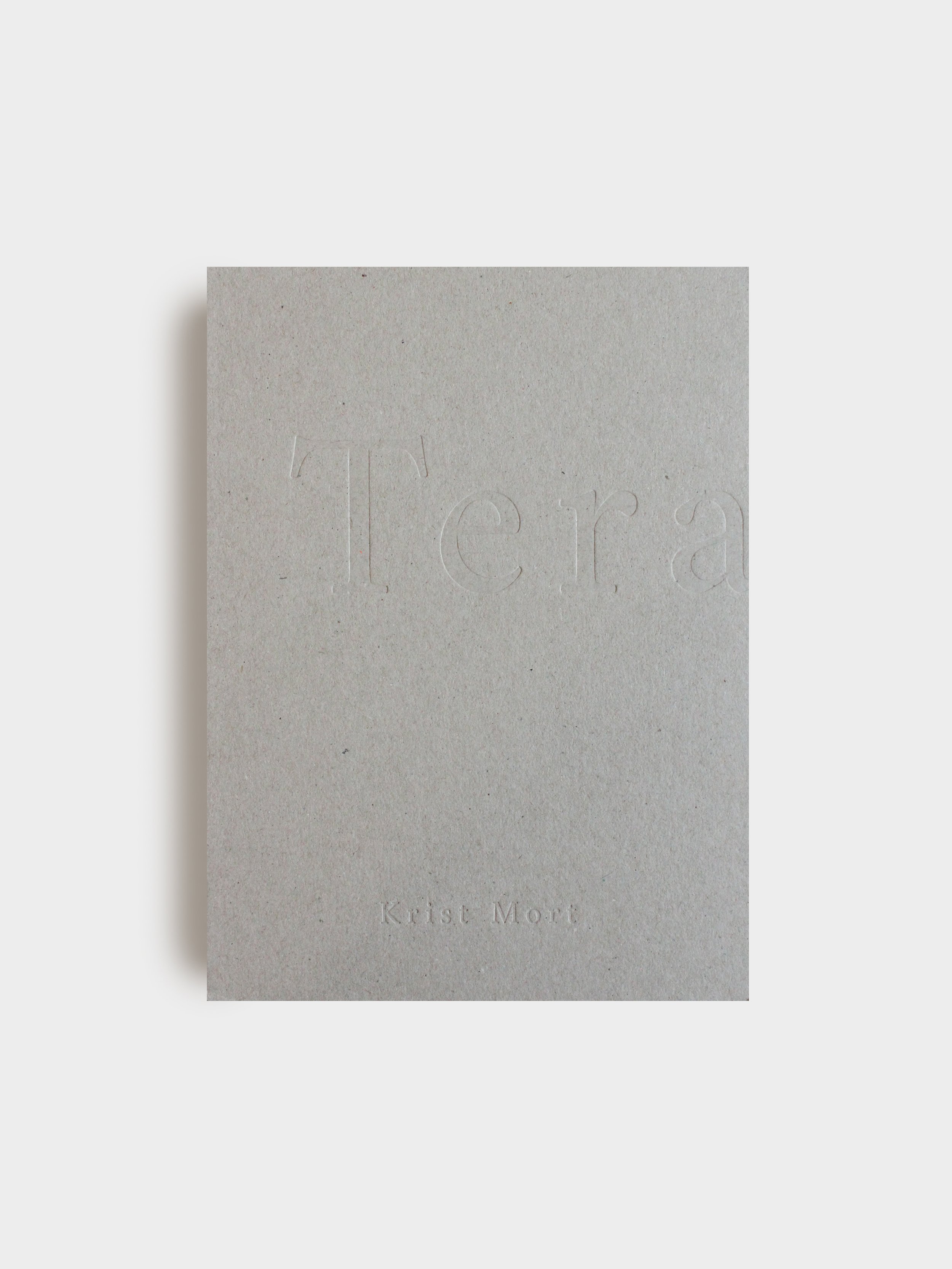
New volume by Austrian analog photographer KRIST MORT. Following her highly acclaimed “Inlumaeh” Book where we saw a more chronological overview of the general aesthetics of her past body of work, she now presents us “Tera”, a more focused conceptual photographic exploration of the primal origins the human body. Six chapters take us through the cycles of birth and decay, portraying bodies as more abstract shapes turning into desolate landscapes. Bodies rooted in earth, evolving to their intend forms to eventually decay and disintegrate to their origins, back to soil. A poignant metaphor on life and death and the universe’s governing cycles, uniquely rendered through her very particular photographic eye.
Limited Edition of 300 copies. 128 pages. Hardcover with Blind Debossing on a light grey natural cardboard. Special Lay flat binding. 18x24cm, Matte Finish. A Cyclic Press Publication.
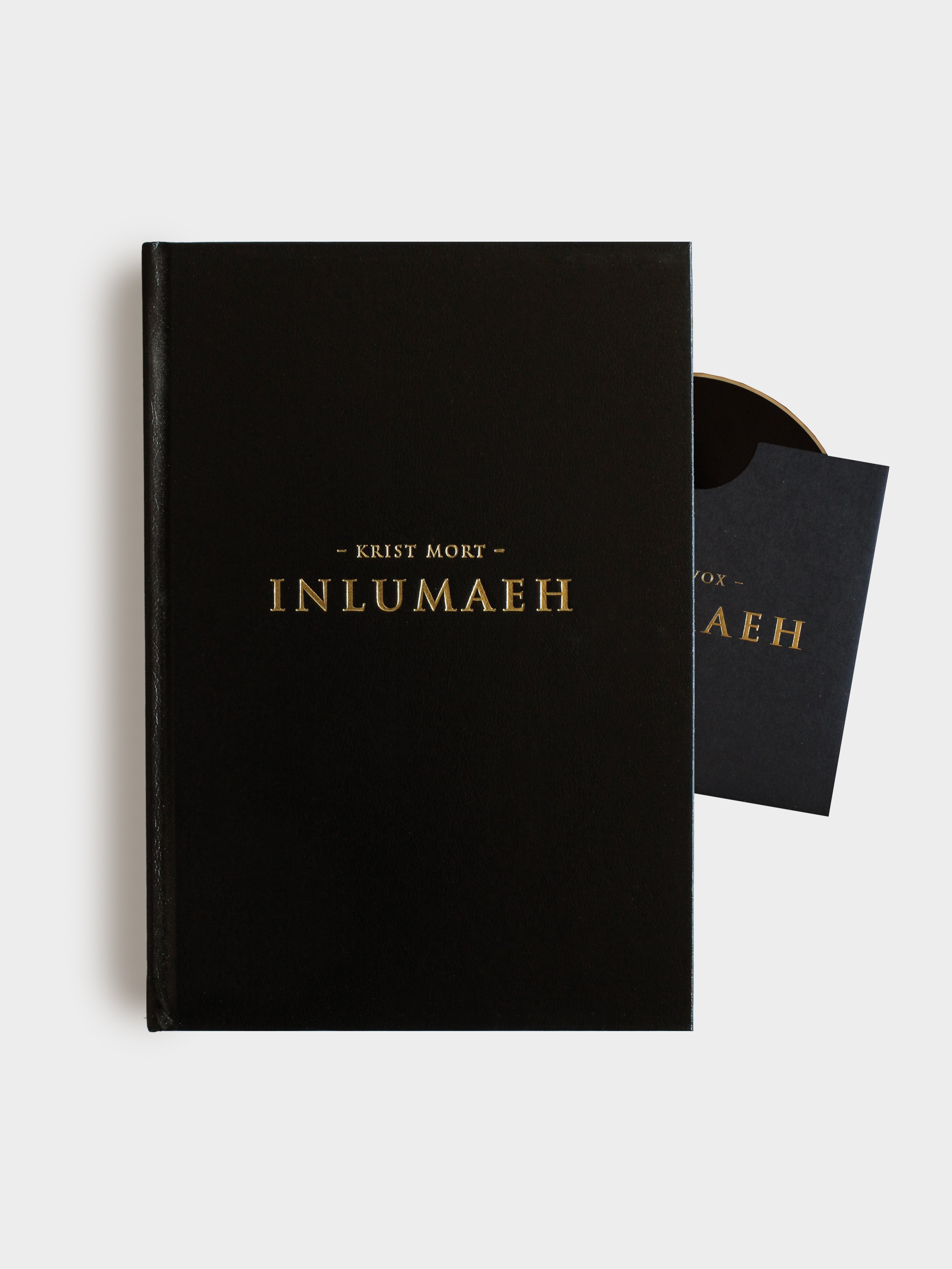
It is with great enthusiasm that we present our first book project, released under our new division, Cyclic Press. This first publication presents the unique work of Austrian analog photographer KRIST MORT.
Inlumaeh relates to the connection and interaction of light and darkness. Where there is illumination a shadow is always cast and therefore all shadows originate in light. It is which these singular precepts that Krist Mort tackles her photographic work. Focusing on the darker and more somber aspects of life, as well as the beautiful and fragile side of death and the unknown, her pictures showcase the cycle of death and rebirth and also the cycle of creation and destruction, perpetually moving on in its oppressive beauty. Beauty and death, light and darkness, invocations and spirits are the foundations on which she creates her evocative imagery.
Book Format: 7x10". Cover has Gold Foil Debossing on textured Hardbound cover. 90 pages. Matte varnish.
CD: Gold Foil Debossing on Sleeve. 1 Track. Running Time 20:40
The book comes with an exclusive audio CD by Russian esoterist LAMIA VOX. 3 unique ritualistic pieces were channeled to accompany Krist Mort's visions, adding a deeply mystical aural dimension to the visual work. Book Design by trineogkim.no
Standard Edition of 450 Copies.
Special Edition of 50 Copies (Sold Out)
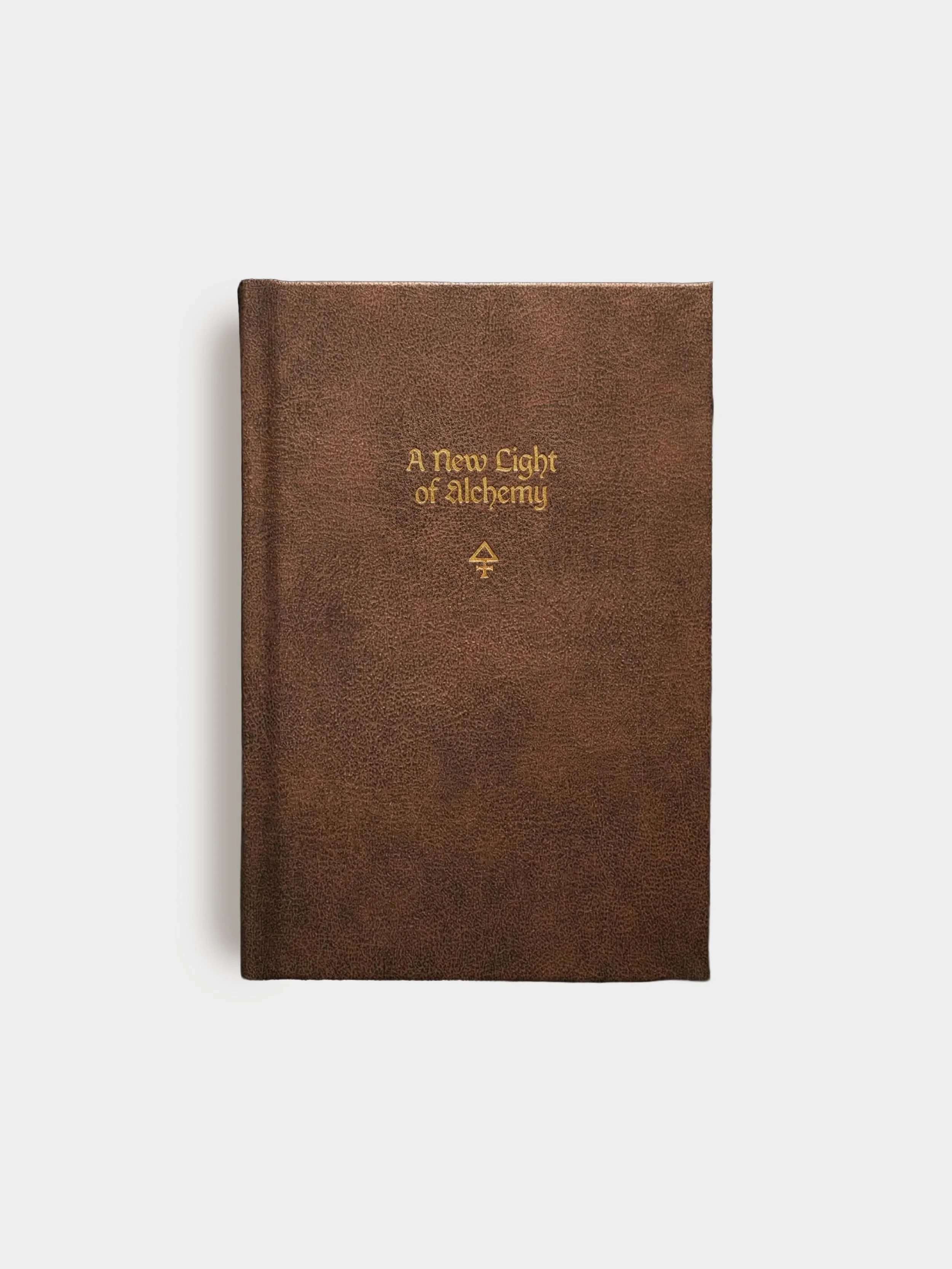
A New Light of Alchemy by Michael Sendivogius
Classic Edition limited to 700 hand-numbered copies.
Trim size 180 x 120mm.
272 pages.
Handbound in amber-coloured reconstituted leather, stamped in gold.
Including fourteen duotone illustrations.
Text set in Neacademia.
Printed in duotone on Munken Pure Rough 100 gsm paper.
Featuring terracotta-coloured endpapers, and tuscan-orange head & tail bands and silk ribbon.
Presented with an orange letterpress bookmark, stamped in gold.
Fifth volume in the Mysterium Hermeticum series.
Among the numerous early modern books on alchemy none was more popular and influential than Novum Lumen Chymicum, or A New Light of Alchemy by Michael Sendivogius. Consisting of four tracts, published anonymously between 1604 and 1616, it presents one of the most coherent systems of alchemical philosophy ever written, enchanting with its explanatory power and vivid description of the workings of Nature. Its impact was such that it gave rise to an entirely new ‘school’ of alchemy, centred around the Salt-Nitre theory, inspiring generations of Chymists to embark on their own quest for the “Water that wets not the hands.”
No fewer than 60 editions of Novum Lumen Chymicum appeared in print before 1800, far outnumbering all other alchemical works published before or since. It was the only text recommended and admired by all three 17th-century authors presented in the Mysterium Hermeticum series thus far: Jean d‘Espagnet, Arthur Dee, and Thomas Vaughan. It is only apposite therefore to include it as the fifth and largest instalment in our ongoing investigation of the Hermetic mysteries. The author of that key work of alchemical literature was born in Cracow, then the capital of the Kingdom of Poland, on 2 February 1566. He was known in Poland as Michał Sędziwój, but remembered in posterity under the Latin version of his name—Michael Sendivogius, one of the greatest and most mysterious adepts of the 17th century.
The unparalleled success and influence of the Polish alchemist’s literary legacy were due to several factors. Perhaps the most important was that his contemporaries regarded Sendivogius as a true possessor of the Philosophers’ Stone, as testified by Oswald Croll, Andreas Libavius, Michael Maier, and others. The latter enshrined him on the cover of his influential Symbola aureæ mensæ (1617) as the last of the twelve greatest alchemical adepts, counting from Hermes. The English translator of A New Light of Alchemy, John French, eulogised him in the same vein. But who was this mysterious adept, who concealed his identity under two ingenious anagrams, and performed one of the best-documented transmutations of the 17th century, in front of Emperor Rudolf II himself?
“If you ask who I am, I am a Cosmopolite; if you know me and desire to show yourselves good and honest men, you shall hold your tongue; if you know me not, do not enquire after me, for I will reveal to no mortal man, whilst I live, more than I have done in this public writing.” For more than three centuries, the authorship of Novum Lumen Chymicum had been wrongly attributed to a Scottish alchemist, Alexander Seton. The misattribution was so pervasive that until recently, modern historiography of alchemy misrepresented the importance of Sendivogius and relied on false accounts of his life. In his magisterial 40-page Introduction, culminating over four decades of meticulous research and seeking to redress the historiographical errors of the past, Dr Rafał T. Prinke—a scholar of esotericism and the leading authority on Sendivogius—traces the origin and evolution of the “black legend,” proving unequivocally that the author of Novum Lumen Chymicum was none other than the Polish alchemist himself.
In addition to the four tracts comprising the volume—these being Twelve Treatises on the Philosopher’s Stone, The Parable or Philosophical Riddle, The Dialogue with Mercury, and A Treatise on Sulphur—two more tracts are appended to the present edition. The first is the English translation of Operatie Elixiris Philosophici, originally written in Polish and Latin, most likely by the young Sendivogius. The text is important not only because it is the earliest known alchemical work in the Polish language, but especially for its unique form of a critical report from laboratory experiments in search of the Philosophical Elixir. The second Appendix is the first English translation of the famous Processus Universalis, in the expanded 1682 redaction of Johann Joachim Becher, entitled “The Process of Michael Sendivogius upon the Center of the Universe, or Central Salt.” It contains detailed instructions for carrying out the laboratory procedure in preparation of the Universal Menstruum and the Philosophers’ Stone. It appears plausible that it was based on notes made by witnesses of the operation performed by Sendivogius in Prague, and we rejoice in the opportunity to present it to the Reader in English for the very first time.

Alchemy Rising: The White Book by Heliophilus. (Aula Lucis)
The second and latest instalment to the Alchemy Rising series by the contemporary English alchemist Heliophilus is dedicated to the Art of Water and the mystery of the alchemical menstruums. Within its lavishly illustrated pages, Heliophilus takes us on an alchemical quest that follows the Sacred Fountain of the alchemists, through the great monarchical tributaries of Nature nurtured and nourished by the very streams and rivers that flow through the mineral, vegetable and animal kingdoms. From these kingdoms the alchemists drew their liquors, menstruums, spirits and lixiviums, and by doing so were able to calcine, precipitate, dissolve and sublime their subjects; reduce them to their first matter; and separate their philosophical principles.
In The White Book, we are invited to join Heliophilus on his alchemical quest which begins with the consideration of various mother-waters of the alchemists. Guided by the light of his experience, we will gather them from the heavens and the oceans in which they fall. Our investigation into these essential waters will follow their courses from the rivers of the vine into the living tributaries of the animal, vegetable and mineral kingdoms, until finally we will search for the secret spring deep within the mountains. We will prepare our menstruums from the great monarchies of Nature, and from these very kingdoms we will distill their spirits, resolve their lixivia, decoct their oils and lay the foundation for that most potent of all alchemical dissolvents: the mysterious Alkahest of Paracelsus and the Philosophical Mercury of the Sages.
“Burn it in Water and wash it with Fire,” the old Adepts were wont to say; but this must be done homogeneously, for fear of destroying or contaminating the very principles we wish to extract. Following in the footsteps of Heliophilus, using our menstruums we will ‘calcinate’ our subjects, and in so doing open them up—be they gemstones, minerals or metals, for by means of these fiery waters we can extract their essentials and thereby alchemically rejoin what we have divided. We will grip the Hand of the Philosophers and prepare each finger according to the tenets of the Art, and in these our mineral gardens we will prepare the seasoning to cook our mercurial fish.
The White Book is divided into two parts: Theorica and Practica. The first is an introduction into the alchemical mystery of the Goddess and the concepts of transmutation, with a gathering of the Philosophers whose arcane ideas and mytho-hermetic symbolism are carefully laid out and considered before Heliophilus proceeds on to the practice. Practica is divided firstly into an archetypal discussion on ‘Moonshine’ and the exhalation of the stars, following which the work is separated further into the Vegetable, Animal and Mineral chapters. Under the Vegetable work Heliophilus discusses Acetum and the means of preparing one of the most versatile vegetable menstruums of the alchemists. This is followed by Tartar and the discussion of the importance and preparation of its spirit, its salts and the lesser Circulatum of Urbigerus.
The Animal work includes a detailed inquiry into Urine and the means of extracting a spirit from Oyster shells, whilst the Mineral work itself is separated into five fingers, which constitute the aforementioned Hand of the Philosophers according to which Heliophilus demonstrates the preparation of each of the alchemical salts, namely Nitre, Sal Ammoniac, Salt, Vitriol and Alum, in keeping with the dictates of the Art. The final investigation in The White Book is titled ‘Mercurius Trismigestus’: the Thrice Great Mercury, a work of three parts which shall be concluded in the future in the final instalment of the Alchemy Rising series, The Red Book, and which Heliophilus initiates with a theoretical and practical inquiry into the Prima Materia of the Philosophers, the spirit wine of Lully and the elusive Sericon of the Sages.
Alchemy Rising: The White Book is an essential manual for all aspiring alchemists, providing some of the indispensable keys necessary to unlock the riddles of the Philosophers, and sounding the deep waters of the Royal Art with clarity, sincerity and true passion.
Limited to 1000 hand-numbered copies.
Trim size 246 × 189 mm.
304 pages.
Handbound in full white bonded leather.
Stamped with blue holographic foil on front cover and spine, with alchemical symbols of water and fire blind debossed on both sides.
Lavishly illustrated throughout with full colour photographs.
Text set in Neacademia.
Printed in full colour on Matt Art FSC-certified 150 gsm paper.
Featuring textured colour endpapers, head & tail band and silk ribbon.

Aula Lucis (The House of Light) by Thomas Vaughan
Fourth volume in the Mysterium Hermeticum series.
To mark our first anniversary, we are honoured to present our readers with the treatise which inspired both our name and our vision as a publisher. Thomas Vaughan’s Aula Lucis, or The House of Light is a sublime discourse on the Alchemy of Light. Written in 1651 and first published in London in 1652, it traces the descent of Light into Matter and the means of its ultimate emancipation. Together with Vaughan’s Lumen de Lumine, or a New Magical Light, also included in this volume, these two works offer a profound insight into the mystery of the Prima Materia and the alchemical regeneration of metals and Man.
With new Introduction by Thomas Willard
¶ For the fourth volume in the Mysterium Hermeticum series we have brought together a pair of treatises which are unique in the history of alchemical literature. Lumen de Lumine and Aula Lucis were meant to be published in one book, about the year 1651. Why this intended design did not come to fruition, Thomas Willard expounds in his excellent introductory essay. What is certain is that both of these tracts offer a profound insight into the Alchemy of Light and the Mysterium Magnum itself: the Prima Materia. It is therefore our pleasure to join together in one volume what was once put asunder, and thus honour the original design of the author, of whom we shall speak presently.
¶ Next to Robert Fludd, the Welsh alchemist Thomas Vaughan (1621–1666), also known as Eugenius Philalethes, has been widely regarded as Britain’s most notable 17th century occultist and alchemical writer. He is believed to be one of the most profound and perhaps most recondite of all visionaries who have seen “the new East beyond the stars.” His magical and alchemical writings, published in the 1650s, established him as a leading interpreter of the Secret Tradition in his time. Aside from being a passionate exponent of alchemy, Vaughan was a mystical philosopher and a visionary largely influenced by the Rosicrucian movement of the 17th century. He translated and published the first English edition of the Rosicrucian Manifestos, Fama and Confessio Fraternitatis, alongside many of their lesser known works, such as “A Letter from the Brothers of R.C. Concerning the Invisible, Magical Mountain, & the Treasure therein Contained,” which he inserted into Lumen de Lumine.
¶ Far from being only a speculative philosopher, Vaughan was also a practising alchemist whose penetrating insight into the mysteries of Nature was tried and tested in the light of laboratory experience. Thus in Lumen de Lumine, by means of an allegoric dream-vision, he introduces the reader to the secret School of Magic in which Thalia—the spirit of Nature—unfolds before the alchemist the cascade of First Matter and its various mineral and metallic generations. These are symbolically represented by the engraved Emblem of the School, created by the celebrated 17th-century artist Robert Vaughan and reproduced in the book. Following this, Vaughan adds eleven short essays, ranging in length from four sentences to fourteen small pages of text. All concern aspects of the alchemical work in both the practical sense—from the First Matter to the projection—and in the expanded sense including Magic and Cabala. The “Magical Aphorisms of Eugenius” which follow are elucidated in a commentary written exclusively for this edition by Prof. Thomas Willard.
¶ “I have resolved with myself to discourse of Light, and to deliver it over to posterity,” writes Thomas Vaughan in the opening lines of Aula Lucis. In this luminous essay, which follows chronologically after Lumen de Lumine, he explains what the descent of Light into Matter truly means for anyone who wishes to have a better understanding of Nature, and especially for the prospective alchemist. At its heart, his thesis concerns not only the regeneration of metals, but the spiritual transmutation of Man. He writes: “He that desires to be happy, let him look after Light, for it is the Cause of Happiness, both temporal and eternal. In the House thereof it may be found, and the House is not far off nor hard to find, for the Light walks in before us and is the Guide to his own habitation.” We invite our readers to follow us on this journey into the House of Light, where our quest for the First Matter of the Philosophers shall continue in earnest.
Limited to 700 hand-numbered copies.
Trim size 180 x 120mm.
192 pages.
Handbound in almond-coloured reconstituted leather, stamped in gold.
Including seven duotone illustrations.
Text set in Neacademia.
Printed in duotone on Munken Pure Rough 100 gsm paper.
Featuring dark brown endpapers, brown & oyster head & tail band and espresso-coloured silk ribbon.
Presented with a white letterpress bookmark, stamped in gold.
Pre-orders will receive a letterpress broadside featuring a reproduction of “Thalia's Emblem of the School of Magic,” which was included in the 1651 edition of Thomas Vaughan’s Lumen de Lumine.

by John Temple
A fine hardback edition limited to 500 copies. Set in Fabiol, printed on Munken Pure Rough 120gsm and bound in yellow silk cloth, stamped in purple on front cover and spine and blind debossed on both sides; featuring purple endpapers and a purple ribbon, colour frontispiece and twelve interior illustrations, with three additional images in black & white. Presented with a golden letterpress bookmark.
The Search for Truth is a unique investigation in twelve chapters of the occult secrets in the Bible, its Mystery Language, and their origin in the Wisdom Teachings of ancient Egypt. Throughout the book, occult writer and theologian John Temple discusses some of the mystery keys without which it is impossible to unlock the hidden meaning concealed within the many biblical stories, symbols and sacred teachings, some of which pre-date Christianity by many millenia.

by Arthur Dee
Third volume in the Mysterium Hermeticum series. 180 x 120 mm, 176 pp. Bound in brown reconstituted leather, with silk ribbon and a letterpress bookmark. Including the decrypted alchemical cipher “Hermeticae Philosophiae Medulla”.
Arca Arcanorum was written in 1634 by the alchemist and royal physician Arthur Dee, the eldest son of the Elizabethan magus John Dee, to celebrate his triumphal consummation of the Great Work and the attainment of the Secret of Secrets. Only a single manuscript of this work exists, executed in Dee’s own handwriting and bequeathed upon his death to the Bodleian Library in Oxford. This is the first time this all-important alchemical treatise is brought to the press, having remained virtually unknown for almost 400 years.

by paracelsus
Second volume in the Mysterium Hermeticum series. (Aula lucis)
Classic hardback (500 copies), 180 x 120 mm, 208 pp.
Including a “Chymical Dictionary”, compiled by John French
Nine Books on the Nature of Things is one of the most fundamental and most widely studied alchemical works of Paracelsus. Composed explicitly in order to assist the aspiring alchemist and hermetic philosopher in recognising what lies hidden in Nature, and how to induce Nature to be helpful in the Art of Alchemy, it is a veritable treasure house of natural lore for all diligent students of the Spagyric Art to draw upon, and to apply in their practice.
AULA LUCIS
ANATHEMA PUBLISHING
THEION PUBLISHING
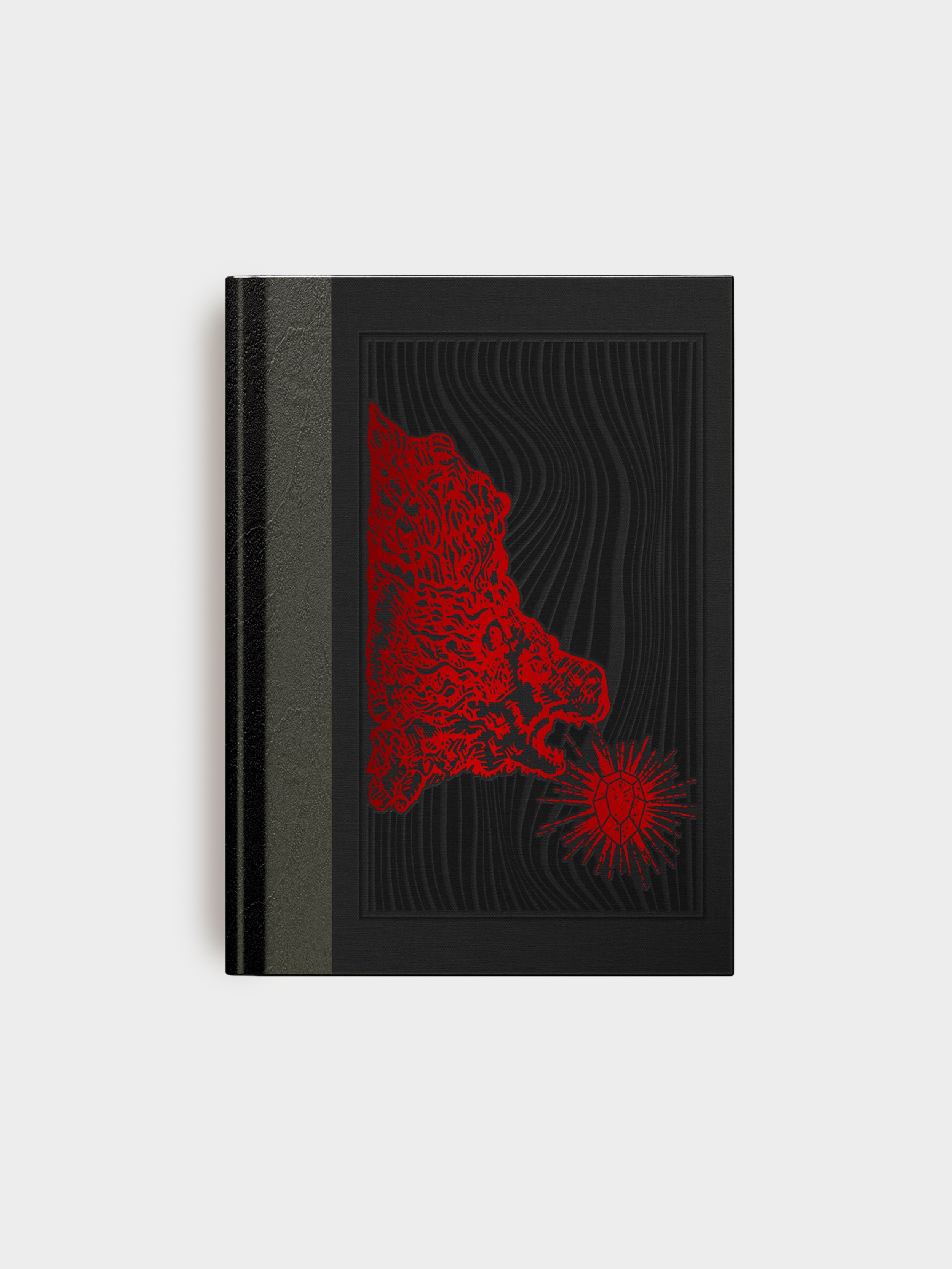
A Ruby Bright as Fire: William Blake and the Esoteric Tradition by P.T. Mistlberger
URIZEN (dark) Edition
• Hardcover Book, 400 Full-colour pages
• Tipped-in card, numbered across the entire print run (including the “LOS” Edition), signed by the author.
• Smyth-sewn binding
• Dimensions: 6.5 x 9.5 inches (15.25 X 22.9 cm)
• Greyboards 1890 gsm/3000 mic
• Process printed on Munken Smooth Cream 120 gsm archive-quality paper
• 3/4 bound in front-cover in “Assuan” Black Italian book-cloth
• 1/4 bound in front-cover and full back-cover in Corvon Metal-X “Rugged” (Tungsten Colour)
• Metallic Red foil blocking on cover and spine, plus blind deboss details on front-cover & back-cover
• “Laguna Sabbia” 180 gsm parchment-finish Endpapers
• Black & Red Headbands
• Fine typography and layout
Limited to approx. 850 copies. | ISBN: 978-1-989339-34-3
Illustrations by Caroline Chernega
Featuring numerous originals by William Blake
Thence feathered with soft crimson of the ruby bright as fire Spreading into the azure wings which like a canopy Bends over thy immortal head in which Eternity dwells. —William Blake (Jerusalem 86:7-10).
William Blake lived in relative obscurity for the duration of his life, despite producing an extraordinary body of writings and visual art. For those with eyes to see his psychological acumen and spiritual depth are clear, but for many others, including the public of his time, he seemed to wander in the lands of madness.
It was not until many decades after his death in 1827 that Blake began to slowly gain appreciation for his immense and profound creative output. The poet and Golden Dawn-trained ceremonial magician W.B. Yeats, who once claimed that Blake was his master, helped rescue the English mystic from obscurity when he published, along with his friend Edwin Ellis, the totality of Blake’s known works for the first time in 1893. Their efforts, though regarded as uneven by later scholars, nevertheless blazed a path for a small army of researchers and historians to begin exploring the vast body of work of the tireless English poet who labored for so long while barely recognized, later to be buried in an unmarked grave.
Most of the scholarly studies, with the exception of a few, steer clear of Blake’s more mystic and occult sides. The present work, written by a lifelong student of both Blake and the great esoteric wisdom traditions, seeks to explore Blake’s lesser-known role as a teacher of perennial wisdom, and one who accomplished such teachings via a sublime artistry.
Examined in the book are aspects of Blake’s work such as his famed The Marriage of Heaven and Hell and its remarkable foreshadowing of ideas from 20th century psychoanalysis, Blake’s affinity with great historical mystics such as Jacob Boehme and Paracelsus, his complicated association with Swedenborgianism, his shamanic visions so severely misunderstood by his contemporaries, concealed teachings in his famous poem The Tyger, his role in the Romantic metamorphosis of Satan, his powerful though largely unrecognized system of inner work, his remarkable resonance, especially via his renowned Proverbs of Hell, with the notorious 20th century occultist Aleister Crowley, as well as his marked influence on 20th century poets, visionaries, novelists, and musicians.
Contents
Introduction
Part I: The Man and his System
1. Biographical Sketch
2. Outline of Blake’s Writings and Symbolic System: Part I
3. Outline of Blake’s Writings and Symbolic System: Part II
Part II: Commentaries
4. Blake, Mysticism, and the Esoteric Tradition, Part I
5. Blake, Mysticism, and the Esoteric Tradition, Part II
6. Blake’s Unholy Testament: The Marriage of Heaven and Hell
7. Blakean Inner Work and Imagination
8. The Tyger, the Red Dragon, and the Metamorphosis of Satan
9. Blake and the Occult
10. Visions, Angels, and the Preternatural
11. Madness, Shamanism, and Daimonic Reality
12. Blake’s City of Light and Fire
Appendix I: Chronology of Blake’s Life
Appendix II: The Crimson King: Blake, Popular Culture, and the Dark Side
Appendix III: Blake’s Friends, Associates, and Disciples
Appendix IV: The Influence of Blake and Romanticism on Western Esotericism
Appendix V: In Praise of Ancestors—and an Appreciation of Catherine Blake
Notes
Select Bibliography
Acknowledgments
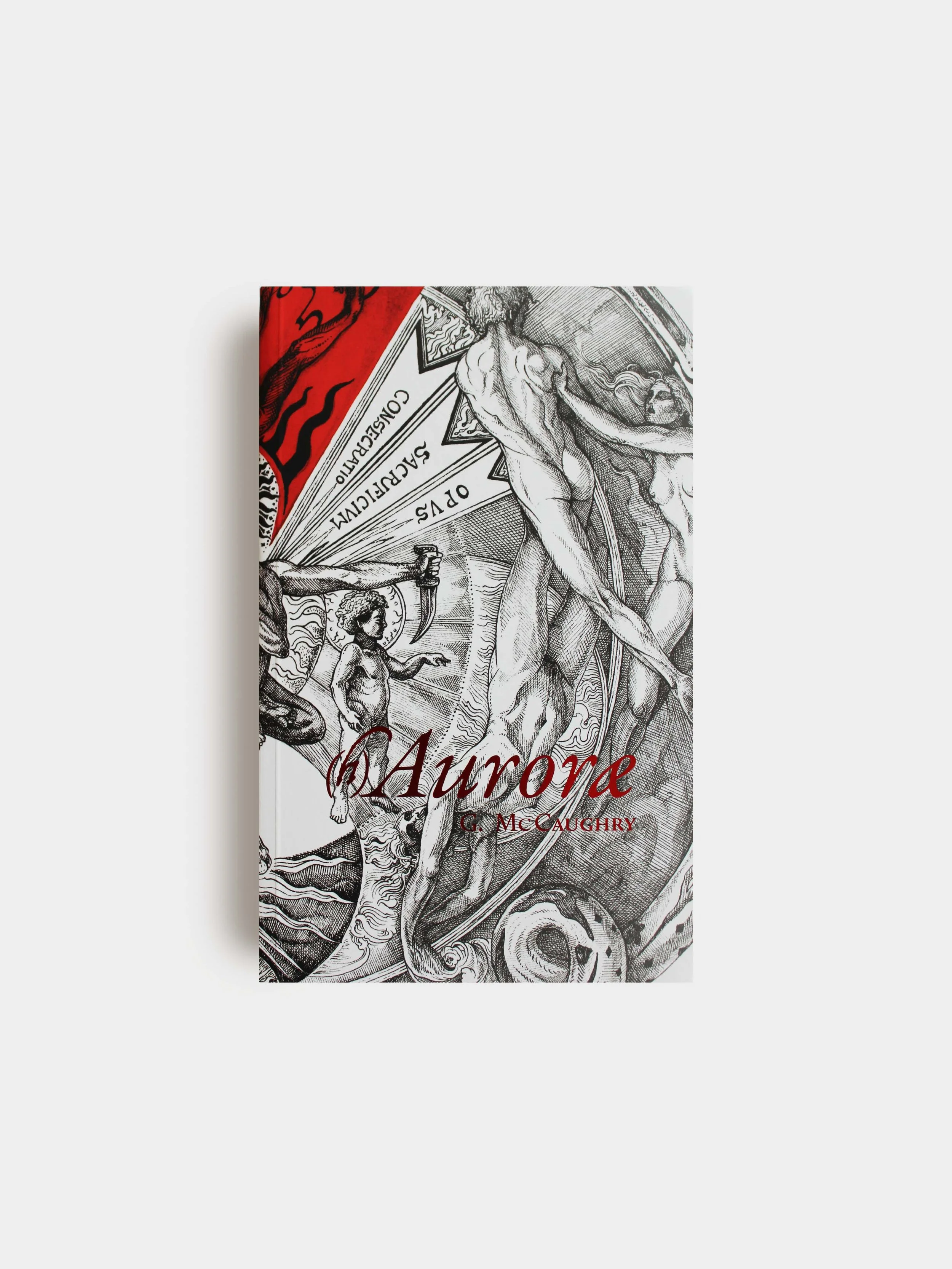
By Gabriel McCaughry (Editor-in-chief of Anathema Publishing Ltd.)
Paperback Edition: 2nd Print: 2026.
Format: 5.25 x 8.5 inches. 320 pages. German Binding. Velvet Matte (Scuff Free) finish + Red Metallic Foil stamped on cover and backcover. Full-Color Interior. Thoroughly illustrated by José Gabriel Alegría Sabogal, Fine typography, printed on Rolland Opaque White 160M archive-quality paper. Preface by Denis Poisson (of the Foolish Fish YouTube channel), and Afterword by Shani Oates (Tubelo's Green Fire, The Devil's Supper, The Hanged God, etc.) ISBN: 978-1-989339-18-3
(h)Auroræ manuscript is, functions as, an occult text; it is technically not a book ‘about’ the occult. The distinction is important here: the whole concept, presentation, and perennial philosophy underlying the book aim at provoking a mystical experience and stimulating the Divine Inspiration of the reader, so that they, in turn, become Inspiration.
This manuscript is a mystifying, albeit utterly profound journey. Part ontological synthesis, philosophical rambling, magickal diary, visual grimoire, mystical poetry, revelatory/individuation process, and alchemical vessel of expression, the book exists under the umbrella of what the author refers to as Neoteric Heterodoxy. First and foremost, however, (h)Auroræ exists as an act of eternal remembrance.
“This alchemical treatise walks us through a startling expression of emotive gnosis… (h)Auroræ seeks beyond and above the all-too-human condition in order to understand it, and advance it vis-à-vis a sensual Sophianic psychology, witnessed in cogitation. Mind in tandem with vision, incorporates a veiled process of subtle Jungian analysis leading to a Grail quest, of intent to remove the blindfold from the Holy Fool… A work of pilgrimage, conjunction and apotheosis, it directs the reader through pause, anticipation and intake. Sometimes rapturous, sometimes ponderous.” (~Shani Oates, Afterword, (h)Auroræ)
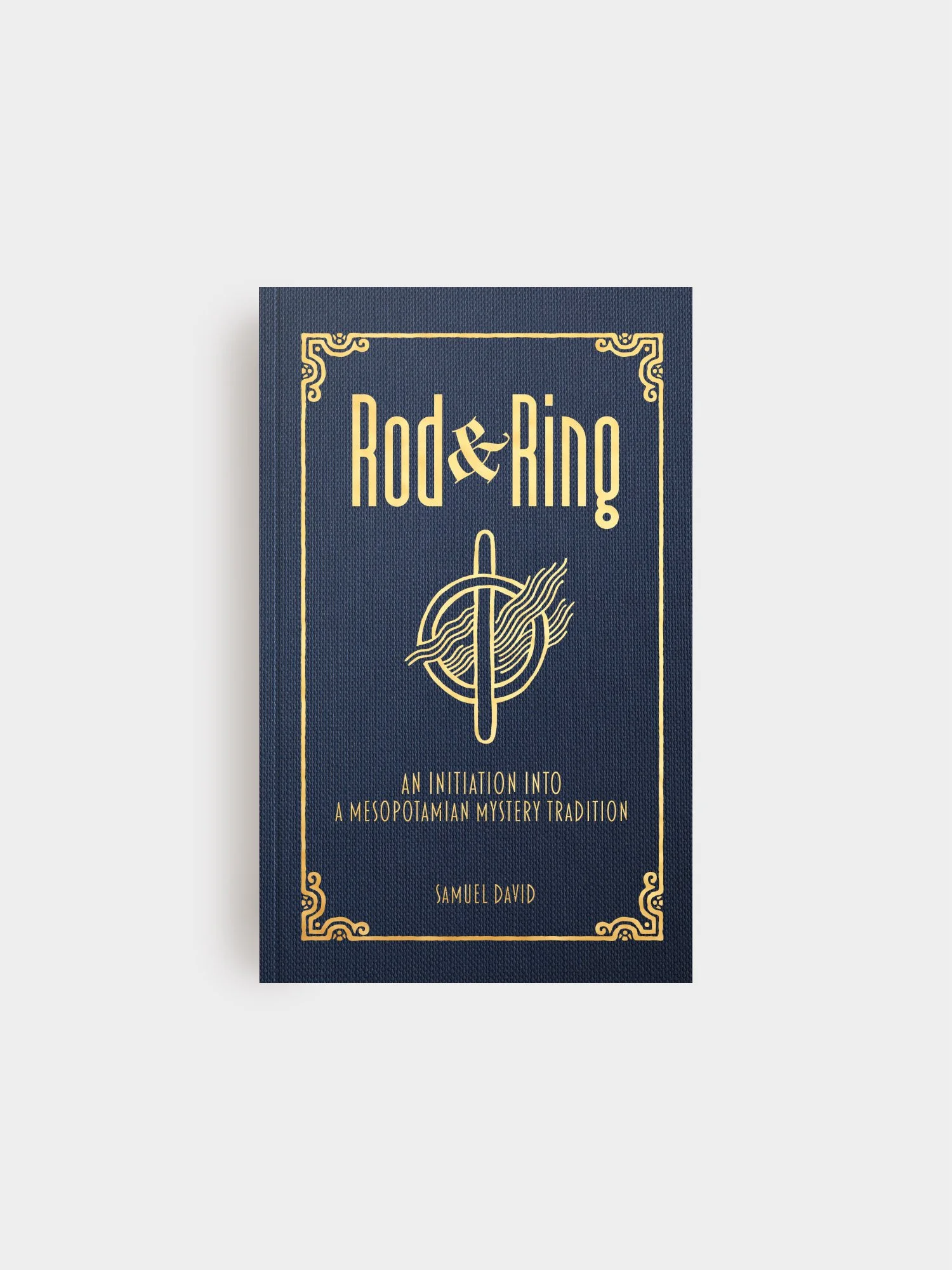
Rod & Ring: An Initiation Into A Mesopotamian Mystery Traditionby Samuel David
Foreword to the 2025 Paperback reissue by Shea Bilé
Illustrations by Johnny Decker Miller
Typeset, Layout, & Design by G. McCaughry
History tells us of the mystery traditions of Isis, Dionysius, and Mithras – but what of the mysteries of Inanna, Enki, and Dumuzid? Author Samuel David’s Order of the Rod & Ring seeks to fill those lacunae with a spiritual journey that combines traditional Mesopotamian praxis with a contemporary paradigm.
Immerse yourself in this mystery tradition as you undertake a mythopoetic journey informed by historical, religious, and cultic practices, as well as mythology, and research from experts in the field of Assyriology.
Prepare yourself to approach the shrine of the gods as their supplicant; take up the Divine Measures bestowed upon humanity as their servant, and brave the dark as you descend into the depths of the Underworld; be reborn as the temple steward and pass through the Heavenly gates to present yourself as one worthy to be entrusted with their holy regalia: the Rod and the Ring.
“In Mesopotamian art, the rod and ring, like the horned helm or crown, are indicators of the depicted being’s divine status. The most famous depiction being that of Shamash, the solar god of justice holding both divine symbols of power before Hammurabi the king on the Code of Hammurabi stele.
The depiction of a deity presenting these items of power to a human indicates the conferring of some divine measure, be it benediction or authority as a divinely-ordained ruler.
The symbols themselves are dated from the Sumerian Renaissance to the Neo-Assyrian periods. Some researchers have suggested that these tools represent a yardstick and a measuring rope – items that would be used to survey a kingdom. The stela of Ur-Namma however, bears an elaborate relief which depicts the ring as a wound cord; it has also been described as a chaplet of beads.
Within the context of this book and those which will follow, the rod and ring serve as the symbols of the gods and the realms in which they inhabit and rule.
The ring signifies the circumference of Earth and all that is contained upon and within, from the highest mountains, the depths of the oceans, and the chasms of the Underworld.
The rod signifies the divine power of the gods that is made manifest and connects the kingdoms of Heaven, Earth, and the Underworld.
By undergoing initiation, we can move closer to obtaining a measure of the divine providence and authority granted by the gods to perform rituals, know them in full, and experience the power they may bestow upon those who serve them as magicians, exorcists, and members of the priesthood.” —Samuel David
Contents:
Preface: The Storm and the Stele
by Shea Bilé (Author of Friedrich Nietzsche and the Left Hand Path)
Introduction, by Samuel David
Book I: Threshold
Book II: Foundation
Book III: Descent
Book IV: Ascent
Appendices
Afterword, by Samuel David
A Note from the Author
PAPERBACK Edition (2025)
5.25 x 8.5 inches. 352 pages. German binding. Gold foiled (cover and back-cover) on deep blue Imitlin carton. B&W interior, printed on opaque 160M smooth white paper. Illustrated throughout by Johnny Decker Miller. Fine typography and layout by G. McCaughry.
First Print Run limited to 500 copies.ISBN: 978-1-989339-31-2

A Devotional Path to the Red Enchantress of Uddiyana by Verónica Rivas
Artworks by: Andrey Savchenko.
Paperback: 5.25 x 8.5 inches. 192 pages. German binding. Gold foiled (cover and back-cover) on deep red Imitlin carton. B&W interior, printed on hopaque 160M smooth white paper. Illustrated throughout by An Sav. Fine typography and layout by G. McCaughry.
In Kurukulla: Goddess of Bewitchment – A Devotional Path to the Red Enchantress of Uddiyana, author Verónica Rivas combines academic research with personal experience to offer a theoretical-practical study of Kurukulla, the goddess in Hinduism related to desire, lust, magic, and witchcraft.
Many of these aspects were left aside, however, as her importance and popularity within Tantric Buddhism continued to grow. In Kurukulla, we have a goddess of tribal origins, initially venerated as a protector by various nomadic clans who related her to fertility and material affairs, yet also considered her dangerous and fearsome. Progressively, the goddess was incorporated into the Buddhist pantheon, and during this process, Kurukulla acquired different roles and lost others. Many practices were developed related to issues such as protection against animals and certain diseases, obtaining influential positions in society, love affairs, and even getting rid of one’s enemies.
Kurukulla: Goddess of Bewitchment offers a tantric perspective on a deity considered the goddess of eroticism, the mistress of enchantments and bewitchment, who uses desire as a weapon for transcendence. Practicing with Kurukulla allows us to reach our true nature by making our daily life, our fears and weaknesses, the very source of liberation.
The goddess of the red body represents the pure manifestation of intrinsic wisdom, the primordial energy that nourishes all realms of existence, as well as life and death as complementary opposites.
The rituals and devotionals presented in this book are intended to openly and freely establish a deep connection with the deity. They are shared in a simple and understandable way that will allow practitioners to integrate them into their life easily and completely.
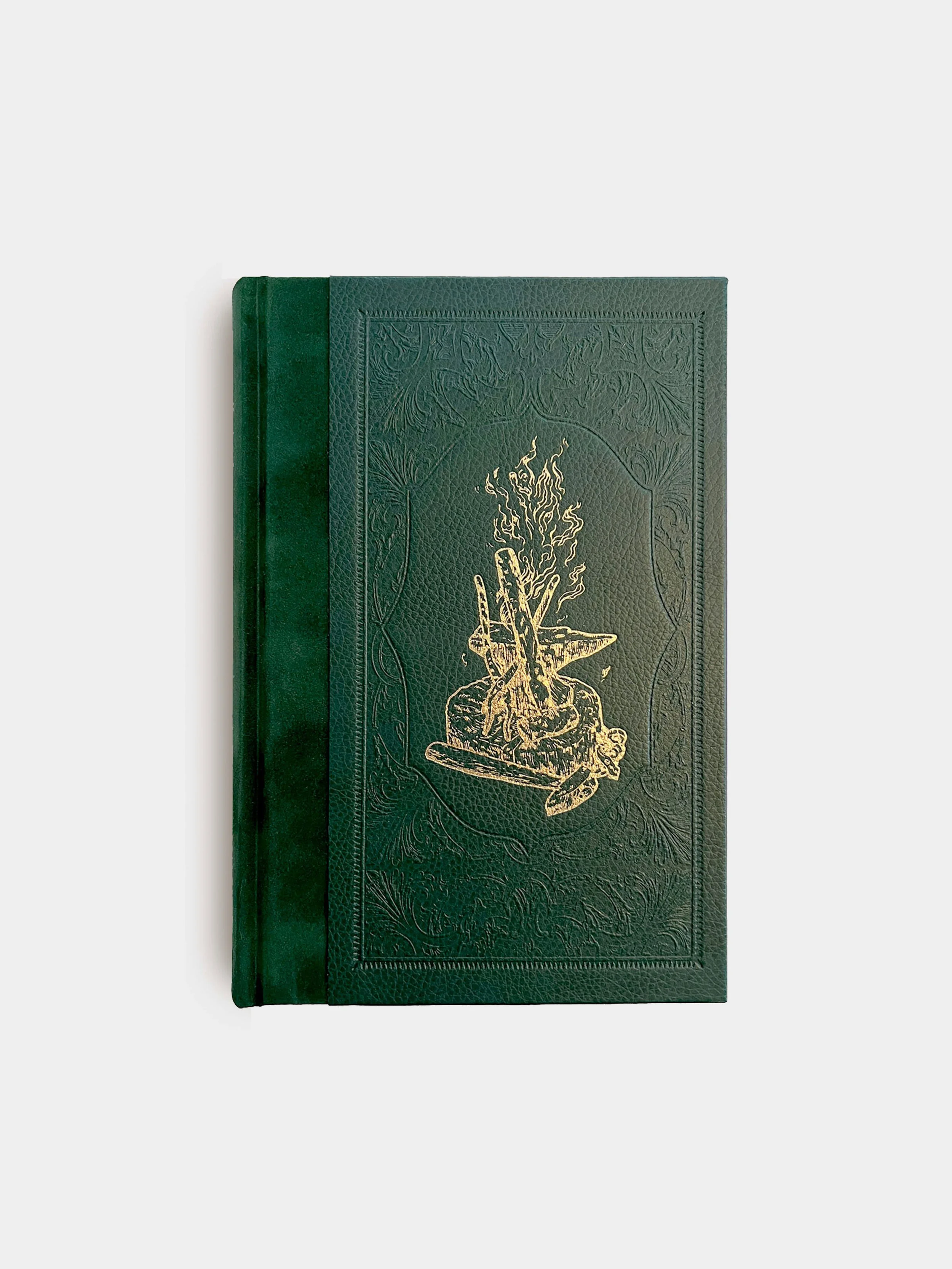
by Shani Oates
Illustrations by Johnny Decker Miller
Collector’s Hardcover Edition:
(Thick Book) 6 x 9 inches. approx. 368 pages. Hardbound 100pts, quarter-bound in Deep Green Wintan Safia Bonded leather and Suedel Luxe 'Emeraude' on the spine and full back-cover. Gold foil blocking on rounded spine and Blind Deboss + Gold foil on the cover and back-cover. B&W interior, with Dark Brown coloured (Ripples embossing) endpapers. Gold Headbands. Dark brown ribbons. Fine typography, printed on Munken Pure Rough Cream 120 gsm archive-quality paper. Fully Illustrated by Johnny Decker Miller. Layout and Design by Joseph Uccello & G. McCaughry. Comes with a carton-plate insert glued on the interior, individually numbered and signed by the author, Shani Oates. || Limited to approx. 750 copies.
“The real Mystery is only uncovered by the individual, and cannot be told, but only pointed to.”
~Robert Cochrane
Robert Cochrane – a name synonymous with Traditional Craft – is perhaps one of its most controversial figures of the 20th century. Scores of articles, books, blogs and webpages claim much in his name, each a pastiche of the other, and though they are a testament to his popularity, they offer little substance regarding his work, and even less in terms of factual information. Addressing this plethora of misinformation and lack, this book, Tubelo’s Forge, composed by Shani Oates — the Maid and Matriarch of the Clan of Tubal Cain — brings much needed light and clarity to the work initiated by this most profound yet perplexing pellar and mystic of the Craft.
Archival transcript material provides the foundation of Cochrane’s early works constructed as a gramarye supplemented with insights and intimate knowledge of the Clan from within its discreet conclave. Driven by an insatiable thirst for Wisdom, Cochrane’s ruthless pursuit of Truth led him to explore all aspects of the Craft. This book reveals those early forays and formative experiences that molded Cochrane’s articulation of the Craft and his vision for the Clan he founded to demonstrate it as a lived tradition.
Tubelo’s Forge is an accessible work of immense value to those interested in Cochrane’s approach to the Craft, whether as a newcomer to his work, or a seasoned follower of his art. Capturing a significant moment of history, this unique body of work offers, for the first time, a working model as a platform for understanding the origins of the Clan of Tubal Cain, but most importantly, its evolution since, both in his time, and in continuance, through the legacy of the Clan in accordance with the tenets he prescribed for it.
Following the popular format of Tubelo’s Green Fire by Shani Oates, and Witchcraft: A Tradition Renewed by Evan John Jones and Doreen Valiente, Tubelo’s Forge incorporates information relating to the Cosmology, Mythos and Ethos of the Clan, with writings that explore the working Compass, the Working Tools, Induction, Transmission, Tutelary Spirits, the Egregore, The Old Covenant, the Winds, Castles of the Mind and Compass, and Cochrane’s views on the use of Entheogens.
As a practical guide, Cochrane’s desire to combine all aspects mythical and mystical shine through these early works and Seasonal Rites that continue to inspire and intrigue. Though focussed heavily upon the practical elements of a working tradition, Tubelo’s Forge is substantially supplemented with Cochrane’s cerebral philosophy, being inexorably entwined, it could not be otherwise. Original sketches gathered from works relating to this period are sensitively recreated while other artworks offer inspired glimpses into his visionary world; words and images combine in this incredible tome to share a novel perspective on the Clan’s sacred mysteries.
CONTENTS:
Foreword: A Tradition Exposed
Introduction: Origins
Robert Cochrane: (1931–1966) and
The People of Goda: A Pellar’s Fate and Legacy
Constructing a Clan Cosmology
Ethos: Developing a Working Group
Constructing a Mythos
Basic Structure of the Craft: Mythos
Basic Structure of the Craft: Praxis
The (True) Ring of Arte
The Working Compass
The Working Tools of the Craft
Part Two
The Necklace: The Nine Knots of the Seasonal Year
SpellCraft: The Art of Cords and Binding*
Afterword: Evolution – The Sacred Mysteries moving forward
Appendices
Bibliography
About Robert Cochrane
About the Author
About Anathema Publishing Ltd.
![Semesilam: The Eternal Sun [Collector’s Edition]](https://images.squarespace-cdn.com/content/v1/5aa02db3365f02ea5ee4a9ba/1714726469662-1XVHHYBVZG8YZWL7Y0M2/SEMESILAM_HC_Cover_REAL.jpg)
By José Gabriel Alegría Sabogal
6.5 x 9.5 inches. 240 pages. (Same overall size as the IAO Hardcover but thicker.) Hardbound 100pts. Cover Material: Napura Sangha [Dark Brown] highly textured material. Gold foil blocking and Blind Deboss details on the cover and back-cover. Full Colour interior. RainbowCo. "Spruce" (Dark Teal colour) textured Endpapers. Black Headbands. Illustrated throughout by José Gabriel Alegria Sabogal. Fine typography and layout by Joseph Uccello. Printed on Accent Antique Alabaster 150 gsm archive-quality paper. Comes with a numbered tipped-in carton-plate signed by the Author. Typeset, Layout, & Design by Joseph Uccello. Limited to 1300 copies.
Semesilam: The Eternal Sun is a compilatory volume, gathering the artwork that José Gabriel Alegría Sabogal produced between 2012-2017. This ‘definitive anthology' includes the long out-of-print Handbook of Sacred Anatomy (Aeon Sophia Press, 2014) and A Second Nature (ASP, 2017), along with further, unpublished works from the same period and an extended photographic record of Sabogal’s work focusing on human skulls and bones.
In the new prologue to Semesilam, Sabogal offers personal insight into the diverse circumstances that played a role in producing this corpus, including the motifs, symbols, and ideas behind them, and further interpretations of various images and themes – Gnostic Symbolism, Angelic Iconography, and Symbols of the Unconscious among others – which have been crucial to his artistic process.
Within this myriad of symbology and meaning, the Sun is at the forefront, a recurring symbol and inspiration for the book’s title, Semesilam – here identified as an inscription often found on the so-called Abrasax Gnostic gemstones, pointing to the everlasting nature of the solar orb.
The material from Handbook of Sacred Anatomy constitutes a Mutus Liber that explores mystical interpretations of human remains, while A Second Nature was significantly inspired by Jungian analyses, delving also into the mysterious Akephalos, the headless figure – symbolically suggestive of both the dragon and contemplation of death – used by surrealist author Georges Bataille, who, in an uncompromising non-rational way, sought to create its own visual associative language.
A new preface by Frater Acher (author of the Holy Daimon trilogy [Scarlet Imprint, 2018; 2020; 2022], Clavis Goêtica [Hadean Press, 2021], and Ingenium [Tadehent Books, 2022]), and an epilogue by Gabriel McCaughry (founder and owner of Anathema Publishing Ltd., and author of (h)Aurorae, [Anathema Publishing, 2018] also illustrated by José), both give testimony to Sabogal’s long-standing personal, literary, and artistic relationships – the fruits of which have taken the form of several publications and have inspired the artwork compiled here.
Semesilam features a new and carefully designed layout by artist and typographer Joseph Uccello, which enhances the presentation of this collection, thereby making it available as a fine edition, showcasing material that has been otherwise out of print for a considerable while. Certainly, a worthy addition for those who are interested in José Gabriel’s body of work.
CONTENTS
Preface, by Frater Acher
Prologue for Semesilam, by José Gabriel Alegría Sabogal
Book I. A Handbook of Sacred Anatomy
A Note from the Author to the Reader
A Handbook of Sacred Anatomy
Index of Images (for Book I)
Book II. A Second Nature
Introduction: The Two Natures
The Power of Books, the Power of Images, and a Book of Images
Angels or Manifestations: The Beheld
Metamorphoses
Death & Imagination
Symbols
Bone Works
A Second Nature
Index of Images (for Book II )
Acknowledgements
Verses
Epilogue:
Portæ Lucis — Solarization of the Crypt, by G. McCaughry
![IAO: Ophite Iconography [Deluxe Softcover]](https://images.squarespace-cdn.com/content/v1/5aa02db3365f02ea5ee4a9ba/1714725724030-0D2WMUVQFFNU22WGZJOB/IAO_Softcover_Cover.jpg)
by Jose Gabriel Alegría Sabogal
6.5 x 9.5 inches. 224 pages. Otabound [thread-sewn and glued]. Cover Material: Printed Full Colour on Fedrigoni XT Brossulin 360 gsm (thicker, textured, carton) and 'French Flaps' on both cover and back-cover). Full Colour interior, printed on heavy stock archival quality Xper Premium White 140 gsm paper. Illustrated throughout by José Gabriel Alegria Sabogal. Fine typography and layout by Joseph Uccello. First print run of 1300 copies.
IAO is an iconographic proposal, an attempt to illustrate the Gnostic worldview and its myths as understood by the Ophites, a sect of which little is known. It is, perhaps, an exercise of imagination, of what Christian iconography could have resembled if the Ophites had survived. Visually, it follows the sequences of the Speculum Humanae Salvationis and the Biblia Pauperum, reordering their contents according to this heterodox initiative.
“Gnosticism lacks images in a remarkable way, the abstraction of its texts is only equated by the visual silence of its few and discrete remains. And yet the texts are filled with images!
“These images are, in fact, visions, allegories, and myths of a yet unexplored richness. And the ambitious proposal here is to consolidate an iconographic programme…”
Central to this initiative is the reconstruction of the Ophite diagram described by Origen of Alexandria in Contra Celsum – a complex system in which their whole cosmic vision was integrated.
“The three axis, which the images will revolve around, are three distinctive topics of the gnostic worldview: The demiurge (and his relation to the manifested world), the myth of Sophia (and the female aspects of the divine), and the ophite Christology, or the saviour as a serpent.”
IAO rejects the commonly held notion of Gnosticism as a mere form of dualism within Christianity, and explores its relationship with other religions – if only by conceptual coincidence, following Edward Conze’s comparison between Buddhism and Gnosis.
Moreover, the Ophites, by declaring Christ to be an incarnation of the Serpent of Genesis, stood outside the moral spectrum of what is now understood as Christianity. Instead, notions of non-duality can be found in the doctrines of Basilides and the idea of the Pleroma, which are explored within, both conceptually and visually.
CONTENTS:
Introduction
The World as Reflection
Sophianic Figures
The Image of the Pleroma
Appendix. Sibylline Dialogues: An Imaginary Conversation with William Blake
Transcription & Translation of the Sibylline Dialogues
Bibliography
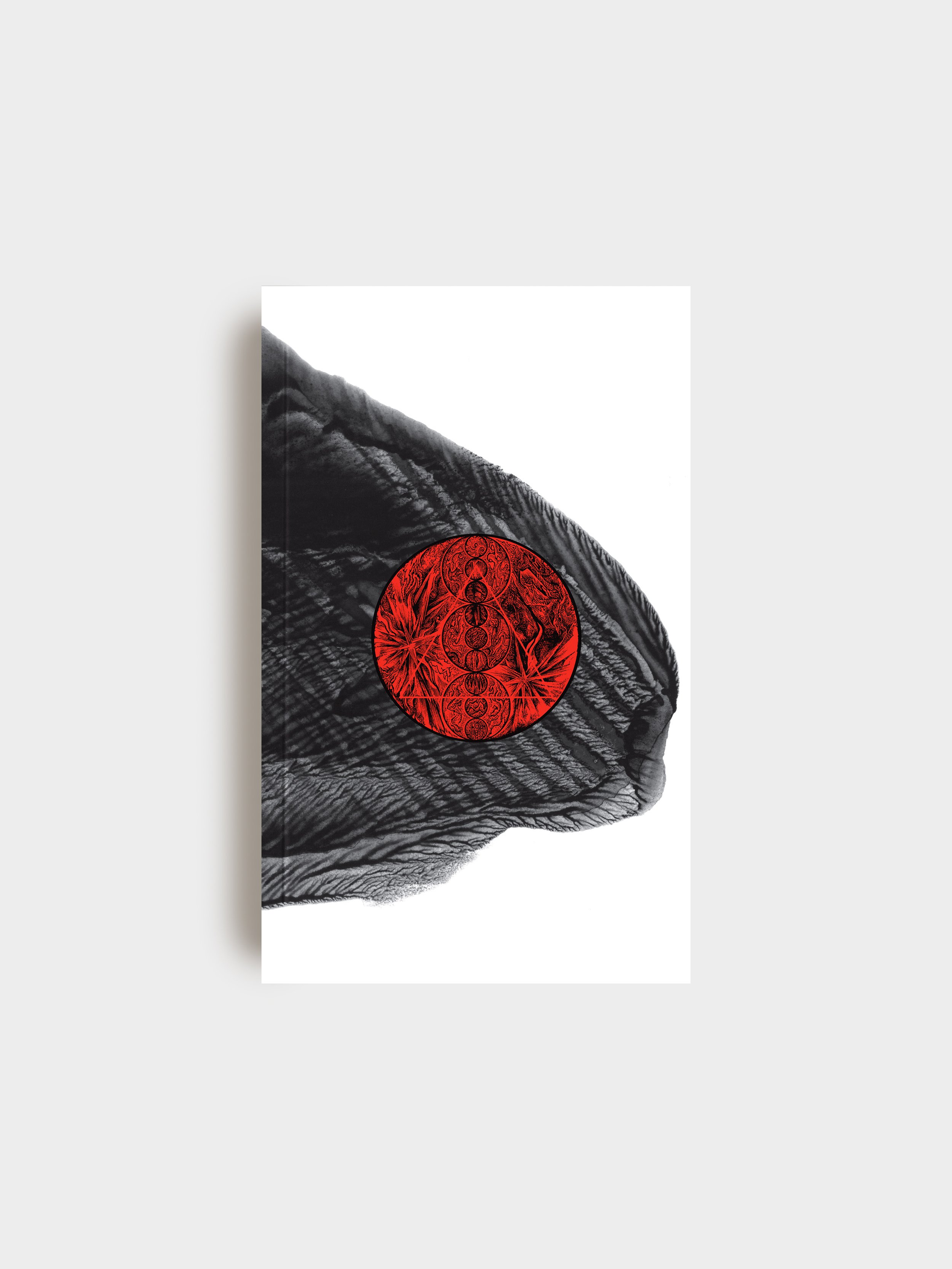
Paperback Edition (1st Printing, 2023 - approx. 750 copies): 5.25 x 8.5 inches. 176 pages. German Binding. Velvet Matte (Scuff Free) finish. Red Metallic Foil stamping on Cover, Spine, and Backcover. Thoroughly illustrated throughout by Joseph Uccello (Black & Pantone Red Illustrations), Fine typography, printed on Tango Opaque White 160M quality paper.
Celestial Intelligences: Angelology, Cabala, and Gnosis: Giovanni Pico della Mirandola’s Quest for the Perennial Philosophy
By Greg Kaminsky (Occult of Personality podcast host, author of Pronaos).
Illustration & Typeset by: Joseph Uccello (Viatorium Press, Occlith books series, etc.).
The work of Renaissance philosopher Giovanni Pico della Mirandola is both significant and interesting for a number of reasons. First, his writings provide both an approach to, and an understanding of, ancient wisdom traditions (philosophical and religious systems) and the way that we receive them in modern times. This is partly a discovery of how Western society and culture honours these traditions, but tends to be fundamentally disconnected from them in the course of daily life. Ultimately, this is a recognition that the esoteric traditions of the West are fragmentary at best, but also a realisation that these fragments are our legacy and by working with them mindfully, we may still traverse a spiritual path that leads from delusion to wisdom. Second, studying Pico and his work reveals the manner in which a fundamentally Jewish esoteric doctrine and tradition –Kabbalah – was adapted and then adopted by Christian philosophers because it was a living, extant tradition and has a monotheistic character. Third, a close reading of Pico’s works reveals new insights into the ways that angels were thought of, and even worked with, in an esoteric and mystical manner Pico is a natural focus for all of these questions because his own work and writings places him not only at the center of these investigations, but also at the center of the rebirth of the Western esoteric tradition. Pico’s 900 Theses and subsequent Apologia (from which his Oration (on the Dignity of Man) is excerpted) contain the foundation for the rediscovery of Western esotericism from the mists of time along with the public declaration that magic and the Cabala were the keys to knowing the truth of religion, the world, and oneself. Pico’s own story of this discovery and the way in which he felt compelled to share it with the world are extraordinary and dramatic, so he is a most suitable vehicle for the expression of these ideas.
Through his writings, we can understand the way in which Western esotericism had been relegated to the dustbin of history before Pico so boldly plucked it from the trash heap to exalt it as it should be. He exposed the manner in which we could see that there exist equivalences and correspondences in various traditions and schools of thought. This can be understood as a sort of syncretism, but also a way to understand that, on some level, truth can be expressed in different ways that may be more accessible to different people in different places at different times. Pico also shows us how a fully extant, living esoteric system can be adapted and appropriated if one feels righteous in doing so. It was the deficiency in Western esotericism that there was no living system as all the ancient religions were dead and gone – except for Judaism. All that was required was the Spanish Inquisition to convert some Kabbalists and then exile them to Italy where they translated for and tutored Pico. From there it was no great task to adapt the once Jewish Kabbalah to a now Christian Cabala. This conversion made all subsequent esoteric practice in the West really flourish and one could say that Pico’s adaptation of the Cabala is the act that has had more influence on Western esoteric thought and practice for the following 500 years and counting than any other.
Lastly, Pico and his philosophy engages with angels and the orders of angels in unique ways to teach a system of thought and action – contemplation really – that is designed to lead to gnosis and/or theosis. The really beautiful thing about Pico’s system is that it perfectly mirrors all great mystical systems of the world in the specific methods that it employs. One of the things I really enjoyed was exploring how Pico’s explanation of how one goes from delusion to wisdom compared with Jewish Kabbalah, but there is ample territory to explore comparisons with many esoteric paths.
![The Red Shepherd [Collector's Edition]](https://images.squarespace-cdn.com/content/v1/5aa02db3365f02ea5ee4a9ba/1693911065266-H0OU5439S3VXF8MTZ58R/The-Red-Shepeard-3.jpg)
The Red Shepherd: Towards a New Image of Dumuzid by Samuel David. Illustrations by Rowan E. Cassidy, and Joseph Uccello. Preface, by Alexander Eth(Ceremonial magician and host of the Glitch Bottle Podcast)
Collector's Hardcover Edition (Limited to approx. 1000 copies — 2023): Format: 5.25 x 8.25 inches (215.9 X 133.35 mm Portrait). 192 pages. Hardbound 100pts, Half-bound in ‘Rust’ Stone-Like Textured Material and Iridescent Weave Ivory-colored buckram bookcloth. Bronze foil blocking on rounded spine. Bronze & White foil stamping front cover. Carmine Red + Black interior, with Vermillion colored, textured Endpapers. Dark Brown Headband and Tailband. Fully Illustrated by Rowan E. Cassidy. Fine typography, design & layout by Joseph Uccello. Preface by ceremonial magician Alexander Eth, host of the Glitch Bottle podcast. Printed on Munken Pure Smooth Cream 150gsm archive-quality paper. Comes with a numbered tipped-in carton-plate signed by the Author.
Popular myth would have us believe that the god, Dumuzid, was merely an effete, helpless shepherd who aroused Inanna's wrath and amounted to little more than a footnote.
Magical formulæ, ritual texts, and obscure narratives all point to someone of greater significance. Through these, we discover a god who is second in command to Ereškigal, the goddess of the Underworld; the son of Enki and commander of chthonic spirits; king-consort and high priest; warrior and captain of the host; divine watchman at the gates of Heaven.
Through this collection of lacunæ, ritual, and magical texts derived solely from historical translations and personally applied practice, Samuel David ushers you into the presence of this bewildering god whose very name is the breath of life; the psychopomp who leads ghosts in his train; the divine mediator and lord of taboo.
¶ CONTENTS:
Preface
Introduction
¶ Lacunae Myths of the God
The Shepherd
The Son
The Bridegroom
The King
The Descent
The Ascent
¶ Liturgy of the God
He Who Stands Watch
He Who Delights His Mother, He Who Delights His City’s God
He Who Comes Forth In Radiant Splendor
He Who Stands In Eternal Joy
He Who Stands Upon the Road of Lamentation
He Who Rises Anew
¶ Rites of the God
The Sheepfold
The Horned One of the Steppe
The Hand of the Kurgarrû
The Petition to Utu for the Aid of Spirits
The Allalu Bird
The Cult Image
The Syncretic Rite to the God of Many Faces
¶ The God in Retrospect
The God
The Names & Epithets of the God
The Cult Centers & Temples of the God
The Cult Festivals of the God
References & Recommended Reading
Afterword
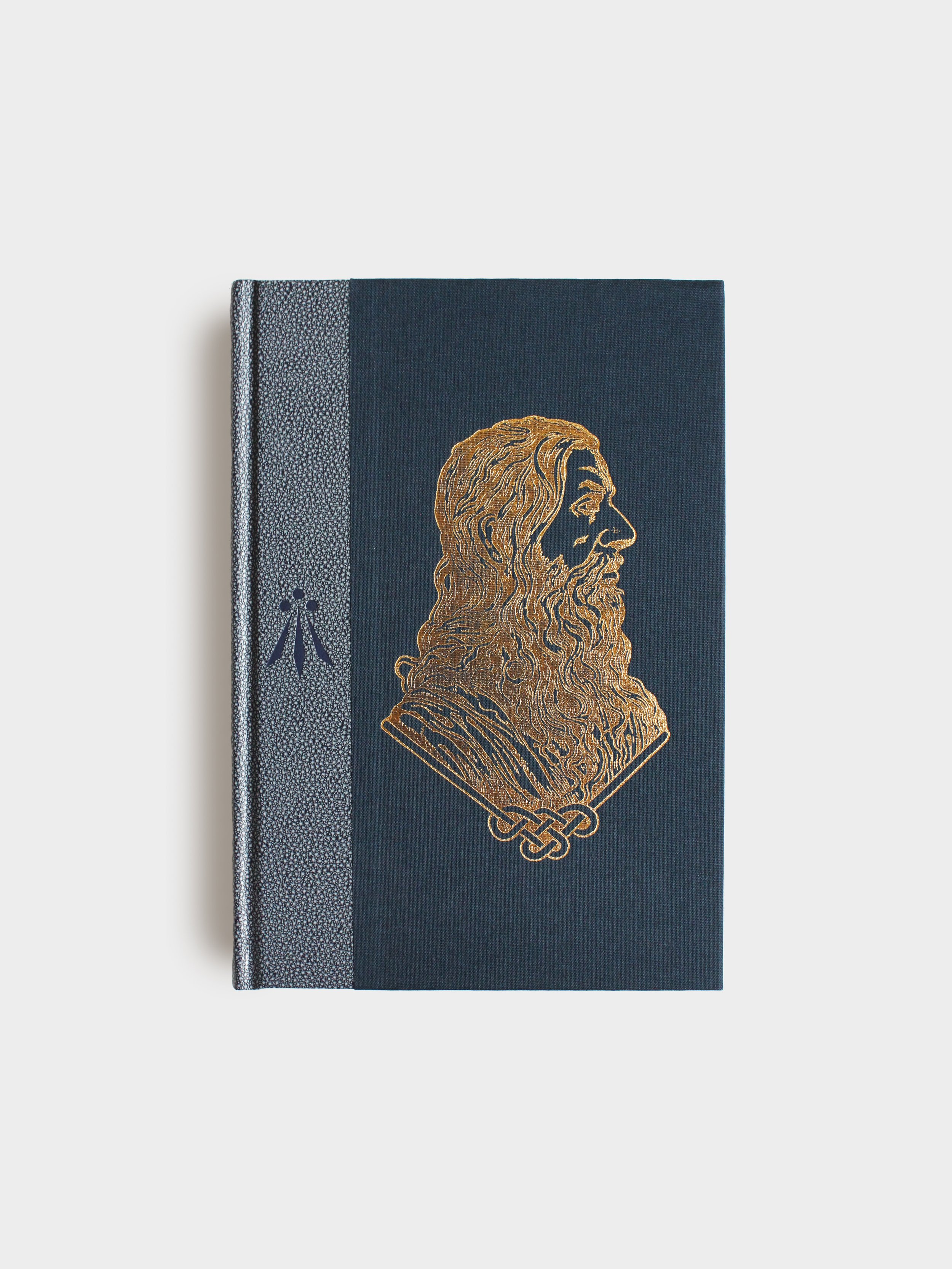
E. Graham Howe’s Secret Druidic Doctrine. By Ian C. Edwards, PhD
Collector's Hardcover Edition (Limited to approx. 1000 copies — 2023): Format: 6 x 9 inches (228.6 X 152.4 mm Portrait). 272 pages. Hardbound 100pts, Quarter-bound in Skivertex Blue Galuchat and Assuan Dark Navy Blue fine Italian bookcloth. Gold foil blocking on rounded spine bleeding onto both front and back. Blind Deboss details onto both front and back as well. B&W interior, with Constellation Jade Silk Endpapers. Gold Headbands & Gold Silk Ribbon Marker. Fully Illustrated by Philipp Müller (aka. Black Philipp). Fine typography & layout by Joseph Uccello. Printed on Munken Pure Smooth Cream 150gsm archive-quality paper. Comes with a numbered tipped-in carton-plate signed by the Author.
Paperback 6 × 9 inches. 272 pages. German Binding. Matte finish. Thoroughly illustrated, B&W Interior. ISBN: 978-1-989339-38-1
———
Imagine a man who influenced the likes of Alan Watts, was a friend of Krishnamurti, whose work was lauded by Henry Miller, and had the audacity to challenge the great psychiatrist, C.G. Jung, during one of Jung’s own seminars. Also imagine that this very same man who authored thirteen books and countless articles on the relationship between psychology, psychotherapy, philosophy, spiritual practice, and Druidry was left out of the history books, and pushed to the margins of obscurity. Who was this man? This man was the early 20th-century British psychologist and Druid, E. Graham Howe.
Howe was a master psychologist but even more so a Druid, whom he described as being, “masters of the art of living.” He was a Druid in psychologist’s clothing, a psychologist who used psychology and psychotherapy to convey his secret Druidic doctrine. Like C.G. Jung’s Gnostically influenced Liber Novus (The Red Book), which was the secret foundation for all of his psychological writings, Howe’s Druidry was the secret foundation for his own writings. Howe’s Druidry had one primary aim, which was to heal psychological suffering. Whether he was referencing psychology, philosophy, or spirituality, Howe pointed to the art of healing in them all.
E. Graham Howe was one of the first psychologists to integrate spiritual practice with psychotherapy. Because he did so during a time when psychoanalysis was being established as a dogma, Howe was marginalized and even anathematized by the various psychoanalytic schools. This book will situate Howe within the history of psychoanalysis, showing his work in relation to Sigmund Freud, C.G. Jung, and Alfred Adler just to name a few. It will also provide a summary and reading of his metaphysical psychology, illustrating his views on depression, love, time, war, self-knowledge, psychotherapy as a way of being, and more. The book will also present some Druidic foundations of Howe’ psychology, in the spirit of the 18th – 19th century Welsh poet, Iolo Morganwg, whose own Druidry, like Howe’s, was inspired, emphasizing more of the Druidic soul rather than blind allegiance to any tradition or belief system.
Included in this book are forewords by author and Druid, John Michael Greer, and Jungian analyst and author, Stanton Marlan.
¶ CONTENTS: Foreword I, by John Michael Greer / Foreword II, by Stanton Marlan, PhD, ABPP. / PART I: INTRODUCTION - Chapter 1 Can You Tell a Druid by his Clothing? / PART II: HOWE’S PLACE IN THE HISTORY OF PSYCHOANALYSIS - Chapter 2 How(e ) Should I Compare Thee? / Chapter 3 The Unwilling Expression of Unwillingness / Chapter 4 On the Heights of Inferiority / Chapter 5 The Infinite and Everchanging Varieties of Love / Chapter 6 The Multi-Dimensional Self / PART III: THE ESSENCE OF HOWE’S PSYCHOLOGY - Chapter 7 Relationship as Self-Knowledge / Chapter 8 Howe’s Metaphysical Psychology / Chapter 9 Is There a Fourth Dimension? / Chapter 10 War Dance / Chapter 11 Psychotherapy as a Way of Being / Chapter 12 Howe’s Via Positiva / PART IV: DRUIDIC FOUNDATIONS OF HOWE’S PSYCHOLOGY - Chapter 13 Einigen the Giant / Chapter 14 An Ontology of Awen / Chapter 15 A Druidic Elemental Psychology / Chapter 16 Living the Three Circles of Manifestation / PART V: CONCLUSION - Chapter 17 A Healer for the 21st Century / PART VI: APPENDICES - Appendix I Three Versions of the Druid’s Prayer / Appendix II Howe’s Method of Meditation / Appendix III Walking Under the Dolmen Arch / Bibliography.
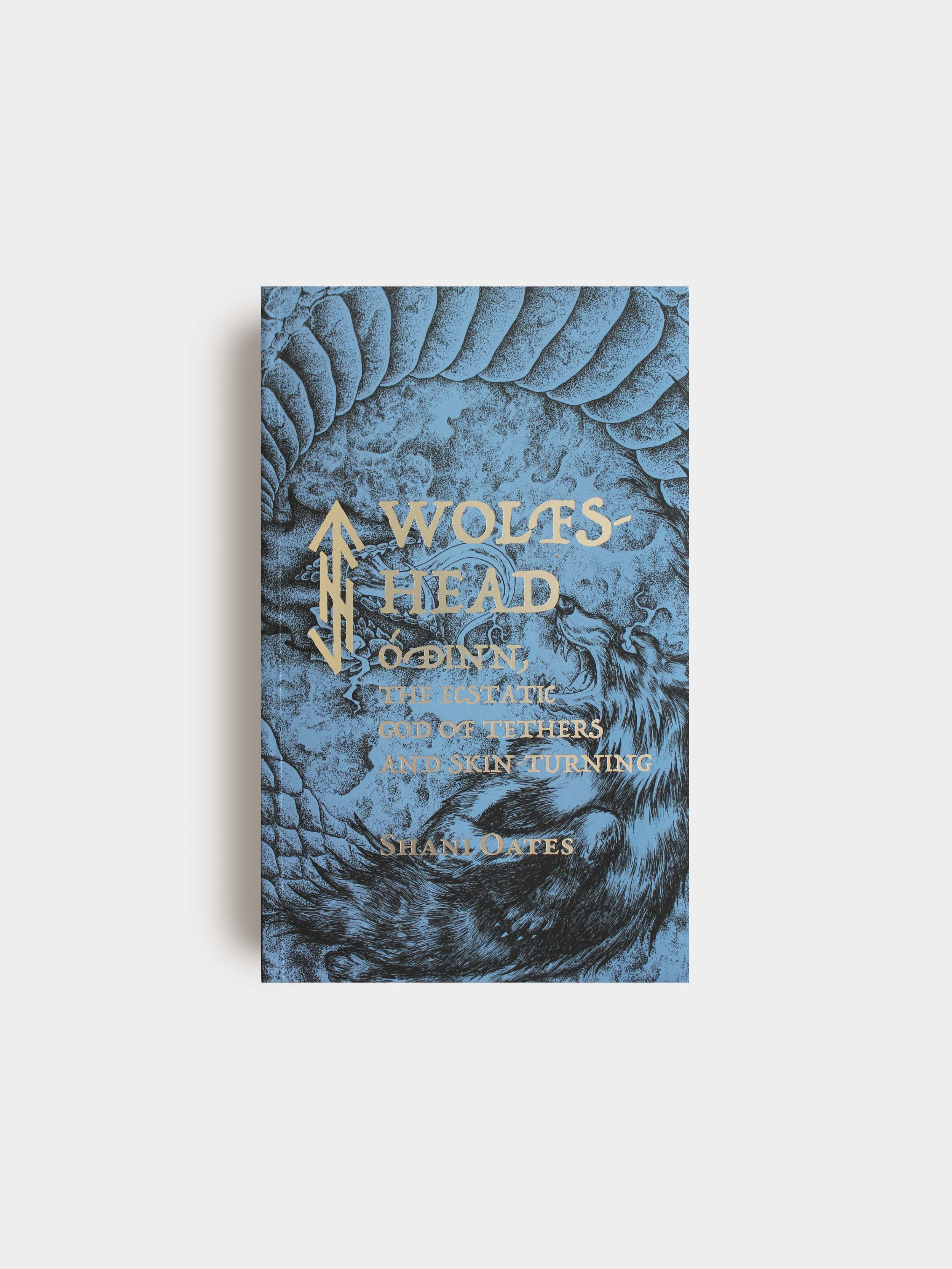
OCTAVO Paperback Edition (1st Printing, 2023 - ltd. 750 copies): 5.25 x 8.5 inches. 240 pages. German Binding. Velvet Matte (Scuff Free) finish. Silver Foil stamping on Cover and Backcover. Thoroughly illustrated throughout by BFR Art, Fine typography, printed on Tango Opaque White 140M quality paper.
Wolfs-Head: Óðinn, The Ecstatic God of Tethers and Skin-Turning.
Volume II of the 'Óðinn Trilogy' within the Northern Otherworld Series.
By Shani Oates
“As a transpersonal state, berserkergangr has attracted a host of theories that attempt to explain or rationalise it as a drug-induced frenzy, or insanity. Too few studies are open to the possibility of an enhanced state of spiritual intoxication, of ‘god possession.’ Being an ecstatic madness, that dedication to an extreme warrior code is more akin to the mysterious disciplines of the east that demand, privation, ordeal and self-sacrifice. It is the path of the zealot, the hero and the priest combined.”
Óðinn’s identity as the Ecstatic God of the Tethers of Law and Death, is least recognised through his Skin-Turning and Shape-shifting techniques as gifts of the highest craft he imparts to a shamanic warrior elite. Those themes are explored in this volume, alighting upon a wide range of magics and histories identified within the Óðinnic cultus. Medieval source materials yield a wealth of information relating to Totemism; Ritual Guising; the Berserkir and Úlfhéðnar as Óðinn’s True Wolf Warriors; Motifs of Magical Beasts in Battle; the Wælceasega as Carrion Host; the Law and Covenants relating to Wǽr-loga; Outlawry; She-Wulves; The Red Thread of Wyrd, Warding and Binding the Dead, Varðlo(k)kur - the call to spirit; Dragons, the Wyrm, and finally, to the malefic sorcery of the Dog Heads of War, The Zmei, The Roggenwolf and the Bukka, whose presence in the wheat, rye and barley knots of the blessed harvest grains, all wend a path through to the real St George, to Green George.
Enchanted thread, girdles, withies and staves, seiðr and the völur are woven through the time-honoured mysteries shared by Beowulf, Grendel and his brimwylf (‘sea-wolf’) mother. Nordic culture drew inspiration and influence from the magical and martial disciplines of the Sámi, Slavic, north-European and Eurasian peoples. Invoking the divine ecstasy of creation, Shamen priests and warriors, stand ‘outside’ time. Óðinn’s antinomian challenges generated considerable friction within societal ‘law.’ The dehumanisation of the skóggarmaðr (wild men of the forest) outlawed for following his rule, rendered them indistinct from the forest-wolf’s status, and were perceived as equal quarry. Transpersonal experiences shaped their realities, relating to identification through a clan totem, namely the wolf, and later the dragon, wyrm and raven, not merely as wild beasts of battle, but of ancestry, mind, of wit and wisdom. Couched in ambiguities, the role of the Valkyrjur, the ‘handmaidens of Óðinn is re-evaluated, leading to a new conclusion for their association with (battle) carnage and the ‘Cult of the Dead.’
North American Customers are invited to order Directly from Anathema Publishing: https://www.anathemapublishing.com/purchase
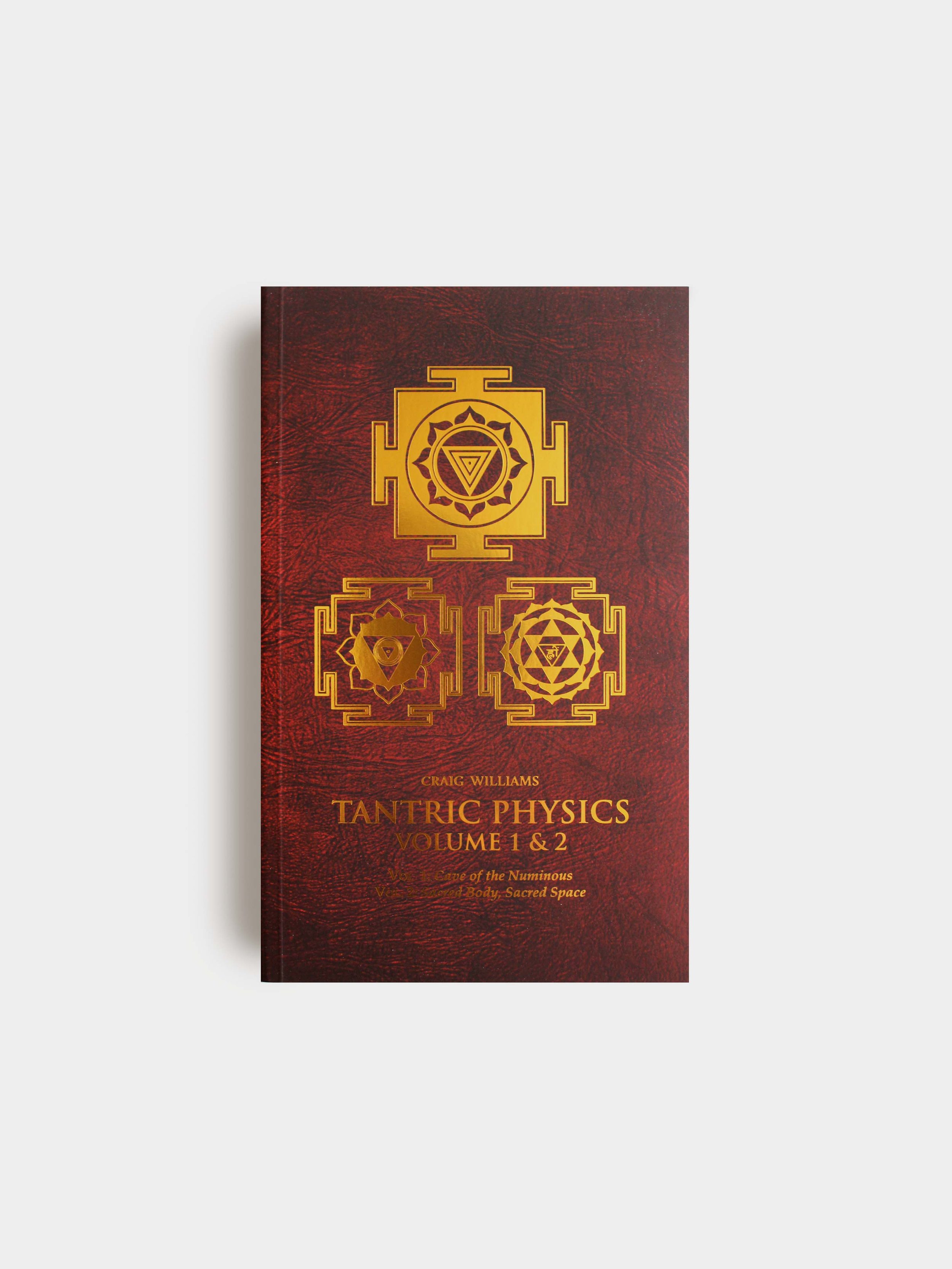
Tantric Physics Vol. 1: Cave of the Numinous
Tantric Physics Vol. 2: Sacred Body, Sacred Space
by Craig Williams (In One Volume)
Artworks by: Visionis Phosphorescent, and Jayant Silva Calligraphy.
¶ OCTAVO Paperback Edition (1st Printing, 2022): 5.25 x 8.5 inches. 240 pages. German Binding. Velvet Matte (Scuff Free) finish. Gold Foil stamping on Cover and Backcover. Thoroughly illustrated throughout by Visionis Phosphorescent, as well as featuring calligraphy by Jayant Silva (B&W and Colour Illustrations), Fine typography, printed on Tango Opaque White 140M quality paper.
“We worship the Three-eyed Lord who is fragrant and who nourishes all beings.”
“As the ripened cucumber is freed from its bondage to the creeper, may He liberate us from Death for the sake of Immortality.”
Deep within the mysterious caves of the Himalayas, saturated by the cosmic radiations of the sacred Mount Kailas and Lake Manasarovar, manifests a radically unique current of Esoteric Hinduism: A Tantric Physics. First explored in Tantric Physics Vol. I: Cave of the Numinous, the new release from Anathema Publishing, Tantric Physics II: Sacred Body, Sacred Space continues to express the haunting inner realizations of initiatic perceptions. Embracing both the Right-Hand and Left-Hand Paths, the text reveals a unique vision of a Tantric Physics utilizing all branches of Vaidika sciences: Yoga, Ayurveda, Jyotish, Vedanta, and Tantra.
Far from a dry academic text, Tantric Physics II: Sacred Body, Sacred Space reveals an intensely personal initiatic vision of the human body, Shivaite and Vaishnava gnostic streams, and the mysterious path of the Aghori leading unto the Womb of the Dark Goddess in all Her intoxicating manifestations.
Included within the upcoming publication is the reprint of the long sold-out Tantric Physics I: Cave of the Numinous, which presents critical preparatory materials for the shadowy pathways in the smashan of Tantric Physics.
“I will meet you in the smashan under the waning moon, the smell of burning flesh reminds us of MahaMaya, did they hear Your voice at Golgotha?
“We welcome the demons who consume our samskaras, clearing the path to your Embrace, Sri Gopisvara Mahadeva…” ~Sri Gopisvara Mahadeva-Gita
Tantric Physics Vol. 1 & 2
Preface, by Mark Stavish
Foreword, by Craig Williams
Tantric Physics Vol. I: Cave of the Numinous
Introduction: Tantric Physics
Esoteric Hinduism
The Royal Pathway: Tantra Vidya
Part I: Gateway to the Dark Goddess: The Guru and the Vama Marga
The Sanctuary of Faith
Mysterious Environment: The Alembic of the Gurukula
The Sacred Mystery of Guru Yoga
Cave of the Hridaya Ritual
Part II: Approaching the Nightside: Provisions for the Left-Hand Path
The Fire-Born Body
Inconceivable Transformation
Pratyahara Ritual
Saturn Ritual
Tantric Physics Vol. II: Sacred Body, Sacred Space
Introduction
Vedic Emanations
The Cult of Shiva: Aghor Gnosis
The Cult of the Dark Lord: Erotic Intoxication
Priests of the Flame
Ayurvedic Alchemy: Madhu Vidya
Voice of the Dark Goddess
Gopisvara Mahadeva Gita

Paperback Edition:
5.25 x 8.5 inches. 176 pages. German Binding. Velvet Matte (Scuff Free) & UV Selective Gloss finish on Cover. Thoroughly illustrated throughout by David S. Herrerías, Fine typography, printed on Rolland Opaque Natural 140M quality paper.
2018 reissue of the 2017 Hardcover Edition (now Sold-Out), revamped & re-edited.
Entering the Desert
by Craig Williams
The landscape of the Soul is a feral hunting ground of shadows and light, each morphing into translucent bodies of nourishment or destruction, depending upon the topographic Vision of the desert dweller. Entering the Desert explores the Terra Incognito of the Soul and reveals a primordial vision of a Pagan Sacramental Gnosticism of alchemical nature which if understood can open up the doorways to the Inner Sanctuary of Sacramental Vision.
“The idea of the mirage applies not only to the individual in the desert milieu of the Soul, but also to the environment in which the individual is born and nurtured: the world. From an esoteric perspective, we can view the entire world as a mirage, a meta-illusion created by the collected individual mirages of the walking dead; a collective perceptual agreement nourished by the emotion of fear and ego-fueled solipsism.” ~Craig Williams
Entering the Desert presents a sobering and inspiring journey into the mysterious landscape of the Soul. Gnostic Bishop Craig Williams (Tau Lazarus) outlines an esoteric infrastructure of Pagan Sacramental Gnosticism which can be applied to any sincere path oriented towards spiritual realization. Through the use of evocative word, inspired poetry, magical grimoire, and empowering ritual, Entering the Desert is both terrifying and inspiring. This text provides the spiritual seeker with important tools to illuminate the pathway unto the Soul, and holds the potential to awaken ancient primordial memories hidden within the flesh, blood, and mind of the reader.
“The occult subculture with its superficial and trite syncretism is a symptom of our Age and an offence to Tradition and true gnosis. However, not all is detritus, and authentic syncretism has, despite all this, a long and venerable history that can be traced back to Antiquity and, as the current book is testament to, it continues to make its presence known in the world today.” ~Richard Rudgley
CONTENTS:
Preface: Toward the Desert, by Richard Rudgley / New Introduction: Uncharted Esoteric Topography, by Craig Williams / Part I: Valley of Dry Bones / Chapter 0: Introduction / Chapter 1: The Mirage / Chapter 2: The Cell / Part II: Earthen Vessels / Chapter 3: The Inner Sanctuary / Chapter 4: The Wilderness / Chapter 5: The Desert Grimoire / Index.
VISUAL PIECES BY:
David S. Herrerías
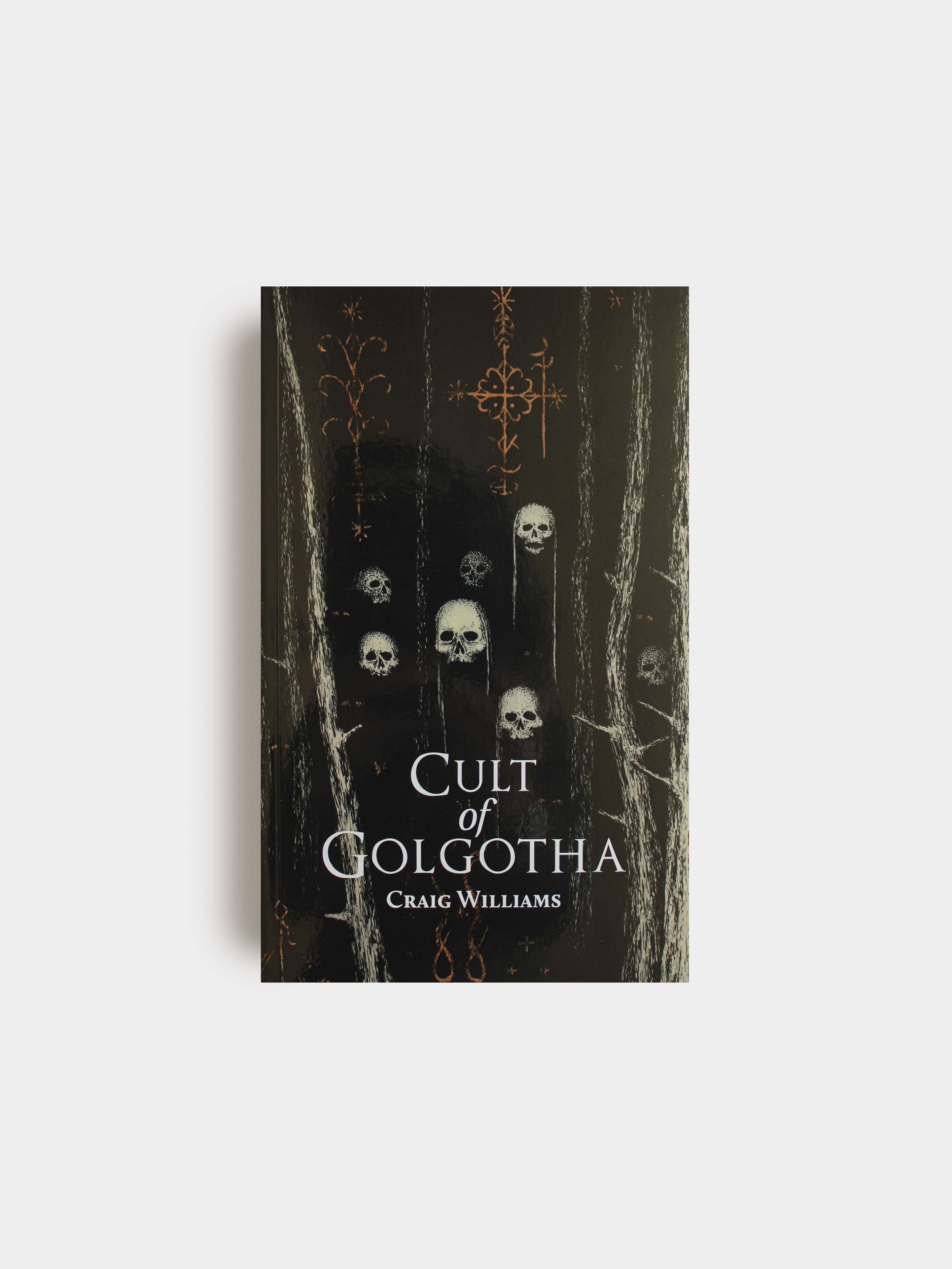
By Craig Williams (Tau Lazarus)
OCTAVO Paperback Edition (1st Printing, 2021): 5.25 x 8.5 inches. 212 pages. German Binding. Gloss (Scuff Free) finish. Thoroughly illustrated throughout by Murk Jelena (B&W and Colour Illustrations), Fine typography, printed on Rolland Opaque Natural 140M quality paper.
• Introduction by Leilah Wendell
• Foreword by Agostino Taumaturgo
• Epilogue by David Metcalfe
• Illustrations by Murk Jelena
Cult of Golgotha presents a mysterious and strange glimpse into a creative occult current of revealed gnostic expression: the alchemical cross-pollination of Tantric Physics and Esoteric Voudon. Gnostic Bishop Craig Williams reveals a systematic vista of quantum exploration within the Womb of the Dark Goddess and Her web-like reach into the elemental world of gnostic Voudon.
This text reveals the insidious Archonic Systems of Control which endangers the psyche and spirit of contemporary consciousness severing the individual from the chaotic and daemonic world of the Soul. Cult of Golgotha reveals a gnostic Imaginarium wherein the words of science and the imagination co-exist in alchemical symbiosis stimulating the reawakening of the Fire of the Soul. This text expresses glimpses of a unique vision for escaping the Archonic forces impinging upon the mind-body of contemporary mankind and the vital role that the Awakened Dead play in the liberation of human consciousness from Ahrimanic manipulation.
The initiate of Golgotha is a Meta-Physician of the Imaginal, a Tantric Physicist who transforms the mind-body into an atmosphere of the Ambient Dead. Drawing upon decades of initiatic work within Tantric Physics, esoteric medical sciences, and Esoteric Voudon, Cult of Golgotha is the path of the Strange Attractor and the Zandoric Mysteries, a Meta-Physics, a Forbidden Singularity...
“Docteur Williams, your work reflects the nature of Quantum reality. And perhaps hints at how the Zandorist can use occult forces to grow spiritually and shows how you are scientifically and spiritually exploring the Vodou Science.
“You must continue your work of the Zandorist, you must continue to push the boundaries of the Bio-field frequencies and establish the Elijah-Elisha connection. The Cult of Golgotha must become a Strange Attractor, a Vortex of Singularity!”
~Dr. Reginald Crosley
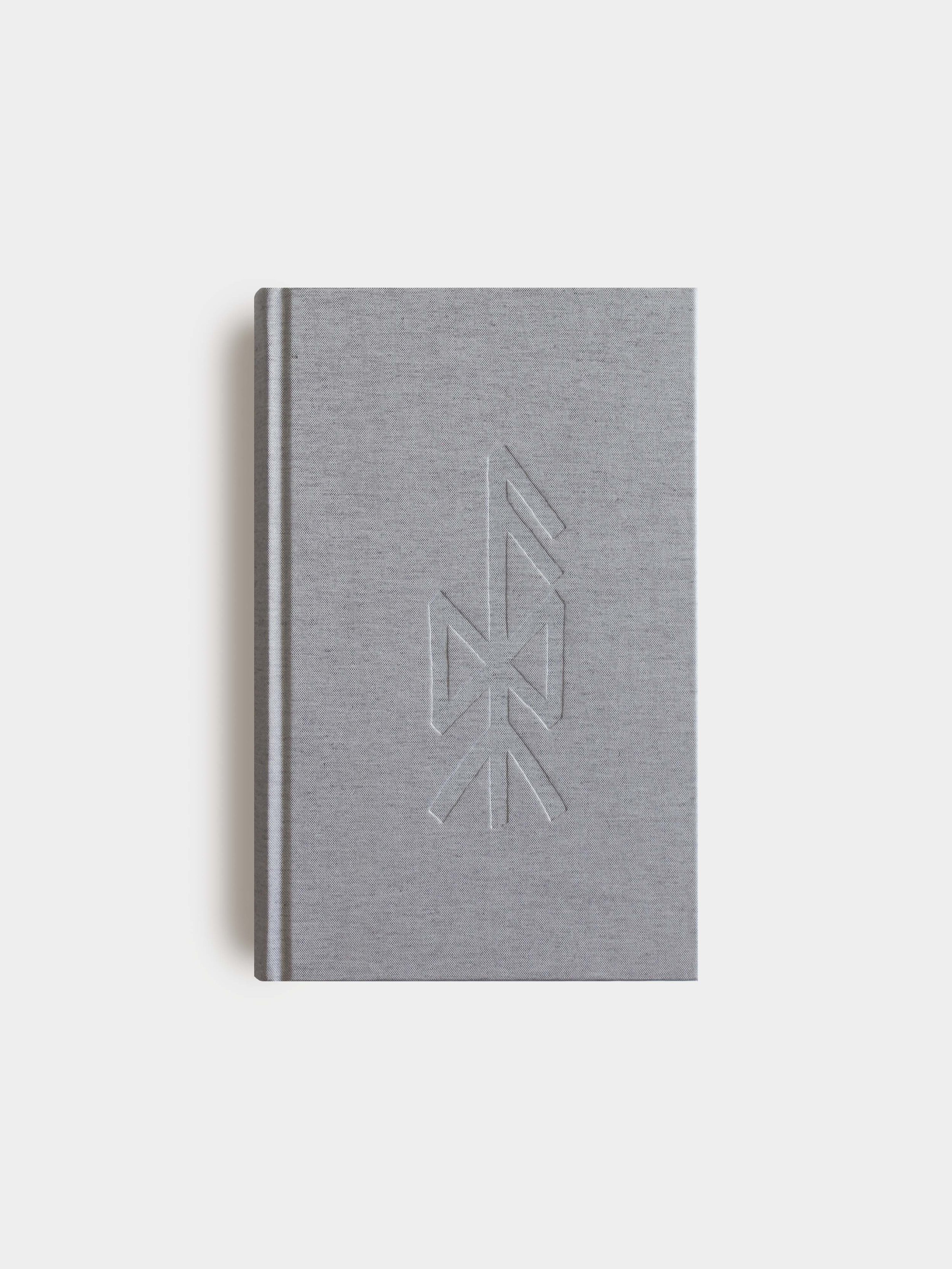
Standard Edition (Limited to approx. 700 copies — 2022): (Thick Book) 5.25 x 8.5 inches. 448 pages. Hardbound 100pts, bound in Colibri "Dolphin" fine Italian book-cloth. Gold foil blocking on rounded spine and Blind Emboss bindrune on the cover. B&W interior, with "Mid-Green" with Coltskin embossing Endpapers. Green & White Headbands. Fully Illustrated. Fine typography, printed on Munken Pure Smooth Cream 150gsm archive-quality paper.
The Search for Óðinn: From Pontic Steppe to Sutton Hoo
(Volume III of the Óðinn Trilogy within the Northern Otherworld Series)
by Shani Oates
Óðinn has been scandalised and deified in equal measure by medieval churchmen, demonising pre-Christian beliefs, and more recently by the romantic idealists and nationalists of the 20th Century, who glamorised them, to the extent that the genuine historical persona of this popular figure is saturated in complex, confusing mythology. Poetic kennings and riddles tease out our deductive processes, pushing beyond rational, logistic exploration to evoke our apprehension of the Other.
Yet the key to Óðinn’s real identity resides in the culture of the Scandinavian and Germanic peoples whose principle values, morals and ethics that maintained the health, welfare and well-being of the community, were in the gift of divinised spirits, ancestral and of the land or hearth. Óðinn, was never thus a ‘god’ of the people; conversely, he represented only the well-being of the lid or fyrd, a primary function for warriors as an elite cult. How that cult emerged, and from what sources and influences, is the quest this book seeks to fulfil.
Because those ideas and beliefs of the past were and are frequently altered to suit the needs of the present in which they are recorded and implemented, we must opt for genuine context rather than hyperbole. Spanning the Romanised Cults of Mercury and the Matrones and Slavic animisms, my research pushes past conventional boundaries into the totemic practises of Eurasian peoples while remaining faithfully aligned to stringent archaeological and anthropological discoveries.
These pages are nonetheless composed with passion, drama, heroism, romance and pathos.
We have so much to learn from distant, hidden voices whose words convey the values that relate to a different time, and of thoughts sculpted from the minds and skills of artisans and craftsmen whose incredible artefacts have much to teach us about tradition, ancestry, belief, sorcery and faith. Molded by politics and far-reaching world-turning events centred in trade and faith, Óðinn’s presence emerges from a surprising source that many will find challenging to the popular, but wholly false persona so familiar to us.
From Asia to east Anglia, the search for Óðinn is herewith concluded.
~Shani Oates, 2022.
CONTENTS: Foreword / Introduction: Óðinn: Unmasking Accrued Errors of Cultic Assimilation / Artefacts: The Archaeology of Belief / The Rise of Kings / The Age of Conversions / Signa and Cult / Conclusion: Pontic Steppe to Sutton Hoo – Óðinn / Afterword / Appendix: Óðinn Etymology / Bibliography.
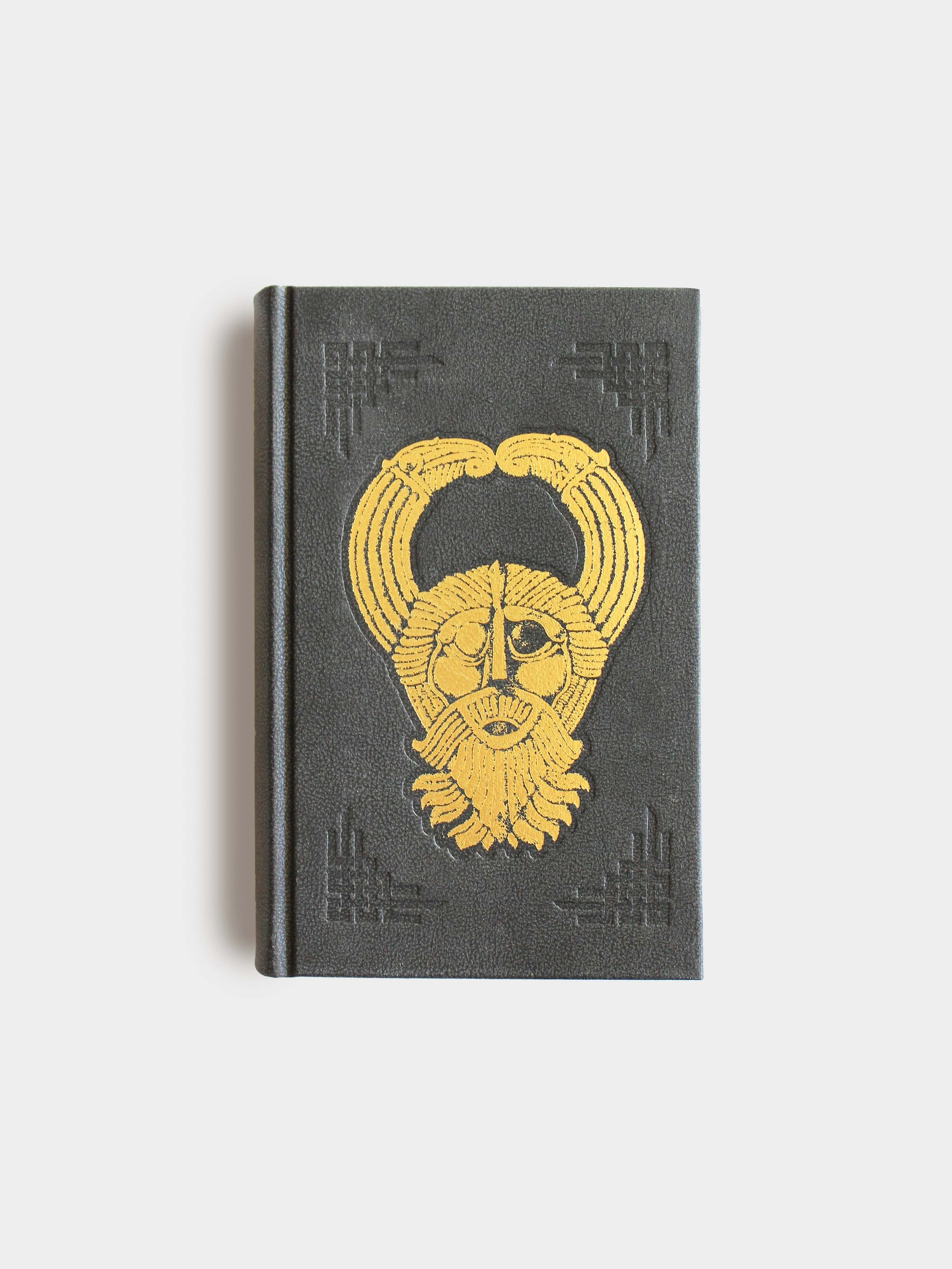
Collector's Edition (Limited to approx. 400 copies — 2022): (Thick Book) 5.25 x 8.5 inches. 448 pages. Hardbound 100pts, bound in Wintan Vintage Granite-colored Bonded leather. Gold foil blocking on rounded spine and Blind Deboss + Gold foil on the cover as well. B&W interior, with "Mid-Green" with Coltskin embossing Endpapers. Green & White Headbands. Fully Illustrated. Fine typography, printed on Munken Pure Smooth Cream 150gsm archive-quality paper. Comes with a carton-plate insert glued on the interior, individually hand-numbered, and signed by the author Shani Oates.
The Search for Óðinn: From Pontic Steppe to Sutton Hoo
(Volume III of the Óðinn Trilogy within the Northern Otherworld Series)
by Shani Oates
Óðinn has been scandalised and deified in equal measure by medieval churchmen, demonising pre-Christian beliefs, and more recently by the romantic idealists and nationalists of the 20th Century, who glamorised them, to the extent that the genuine historical persona of this popular figure is saturated in complex, confusing mythology. Poetic kennings and riddles tease out our deductive processes, pushing beyond rational, logistic exploration to evoke our apprehension of the Other.
Yet the key to Óðinn’s real identity resides in the culture of the Scandinavian and Germanic peoples whose principle values, morals and ethics that maintained the health, welfare and well-being of the community, were in the gift of divinised spirits, ancestral and of the land or hearth. Óðinn, was never thus a ‘god’ of the people; conversely, he represented only the well-being of the lid or fyrd, a primary function for warriors as an elite cult. How that cult emerged, and from what sources and influences, is the quest this book seeks to fulfil.
Because those ideas and beliefs of the past were and are frequently altered to suit the needs of the present in which they are recorded and implemented, we must opt for genuine context rather than hyperbole. Spanning the Romanised Cults of Mercury and the Matrones and Slavic animisms, my research pushes past conventional boundaries into the totemic practises of Eurasian peoples while remaining faithfully aligned to stringent archaeological and anthropological discoveries.
These pages are nonetheless composed with passion, drama, heroism, romance and pathos.
We have so much to learn from distant, hidden voices whose words convey the values that relate to a different time, and of thoughts sculpted from the minds and skills of artisans and craftsmen whose incredible artefacts have much to teach us about tradition, ancestry, belief, sorcery and faith. Molded by politics and far-reaching world-turning events centred in trade and faith, Óðinn’s presence emerges from a surprising source that many will find challenging to the popular, but wholly false persona so familiar to us.
From Asia to east Anglia, the search for Óðinn is herewith concluded.
~Shani Oates, 2022.
CONTENTS: Foreword / Introduction: Óðinn: Unmasking Accrued Errors of Cultic Assimilation / Artefacts: The Archaeology of Belief / The Rise of Kings / The Age of Conversions / Signa and Cult / Conclusion: Pontic Steppe to Sutton Hoo – Óðinn / Afterword / Appendix: Óðinn Etymology / Bibliography.
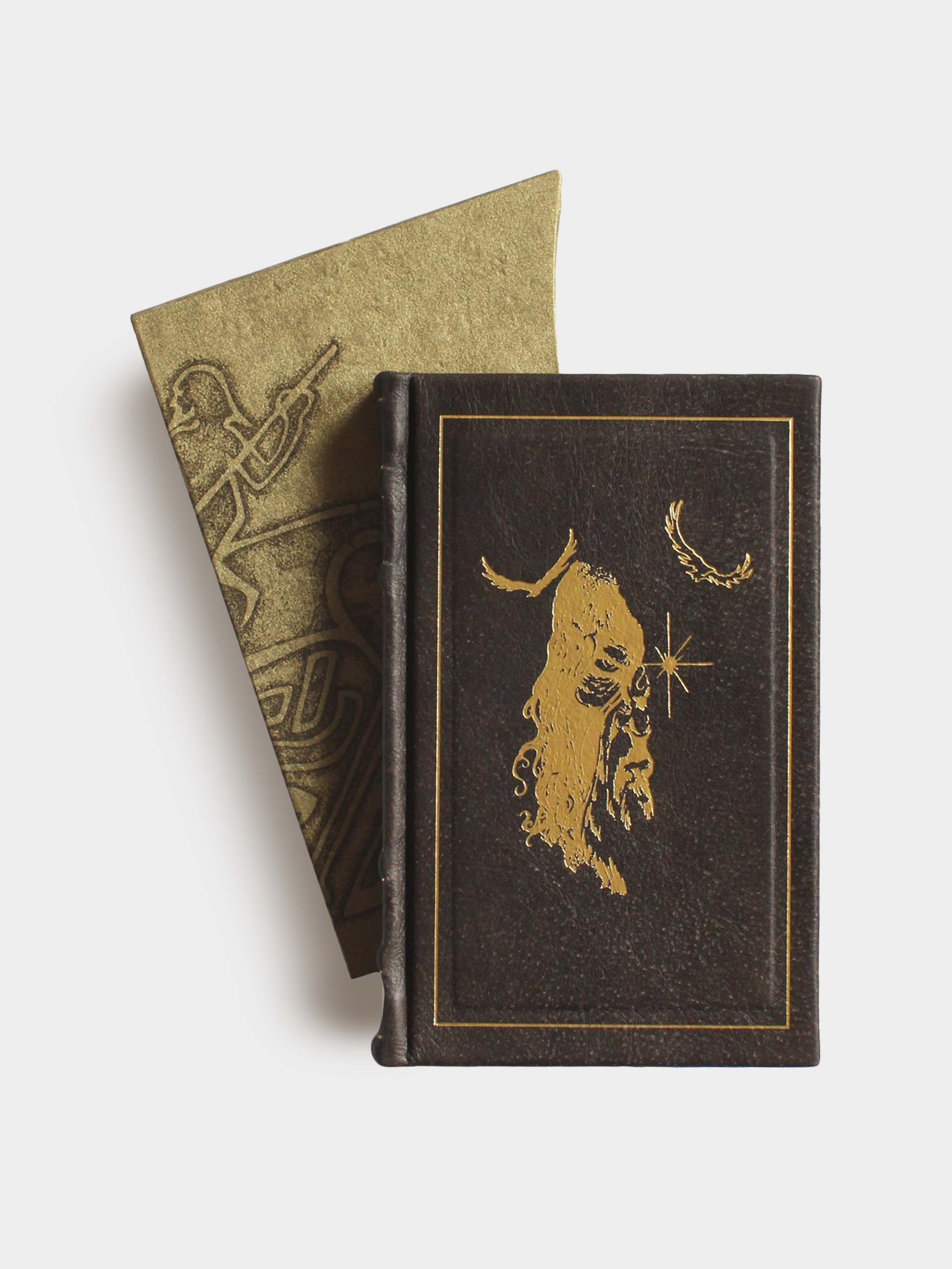
The Hanged God Artisanal Edition / 18K Gold-Painted Page Edges.
(Strictly Limited to 39 copies in TOTAL [includes both versions of the book; with the 18K Gold Painted Edges AND the 24K Gold Leaf Edges] — 2022).
5.25 x 8.5 inches. 240 pages. Hardbound 90pts, Bound in 'Stagecoach Bark' Genuine Leather. Gold Foil blocking on cover and on rounded spine + Blind Embossing on the back-cover. Raised bands on spine. Bronze-colored Satin Ribbon, as well as, silver & black cotton head & tail bands.
Handmade Marbled Endpapers by renowned paper marbler Robert Wu. Fully Illustrated. Fine typography, printed on Husky Opaque Offset 160M archive-quality paper. Glued, hand-numbered bookplate, signed by the author inside.
Comes with a Slipcase wrapped in handmade Nepal paper (Gold color) made from the fibers of Lokta (a native Nepali plant, also called the Daphne Shrub or Lokta Bush). This paper is unique in its texture and is acid-free. Features a huge wrap-around flat-bed printed motif of Óðinn riding on his eight-legged horse Sleipnir (a custom rendition of the Tjängvide image stone depiction of Sleipnir).
——————
The Hanged God: Óðinn Grímnir by Shani Oates
Challenging former atrophied or outdated knowledge regarding Óðinn’s acquisition of the runes and the mead of poetry, this extensive and intense study revisits Hávamál, Vǫluspá, Skáldskaparmál, Grímnismál, Heimskringla and Ynglinga Sagas specifically, to unravel and reconnect crucial factors that collectively reveal a magical formula for rebirth and resurrection. These kennings have preserved the threads of mysteries pertaining to Rúnar entrenched in Taboo. Óðinn’s quest of discovery takes him through three historically attested trials as Rites of Passage that find parallel forms in other animistic traditions. His ordeals of Mound, Tree and Sacral Kingship together with an articulation of the role of Hamingja are hitherto connected.
Using a multi-disciplinary approach that includes forensic and ethno-anthropology, mythology, archaeology, folklore and etymology, previous speculations regarding Óðinn’s associations with sacrifice, penal codes and shamanism are shown to be flawed. Instead, for the first time, personal experience is combined with intensive research that provide plausible solutions to age-old puzzles, solving anomalies surrounding Scandinavian lore. A clear Cultus is revealed of a hidden elite totally focused on surviving Ragnarǫk via the application of arcane magics. New insights present the real location of Valhǫll, and explain Óðinn’s ancestral relationship with wolves.
Sacred cows are culled in a controversial re-interpretation of Yggdrasil, Sleipnir and Mímir based entirely within information drafted from obscure or overlooked texts. Original extracts interject the text, adding substantial weight that fully support the conclusion offered. Songs and charms, giants and dwarves, cauldrons and manna, totemic beasts, burial customs, fear of the dead, their propitiation and the dead that walk, slaying, sacrifice and tribal mothers feature in this expedition into the past to discover real identities for its key players, and real purpose in their deeds. By sorcerous enchantments, Óðinn traversed a magical pathway to ‘overcome Fate,’ his mastery of runic sorcery and necromancy is finally given cause.
¶ CONTENTS: Introduction / The Hávamál Cultus / Gold Mead: Elixir of Forbidden Enchantments / Of Mounds and the Dead that Walk / Yggdrassill: Dread Steed of the Damned / Riding the Gallows: Sorcerous Covenants / Appendices / Bibliography.

The Hanged God: Óðinn Grímnir By Shani Oates
Standard Edition (Limited to approx. 700 copies — 2022): 5.25 x 8.5 inches. 192 pages. Hardbound 100pts, bound in Dark Brown Setalux fine Italian bookcloth. Gold foil blocking on rounded spine and Blind Deboss Bind-Rune on the cover. 1 Full-Color Frontispiece. B&W interior, with "Oatmeal-coloured" with Ultra Reverse pattern embossing Endpapers. Black & Yellow Headbands. Fully Illustrated & Typeset by Blood Fire Ritual Art. Fine typography, printed on Husky Opaque Offset Smooth 160M archive-quality paper. Hand-numbered.
Challenging former atrophied or outdated knowledge regarding Óðinn’s acquisition of the runes and the mead of poetry, this extensive and intense study revisits Hávamál, Vǫluspá, Skáldskaparmál, Grímnismál, Heimskringla and Ynglinga Sagas specifically, to unravel and reconnect crucial factors that collectively reveal a magical formula for rebirth and resurrection. These kennings have preserved the threads of mysteries pertaining to Rúnar entrenched in Taboo. Óðinn’s quest of discovery takes him through three historically attested trials as Rites of Passage that find parallel forms in other animistic traditions. His ordeals of Mound, Tree and Sacral Kingship together with an articulation of the role of Hamingja are hitherto connected. Using a multi-disciplinary approach that includes forensic and ethno-anthropology, mythology, archaeology, folklore and etymology, previous speculations regarding Óðinn’s associations with sacrifice, penal codes and shamanism are shown to be flawed. Instead, for the first time, personal experience is combined with intensive research that provide plausible solutions to age-old puzzles, solving anomalies surrounding Scandinavian lore. A clear Cultus is revealed of a hidden elite totally focused on surviving Ragnarǫk via the application of arcane magics. New insights present the real location of Valhǫll, and explain Óðinn’s ancestral relationship with wolves. Sacred cows are culled in a controversial re-interpretation of Yggdrasil, Sleipnir and Mímir based entirely within information drafted from obscure or overlooked texts. Original extracts interject the text, adding substantial weight that fully support the conclusion offered. Songs and charms, giants and dwarves, cauldrons and manna, totemic beasts, burial customs, fear of the dead, their propitiation and the dead that walk, slaying, sacrifice and tribal mothers feature in this expedition into the past to discover real identities for its key players, and real purpose in their deeds. By sorcerous enchantments, Óðinn traversed a magical pathway to ‘overcome Fate,’ his mastery of runic sorcery and necromancy is finally given cause.
CONTENTS: Introduction / The Hávamál Cultus / Gold Mead: Elixir of Forbidden Enchantments / Of Mounds and the Dead that Walk / Yggdrassill: Dread Steed of the Damned / Riding the Gallows: Sorcerous Covenants / Appendices / Bibliography.
![The Hanged God [Collector's Edition]](https://images.squarespace-cdn.com/content/v1/5aa02db3365f02ea5ee4a9ba/1686829205755-1MCSN2Q0HGX6LO9210EY/Hanged-God-collector-edition+2.jpg)
The Hanged God: Óðinn Grímnir By Shani Oates
Collector's Edition (Limited to approx. 400 copies — 2022): 5.25 x 8.5 inches. 192 pages. Hardbound 100pts, bound in Mottled Brown Silktouch Nuba faux leather. Gold foil blocking on rounded spine and Blind Deboss + Gold foil on the cover as well. 1 Full-Color Frontispiece. B&W interior, with "Oatmeal-coloured" with Ultra Reverse pattern embossing Endpapers. Black & Yellow Headbands. Fully Illustrated & Typeset by Blood Fire Ritual Art. Fine typography, printed on Husky Opaque Offset Smooth 160M archive-quality paper. Comes with a carton-plate insert glued on the interior, individually hand-numbered, and signed by the author Shani Oates.
Challenging former atrophied or outdated knowledge regarding Óðinn’s acquisition of the runes and the mead of poetry, this extensive and intense study revisits Hávamál, Vǫluspá, Skáldskaparmál, Grímnismál, Heimskringla and Ynglinga Sagas specifically, to unravel and reconnect crucial factors that collectively reveal a magical formula for rebirth and resurrection. These kennings have preserved the threads of mysteries pertaining to Rúnar entrenched in Taboo. Óðinn’s quest of discovery takes him through three historically attested trials as Rites of Passage that find parallel forms in other animistic traditions. His ordeals of Mound, Tree and Sacral Kingship together with an articulation of the role of Hamingja are hitherto connected. Using a multi-disciplinary approach that includes forensic and ethno-anthropology, mythology, archaeology, folklore and etymology, previous speculations regarding Óðinn’s associations with sacrifice, penal codes and shamanism are shown to be flawed. Instead, for the first time, personal experience is combined with intensive research that provide plausible solutions to age-old puzzles, solving anomalies surrounding Scandinavian lore. A clear Cultus is revealed of a hidden elite totally focused on surviving Ragnarǫk via the application of arcane magics. New insights present the real location of Valhǫll, and explain Óðinn’s ancestral relationship with wolves. Sacred cows are culled in a controversial re-interpretation of Yggdrasil, Sleipnir and Mímir based entirely within information drafted from obscure or overlooked texts. Original extracts interject the text, adding substantial weight that fully support the conclusion offered. Songs and charms, giants and dwarves, cauldrons and manna, totemic beasts, burial customs, fear of the dead, their propitiation and the dead that walk, slaying, sacrifice and tribal mothers feature in this expedition into the past to discover real identities for its key players, and real purpose in their deeds. By sorcerous enchantments, Óðinn traversed a magical pathway to ‘overcome Fate,’ his mastery of runic sorcery and necromancy is finally given cause.
CONTENTS: Introduction / The Hávamál Cultus / Gold Mead: Elixir of Forbidden Enchantments / Of Mounds and the Dead that Walk / Yggdrassill: Dread Steed of the Damned / Riding the Gallows: Sorcerous Covenants / Appendices / Bibliography.
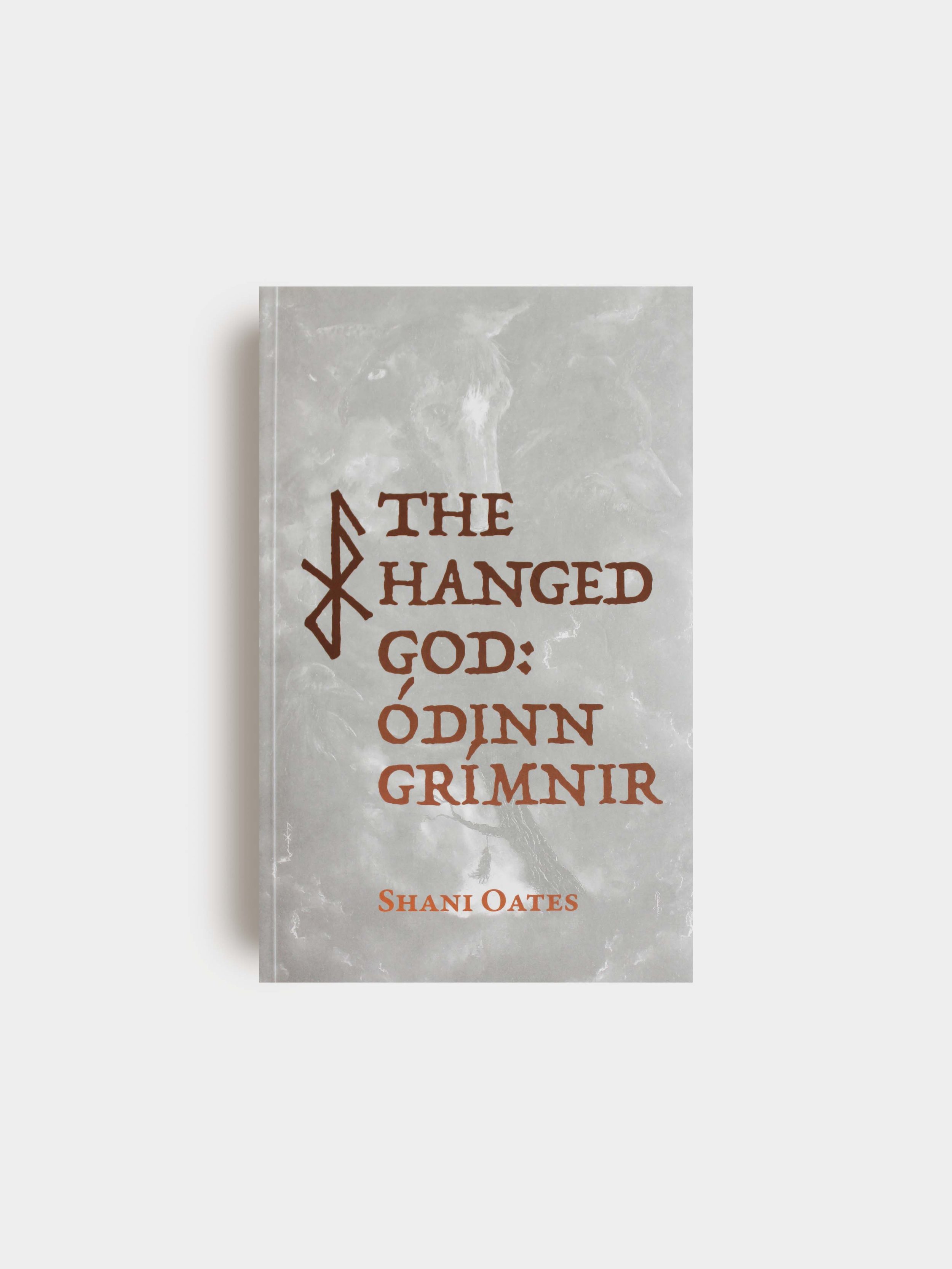
Paperback Edition [OCTAVO Series]:
5.25 x 8.5 inches. 208 pages. German Binding. Velvet Matte (Scuff Free) finish, and Bronze Foil Stamp on cover and backcover. Thoroughly illustrated throughout by Chris Undirheimar (Blood & Fire Ritual Art), Ornamental page (1) in full color printed on glossy paper, Fine typography, printed on Rolland Opaque Natural 160M quality paper.
The Hanged God: Óðinn Grímnir
by Shani Oates
Challenging former atrophied or outdated knowledge regarding Óðinn’s acquisition of the runes and the mead of poetry, this extensive and intense study revisits Hávamál, Vǫluspá, Skáldskaparmál, Grímnismál, Heimskringla and Ynglinga Sagas specifically, to unravel and reconnect crucial factors that collectively reveal a magical formula for rebirth and resurrection. These kennings have preserved the threads of mysteries pertaining to Rúnar entrenched in Taboo. Óðinn’s quest of discovery takes him through three historically attested trials as Rites of Passage that find parallel forms in other animistic traditions. His ordeals of Mound, Tree and Sacral Kingship together with an articulation of the role of Hamingja are hitherto connected.
Using a multi-disciplinary approach that includes forensic and ethno-anthropology, mythology, archaeology, folklore and etymology, previous speculations regarding Óðinn’s associations with sacrifice, penal codes and shamanism are shown to be flawed. Instead, for the first time, personal experience is combined with intensive research that provide plausible solutions to age-old puzzles, solving anomalies surrounding Scandinavian lore. A clear Cultus is revealed of a hidden elite totally focused on surviving Ragnarǫk via the application of arcane magics. New insights present the real location of Valhǫll, and explain Óðinn’s ancestral relationship with wolves.
Sacred cows are culled in a controversial re-interpretation of Yggdrasil, Sleipnir and Mímir based entirely within information drafted from obscure or overlooked texts. Original extracts interject the text, adding substantial weight that fully support the conclusion offered. Songs and charms, giants and dwarves, cauldrons and manna, totemic beasts, burial customs, fear of the dead, their propitiation and the dead that walk, slaying, sacrifice and tribal mothers feature in this expedition into the past to discover real identities for its key players, and real purpose in their deeds. By sorcerous enchantments, Óðinn traversed a magical pathway to ‘overcome Fate,’ his mastery of runic sorcery and necromancy is finally given cause.
CONTENTS:
Introduction / The Hávamál Cultus / Gold Mead: Elixir of Forbidden Enchantments / Of Mounds and the Dead that Walk / Yggdrassill: Dread Steed of the Damned / Riding the Gallows: Sorcerous Covenants / Appendices / Bibliography.
VISUAL PIECES BY:
Chris Undirheimar (Blood & Fire Ritual Art)
North American Customers are invited to order Directly from Anathema Publishing: https://www.anathemapublishing.com/purchase
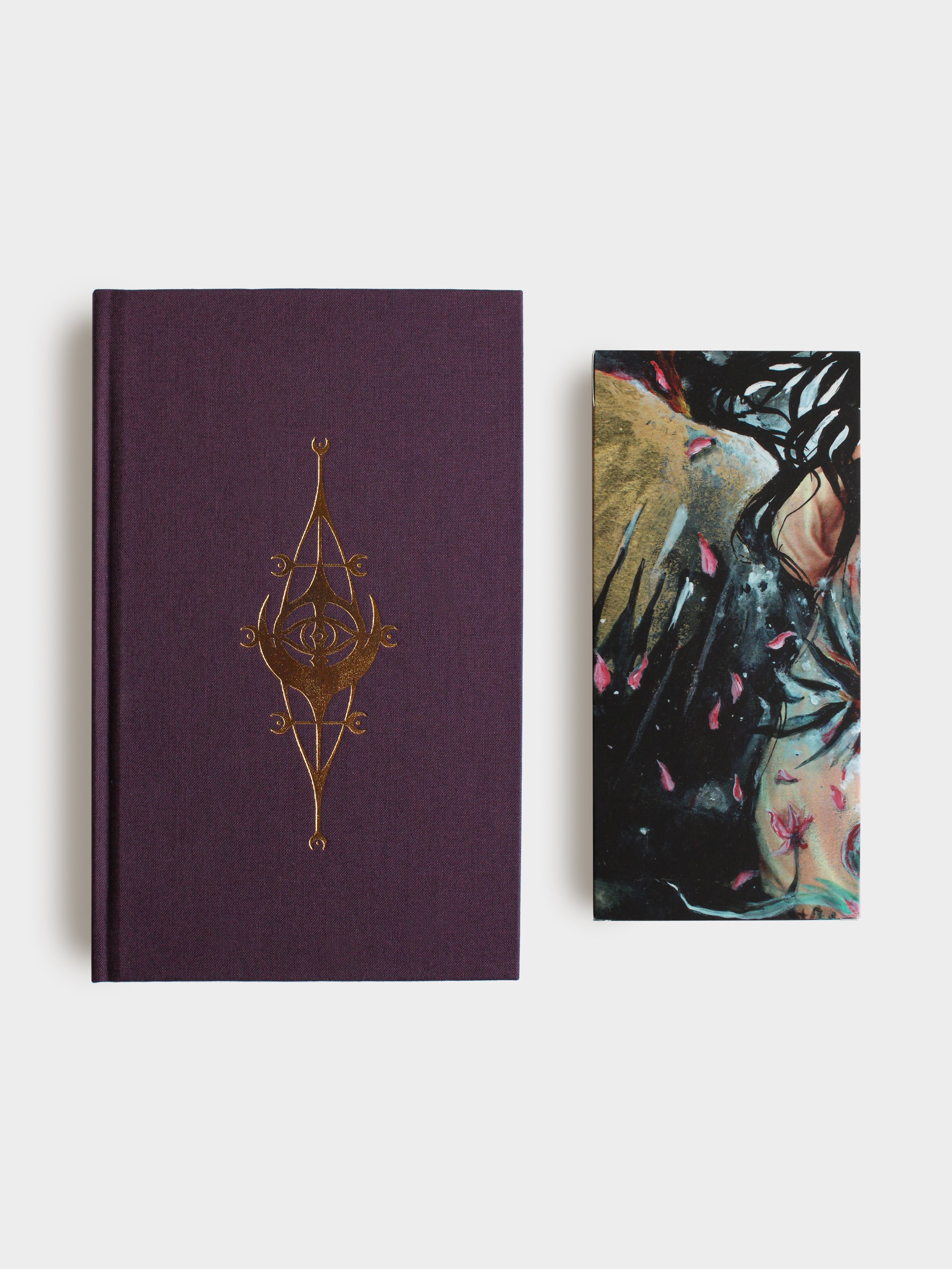
The Serpent Ikons: A Sorcerous Distortion of the Tarot de Marseille Major Arcana.
By author Helena van El & artist Shandi/AzK Bouscatier.
A lavish Hardcover Book + Custom (Oversized) Tarot Card Deck production featuring a wonderful Foreword by none other than prominent occult writer Gary Lachman!
Hardcover Edition (Limited to approx. 900 copies — 2022): 5.25 x 8.5 inches. 208 pages. Hardbound 90pts, bound in Iris 'Grape' fine bookcloth. Gold foil blocking on rounded spine and on the cover + Blind Deboss details on the backcover. Colour interior, with Apple-Red with Marble 'Oracle Antique' Endpapers. White Headbands. Fully Illustrated by Shandi/Azk Bouscatier (of AZK Talismanic Jewelry). Fine typography, printed on Husky White/Smooth 160M archive-quality paper. Hand-numbered and Signed by the Author & Artist.
*Comes with a Deck of 35 full-colour custom-sized cards (3.16" X 7.10"), printed on thick 16pt carton with Scuff-Free Lamination, in a custom-made Tuck-Box.
"The Serpent Ikons is a card deck, philosophical commentary, and grimoire; combining at the very heart of its creation primal art, writing, and magickal practice. Forged in the fire of passion for the Mysteries, the Serpent Ikons are an oblation to the Self and its Daemon in the most sacred of experiences – one’s Life as a deliberate, Initiatory journey fashioned by the creativity and will of the magician. The Serpent Ikons have their roots in the revolt against any religious authority imposing a singular and unilateral relationship with spiritual forces. They embrace the Witch’s way; that torturous path that defies dogma and distorts order. In The Serpent Ikons, the major arcana of the Tarot de Marseille have been subverted to act as a transgression of the Tarot tradition: the Operant needs only the Self for guidance, and prognostications are consciously chosen then brought into being through ritual with one’s Daemon. Together artist Shandi/Azk Bouscatier and author Helena van El have woven a spell of stunning visuals, deep contemplation, and profound magickal practice; and together they invite you to the intimate world of The Serpent Ikons."
CONTENTS: Dedications
Preface Foreword: A Wicked Pack of Cards, by Gary Lachman Introduction
Part I
i. The Serpent Ikons – The Vision
ii. The Serpent Ikons – The Royal Path
Part II
The Serpent Ikons – Wielding the Inner World
Part III
Grimoire Space – Rituals
Part IV
Divinatory Speech – Spreads and Questions
Conclusion
Bibliography and References/Resources
Acknowledgments
Epilogue
*Warning: Potentially Sensitive Content: Some of the cards depicted in the book and provided with each purchase as a separate deck of cards contains ‘characters/daimons/deities/spirits’ Graphic Nudity. Although not intentionally created to be explicit or even "erotic" by any means, this may be disturbing to some of the more sensitive customers. We advise customers to be of legal age (18+) to purchase the Book and Deck of Cards.
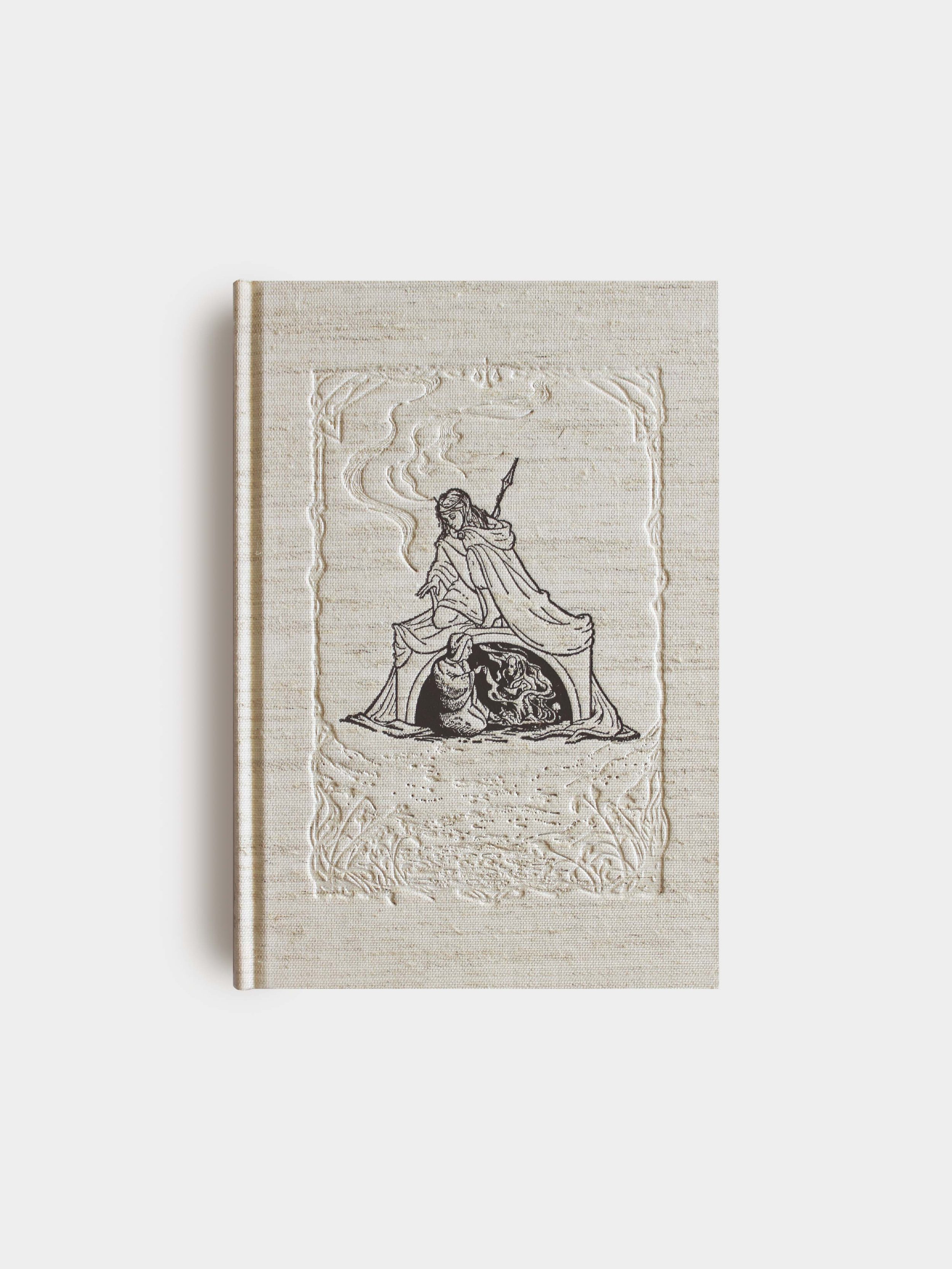
Hardcover Edition (Limited to approx. 700 copies — 2021): 6.5 x 9.5 inches. 264 pages. Hardbound 90pts, Fine 'Canapetta' Italian bookcloth, matte brown foil stamp designs on rounded spine and on the cover; blind deboss on the cover and on the back cover; full colour interior, and 'Maroon' ‘Handspun texture finish’ endpapers. Dark Brown Headbands. Cover illustration by artist Ross Fleming (Hens Tongue). Fine typography; illustrated thoroughly by various artists; printed on Cougar Natural 160M archive-quality paper. Hand-numbered individually.
Come rest by the hearth’s fire and warm yourself, now that your travels are at an end.
The night is long, and we are in no hurry. This is a time for reflection, to think back on where you have been – and where it has led you to.
Whether you have crossed oceans or deserts, wound your way through labyrinthine cities or long-forgotten ghost towns, followed untrodden paths or the pilgrim’s well-worn way – you are no longer the same, and you have wisdom to share.
This is the Wayfarer’s Hearth: a gathering of voices and a recollection of transformative spiritual journeys.
+ + + + +
These are the reminiscences, lessons learned, and personal accounts we seek for the next edition of PILLARS.
For those who have been deeply affected in esoteric ways by our travels to other lands, who have had our perceptions altered through cultural immersion, through being confronted with our own fears and prejudices. For those who have had our eyes pried open, our inner-selves irreversibly changed.
For our next collection, we seek stories of wandering, initiation, and of inner alchemical transmutation. We want to hear from those who have travelled far in search of a teacher, or who have been surprised by an unexpected revelation while abroad.
Today, travel is not a reality for many of us. The pandemic has suddenly made our lives much smaller in terms of where we can physically be, and so many of us turn to our bookshelves instead. Our imaginations become vessels, ferrying us away to distant shores where new gods, truths, philosophies, religious precepts, and histories await.
CONTRIBUTORS: Aaron Cheak (PhD), Aleco Julius, Brian Cotnoir, Carl Abrahamsson, Carl Austin Hyatt, Darragh Mason, Dr. Dearthrice DeWitt, Evan Davies, Gabriel McCaughry, Gloria D.N.E., Gavin Fox, Humberto Maggi, Ian C. Edwards (PhD), Johnny Decker Miller, Johana Reuter, Jennifer Chiasson, Jack Grayle, Kazim, Kim Schwenk, Matthew Olmsted, Orryelle Defenestrate-Bascule, Philipp Müller, Rosemary Stehlik, Ross Fleming, Shani Oates, Suzanne Read, Tasha Menary, Viktoria Polikarpova (28 contributors!).
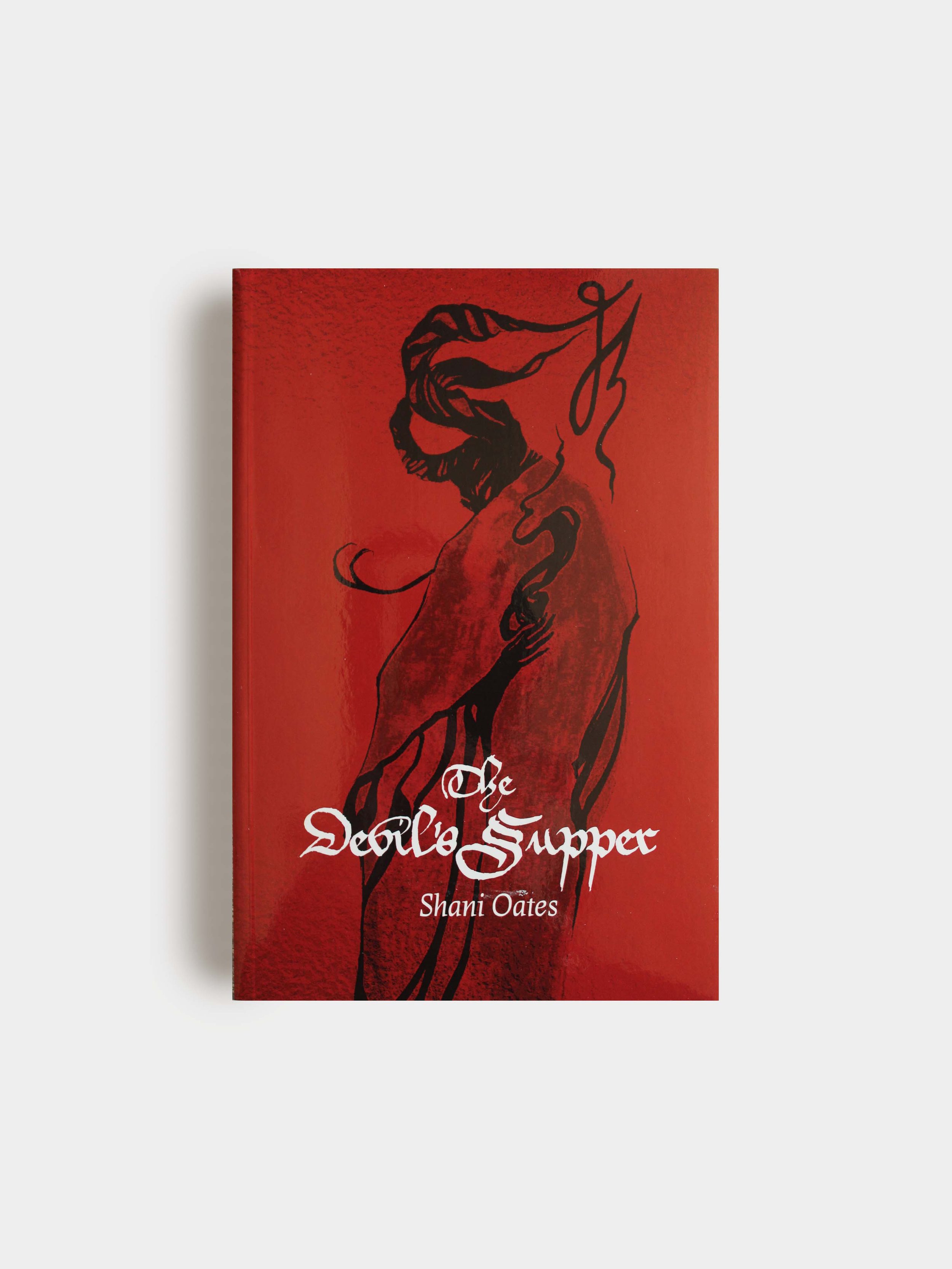
The Devil's Supper, by Shani Oates
OCTAVO Paperback Edition (1st Printing, 2021)
6 x 9 inches. 276 pages. German Binding. Gloss (Scuff Free) finish. Black & Red interior (illustrations and photography). Fine typography, printed on Lynx Cream 140M archive-quality paper. Fully illustrated by Lupe Vasconcelos & other classical artists.
Always, the Devil is presented as a beacon of decadence and indulgence, whether fair or foul. And, whether droll or tragic, he does – in spite of his bad press – appear always to have our best interests at heart. Perhaps this is why many of us have a soft spot for this notorious rebel who reflects, as he does, the all too human element within. As supreme chimera, he is without peer; his amorphous ambiguity allows him to cross continents, cultures, and time effortlessly; he afflicts art and society in ever more creative and challenging ways… To know his work, we must seek what lies beneath the final mask.
The Grande Sabbat Feast, The Night Visitations and the Faerie Rade – The Devil’s Supper is the sacred and profane history of a buffoon, racketeer, demon, daemon, trickster, Faerie King, Great Opposer, and the Lie.
From pre-history to post-modern times, the bogeyman behind folk tales and legends tells his long tale in this uniquely historical perspective – one that explores why Providence is the sacred duty of The Lord of this World. From Carnival to Utopia, and from Feast to Famine, the secret traditions of the Devil and all his Works are explored in considerable depth and explained by the people who feared and courted him, rather than ecclesiastical authorities. His tools of arte range from his holy trident to profane hallucinogenics, and from sacred cup to holy feast.
From Scapegoat to master of illusion, the Devil is ever present as the Great Opposer. He is the primeval master of disguise, and master of ceremonies; he is the grand host of the Sabbat.
Through incarnations and paradigm shifts, his coat is of many colours. From Heresy to Houzle, the enigma of the Devil is seductively astute. This narrative is an invitation to sup at his table as we profile him through theology and myth. As The Devil’s Supper tackles concepts of evil, sin, and retribution, what he has to say may just enlighten you!
CONTENTS:
Preface
Introduction
Origins: Shadow of the Dark Obstructer
Chapter One: Forgotten & Forbidden Gods
Chapter Two: Arcadia
Chapter Three: An Occidental Perspective
Chapter Four: Matters of Theology: Heresy & Evil Flux: The Middle Ages
Chapter Five: The Four Horsemen of The Apocalypse
Chapter Six: The Maverick Anti-Hero
Chapter Seven: Cockaigne – A Fool’s Paradise
Chapter Eight: Faerie Lore & Folk Wisdom
Chapter Nine: The Grande Sabbat
Chapter Ten: Stagecraft – The Witch Craze Parody
Chapter Eleven: Demonologies: Textbooks of the Damned End Game: A Return to the Shadows
Chapter Twelve: ‘Agent Provocateur’
Chapter Thirteen: Ould Hornie: Trades & Guilds
Conclusion: Lifeblood of a Traditional Legacy
Appendices
Bibliography
Illustrations by Lupe Vasconcelos, as well as featuring art from: Baltens, Bosch, Bruegel, Dürer, Blake, Doré, Füssli, Holman Hunt, Giotto, Michelangelo, Van Eyck, Van Maële, Fuseli & Vasnetsov, Léopold Boilly, Hans Trapp, Wagrez, Taddeo di Bartolo, and Klinger.
Paperback Edition [OCTAVO Series]:
6 x 9 inches. 200 pages. German Binding. Gloss (Scuff Free) finish, and Silver Foil Stamp on cover, spine, and backcover. Full Colour interior (illustrations and photography). Fine typography, printed on EuroArt 200M (thick) archive-quality paper.
ARCANUM
By Daniel Yates
(https://www.photophrenic.com/)
• Foreword by Martin Duffy (The Devil’s Raiments, Effigy: Of Graven Image and Holy Idol)
• Over 15 hand-drawn Illustrations from David S. Herrerias (The Book of Q'Ab-iTz)
• Numerous High Resolution Photographies
Arcanum serves as a photographic exploration of its namesake, a journey into the ‘other’ through the vision of another. In a world shaped by textual forms, Arcanum aims to delineate expectations, and to open a window into a more fluid, dynamic world where interpretation is truly left to the beholder.
This work aims to challenge the accepted norms of how the occult is perceived and rendered in image. By passing light through the forge of the lens, Daniel Yates teases out from the shadows a world that lies hidden in plain sight, exposing concepts that are often elusive and intangible yet ever present. Each image in this work is a window into a much deeper stratum of awareness and understanding. The contemplation of the image over time will reveal to the onlooker an arcanum that is purely their own.
“As repositories of ‘captured’ power and virtue, images are often employed as a meditative focus, and within such states of contemplation the divide separating the observer and observed is dissolved, the two becoming as one. Herein the image becomes a window or doorway into another world; by entering them, the seeker is able to explore and interact with the landscapes, creatures, and objects therein depicted. Through such engagement the fixed image is brought to life, and in traversing these living landscapes, and exploring the vistas created through texture and colour, the wanderer comes to better understand the mysteries therein enciphered. The single moment captured within a photograph affords the individual a point of meditative focus, and an expanding breadth of understanding.” ~Martin Duffy
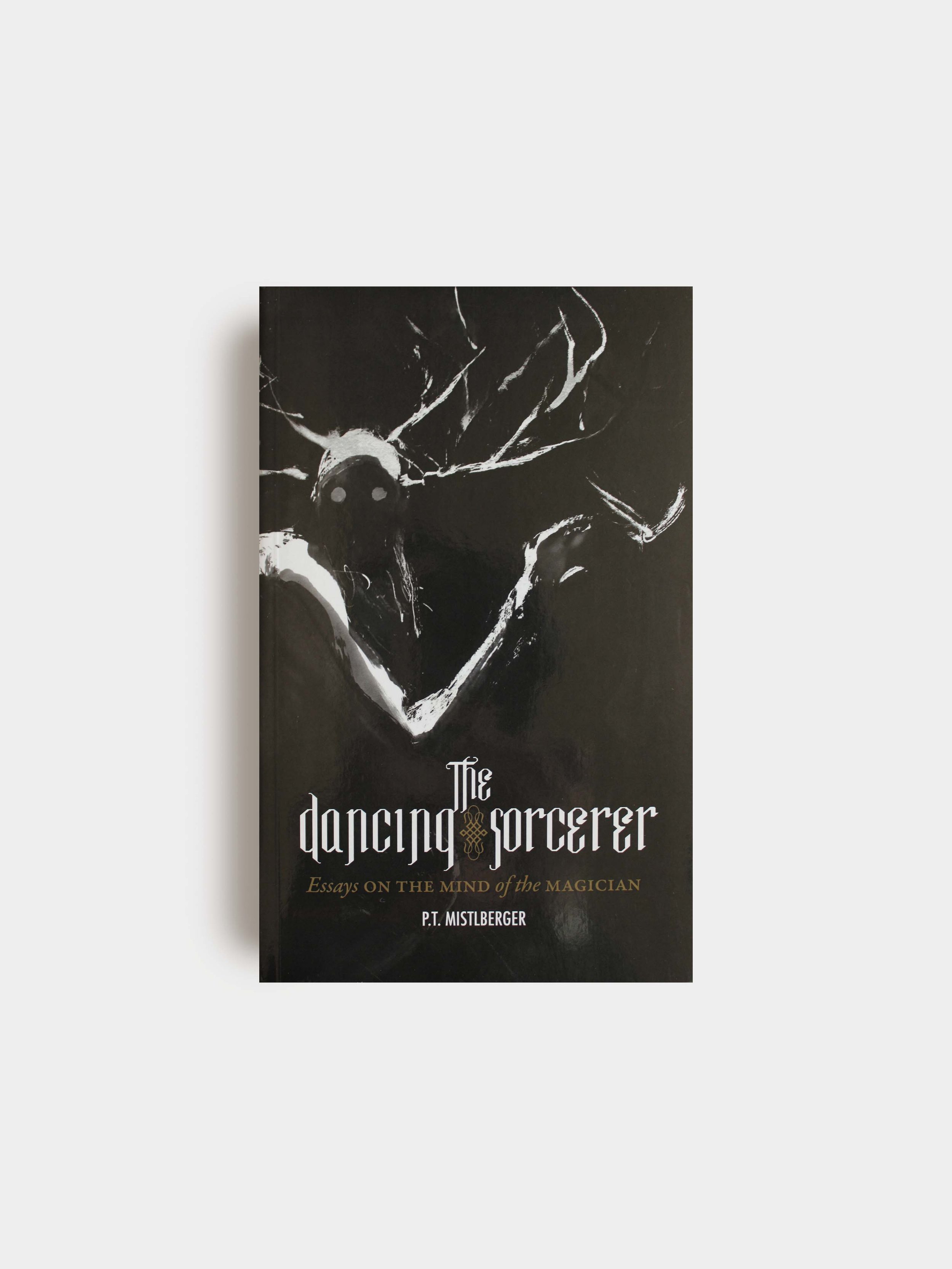
Paperback Edition (First print 500 copies)
5.25 x 8.5 inches. 368 pages. German Binding. Gloss (Scuff Free) finish. Full Colour interior (illustrations and photography). Fine typography, printed on Cougar 160M (thick) archive-quality paper. Fully illustrated by Rowan E. Cassidy.
THE DANCING SORCERER: Essays on the Mind of the Magician By P.T. Mistlberger
(http://www.ptmistlberger.com/)
• Thoroughly illustrated by the talented Rowan E. Cassidy (https://rowanecassidy.com/)
“The present book is dedicated to the magnum opus of the unification of opposites that is necessary for deeper movement into life, the mind, and reality. The magician – the psychopomp who guides others into and through the netherworlds – has always been around, in varying degrees of quality. We walk with that figure; more, we become that figure when we fearlessly face within and engage the process of redemption and ownership of our darker angels.” ~P.T. Mistlberger
The Dancing Sorcerer has been a term used for the past half-century to describe the iconic figure of a 15,000-year-old work of cave art found in present-day southern France. This image, of a man dressed up in animal skins, who appears to be performing a ritual dance, has been offered up by anthropologists as an example of how the real oldest profession has always been that of the shaman, magician, or sorcerer.
The book offers a series of essays commenting on the purpose and function of the magician archetype, using as a focal point what the author broadly defines as the Solomonic and Faustian approaches. The essays herein are concerned mainly with psychological themes, based principally on what Jung termed the mysterious conjunction, the idea that no movement into higher realities is possible without first unifying our lower nature. For this, it is necessary to investigate and even embrace the dark side – which can include such powerful archetypes and themes as dragons, vampires, Goetic demons, pharaonic curses, Enochian spirits, and occult literary frauds – all with the ultimate purpose of redeeming both the personal and collective psyche.
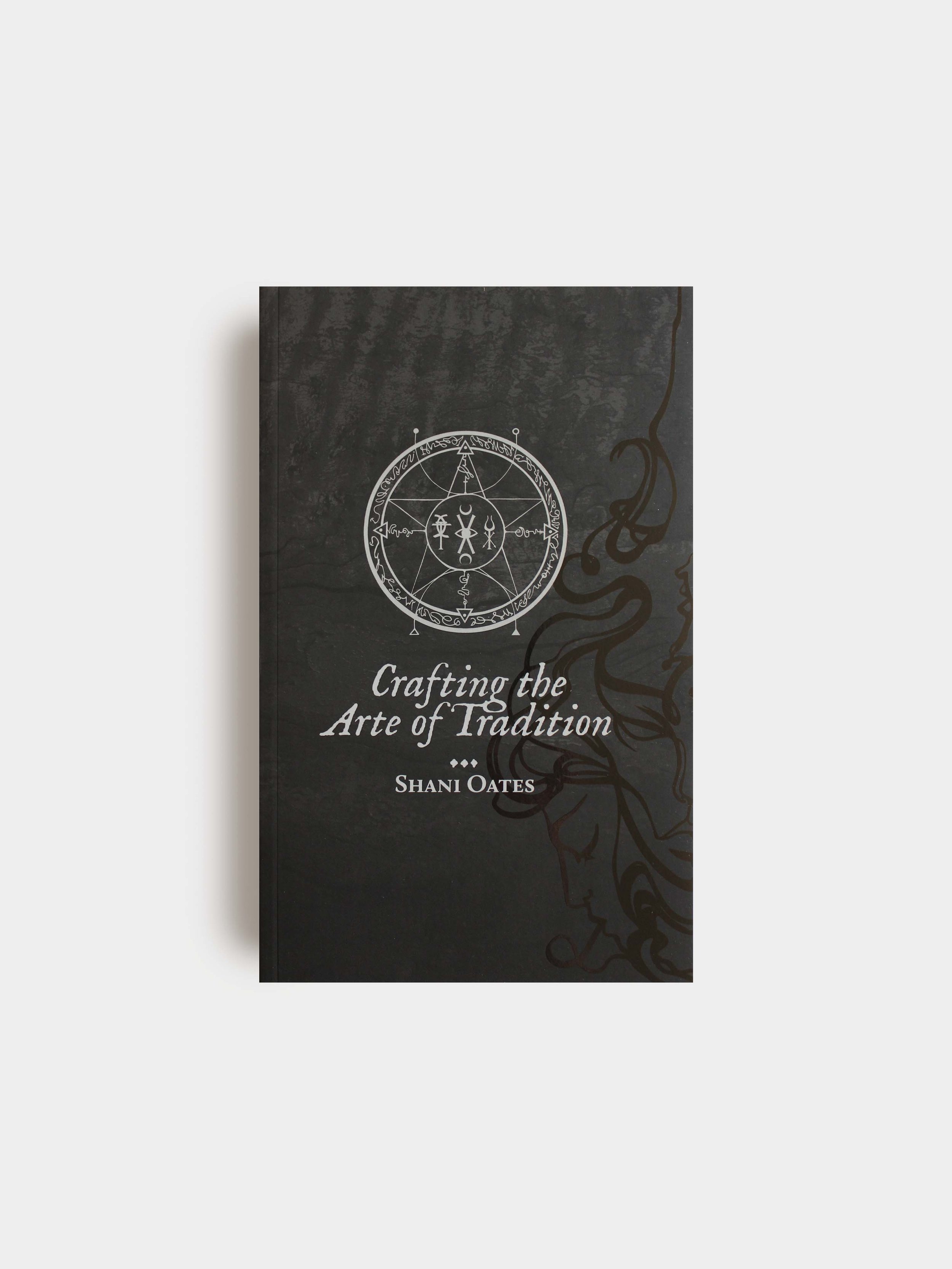
Paperback Edition:
5.25 x 8.5 inches. 392 pages. German Binding. Velvet Matte (Scuff Free) & UV Selective Gloss finish on Cover. Thoroughly illustrated throughout by Lupe Vasconcelos, Fine typography, printed on Rolland Opaque Natural 140M quality paper.
2018 reissue of the 2016 Hardcover Edition (now Sold-Out), revamped & re-edited.
Crafting the Arte of Tradition
by Shani Oates
“The ‘Work’ is saturated with true magick; it is profound, practical and progressive. It is also gnostic and promethean. That is to say, it teaches the individual to hone their faculties of memory and of mindfulness – that is of foresight and hindsight, to know when to pit wit and will against fate, and when not to; how to divine the signs and omens to understand the ways of the gods and how to speak to the dead, so that we can be advised by our ancestors. These tools are not Witchcraft, but they do manufacture a shared process, whereby wisdom guides experience, and through carnate and discarnate guides, we are encouraged to learn how to ‘overcome fate;’ we see the web of Wyrd for what it is and the means to become part of it. In this way, we also join the Shadow Company, to guide and accompany the next generation of pilgrims to our Hearth.” ~Shani Oates
Traditional Craft thrives as an underground stream. Its rejection of dogma generates a mystical path of hermitage and evolution. Its source honours the ‘pagan’ spirit, presenting to every seeker a devotional path that is the magic of the soul. It speaks of spiritual alchemy, masterfully borne in the crafting of matter.Crafting the Arte of Tradition explores that which was based in the medieval guilds – the rural traditions claimed by craft heritage. However, the way in which those ‘guild’ secrets were disclosed called for certain initiatory rites of passage that stemmed from a shared hereditary root – one based in culture, which developed tangible craft traditions pertinent to each.Later, when those guilds disintegrated, the rule simply reverted to kin and was preserved within those same hereditary guild families, (now engaged in finding apprentices for slightly different training). Apprenticeships required sponsorship, and only a family member could undertake that role. Toad men, Horsemen, Cunning Folk et al are described within Crafting the Arte of Tradition – not as an intellectual study, but as a lived tradition!
CONTENTS:
Preface: The People of Goda, of the Clan of Tubal Cain., Chapter One: The Unforgiven, Chapter Two: Spirit of Blood & Bone, Chapter Three: Crafting the Mysteries, Chapter Four: Rites of Passage, Chapter Five: Laude Genesis, Chapter Six : Mighty Men of Old, Chapter Seven: Kairos – Providence, Chapter Eight: Nemesis, Chapter Nine: Memento Mori.
VISUAL PIECES BY:
Lupe Vasconcelos (www.lupevision.com)

Anathema Publishing Quality Canvas Tote Bag
100% heavy cotton canvas, 12 oz.
20" web polyester handles, 9" drop
Reinforced at stress points
Dimension: 15’’ X 16’’
Dark Grey Print (on one side)
”Natural“ Cloth Colour
BLACK LETTER PRESS
STARFIRE PUBLISHING
Strange Attractor
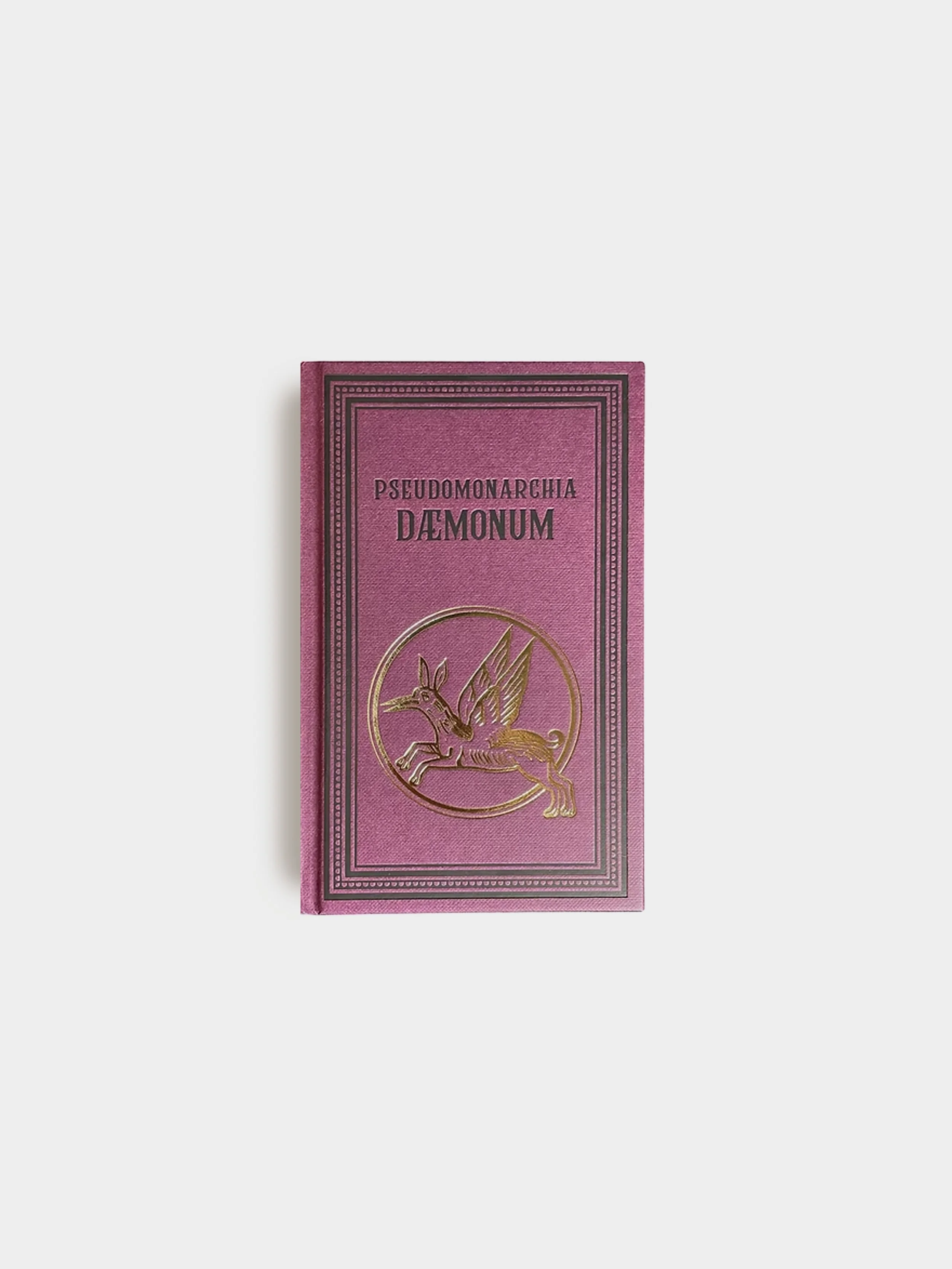
Hardcover bound in plum Cialux cloth. 100x160 mm
120 gram black Endpapers. Printed on 115 g wood free, age resistant Cream paper
Sewn book block. Black ribbon marker and Headbands. Gilded on the front
ranslated, with a commentary by Paul Summers Young In 1577, Johann Weyer appended a short work titled Pseudomonarchia Daemonum to his treatise on the falsehoods of witchcraft and the magical arts, De Praestigiis Daemonum. Thanks in very large part to Reginald Scot’s inclusion of a translation in his own Discoverie of Witchcraft (1584), this short satirical play upon the Book of Spirits has attained an afterlife Weyer could not have foreseen. Our edition presents the original Latin text with a new Modern English translation by Paul Summers Young, featuring wide-ranging notes contextualizing the work. The appendix includes Scot’s translation, and a new translation of the French Livre des Esperitz, as representative of the genre Weyer drew upon for inspiration. Weyer’s text has cast a long shadow among occultists, but it is also an entertaining work of fantasy in its own right. His world-building and characterization of the various spirits are a delight.

By Giambattista della Porta
Revised and Edited by Paul Summers Young. Cover Design by Andrei Bouzikov.
Hardcover bound in moss-green Fedrigoni Imitlin
Artwork printed in dark green hot foil on the cover and spine
Printed on wood free and age resistant 90 g cream paper
Sewn book block
Green ribbon marker and headbands
600 Pages
Measures 176 x 246 mm.
Giambattista della Porta, a Renaissance polymath based in Naples, significantly contributed to science and esoteric wisdom. His magnum opus, "Magia Naturalis" (Natural Magick), is a foundational text blending ancient knowledge with the emerging scientific discoveries of his time.
„Natural „Magick is a comprehensive compilation of the natural world's wonders, documenting the properties of plants, minerals, and other natural phenomena. Della Porta's work bridges the gap between alchemy and chemistry and between astrology and astronomy. His studies on magnets, herbs, and optical illusions were pioneering, and his experiments on lenses paved the way for the invention of the telescope.
The book is not merely a collection of experiments but an exploration of the natural world's hidden aspects. It includes studies on talismans, sympathetic magic, and the correspondences between celestial and terrestrial phenomena. Della Porta sought naturalistic explanations for phenomena traditionally considered magical, validating them through references to classical literature.
Our edition of "Natural Magick," revised and edited by Paul Summers Young, is based on the 1658 London edition, a translation of the expanded Latin edition 1589. This edition includes the previously suppressed chapter "Lamiarum Unguenta" (The Witches' Ointment). Summers Young has modernized the spelling and punctuation while retaining the text's Early Modern character. Enhanced readability is achieved through a new layout, rational paragraphing, and an introduction by Young, which discusses the text's significance and origins.

Translated, edited and introduced by Paul Summers Young
Second edition. Hardcover bound in purple Italian Fedrigoni Imitlin. Measures 100x160 mm. 120 gram black Endpapers
Printed on 115 g wood free, age resistant Cream paper. Sewn book block. Black ribbon marker and Headbands. Gilded on the front
"The science of the Magicians, preserved in the language of the hieroglyphs, has been lost. I am its last living custodian. Together we shall read these signs upon the walls of this pyramid, whose meaning has eluded scholars for centuries."
Dismissed by A.E. Waite as the probable work of mischievous priests in Rome, The Black Pullet is a ‘novella of ideas’ grounded in the Egyptomania that gripped France in the 1820s. Part magical handbook, part orientalist fantasy, in its various editions The Black Pullet was a popular, Bibliotheque Bleue-style grimoire in the spirit of Kircher’s Hermetic Egyptology at the very moment the new Egyptology was born.
This new edition presents the talismans of the 1820 edition made famous by Waite, along with the instructions for the ‘Black Hen who Lays the Golden Eggs’ and the ‘Black Owl’. It incorporates material from three variant editions of the book, and contextual extracts from its literary inspiration, ‘Le Comte de Gabalis’.
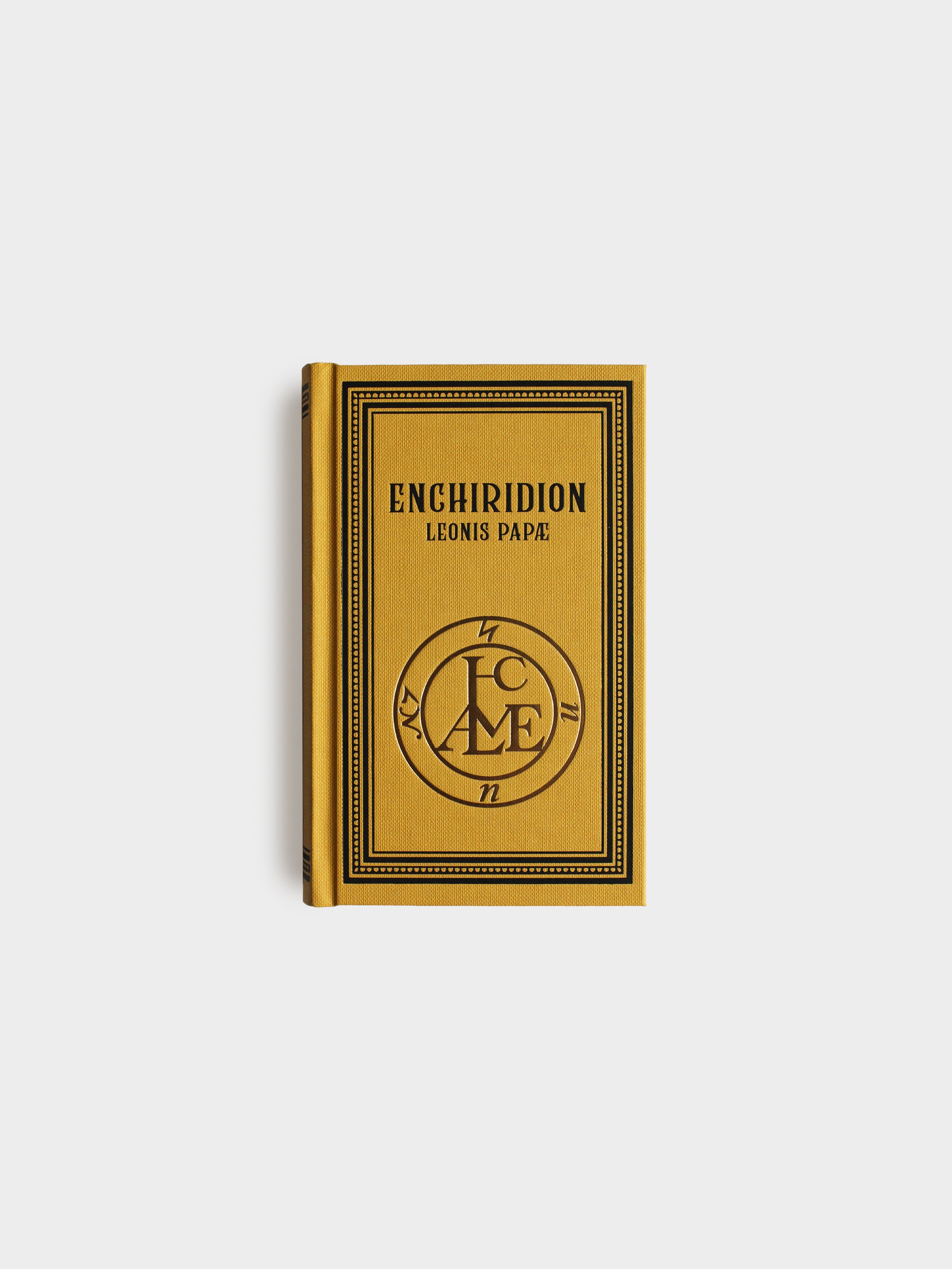
Translated, edited and introduced by Paul Summers Young
Second Edition. Hardcover bound in yellow Fedrigoni Imitlin. Measures 100x160 mm. 120 gram black Endpapers
Printed on 115 g wood free, age resistant Cream paper. Sewn book block. Black ribbon marker and Headbands. Gilded on the front
When Marie Bosse was arrested in Paris, in January 1679, among her possessions was a copy of an unusual magical text. The Enchiridion Leonis Papae — Pope Leo's Handbook — has since acquired notoriety as a work of 'black magic', largely due to its association with the subsequent 'Affair of the Poisons', and the aura it acquired among 19th-century occult revivalists.
The earliest extant text of 1633 is a clerical handbook belonging to the same genre as the 1614 Rituale Romanum, to which is appended material that would come to distinguish the Bibliothèque bleue grimoires; a blend of folk belief and Church tradition which blurs the line between orthodox religious praxis and sorcery.
Our new edition is translated into Modern English from the French and Latin of the 1633; it presents the various prayers, exorcisms and invocations in Latin and English, and includes new rubrics illuminating how the text would have been employed by a clerical or lay practitioner of the day.
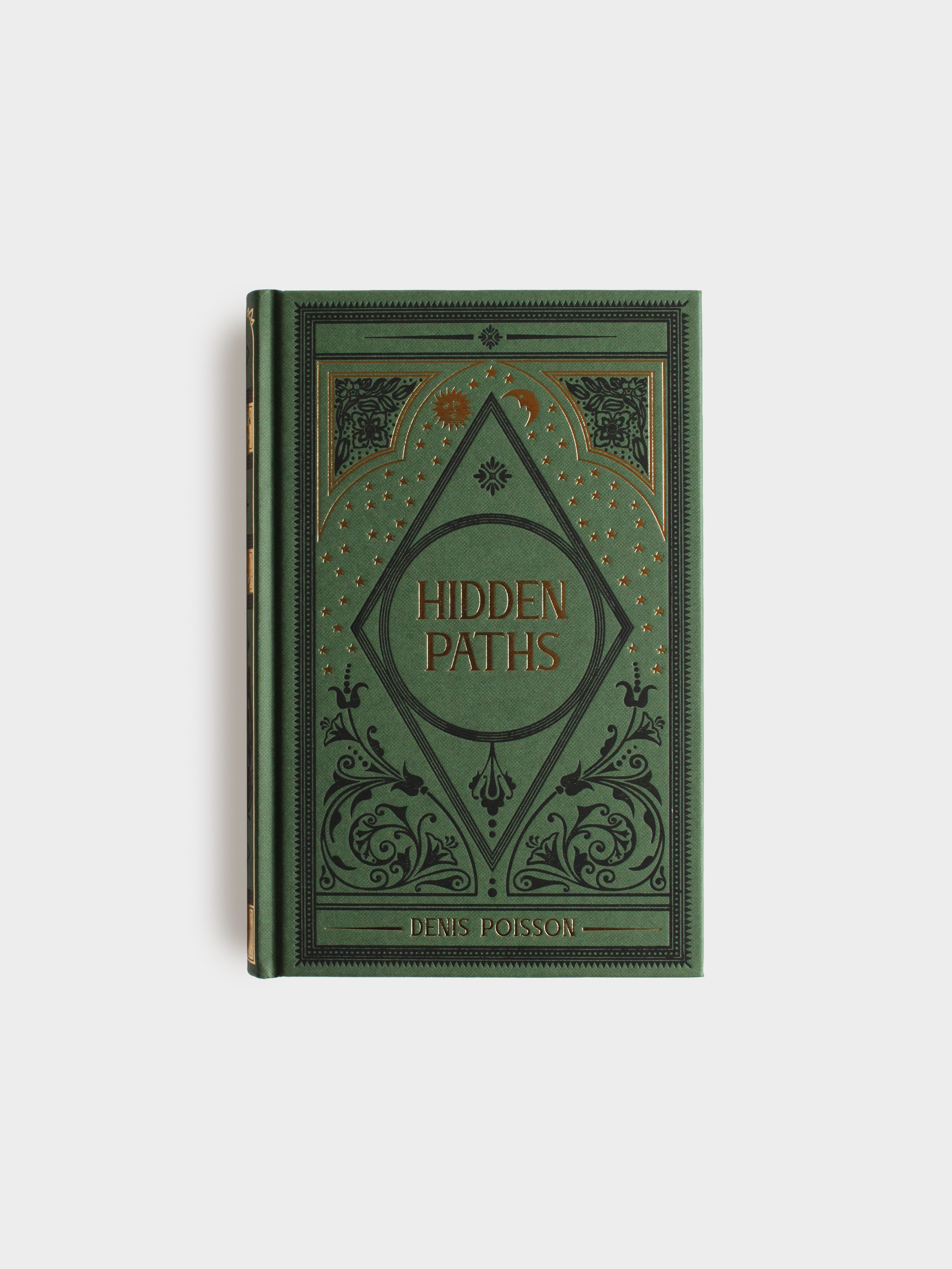
By Denis Poisson
Practical tips on how to develop your own connections to a conscious Universe in order to follow your own path, with an introduction by Josephine McCarthy.
2nd Edition. This gorgeous Hardcover edition is bound in Italian Fedrigoni Imitlin and measures 140x215 mm. The Book Block is thread sewn and printed on wood-free, age-resistant ivory paper. The Hardcover has a ribbon marker and the front and spine are decorated and titled in gold gilt.
In his fortnightly Esoteric Saturday video series aired on his Foolish Fish YouTube channel since 2019, Denis Poisson has been exploring these strange, hidden paths from a pragmatic perspective, never losing sight of the fact that not all that glitters is gold: just because some esoteric lore holds up to scrutiny in the light of experimentation, there is a lot of nonsense out there designed to drain the pockets of the gullible, designed to ensnare the fresh explorer, and spit them back out onto the well-trodden public footpath full of disenchanted, world-hardened realists who believe that consciousness could possibly arise out of matter (and not the other way around), despite what every fiber of their being tells them.
In his explorations, Poisson has offered suggestions of new ways of thinking about how the world works and gives practical tips on how you too can explore these realms beyond the mundane, and develop your own connections to a conscious Universe in order to follow your own path. The path that was made for you.
In Hidden Paths, you will find the transcripts of some of Foolish Fish's most enduring and well-loved videos, with everything from his account of the strange experience that set him off on this exploration of the Magickal traditions of the East and West, to advice for people approaching the topic with a desire to free themselves from unhelpful dogmatic indoctrination in mainstream organized religions to practical tips for growing your own surprising power to influence the probability of a desired outcome in the real world.
DAVID CHAIM SMITH
SIRIUS ESOTERICA
VARIOUS PUBLISHERS
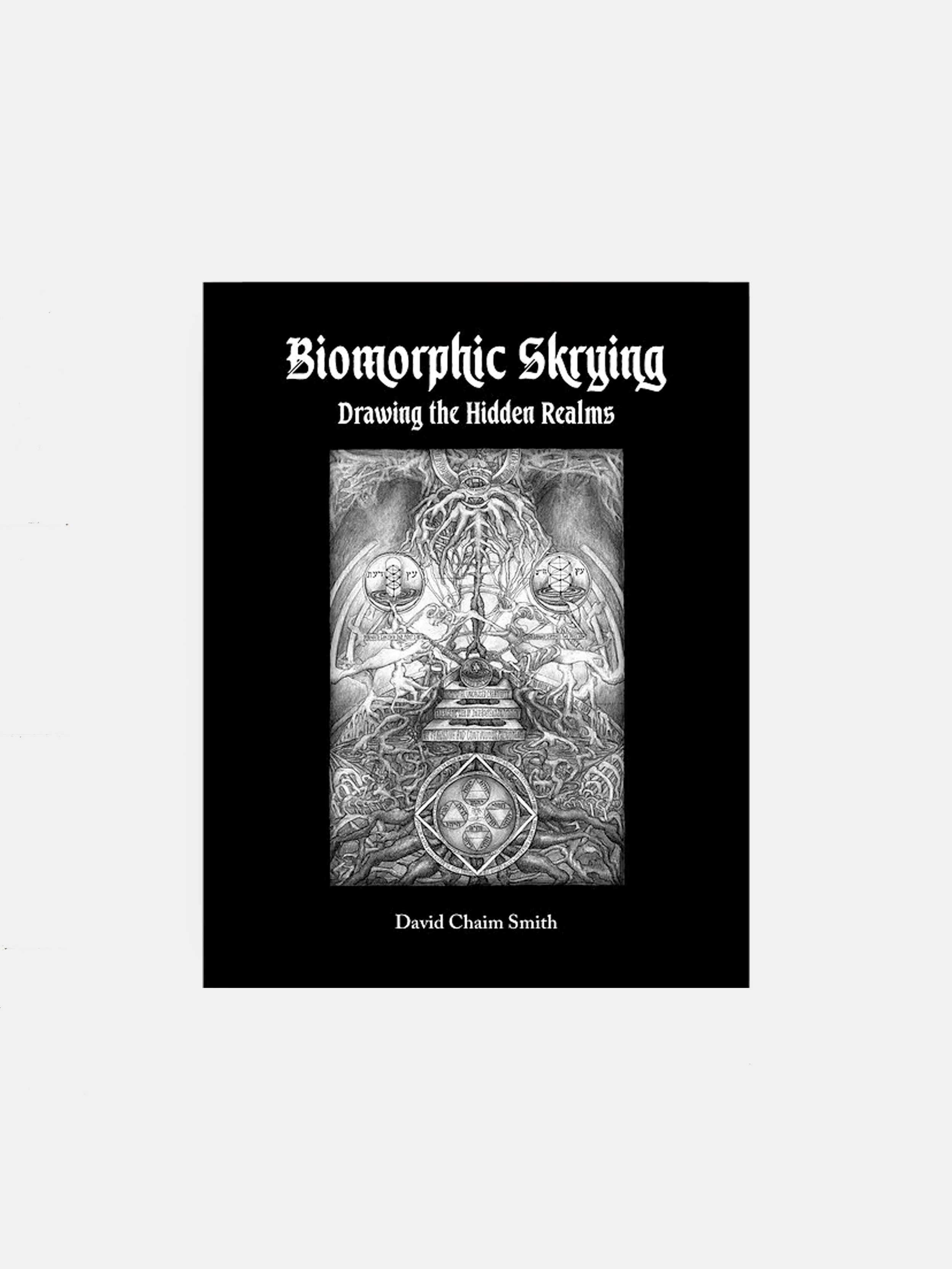
Linen Hardcover with Dust Jacket
• 8.5 x 11 in.
• Perfect bound
• 52 images
• 136 pages
Biomorphic Skrying is a rare visionary practice that projects the mind deep into the field of perception to derive strange and beautiful images from the journey. The term is derived from two roots: bio (life or living) and morph (form). The method trains inner exploration and records its passage through obscure psycho-aetheric territories. As the trajectory is released the logic of ordinary representation is overcome, and pure organic and geometric patterns can be gathered into visions and transferred to drawings on paper. Along with this liberated patterning, torrents of esoteric symbols spontaneously arise (but only if the mind is inextricably bound to that symbology through contemplative work). As this evocatory practice is articulated the greater context of mystical work is examined, which gives new meaning to the miracle of vision itself. The account can benefit anyone who wishes to consider the imagination beyond its range of conventional function, which enriches an appreciation of its power and scope.
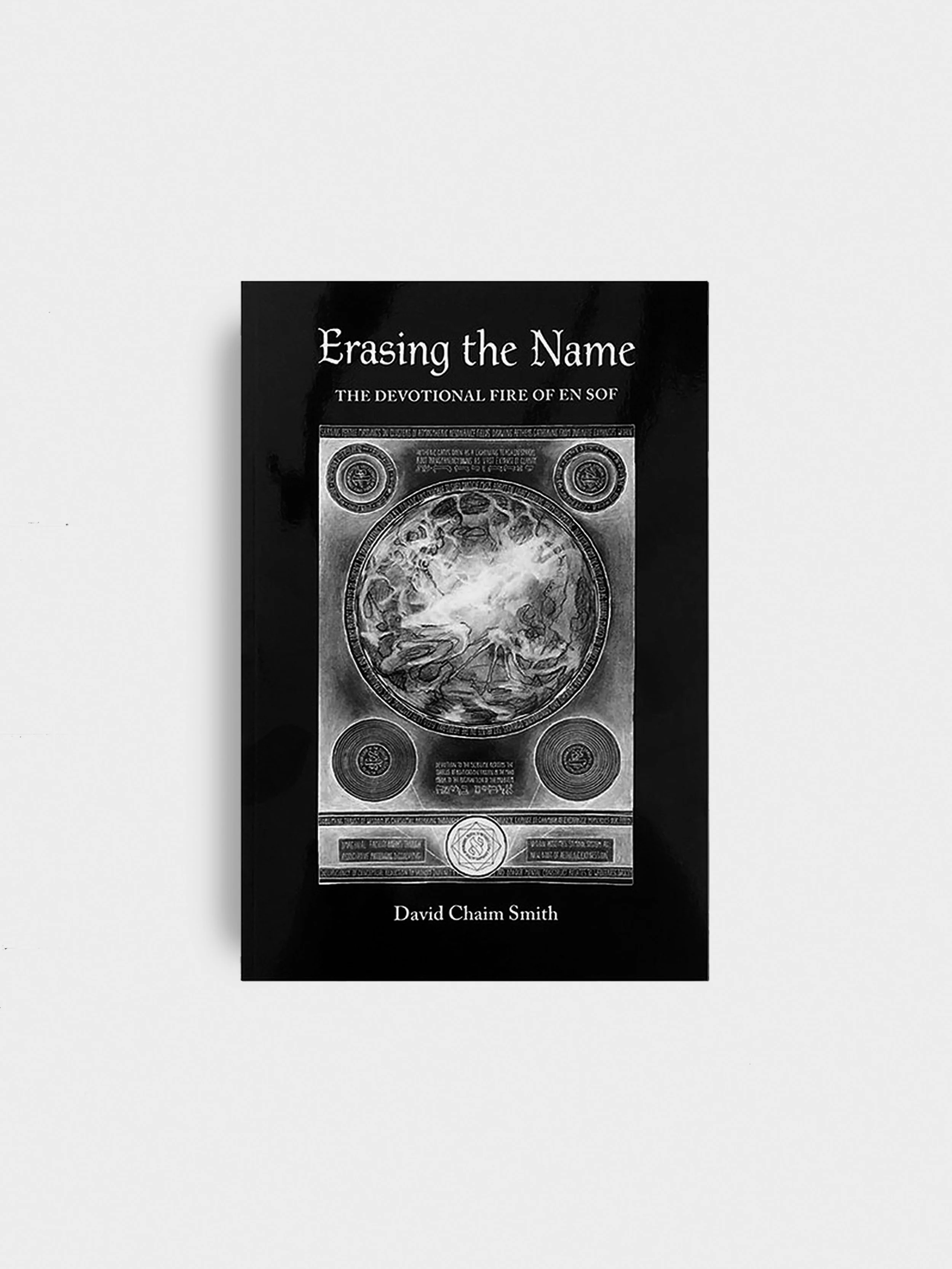
Linen Hardcover with Dust Jacket
• 6x9
• Perfect bound
• 26 images
• 108 pages
“Perception can be offered as a prayer, and the sense of transcendent perceptibility can be received as its sacrament. In this exchange En Sof is the main consideration, as its potency is expressed through you and as you. The named identity is what is erased. This portal to nowhere is love-in-itself. Loving as an action dissolves there. What remains is free.”
Erasing the Name introduces the reader to a mode of devotional contemplation that invites the mind into immersive surrender within an all-consuming love of the divine mystery. The work builds esoteric knowledge (daat) through a maze of diagrams and poetic passages so what is gathered can be released within what Kabbalists call En Sof (the infinite). This opens a doorway that allows discursive consciousness to dissolve into the sublime expanse that fills and surrounds all phenomena.
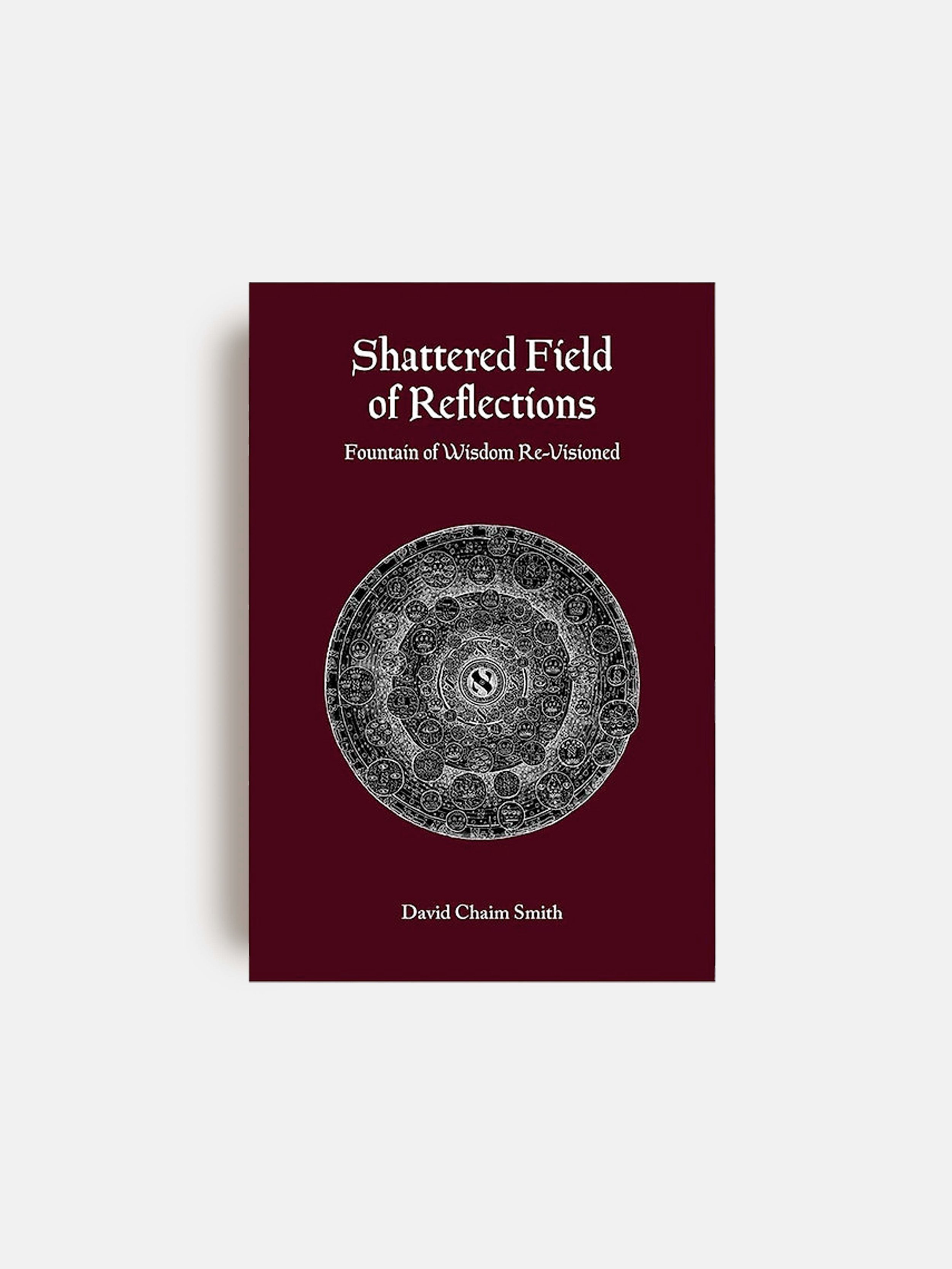
Linen Hardcover with Dust Jacket
• 6x9 hardcover with dustjacket
• Perfect bound
• 39 images
• 112 pages
Shattered Field of Reflections offers a unique version of the obscure 13th Century text entitled Fountain of Wisdom, which is surely one of the oddest and most difficult Kabbalistic works in existence. Rather than attach a separate commentary to the text, the whole work has been rewritten to clarify a fuller expression of its vision with an emphasis on its most special qualities. For comparative purposes, the original 13th Century text is also provided in its entirety. Supporting this monumental work are many diagrammatic representations of key principles that go hand in hand with the text. Through the synergy of these linguistic and graphic elements the material has been given new life, and can be accessed in ways not possible at any other time in history.

Linen Hardcover with Dust Jacket
• 6x9 linen hardcover with dustjacket
• Perfect bound
• 31 images
• 92 pages
Metatron’s Ladder presents a rare style of sacred work based on a 13-stage structure derived from a short medieval Kabbalistic text called The Thirteen Powers. The array pivots on the guiding power of wisdom personified by Metatron. However, this presence is not considered as an angelic being in its usual sense. Both the wisdom guidance and the mind that is guided by it are understood as mutual aspects of a single undifferentiated wisdom field where mundane concerns are released and the essential meaning of reality can awaken like a lightning flash. When the structure and symbolism of this text are understood through esoteric analysis a unique and powerful approach to mysticism shines through.
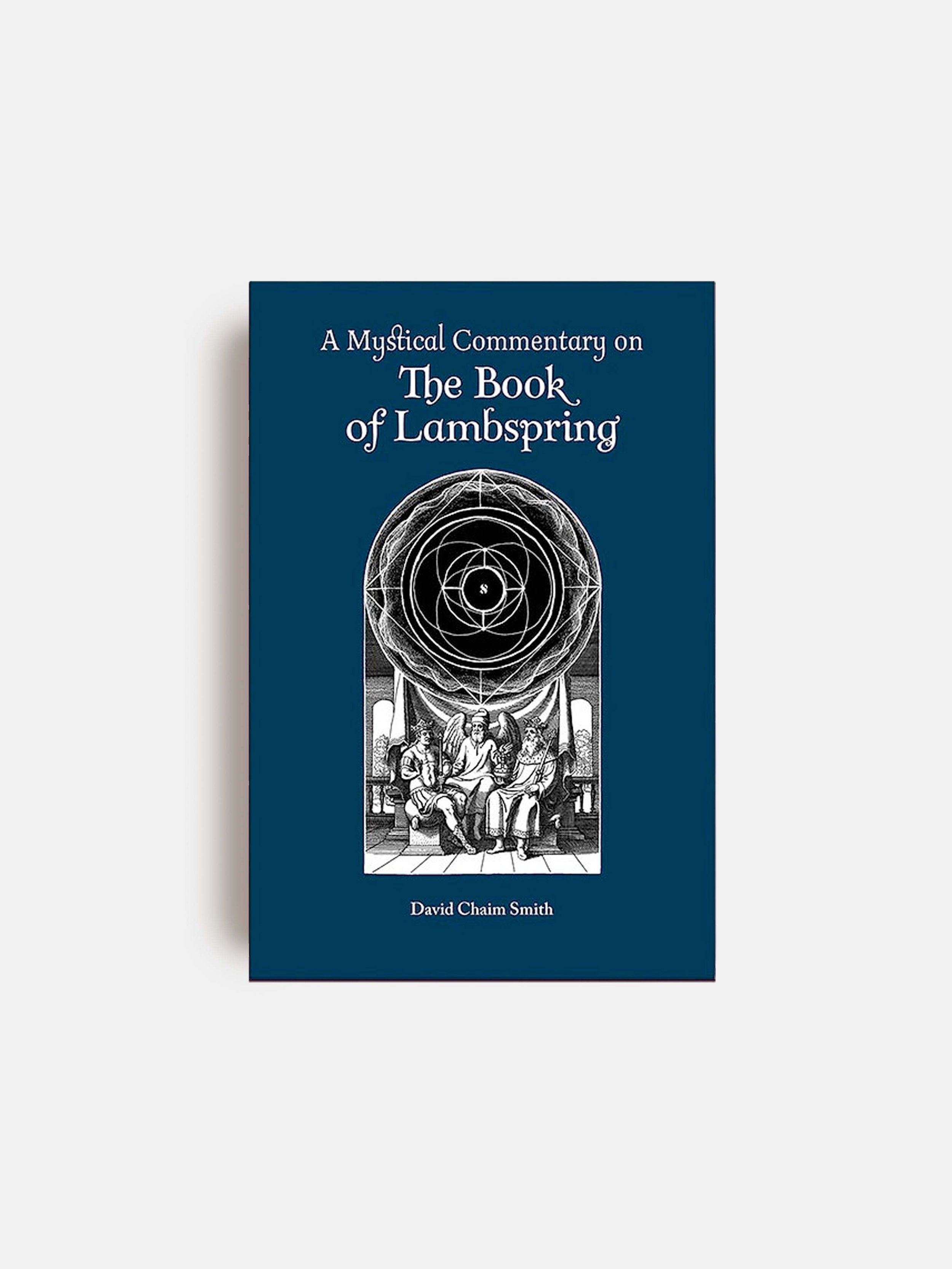
Linen Hardcover with Dust Jacket
• Perfect bound
• 42 images
• 108 pages
A Mystical Commentary on The Book of Lambspring is an esoteric interpretation of the classic 17th century text. The book differs from many alchemical works by almost entirely avoiding overt references to physical laboratory processes. Instead, the material provides an overview of the arc of mystical transmutation and a set of deep inner transformations that are pointed out in the commentary. The complete text and cycle of 15 emblematic engravings are presented alongside a detailed analysis that is articulated through the Kabbalistic symbol system. Accompanying this, is a set of originally constructed graphic seals that translate the content into sacred geometry through an unusual array of devices, such as the ibri gate and 9 chambers. The goal is for this masterpiece of the alchemical tradition to become accessible to serious practitioners of Hermeticism and Kabbalah for use in inner spiritual work.
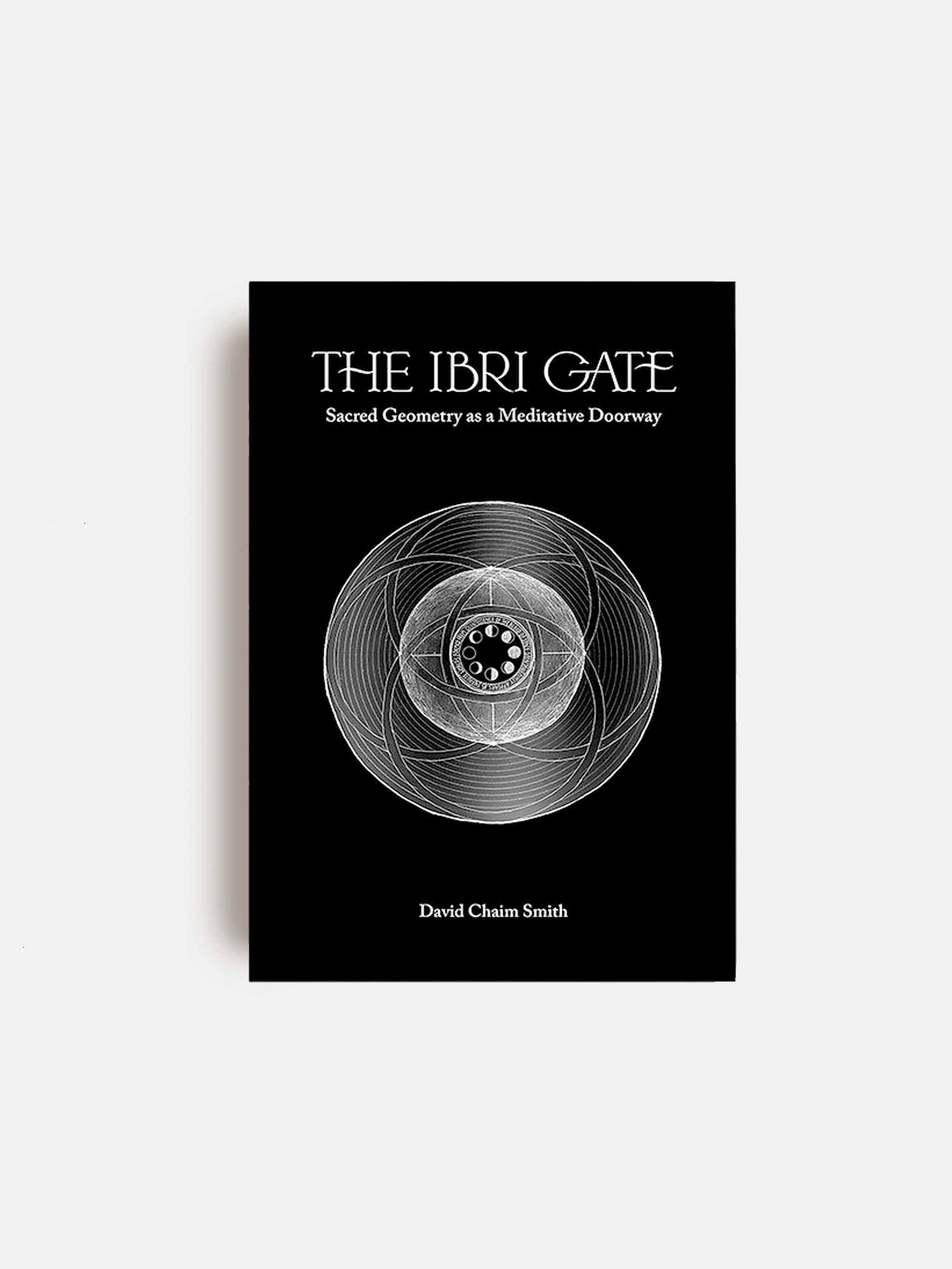
• 6x9 Paperback
• 21 images
• 72 pages
The Hebrew root of the word ibri means to “crossover” or “pass through.” The crossing that is dealt with in this book sits between ordinary perception and gnosis. A unique diagram is offered for use in meditation at this crucial intersection called The Ibri Gate. Many examples of this sacred image are provided. Practice with the geometry of the image allows the power of vision to dissolve conceptual networks on contact, to serve as a portal through the dense maze of psychological habits and reflexes. This passageway offers the practitioner a non-conceptual glimpse of the ground of all phenomena if the practice is accomplished correctly. The rare glimpses that arise can then be perfected over an entire lifetime.
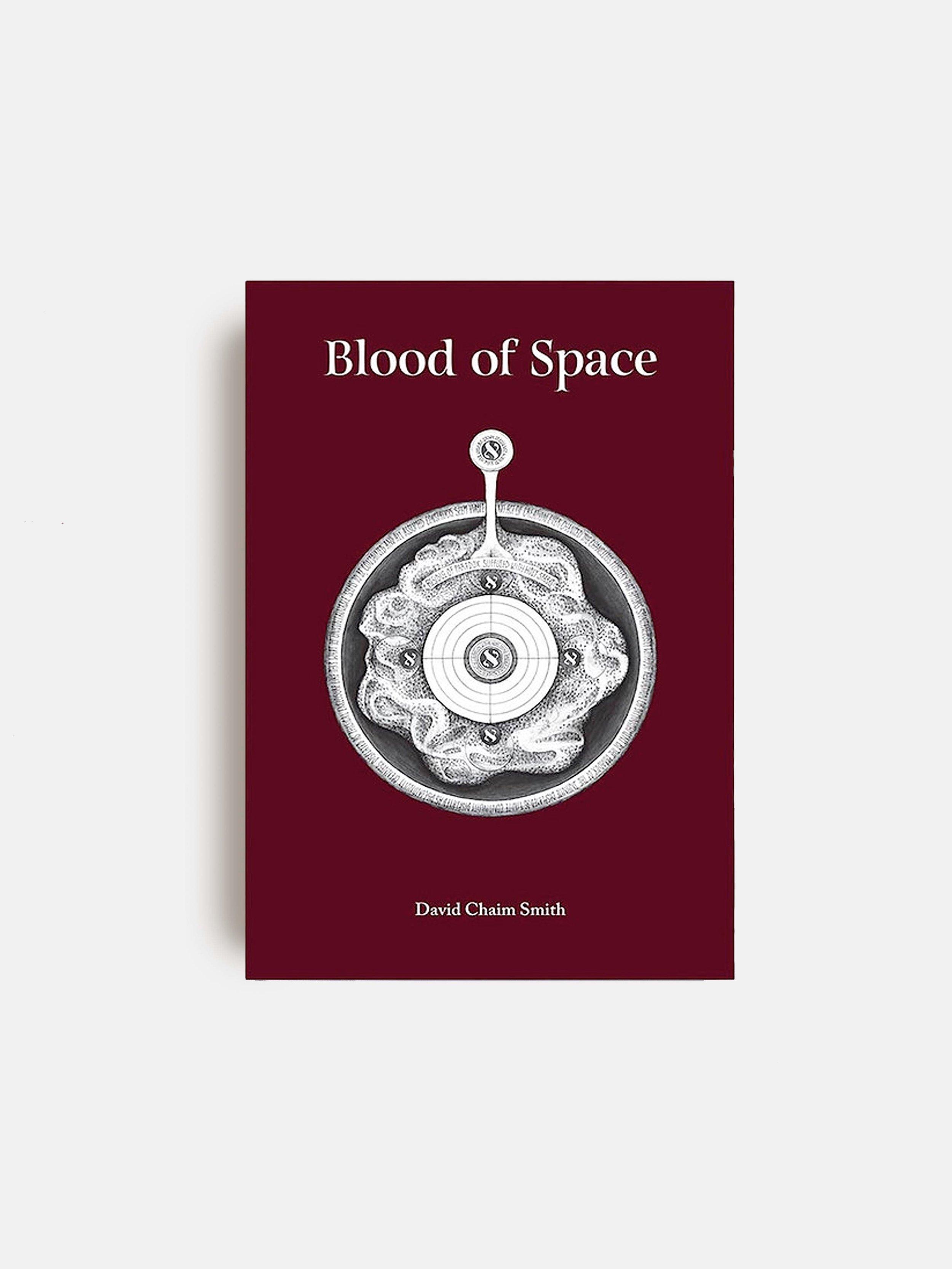
• 6x9 Paperback
• 47 images
• 108 pages
The Psycho-Aetheric Alchemy series presents innovative new works utilizing esoteric symbol systems established in the Lightning Flash of Alef books, published between 2017 and 2023. Volume 7, Blood of Space, is the final volume of the series. It provides an overview of the ultimate goals of path as well as useful technical instruction for formal practice. The text is a poetic accounting of the all-pervasive essence of reality called the “blood of space” which is engaged directly by vision. It is not what we see that is important, but how we see. The practitioner develops an affinity with this sublime essentiality as its blood becomes our blood, its flesh becomes our flesh, and its structurelessness becomes the structures in which we live. The goal is (literally) seeing this realization through, as the division between perceiving and what is perceived evaporates.
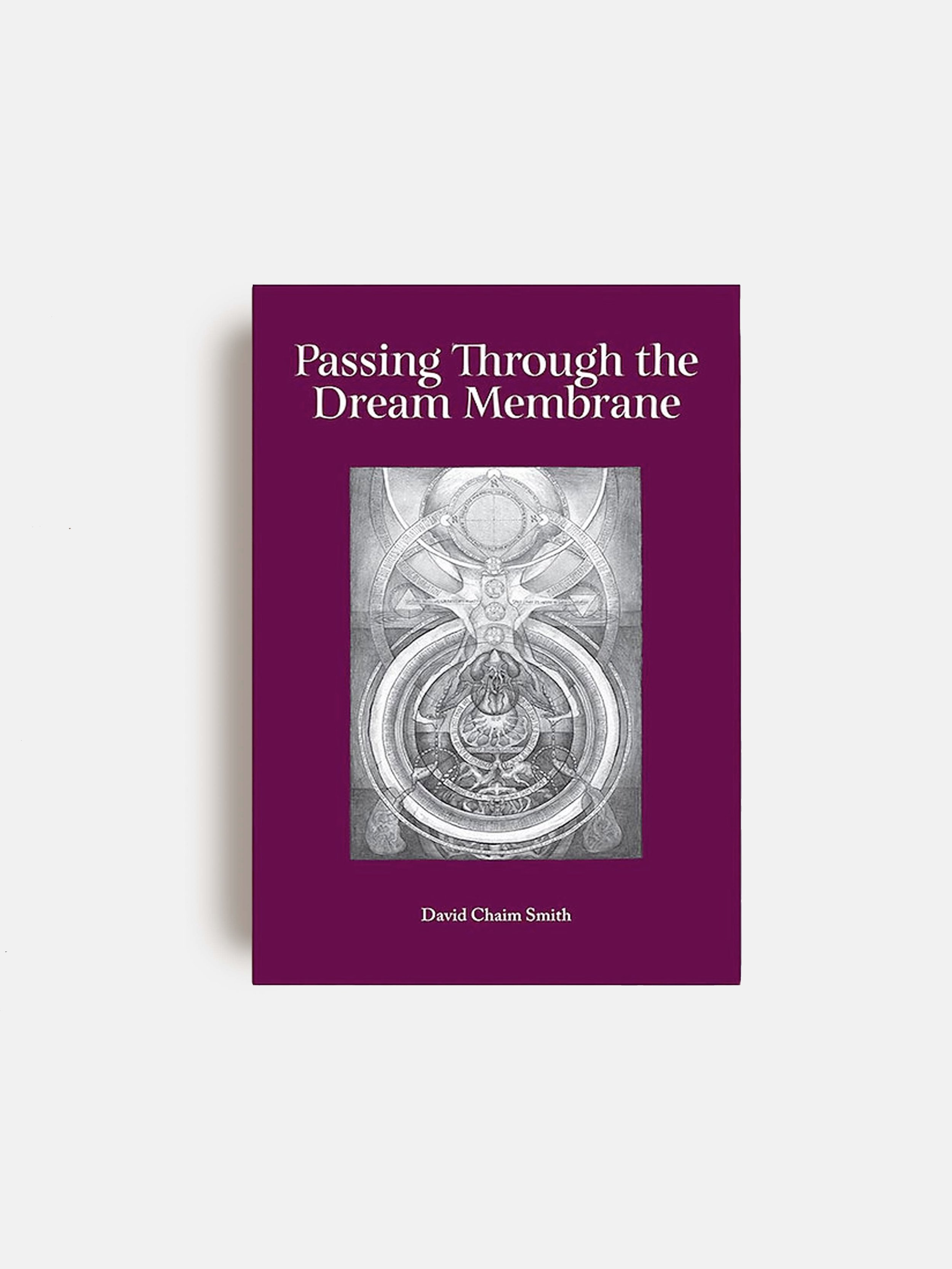
• 6x9 Paperback
• 47 images
• 112 pages
The Psycho-Aetheric Alchemy series presents innovative new works utilizing esoteric symbol systems established in the Lightning Flash of Alef books, published between 2017 and 2023. Volume 6, Passing through the Dream Membrane, examines the root potency of vision, which cannot be limited to the boundaries of physical sight or the imagination. The deepest regions of the visionary power are probed in glimpses through a “dream membrane” where the transitory experiences of consciousness mix with what is utterly beyond comprehension. The practitioner passes through the membrane as the essence of reality is explored in contemplation. Themes related to this are elucidated here with poetic firsthand accounting.
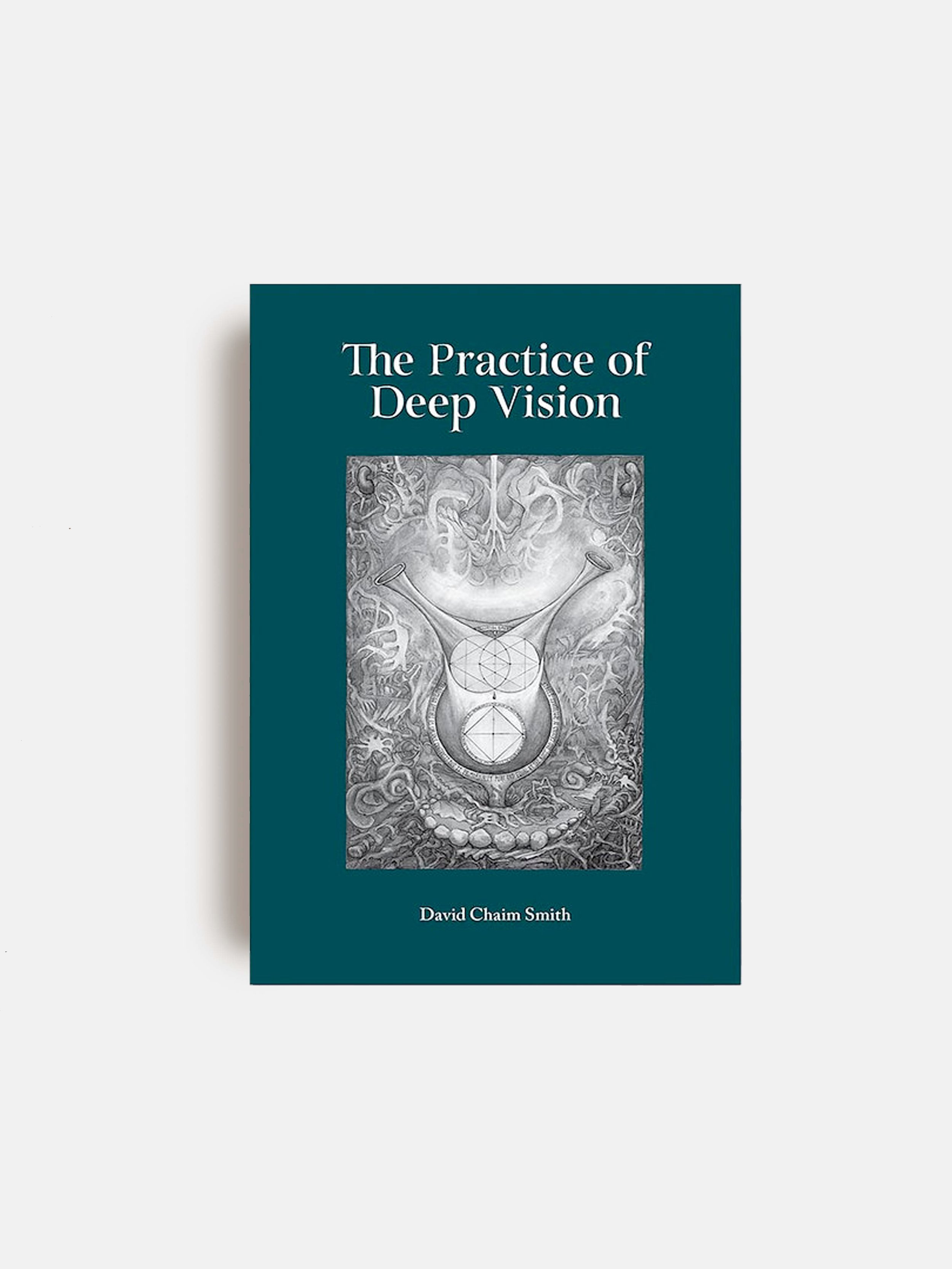
• 6x9 Paperback
• 25 images
• 104 pages
The Psycho-Aetheric Alchemy series presents innovative new works utilizing esoteric symbol systems established in the Lightning Flash of Alef books, published between 2017 and 2023. The Practice of Deep Vision is a text on meditation within the context of esoteric cartography. The images are living portals that can carry the mind into non-conceptual registers of meaning by re-shaping the imaginal facility (the mind’s eye). Consciousness learns to bypass personal imagination and fantasy so that the images can be worked with on the inner level. Ultimately, the main concern is not the image, but vision itself. The power of vision can realize the potentiality at the heart of all things, and cartographic images provide a means to transmit the wisdom that can allow this ultimate aspect of meaning to be explored.
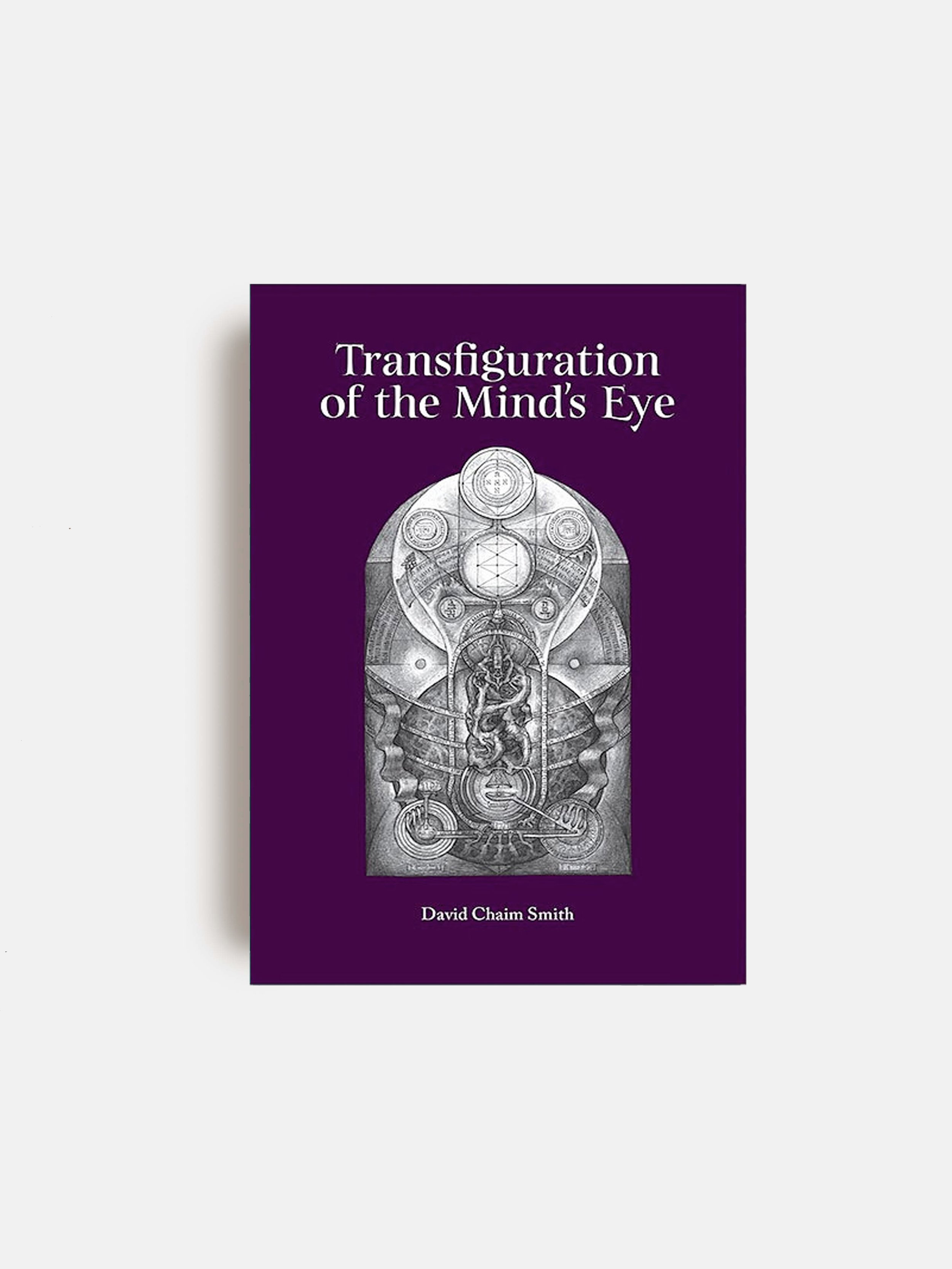
• 6x9 Paperback
• 49 images
• 104 pages
The Psycho-Aetheric Alchemy series presents innovative new works utilizing esoteric symbol systems established in the Lightning Flash of Alef books, published between 2017 and 2023. Transfiguration of the Mind’s Eye is a Kabbalistic analysis of the great work that summarizes major transitions on the tree of life through 5 configurations of sefirot. The main focus is on how keter shapes the tree by allowing Aur En Sof to pour through either encumbered by resistances (klipot) or unencumbered as the innate purity of reality. Since a working understanding of the sefirot is required to understand this distinction, this volume is best suited for those with a strong background in either Hermetic or Hebrew Kabbalah.
• 6x9 Paperback
• 61 images
• 132 pages
The Psycho-Aetheric Alchemy series presents innovative new works utilizing esoteric symbol systems established in the Lightning Flash of Alef books, published between 2017 and 2023. Volume three is titled Metacartograph. A metacartograph is the highest category of esoteric cartography, which is a type of sacred image making unaffiliated with either organized religion or secular culture. The work is completely in its own category, and constitutes a radical departure from the role of art in contemporary society. The cartographer gives their entire life over to the process to become an open channel for the sublime mystery at the heart of all things. The process is a form of prayer, both in its manufacture as well as its viewing. This volume delves into both aspects along with the practice of mystical contemplation that makes both possible.
• 6x9 Paperback
• 46 images
• 96 pages
The Psycho-Aetheric Alchemy series presents innovative new works utilizing esoteric symbol systems established in the Lightning Flash of Alef books, published between 2017 and 2023. Volume Two, Calling Forth the Aethers, is a kabbalistic treatise on the practice of gathering and envisioning subtle aetheric impulses. The text focuses on the theory that supports various forms of scrying, and serves as the basis for the method of esoteric cartography on display in the images accompanying the text.
• 6x9 paperback or
• Perfect bound
• 25 images
• 112 pages
We are very happy to launch a new series of paperback books entitled Psycho-Aetheric Alchemy. This series will present innovative new works utilizing esoteric symbol systems established in the Lightning Flash of Alef books, published between 2017 and 2023. Volume One bears the title of the series and is based on a set of 72 concise contemplative passages presented in numbered sections. Each passage is accompanied by ann image from the extended body of esoteric cartographs from 2006 until present.
The Eneatych is the seventh and last volume of the Lightning Flash of Alef series. It introduces a practice that conditions the mind but is established in the heart. This is where the long road to the crystallization of the philosopher’s stone begins. The alchemical stone is neither a physical substance nor a psychological state … it is a prism through which the infinite passes and reality is seen. The heart establishes the foundation stone of the holy temple, the pivot point of the axis mundi, the center of the universe, and the point from which the original tzimtzum contracted to the sides leaving a vacated space. This is the point from which all calculation and measurement commences, where conceptuality both begins and ends. In order to understand this way of working this book presents 9 central Kabbalistic themes (The Eneatych) that comprise a curriculum for study and contemplation that can constitute an entire lifetime’s work.
By David Chaim Smith
• Standard edition
• 8x10 clothbound hardcover book
• Smyth sewn
• Blocked in silver metallic
• Custom endpapers
• 50 images
• 152 pages
Pre-Order, shipping estimated to early September 2023.
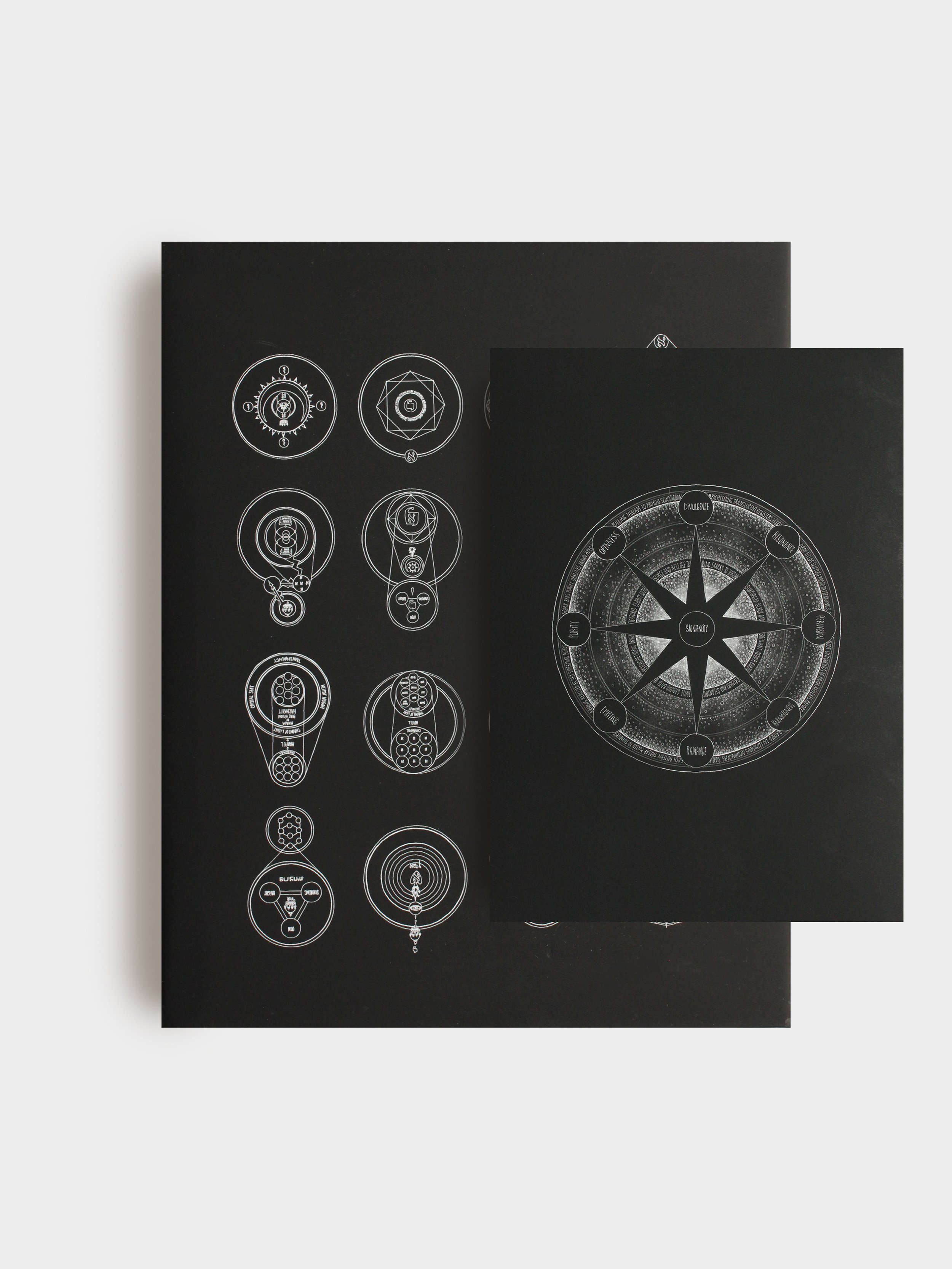
The Thirty-Two Keys is a group of symbolic images that provide an overview of the non-emanationist interpretation of the Kabbalah based on sources that span eight centuries. The images support a set of contemplative exercises configured for a 288-day period and serve as an introduction to the greater path of mysticism in all its forms. Beyond its introductory role, The Thirty-Two Keys is a powerful tool for contemplation at any point on the path and is absolutely unique in the literature of the Western Esoteric Tradition. This second edition has profoundly refined the original material and extensively reworked both the text and the images to make the content clearer and more accessible than ever.
The second edition has been fully rewritten cover-to-cover and is presented in an 8x10 format to match most other volumes in the series. The contemplation cards have also been enhanced to improve the visual impact.
• Standard edition
• 8x10 clothbound hardcover book
• Smyth sewn
• Blocked in silver metallic
• French fold dust jacket
• Custom endpapers
• 40 images
• 212 pages
• Includes a deck of 32 contemplation cards
• Video course available
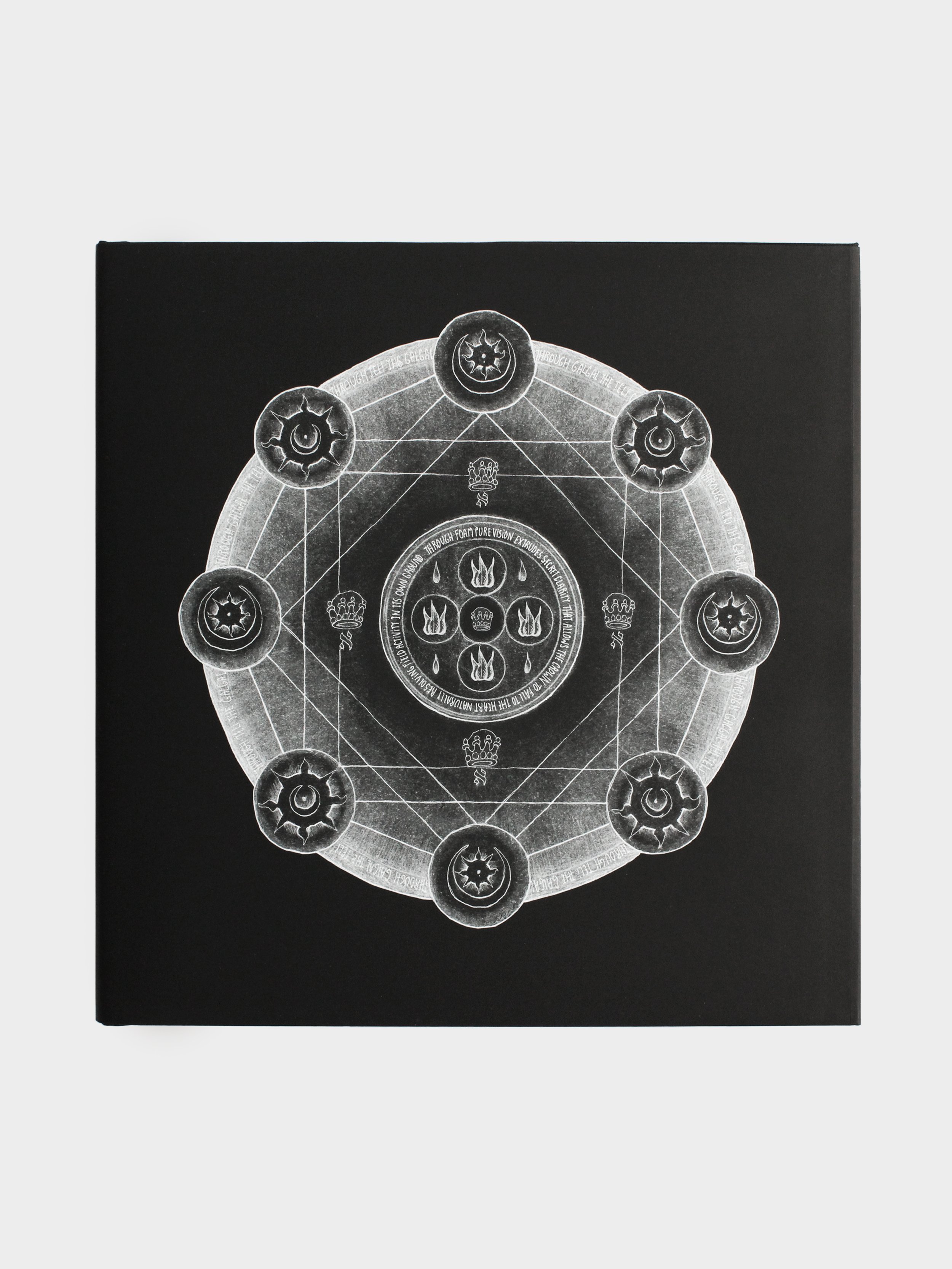
• 10x10 Clothbound hardcover book
• 172 Pages
• Smyth sewn
• Blocked in silver metallic
• French fold dust jacket
• Custom endpapers
• 43 Images
If we hold ourselves as separate observers of reality, we will never understand reality. Contemplative mysticism is like a wild beast that consumes itself upon the fires of its own life force. The labyrinth of impressions that constitute so-called “ordinary” life are incinerated whole as a single sacrificial offering as the mind confronts the endless expanse of its own confusions and pain. This becomes the great tikkun (repair) for a seemingly meaningless random universe based on cognitive error. Reality is then absorbed within the very space that presents it, familiarity passes into oblivion, and an astonishing secret nutrient becomes available to all those who seek it.
In this style of contemplative practice, the psycho-aetheric toxins that obscure phenomena are sipped like a bee draws nectar from a flower and the universal solvent called black aether is discovered in the heart of the most virulent and poisonous klipot (shells of superficiality). The black aether dissolves and annihilates the whole field of illusions, and as each obstructive shell evaporates into nothingness the secret elixir of En Sof overflows through whatever appears. When delusion is overcome only En Sof remains, and reality is spontaneously reborn as profound truth, beauty, and goodness. This realization is the true goal of the great work.
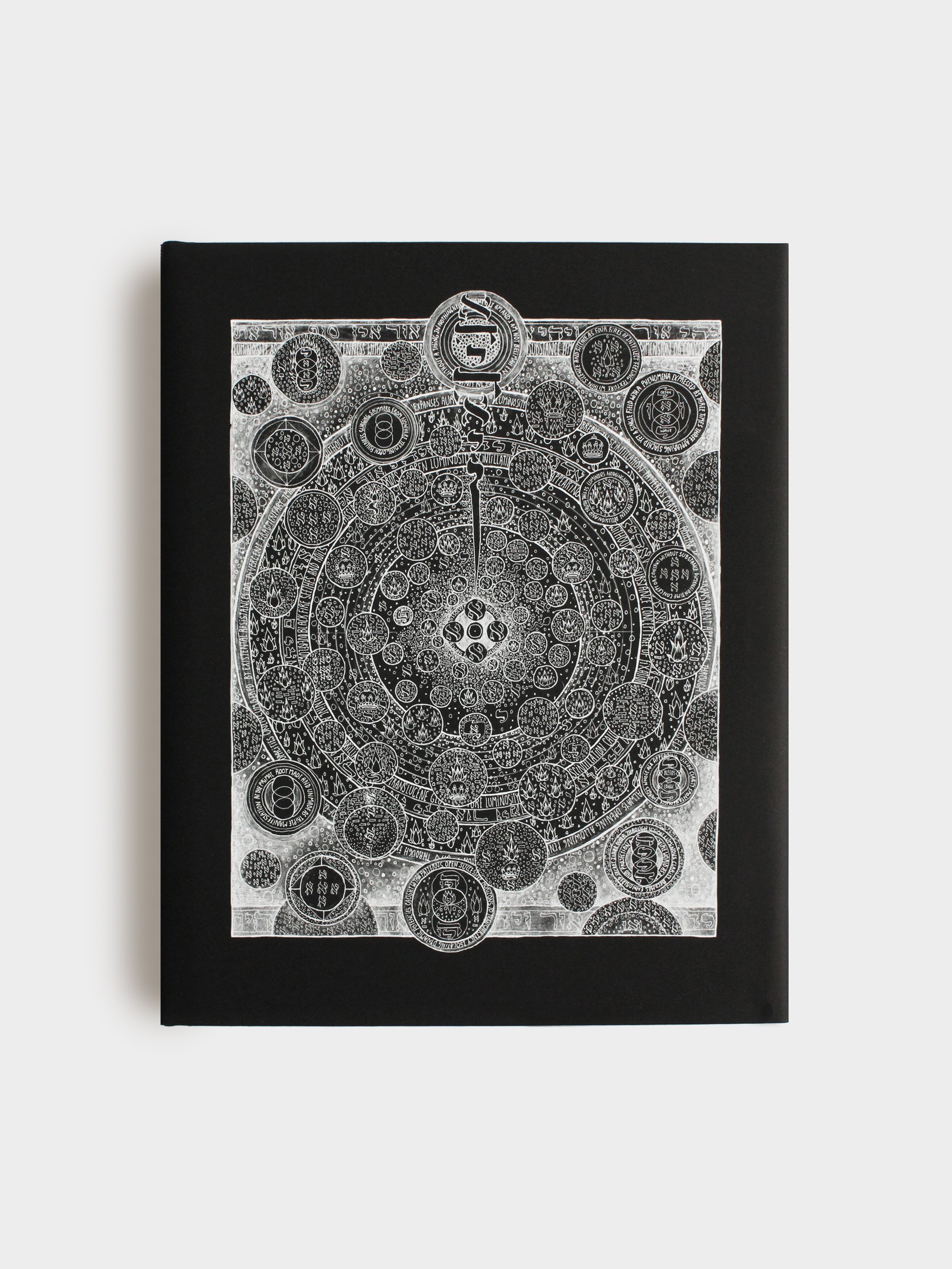
Quintessence of Secret Mercury: Practices, Prayers and Parables
By David Chaim Smith
The fifth book in the Lightning Flash of Alef series, is an image-saturated expression of mystical surrender into the expanse of the infinite. The work contains a selection of highly unusual contemplative practices and prayers, a cycle of sixteen kabbalistic drawings called Tikkun of the Circle, and a rare visionary text (bearing the title of the book) based on alchemical transmutation completed over the course of ten years.
Clothbound hardcover book
Smyth sewn
Blocked in silver metallic
French fold dust jacket
8 in. x 10 in.
Custom endpapers
104 pages
38 full-page images
4 vignettes
1 folding plate poster
HYLDYR
Plants, gods, & other beings in Swedish folklore
Sara Bonadea George | Joseph S. Hopkins (editor), John Lindow (contributor)
In the countryside of 19th and early 20th century Sweden, folklorists traveled the land recording a wide variety of folk beliefs and practices. Some of these recordings demonstrate a belief in ancient gods, supernatural beings, and personified plants helping or hindering humanity. For example, the goddess Fröja visits on a winter night to shake apple trees, beneath an evergreen oak lives a white serpent that grants wisdom when consumed, and an offering of braided straw should be made to a field god to ensure a bountiful harvest. Translated and discussed by Swedish folklorist Sara Bonadea George and introduced by legendary folklorist John Lindow, this beautiful and fully illustrated window into a world now gone is unlike anything before it.
2025. 214 pages. 5x7.
First Edition. Published by Hyldyr.
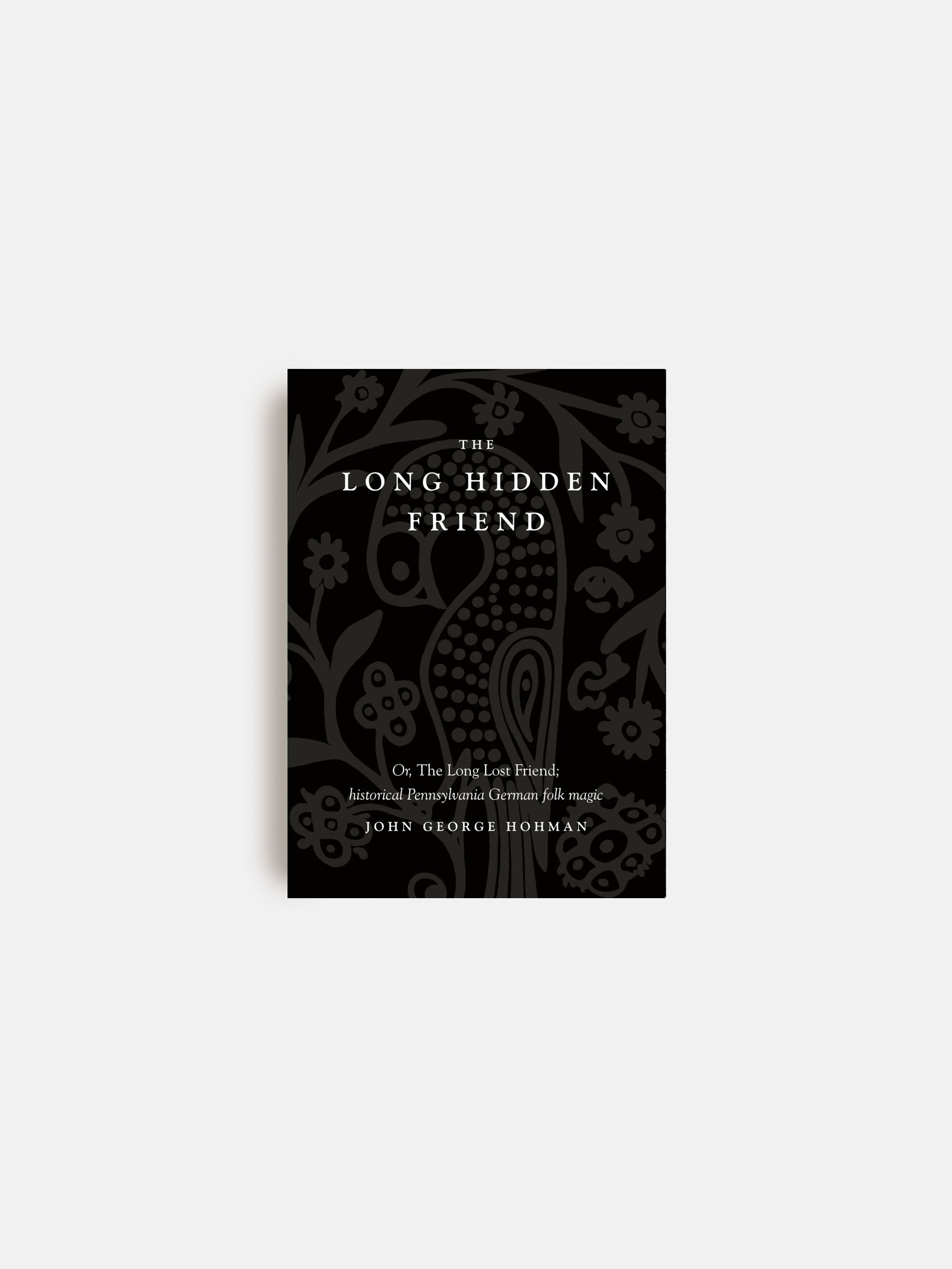
The Long Hidden Friend; Or, the Long Lost Friend; Historical Pennsylvania German folk magic
John George Hohman | Kevin Alexandrowicz (illustrator), Ceallaigh S. MacCath-Moran (contributor), Carleton F. Brown (contributor)
In 1820, the mysterious German-speaking migrant John George Hohman scraped together what little he had to publish a remarkable collection of material from European occult circles and traditional folk knowledge: Der lange verborgene Freund. Later translated into English as The Long Hidden Friend or The Long Lost Friend (among other names), Hohman's book was embraced by generations of audiences as far afield as southern Appalachia and among practitioners of Hoodoo. This gorgeous publication features the classic critical English edition of the text by philologist Carleton F. Brown (Journal of American Folk-Lore) alongside a new introduction by folklorist Ceallaigh S. MacCath-Moran and reproductions of incredible Pennsylvania German folk art by Kevin Alexandrowicz.
2025. 326 pages. 5x7.
First Edition. Published by Hyldyr.
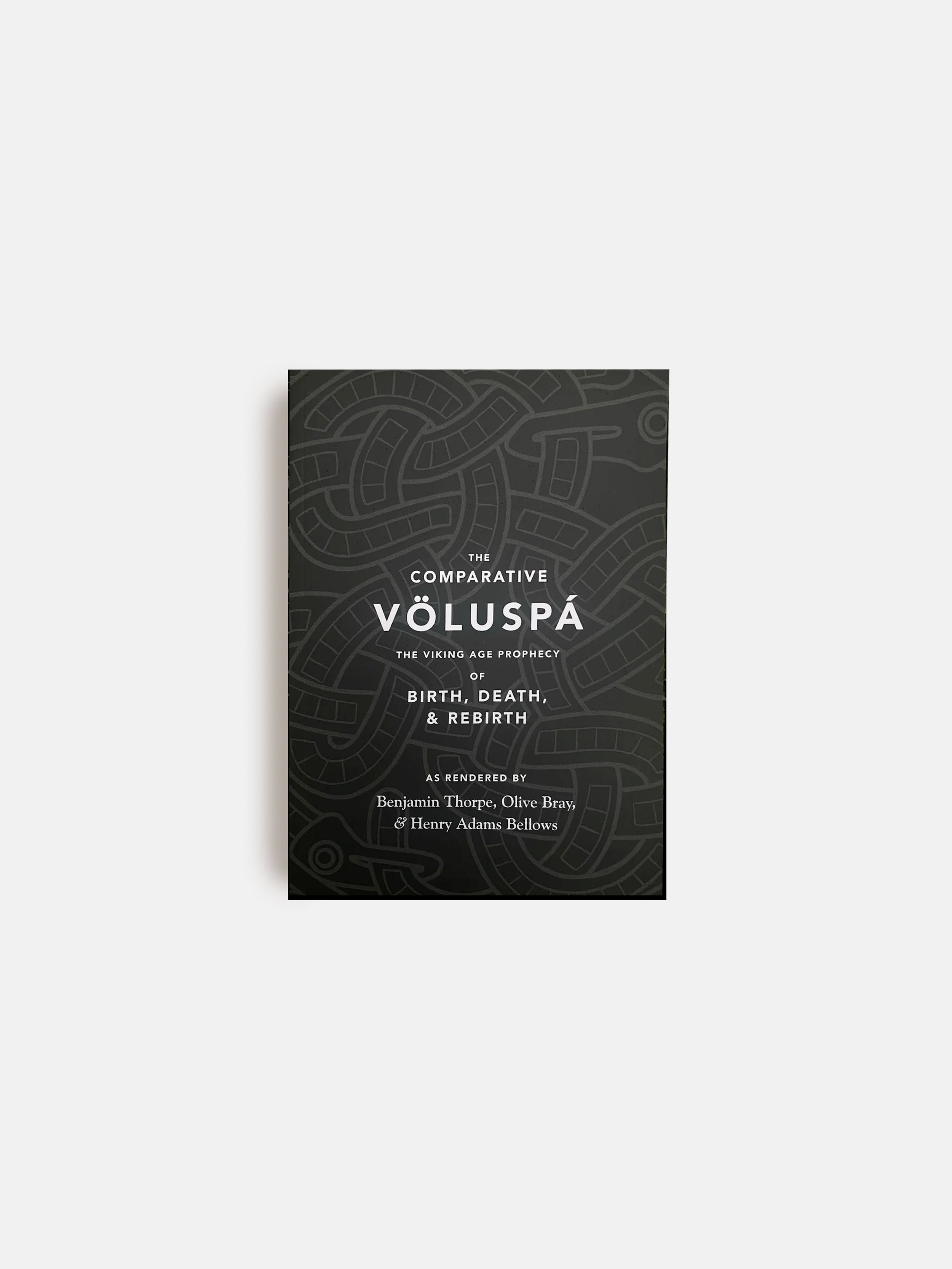
“There feeds he full on the flesh of the dead,
And the homes of the gods he reddens with gore;
Dark grows the sun, and in summer soon
Come mighty storms: would you know yet more?”
Originating in Viking Age Scandinavia but containing elements of much earlier origin, no poem in the Old Norse corpus is more celebrated than the harrowing masterpiece Völuspá, the 'prophecy of the völva', a type of seeress esteemed in the pagan period comparable to contemporary notions of a witch. In the poem, the wise warleader and healing god Odin questions an undead völva about the foretold death of his beloved son, Baldr. The völva tells us about the deep past and along with it a horrific future followed by green rebirth. This unique and beautiful edition features the work of three translators beside an Old Icelandic edition, as well as numerous additional supplemental items and original commentary.
2024. 260 pages. 5x7.
First Edition. Published by Hyldyr.
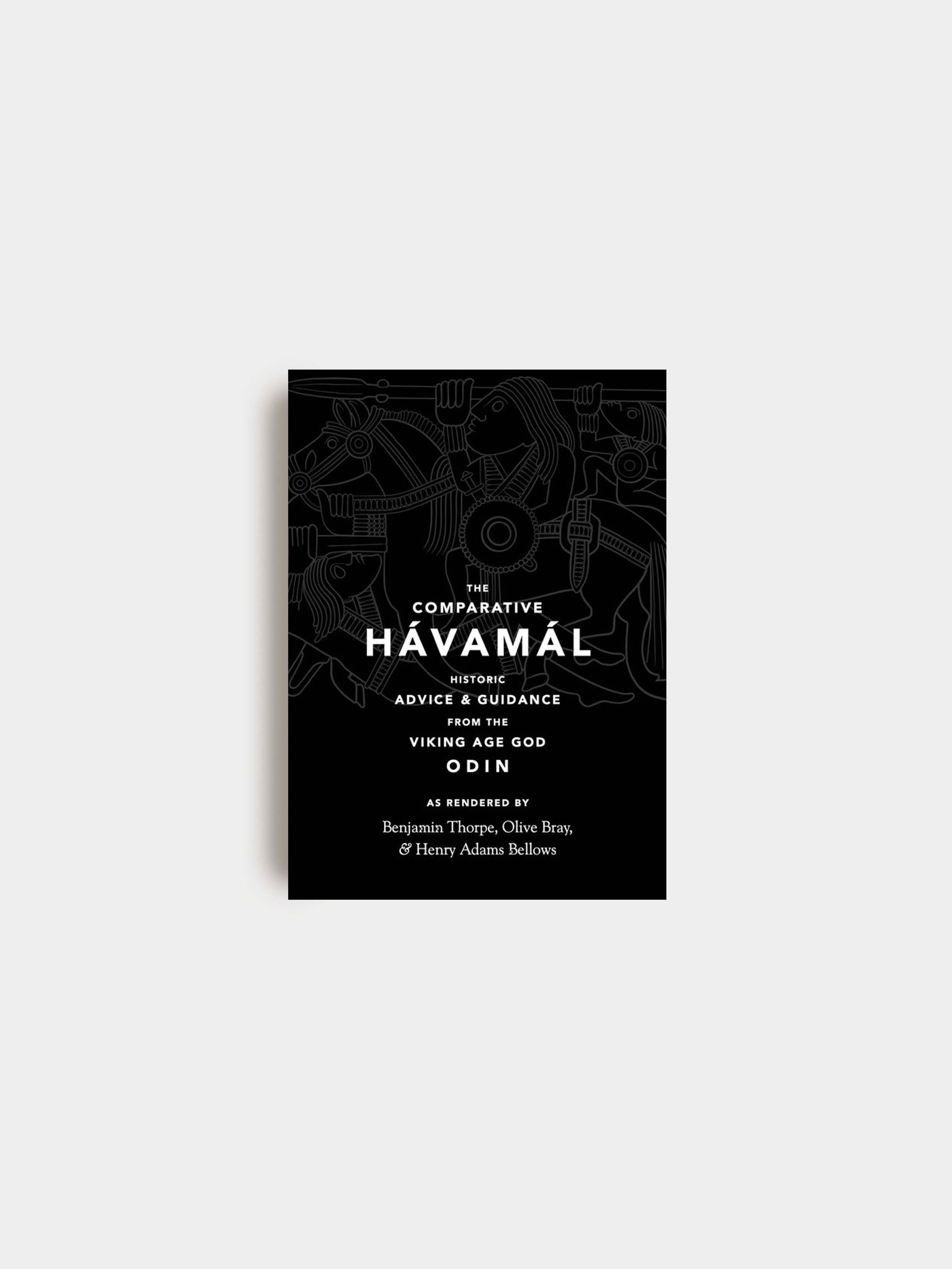
The Comparative Hávamál
Historic Advice & Guidance from the Viking Age God Odin by Bellows, Bray, Thorpe, & More
“A tree withers that on a hill-top stands;
protects it neither barks nor leaves:
such is the man whom no one favors:
why should he live long?”
Widely celebrated and referenced in popular culture as a literary treasure and even achieving the status of holy scripture in some contemporary new religious movements, the enigmatic poem Hávamál reaches us today by way of a single Old Icelandic manuscript dated to the 1200s, though it consists of (in some cases much) earlier traditional material. Its contents range from the practical to the profound, from the everyday to the deeply occult, all presented in the voice of the god Odin (Óðinn) as guidance for humankind, his creations. Featuring original art from Katie Metcalfe and Jacqui Alberts, newly introduced by scholar Lyonel Perabo, and with commentary from philologist Joseph S. Hopkins, this beautiful new edition presents three celebrated translations of the text beside its original Old Icelandic.
2024. 404 pages. 5x7. Published by Hyldyr.

The Folk of the Mountain Door: A Victorian-Era Pagan Fantasy by William Morris
The revolutionary English polymath William Morris's influence on the development of the genre of fantasy fiction is today widely recognized as profound, with his The House of the Wolfings (1888) and especially his The Roots of the Mountains (1889) directly and greatly influencing English fantasy author J. R. R. Tolkien's The Hobbit (1937) and The Lord of the Rings (1954-1955). Alongside Morris's two innovative fantasy novels is a third, stranger work: The Folk of the Mountain Door, an unfinished book he worked on until his death in 1896. Its contents display yet another Morris innovation: a pagan fantasy wherein the benevolent gods Odin and Frigg of Old Norse mythology relay prophesy and advice to an aging king about a dying world. Presenting one of Morris's most obscure and yet most interesting works, this unique and fascinating edition contains enigmatic material from the historic record that inspired him, alongside original commentary and Morris's horror retelling a Danish folktale, Lindenborg Pool.
First edition limited to 333 hand-numbered copies
140 pages. 5x7. Published by Hyldyr.
Printed in the USA and/or Canada.

Dark Forest Longing: Tales of Folk Horror & Nature Mysticism by Ludwick Tieck
NEWLY INTRODUCED BY folklorist C.S. MacCath
Although today largely unknown in the English-speaking world, few authors in history can match the potent and uncanny darkness conjured by the trailblazing German romanticist Johann Ludwig Tieck (d. 1853). Drawing from extensive familiarity with the folklore record, Tieck guides readers to unexpected places, presenting a deeply mystical picture of nature alongside unfathomable horrors that may well stick with you for the rest of your days. This edition features historic translations of Tieck’s masterful “The Runenberg”, “The Elves”, and “Blond Eckbert” presented alongside art by Tieck’s legendary contemporary Caspar David Friedrich (1774-1840), a new introduction from folklorist Ceallaigh S. MacCath-Moran (Memorial University of Newfoundland and Labrador), and a variety of new supplementary items.
First edition limited to 333 hand-numbered copies
208 pages. 5x7. Published by Hyldyr.
Printed in the USA and/or Canada.

The Roots of the Mountains Part I of II by William Morris, Newly Introduced by Ruth Tolkien.
Ultimately one of the most influential novels of all time and yet today oddly obscure, English translator, artist, architect, and Marxist William Morris’s The Roots of the Mountains built the foundation of contemporary fantasy fiction. Notably, Morris’s epic profoundly influenced well-known works like J. R. R. Tolkien’s The Hobbit and The Lord of the Rings, inspiring characters such as Tolkien’s Éowyn and his orcs. Set in an idyllic and fictional valley surrounded by immense and mysterious mountains, Morris’s fictional narrative focuses on a group of pagan Goths and the experiences of their golden son, Face-of-God (an apparent translation of the Old Norse name Ásgrím). One day he encounters a group of mysterious strangers, among them the entrancingly beautiful the Friend, only to find that what they have to tell him threatens the lives of everyone he knows and loves. Yet this foretold Ragnarök is not met with fear but community, friendship, and unity. This experimental, innovative, and even shocking Victorian work draws from history and folklore to produce a tale of lust and love and brutality and bloodshed. A distant and vague sequel to Morris’s experimental, Old Norse literature-inspired The House of the Wolfings (also available from Hyldyr), which focused on a small community’s efforts to fend off the Roman invasion of a Gothic settlement, Morris’s The Roots of the Mountains draws inspiration from Jordanes’s Getica, an account of the Goths from the 500s. This edition features not only excerpts from Getica, but also a new introduction from Ruth Tolkien, great-granddaughter of J. R. R. Tolkien, and numerous new supplementary items from editors Joseph S. Hopkins and Lauren E. Fountain alongside art from the historic record by Jacqui Alberts.
First edition: parts I & II each limited to 200 hand-numbered copies
Part I: 284 pages. Part II: 276 pages.
Both editions 5x7. Published by Hyldyr.
Printed in the USA and/or Canada.
The Roots of the Mountains Part II of II by William Morris
Ultimately one of the most influential novels of all time and yet today oddly obscure, English translator, artist, architect, and Marxist William Morris’s The Roots of the Mountains built the foundation of contemporary fantasy fiction. Notably, Morris’s epic profoundly influenced well-known works like J. R. R. Tolkien’s The Hobbit and The Lord of the Rings, inspiring characters such as Tolkien’s Éowyn and his orcs. Set in an idyllic and fictional valley surrounded by immense and mysterious mountains, Morris’s fictional narrative focuses on a group of pagan Goths and the experiences of their golden son, Face-of-God (an apparent translation of the Old Norse name Ásgrím). One day he encounters a group of mysterious strangers, among them the entrancingly beautiful the Friend, only to find that what they have to tell him threatens the lives of everyone he knows and loves. Yet this foretold Ragnarök is not met with fear but community, friendship, and unity. This experimental, innovative, and even shocking Victorian work draws from history and folklore to produce a tale of lust and love and brutality and bloodshed. A distant and vague sequel to Morris’s experimental, Old Norse literature-inspired The House of the Wolfings (also available from Hyldyr), which focused on a small community’s efforts to fend off the Roman invasion of a Gothic settlement, Morris’s The Roots of the Mountains draws inspiration from Jordanes’s Getica, an account of the Goths from the 500s. This edition features not only excerpts from Getica, but also a new introduction from Ruth Tolkien, great-granddaughter of J. R. R. Tolkien, and numerous new supplementary items from editors Joseph S. Hopkins and Lauren E. Fountain alongside art from the historic record by Jacqui Alberts.
First edition: parts I & II each limited to 200 hand-numbered copies
Part I: 284 pages. Part II: 276 pages.
Both editions 5x7. Published by Hyldyr.
Printed in the USA and/or Canada.
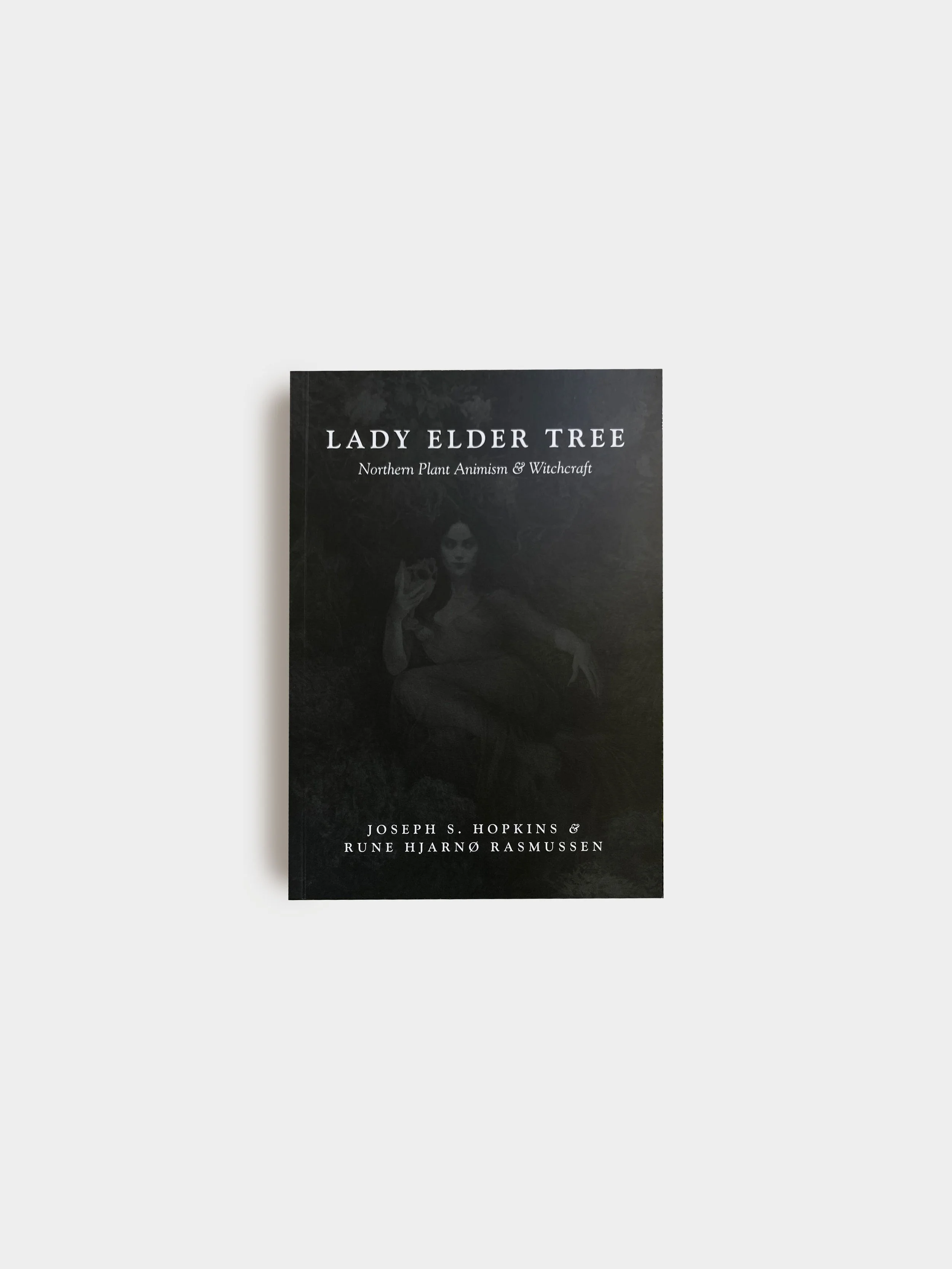
Lady Elder Tree: Northern Animism & Witchcraft by J.S. Hopkins & Rune Hjarnø Rasmussen
No other plant is more associated with witchcraft in parts of northern and western Europe than the elder tree (Sambucus nigra). An Old English Christian canon explicitly forbids its veneration while later tales strongly associate the elder with witches and witchcraft. Yet the plant is also personified as a goddess-like figure who heals and punishes, the Elder Tree Lady. Appeals to the Elder Tree Lady are especially strongly recorded in Denmark and southern Sweden, where one must ritually ask her before removing any part of the plant—or else. Featuring 12 original illustrations by 12 different artists working in 12 different styles, here researchers Joseph S. Hopkins & Rune Hjarnø Rasmussen present and discuss historic references to this incredible figure alongside poetry, literature, and traditional recipes.
First edition: limited to 600 hand-numbered copies
144 pages. 5x7. Published by Hyldyr.
Printed in the USA and/or Canada.
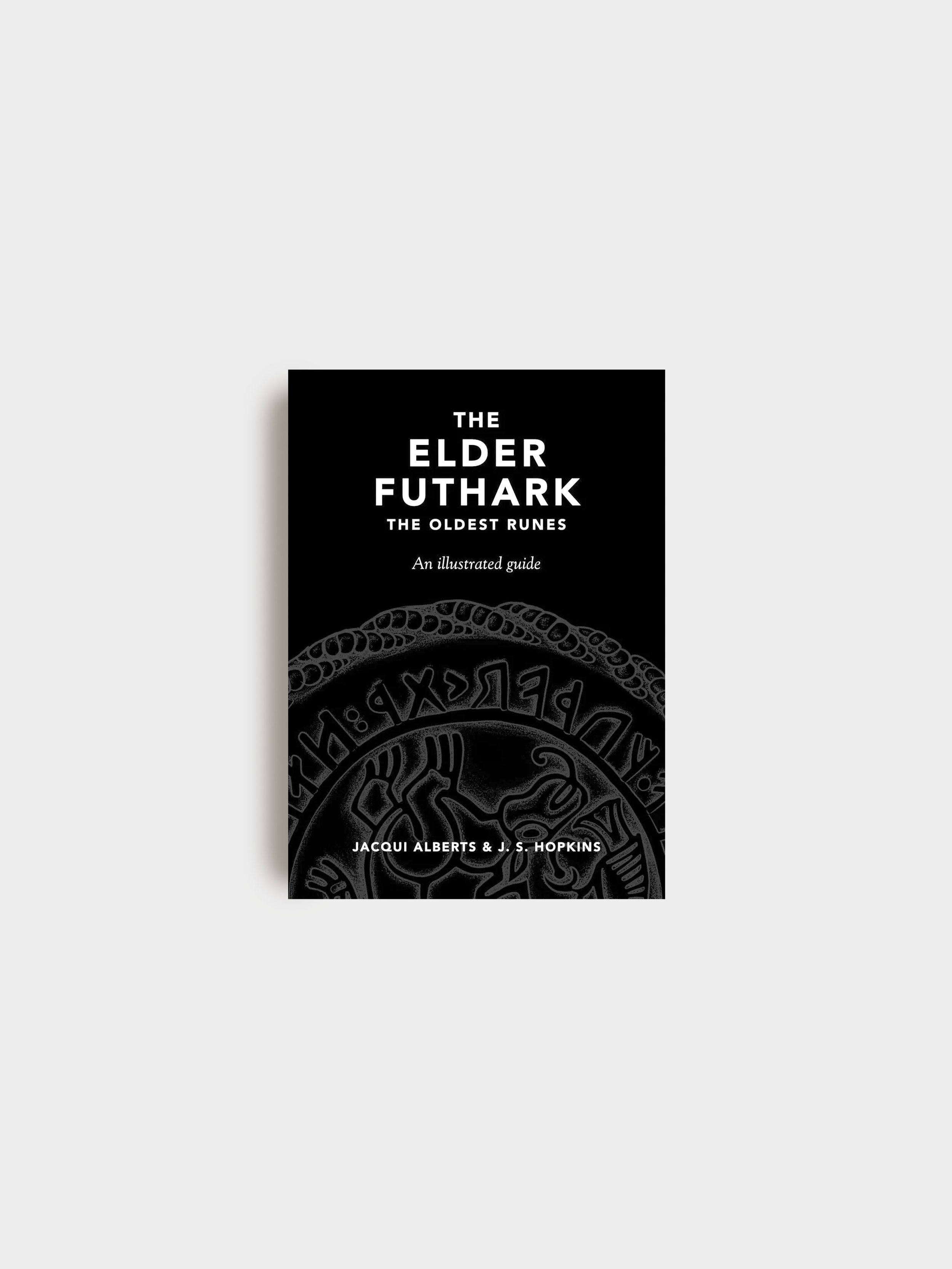
The Elder Futhark is an alphabet developed and used by speakers of early Germanic languages in large areas of Europe. Each rune was assigned a sound value and name. The Elder Futhark is the oldest of the runic writing systems and the source from which all other runic alphabets stem. Runes have become a fantasy fiction staple and a popular topic of interest. Ideal for artists, writers, contemporary heathens and beyond, this book serves as an accessible and scholarship-grounded introduction to the oldest runic alphabet, the Elder Futhark. Illustrated by Jacqui Alberts and authored by philologist Joseph S. Hopkins.
First edition: limited to 333 hand-numbered copies
128 pages (100 lb paper). 5x7. Published by Hyldyr.
Printed in the USA and/or Canada.
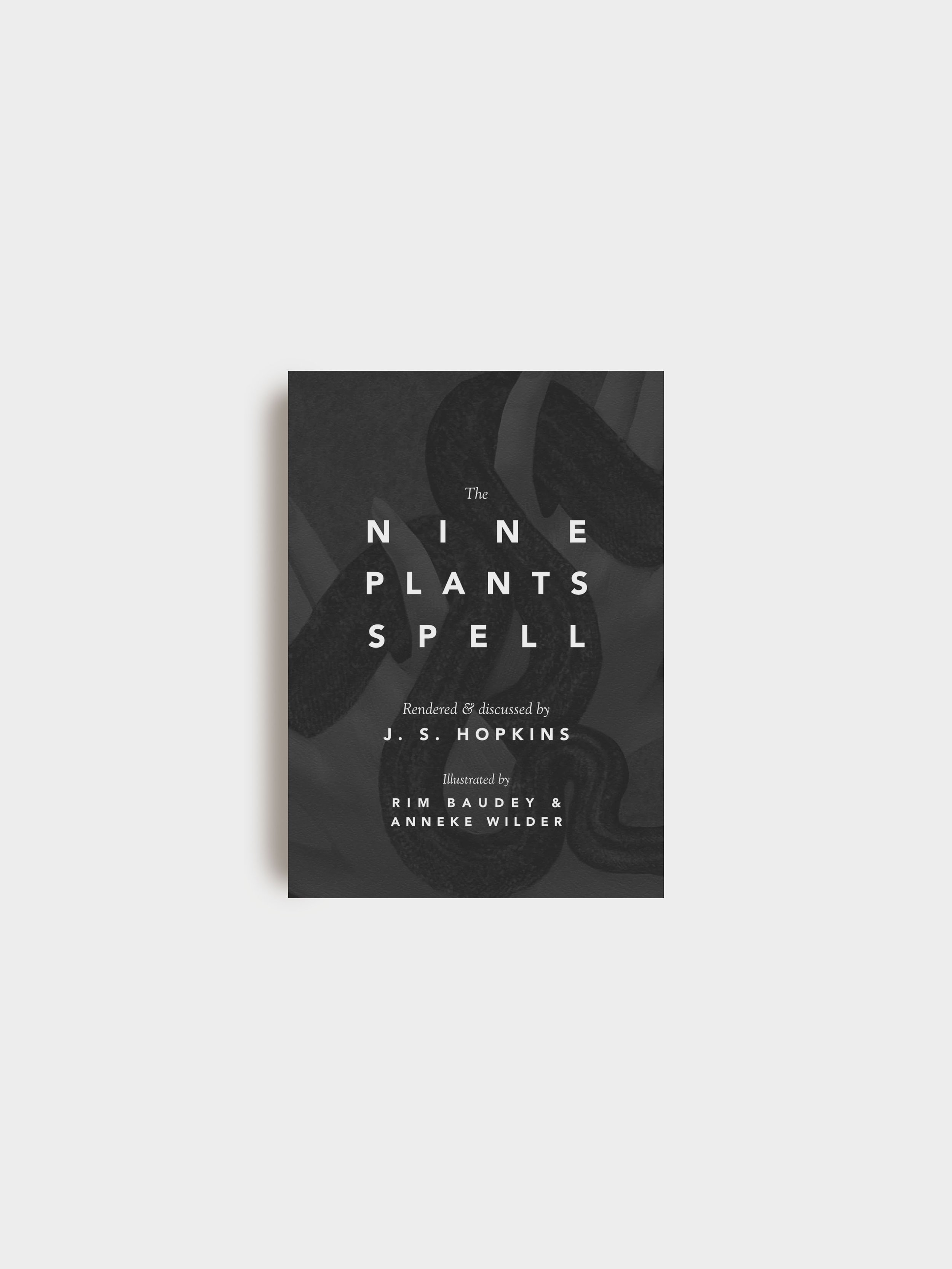
"Nigon Wyrta Galdor: The Nine Plants Spell" by J. S. Hopkins with art by Rim Baudey & Anneke Wilder
Vibrantly animistic and remarkably hypnotic, Nigon Wyrta Galdor—the so-called Nine Herbs Charm—is an Old English healing galdor that invokes nine personified plants and the pagan god Woden to defeat a serpent before exploding in a psychedelic climax.
One of the most mysterious items in the Old English corpus, and originally sang, chanted, or otherwise performed to treat an unknown malady, philologist Joseph S. Hopkins’s new translation of Nigon Wyrta Galdor provides a rare window into a living landscape from a lost time, dripping with mysticism and mystery, humming with life.
Introduced by Danielle Cudmore (Halmstad University, Sweden) and featuring illustrations by Rim Baudey and Anneke Wilder.
New to the second edition is new art from Rim Baudey and several new essays, including a dual edition of the text, making it over double the size of the first edition.
Second edition limited to 600 hand-numbered copies
107 pages. 5x7. Published by Hyldyr
Printed in the USA and/or Canada
JERUSALEM PRESS
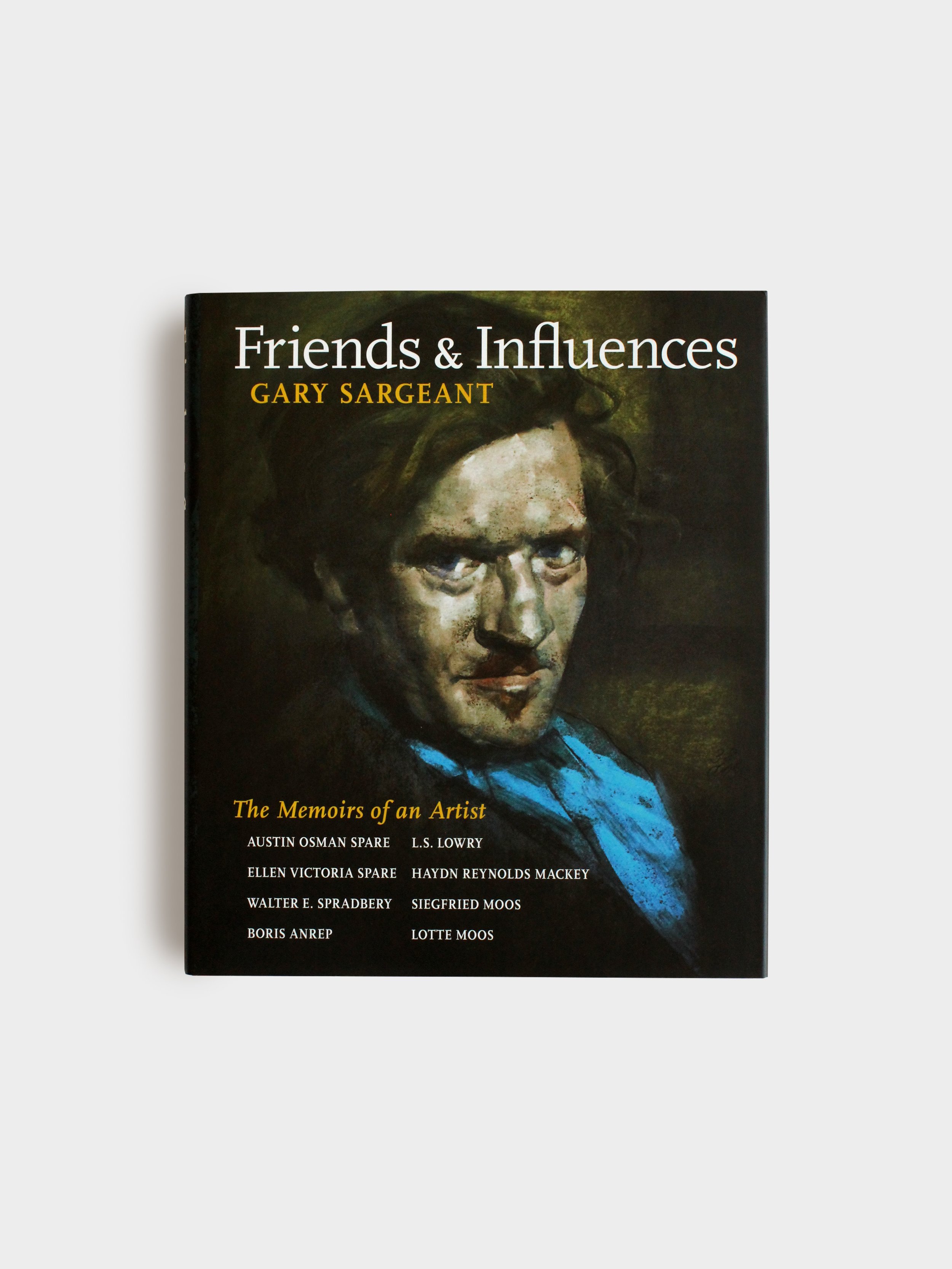
by Gary Sargeant
Hardback, 900 hand-numbered copies
Over 230 images, 200 pages, 190 x 230mm
Sewn, with head and tail spine bands, illustrated endpapers and dust-jacket.
An invaluable memoir by one of the few remaining people still alive that knew Austin Osman Spare.
The author is an artist who as a teenager was nurtured and taken to life-classes by Spare and his sister Nellie. Gary is blind, but the memories are sharp and evocative. Spare, it transpires, set Gary upon his varied career in Art & Design.
As a corrective to a mythologising tendency, as he sees it, Gary paints a much needed ‘tactile picture’ of Austin Osman Spare, as someone who is more than the ‘Occult artist’ that many readers will be familiar with.
Here we are introduced to the selfless ‘humanist’, a generous soul encouraging raw talent without any concern for personal gain. Spare is revealed as a life-long instructor on art, a natural mentor who relished nurturing the creative potential of others. Not a recluse, but part of a like-minded group that included Frank Brangwyn, Walter E. Spradbery and Haydn Mackey, who all remained in contact long after WWI.
To complement these new insights, we reproduce a previously unpublished self-portrait by Spare, along with two other stunning late pastel self-portraits.
We are also fortunate to be able to reproduce a fine series of unpublished Boro’ Satyr studies that Spare dedicated to Walter E. Spradbery.
This uniquely insightful book is sure to be indispensable to anyone seeking a greater understanding of Austin Osman Spare, his milieu, and indeed the author.
The Afterword by Stephen Pochin charts the constellation of artists who Spare was friends with from the end of WWI and who he included in his role as art editor on Form and The Golden Hind
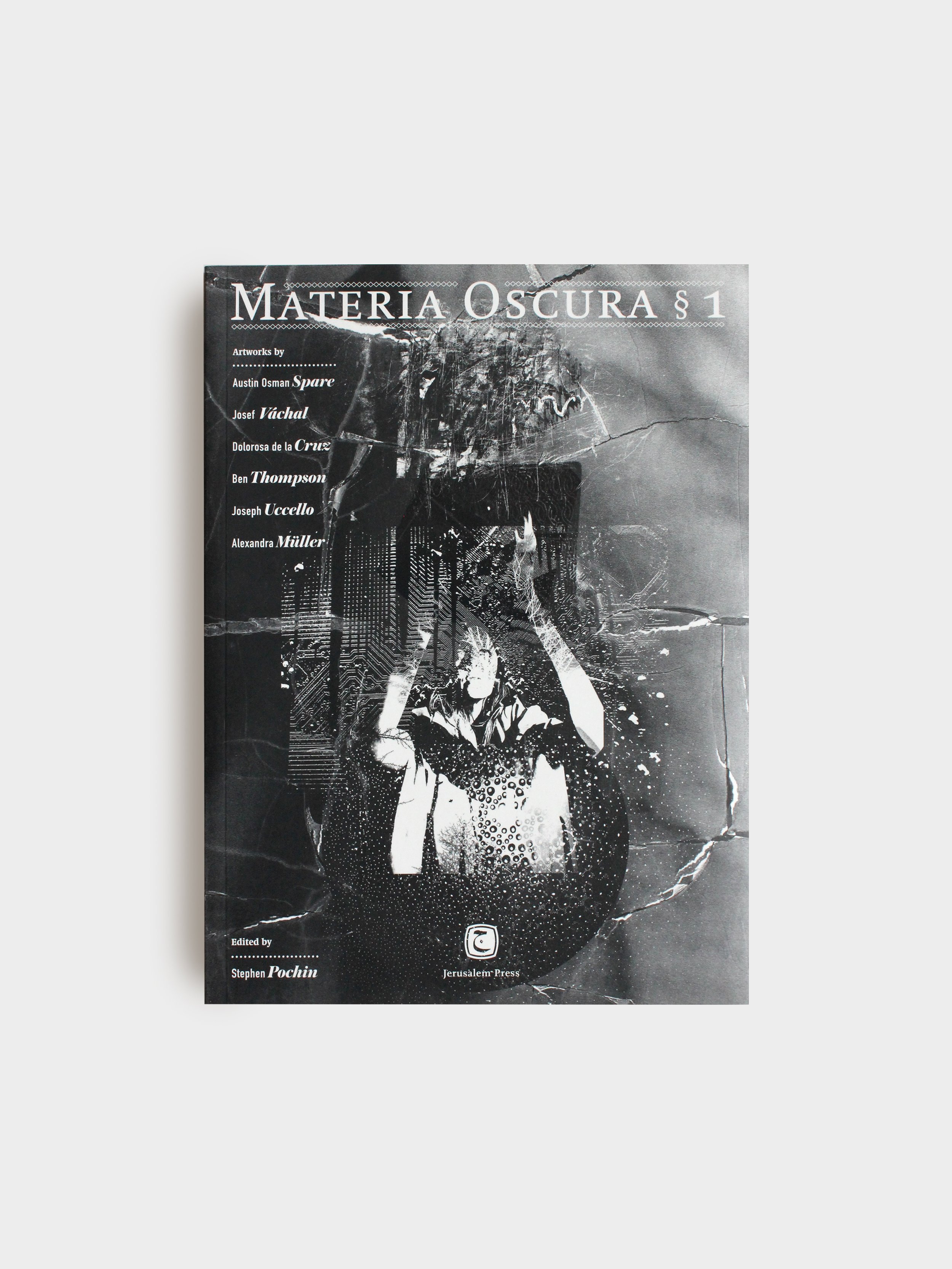
Introducing a new annual title celebrating the Graphic Arts in black & white, from Jerusalem Press
Singular visions from two mystic artists of the last century.
And four, from UK, USA, Ireland, Germany, who are very much alive.
These artists were first encountered online. Inspired by the generous visions of these artists, it seemed only appropriate to return the gift by sharing some of their work for a greater posterity – and a new audience – in print. This inaugural edition encompasses drawing, pen & ink, print-making; wood-block, etching, mixed-media/digital.
Featuring: Austin Osman Spare – Josef Váchal – Dolorosa de la Cruz – Joseph Uccello – Alexandra Müller – Ben Thompson
All hardback formats with prints 1–100 8 remain shipping from 1 April 2022
Clothbound, sewn, litho. marker ribbon, limited edition. Foil blocked hardback with dust-jacket.
96 pages 130 images | 184 x 250mm | isbn 978-0-9567004-7-6
MANUS SINISTRA
SCARLET IMPRINT
Softcover, 2nd edition. By Thomas Karlsson. Manus Sinistra.
Thomas Karlsson, scientist of the religion, Swedish magician and an experienced astral traveler, deals with the phenomenon of astral travel while introducing us to the psychology of ancient Egypt, the Qabalah and the Nordic culture, and not only from an academic point of view, but also from techniques that enable each person to learn for themselves the art of astral projection.
The book is divided into three parts: a historical and mythological presentation of the astral projection, a practice-oriented curriculum, and a compilation of experiences. The objective of this book is to make the reader an experienced traveler.
Hardcover. By Michael W. Ford. Manus Sinistra.
Akhkharu: Vampyric Magick presents the magical praxis centered upon the predatory initiatory current of Luciferianism. Vampirism, or Vampyrism, is an extreme philosophical and spiritual approach within magick. This path draws forth the deepest strata of the psyche and manifests them in the life of the individual, directing them toward productive ends, while the spiritual aspect is cultivated through the absorption of energy—the magus training to devour and thus expand in power. This tome teaches the steps to become a spiritual predator and place yourself at the apex of the pyramid through the practice of Ahrimanic Yoga, techniques for draining energy through the chakras, and astral magick (out-of-body projection and hunting within nightmares), as well as evocations and invocations of dense currents of the Nightside. The dangers are ever-present; the extreme nature of this approach does not make it suited for all, nor are all forged for the dominion and transformation required of the vampyre.
The vampyrism in this book is a profound current, inspired by primordial Babylonian and Chaldean sorcery, demonology and Qliphothic magick, the ancient cult of Tiamat/Lilith-Labartu, and the Adversarial Current. This book contains advanced Qliphothic rites with the Tribes of the Qliphoth and their Princes, as well as invocations to the Rulers of the Tree of Death and the exploration of the Shadow, also called Choronzon.
Also presented is the “Rite of Magna Mater Daemonum”, in which Lilith is the True Will and Goddess of the Path—an immensely beneficial work for men and women alike, in the same line as the Work of Azal’ucel. Rituals and practices with the Daemonic Feminine include the workings of Hecate, Lilith-Az, and Tiamat. The foundations of the Black Order of the Dragon are brought into the light, and the current of Mesopotamian witchcraft is explored from a vampyric perspective: the Akhkharu, the Seven Gods of Darkness, techniques for draining energy, and meditations with Sumerian and Chaldean ritual enchantments.
Akhkharu is an essential book for those drawn to the dark magick of the Left-Hand Path, astral projections, vampyrism, and Luciferianism. This edition has been enhanced and expanded, and includes numerous new illustrations that elevate the work as a whole.
Limited to 200 hardcover copies
Hardcover. By Thomas Karlsson. Manus Sinistra.
This book contains the first three years of the internal initiatory system of Dragon Rouge, one of the most influential esoteric orders of the Left-Hand Path in the last quarter century.
Each of these levels corresponds to a stage of training that spans approximately one year of structured magical practice. Lilith, Gamaliel, and Samael are linked to specific regions of the Tree of Death (Qliphoth) and propose distinct approaches of work: physical, astral, and existential.
• Lilith focuses on the earthly, the will, and access to the dream world.
• Gamaliel delves into the astral plane, sexual magic, dark archetypes, and lunar cycles.
• Samael introduces processes of rupture, confrontation, and inner alchemy.
Each course consists of six doctrinal letters with both monthly and weekly exercises. The material includes practices such as meditation, rituals, the awakening of the energy body, dreamwork, invocations, concentration techniques, and more.
This work is intended for those who seek a serious path within the Left-Hand Path tradition, under the tutelage of the Dragon.

Hardcover. By Boyd Rice. Manus Sinistra.
The Vessel of God: The Selected Grail Writings of Boyd Rice is a pilgrimage through opposites to find a third path that unites and transcends them. With the Holy Grail and its mysteries as the central focus, the book explores much of the Western esoteric tradition with its winding origins, all narrated in the author’s distinctive style.
The contained essays delve into the influence of enigmatic figures such as the Watchers, Cain, Mary Magdalene, the Merovingians, Lucifer, Adam, Enoch, and the Virgin Mary, where the author unravels the complexities surrounding them and their impact on the pursuit of esoteric knowledge.
A detailed examination is provided, backed by a wide variety of historical and mythological sources. The exploration extends to other figures such as the Egyptian and Greek gods, or closer ones like Viracocha or Quetzalcoatl, with references to ancient cultures in the Cradle of Civilization. The Vessel of God explores sacred books and the influence of apocryphal writings and Gnostic traditions in understanding biblical figures and historical events. It delves into the interpretation of texts like the Gospel of Thomas, which presents a doctrine different from that adopted by conventional Christianity, suggesting the possibility that these texts contain fragments of the true doctrine of Christ before being edited to fit institutional religious interests. The book suggests that these esoteric traditions offer an alternative perspective on the nature of divinity, humanity, and spiritual seeking, aiding us in a better understanding of ourselves.
Originally published in 2004, the collection of writings gathered here received a warm reception in its initial release, and we bring it back to life in an expanded edition with much additional material, including previously unpublished minor articles, photos, and art.
Paperback. By Thomas Karlsson. Manus Sinistra. Softcover.
There are certain times when some epoch-making books come out. They had not been able to write either before or after. When contemporary classic Qabalah, Qliphoth and the Goetic Magic was written it became a paradigm-shifting book, this book is the deserving continuation and constitutes the second part of a Dark Magic Trilogy.
Now it’s time to go even deeper into the Dark Mysteries. With the book: Black Mass: The Sabbatic Tradition of Shaitan & the Sexual Sorcery of the Qliphotic Dark Paths we reach the front lines of science, but with the magician’s ambition to make this a practice.
The book is a Black Bible for all who are on The Left-Hand Path, and The Dark Spirituality. What for science are theories, is translated here into practice. With roots in the ancient Dark Mystery Cults.
As you read the book, you will realize that Black Holes are not somewhere in an abstract Universe, but are so close to you that you do not see them. And they are the way into the “Other Side”, Sitra Ahra, where intelligences far more advanced than us, are waiting to guide those who have a serious intention.
This book will open your eyes, and give you the tool, to fulfil the Serpent’s promise in Genesis 3:5: “you shall eat thereof, your eyes shall be opened: and you shall be as Gods, knowing good and evil.”
The author Dr. Thomas Karlsson, is a World leading pioneer of the Dark Path with a Ph.D. at Stockholm University, Sweden, and Fellow Researcher at Yale University, USA, Director of The Esoteric Crossroads Conferences, Capri, Italy, and with 35 years of experience of the Dark Arts. In this book, he shares his knowledge so that more and more people will be able to practice the true wisdom from The Dark Path.

Hardcover. By Nikolas Schreck. Manus Sinistra.
Unholy creations from the world’s greatest authors and artists are bound together in this essential anthology of Luciferian literature.
Charting the progress of the Prince of Darkness via the short stories, novels and poetry of centuries past, this Satanic sampler summons forth the Devil in a fascinating array of guises.
This new edition features an expanded Preamble by the author and pictorial offerings of engravings and full color paintings.
Authors and artists include: Charles Baudelaire, Aleister Crowley, Dante Alghieri, Goethe, J-K Huysmans, Matthew G. Lewis, Charles Maturin, Mark Twain, Washington Irving, Christopher Marlowe, Ludwig Fahrenkrog, John Milton, Edgar Allan Poe, Felicien Rops, Francisco de Goya, Jean Delville, Gustave Doré, Rudolf Jettmar, Franz Von Stuck, Albrecht Durer, among others.
Paperback. By Jonathan Barlow Gee. Manus Sinistra.
Description from the publisher: “The Tree of Death and the Qliphoth” is a book on evil. Beginning with the works about demonology of Steve Savedow, Kenneth Grant, A. E. Waite and Aleister Crowley, a new model of Kabbalistic tree is proposed that combines the classical Tree of Life and the modern Tree of Death as a means of listing the entire hierarchy of hell. Each devil’s history is then explored to reveal the true origin of monotheist demonology is the pantheon of prior polytheisms. Other avenues of evil are also explored – including the futility of ordering the tarot, chaos and toxic magick, the 10 mortal and 7 venal sins, and more.
Ultimately, this book examines the demonization of deities and raises the question about the future of monotheism: when will the God of today become the Devil of tomorrow? Rev. Jonathan Barlow Gee compiled this work in 2005, following publishing his first book –a textbook on metaphysics and theoretical cosmologies– two years before. In 2004, Gee worked on the “neo-Enochian” material and developed his “Atlantean Calendar” model. In 2007, Gee founded the Pythagorean Order of Death as a school of metaphysics. Since then, Rev Gee has authored over many books and produced so many more audiovisual material, including documentaries and music videos. He can be found on the internet by searching the screen-name Benpadiah.
Hardcover. By Michael W. Ford. Manus Sinistra
Liber HVHI, the grimoire of the Luciferian Path, contains the infernal rites of the qlippoth, an extensive magical system that presents a solid and understandable way of working with the Tree of Da’ath and its branches. This book presents the 22 Spheres of the Infernal Qlippoth, the methods of filling and draining those “husks” and the Luciferian Rites of Cain, symbolic of the First Satanist of the ancient Hebrew texts related to the process of devouring from a symbolic and ritualistic approach. The roots of the Adversary as the Daemonic Masculine and Feminine are explored from Hebrew and Persian sources leading to a potent initiatory system of the Left Hand Path. The Gates of Hell are opened for the awakening of the Antichrist, from Cain and Belial, through the Black Adept.
The second half of the Grimoire is based on the ritualistic inversions of the Avestan texts and the Daeva-Yasna (demon worship) heresy adapted towards self-deification, as well as the forbidden path of Predatory Spiritualism/vampirism and extreme ritual works.
The transformational works presented take place through the ‘Rite of Possession’ (an extensive self-initiatory reversal of the Catholic rite of exorcism), the rituals of Cain, the Summoning of the Lord of the Tree of Death (important as a call from the Holy Guardian Angel /Evil Genius) and pathworkings within the Tunnels, energy exercises such as Ahrimanic Yoga and the Shadow Tongue or Staota, calling vampiric spirits and Tiamat and sections of the Black Order of the Dragon, among much more.
Regardless of which name the Adversary has been called, from the ancient Persian cult of Yatukih sorcerers, with Ahriman or Angra Maiunyu and his wife Jahi or Az, to the Hebrew Samael and Lilith, the Luciferian Current has remained strong, rooted in ancient cultures. Liber HVHI is a Grimoire written from the shadows of ancient religious texts. The result is a powerful Luciferian ideology and ritual methodology and its implementation in daily life that transforms the mind into the spirit of the Adversary.
The demons of antiquity rise from the dust and take on new life in this book, from the ancient Mesopotamian and Persian dark deities, the Fallen Angels, the Gnostic evil, the Archdemons of the Qlippoth and their spheres, to the malevolent Djinns of Islam, the demons of the East which morphed back into European witchcraft and medieval devils.
This edition offers exclusive art representing the Daemon of this Grimoire and the inclusion of much extra material along with the addition of two books by the author: Satanic Magick: The Paradigm of Therion, The Rites of the Antichrist: The Art of Spiritual Iniquity and Scales of the Black Serpent: Basic Qlippothic Magick.
Hardcover. By Michael W. Ford. Manus Sinistra
The Grand Grimoire of the Infernal Pacts is a modern interpretation of Goetic Theurgy (self-transformation through demonic powers) from a Luciferian approach. The goal is to use primal spirits and forces to achieve understanding and realization of short- and long-term goals. The myth of “selling your soul” to the Devil is revealed to be nothing more than a fantasy created by fearful minds; the true nature of the infernal pact is to enter into a covenant with powers seen as dangerous, control and guide them according to your will with the purpose of the realization of spiritual and carnal power.
The Grand Grimoire has been adapted to modern Luciferian practice, erasing Judeo-Christian prayers and literally restoring gods and infernal spirits to their ancient pagan origins devoid of the duality of “good” vs. “bad”. The rites of invocation and evocation are clearly presented, visualizing and writing a Pact of agreement between the spirit and the sorcerer to achieve the objectives. Lucifuge Rofocale, a Deific Mask, becomes a path of sorcery towards the Infernal Gods: Lucifer, Beelzebub and Astaroth. The Grand Grimoire of the Infernal Pacts presents a new method of this type of Luciferian Sorcery through the Tradition of Enoch regarding the Watchers, Azazel, Shemiyaza and the Names of Power, offering a realistic process of self-initiation within the kingdom of the Fallen Angels.
This edition is expanded with ‘The Saturnal Shadows of Lucifugue Rofocale’, an approach to this entity and associated infernal spirits from the grimoires and the Tree of Death, and much more.
Hardcover. by Michael W. Ford. Manus Sinistra
Infernal Union is a Satanic grimoire that identifies and reveals the symbolism, theory, and practice of Left-Hand Path magical practices centered within Luciferian Philosophy. Developed from the metaphysical framework of ancient Hebrew, Gnostic, Qliphothic, Coptic, and Biblical demonology, the establishment of identifying oppressive beliefs: errors in the very basis of monotheism. This includes concepts that the Serpent was “evil” because it introduced self-awareness and the knowledge of good and evil, etc. The balance between angelic and demonic energies and the guidance of Lucifer are contained in this essential “devil’s bible” and grimoire focused on the Luciferian Triad of Liberation, Illumination, and Apotheosis.
The Satanic Antitrinity is presented here, exalting the energy of the Dragon, Beast, and Spirit of Evil; all of which have different and deeper meaning and are beyond actual concepts of “Good” and “Evil”. Lilith is the motivating and fiery aspect of the Adversary within each of the Antitrinity. The meaning and method of dedication and initiation are contained herein. You will find both rites and myths of medieval diabolism and of classical Luciferian symbolism.
The early medieval Heresies derived from Gnostic, Manichaean, and similar Satanology express that the world was essentially created and under the rule of Satan (Lucifer); this belief structure was persecuted by the mainstream religious organizations and supporting nobility of the Middle Ages, successfully burnt, and destroyed what they thought was most of such teachings and adherents. The themes and writings survived, echoing in the core spirituality reflected in the seeds of rebellion within humanity itself. Hymns, invocations, and rituals dedicated to the Satanic Spirit, exalted in one’s own Black Flame are published here for the Luciferian to utilize as he or she sees fit.
The Qliphoth, the shells within the Abyss that are both within the Microcosm (the subconscious) and Macrocosm (outside potentially in the Cosmos or Anti-cosmos) are in Qabalah. How a Black Magician might work with the Sitra Achra (Other Side or Left-Side) that is under the rule of Samael and Lilith is often confusing and obscure in mysticism. This grimoire reveals knowledge and insight gained from delving deeper into initiatory practice from Lurianic and Sabbatean heretical lore adapted to modern Luciferian Magickal concepts. The Qliphoth and initiation is centered and focused on Malkuth and Yesod, two Spheres of the Sitra Achra that are essential into the initiation into Satanic/Luciferian Current. The Infernal Union is a symbolic description of the union of Samael and Lilith via Leviathan in Yesod; wherein the Black Magician begets the symbolic reflection of Chiva (The Beast) and Baphomet, seeking balance and self-mastery.
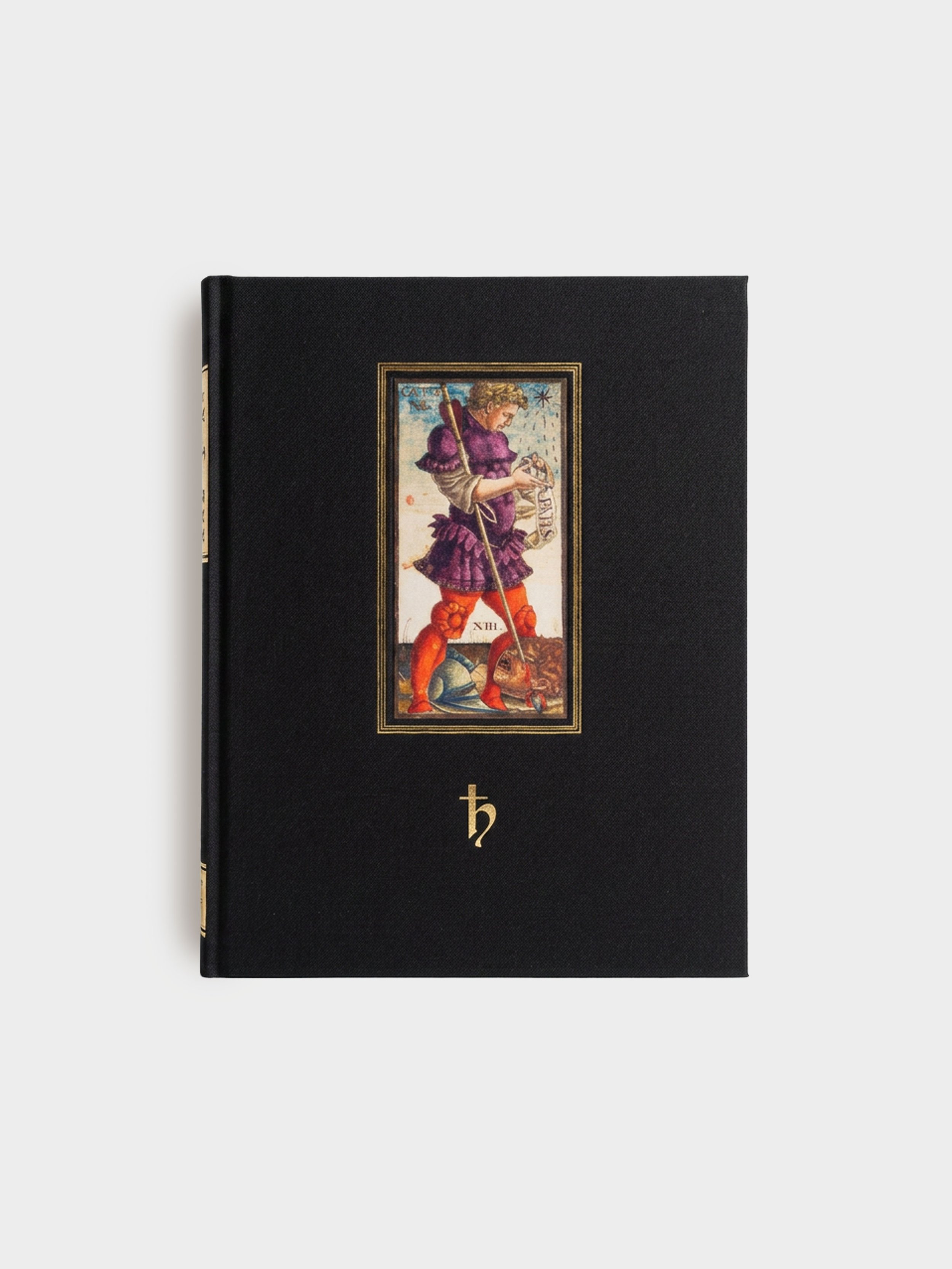
A new edition of Peter Mark Adams’s The Game of Saturn: Decoding the Sola-Busca Tarocchi, the first full length, scholarly study of the enigmatic Renaissance masterwork.
Standard hardback edition. Limited to 500 copies.
Bound in sable cloth, gold foil blocking to spine and front, onlay of trump XIII Catone, with crimson endpapers, and ribbon.4to (280 × 215 mm). 316 pp. Extensively illustrated in colour. Scarlet Imprint.
———
Peter Mark Adams’ The Game of Saturn: Decoding the Sola-Busca Tarocchi is the first full length, scholarly study of the enigmatic Renaissance masterwork known as the Sola-Busca tarot.
The Game of Saturn is the first full length, scholarly study of the enigmatic Renaissance masterwork known as the Sola-Busca tarot. It reveals the existence of a pagan liturgical and ritual tradition active amongst members of the Renaissance elite and encoded within the deck. Beneath its beautifully decorated surface, its imagery ranges from the obscure to the grotesque; we encounter scenes of homoeroticism, wounding, immolation and decapitation redolent of hidden meanings, violent transformations and obscure rites.
For the first time in over five hundred years, the clues embedded within the cards reveal a dark gnostic grimoire replete with pagan theurgical and astral magical rites. Careful analysis demonstrates that the presiding deity of this ‘cult object’ is none other than the Gnostic demiurge in its most archaic and violent form: the Afro-Levantine serpent-dragon, Ba’al Hammon, also known as Kronos and Saturn, though more notoriously as the biblical Moloch, the devourer of children.
Conveyed from Constantinople to Italy in the dying years of the Byzantine Empire, the pagan Platonist George Gemistos Plethon sought to ensure the survival of the living essence of Neoplatonic theurgy by transplanting it to the elite families of the Italian Renaissance. Within that violent and sorcerous milieu, Plethon’s vision of a theurgically enlightened elite mutated into its dark shadow – a Saturnian brotherhood, operating within a cosmology of predation, which sought to channel the draconian current to preserve elite wealth, power and control. This development marks the birth of an ‘illumined elite’ over three centuries before Adam Weishaupt’s ‘Illuminati.’ The deck captures the essence of this magical tradition and constitutes a Western terma whose talismanic properties may serve to establish an initiatory link with the current.
This work fully explores the historical context for the deck’s creation against the background of tense Ferrarese-Venetian diplomatic intrigue and espionage. The recovery of the deck’s encoded narratives constitutes a significant contribution to Renaissance scholarship, art history, tarot studies and the history of Western esotericism.
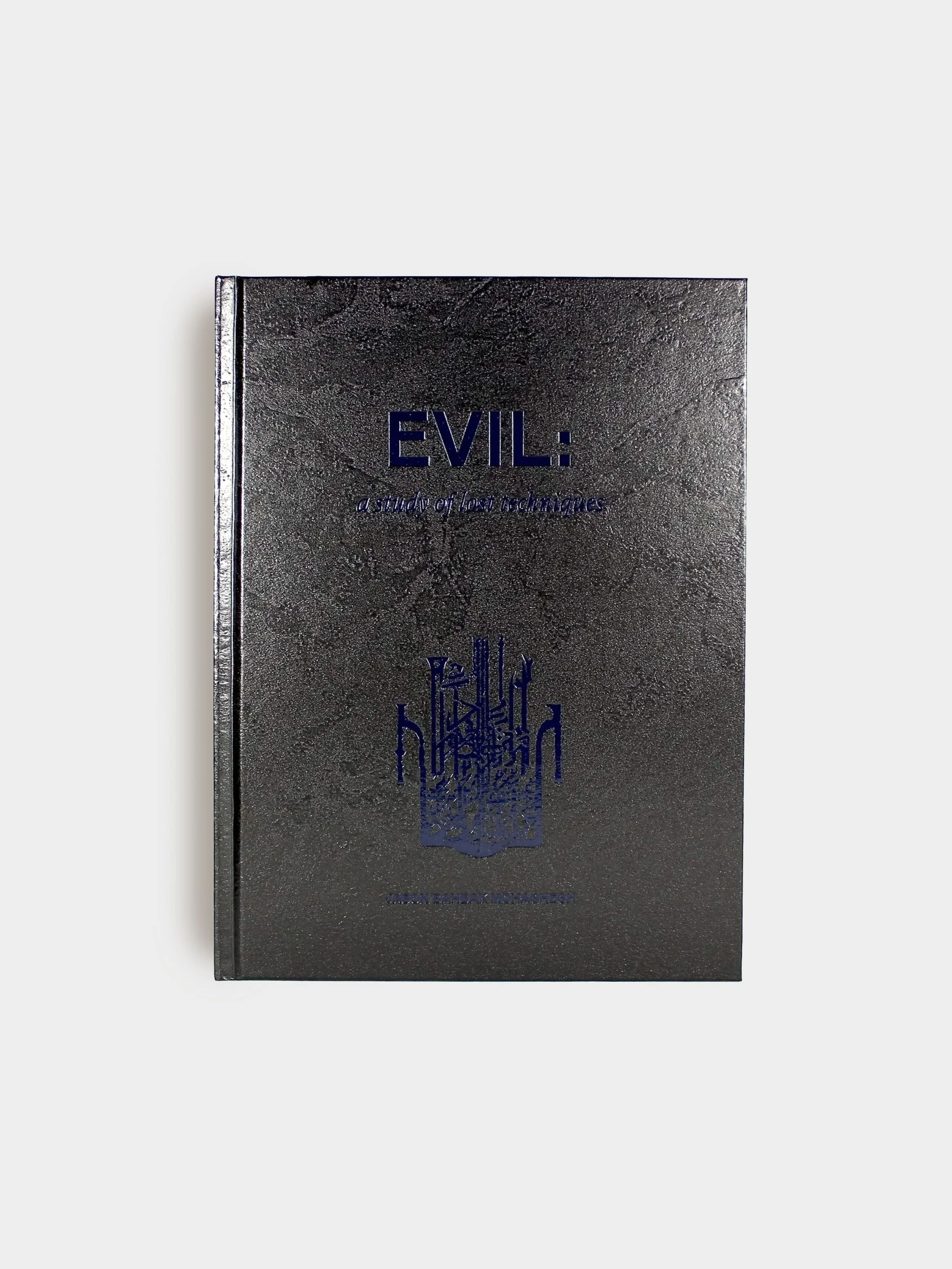
Evil: A study of lost techniques by Jason Bahbak Mohaghegh is a mapping of evil in its minor prisms of fascination through an infinitely complex set of micro-techniques. A singular work of sustained intensity.
Standard hardback edition, Limited to 500 copies
Bound in black ‘metal paper’ with abyssal blue foiling on the front and spine, with deep blue endpapers. Printed in black and dark blue ink on 150 gsm paper.4vo (280 × 210 mm). 104 pp. Illustration and diagram of evil by Ayis Lertas
———
Evil: A study of lost techniques by philosopher Jason Bahbak Mohaghegh is a theoretical investigation into the aesthetics and intensities of cruelty, mapping evil in its minor prisms of fascination. Mohaghegh explores evil as an infinitesimal complex of techniques – subtle inflections of possibility and obscure typologies of influence that bring together the rarest philosophies of oblivion, decadence, cruelty, derangement, ecstasy, atrocity, rage, and mystery alongside the most intricate poetic genres of the rant, the elegy, the riddle, the whisper, the threat, the question, silence, and the nocturne.
Through a labyrinthine series of notes, diagrams, and outer limit speculations, this book attempts to uncover those concealed fragments which together form the architecture of another world altogether. A singular work of sustained intensity.
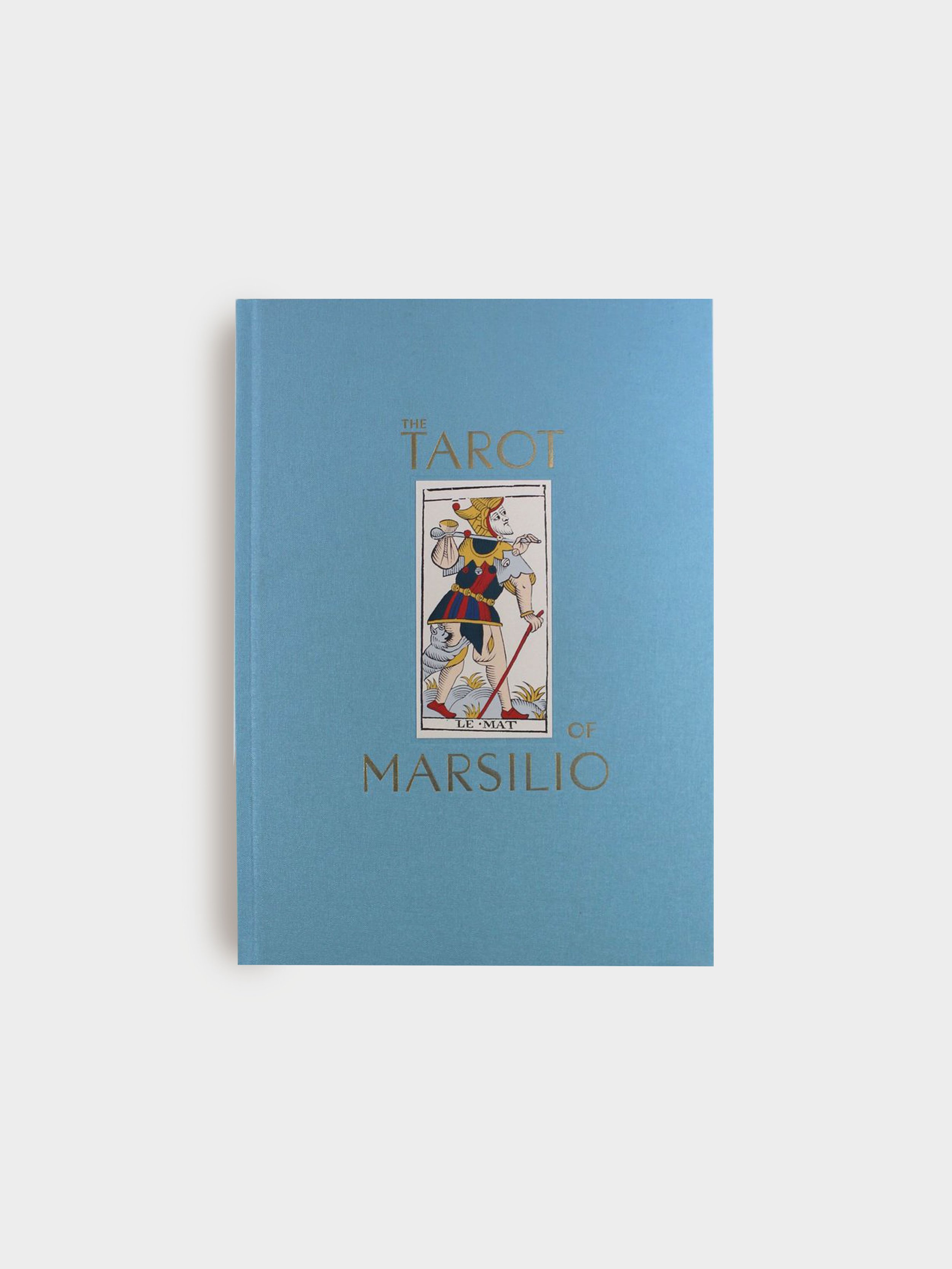
Hardback Edition. 4vo (325 × 225 mm). 208 pp. Illustrated throughout in colour
Down Here is the first of a meticulously researched and lavishly illustrated three volume work, The Tarot of Marsilio by Christophe Poncet; a landmark inquiry into the origins of the Tarot de Marseille. Against the prevalent view in the academy – that the tarot was never used, before the 18th century, for anything other than card games – Poncet argues that the Tarot de Marseille is a work of esoteric philosophy hidden in plain sight.
Through a careful analysis of artworks, philosophical texts, and the imagery and symbolism of the cards, Poncet places and dates the deck to Florence in the 1470s. Marsilio Ficino, translator of the Corpus Hermeticum and the complete works of Plato, is identified as the likely mastermind behind this tarot. In this first volume, the imagery and meaning of the Chariot, the Devil, the Lovers, Strength, the Hermit, the House of God, Arcanum XIII and the Fool are explored.
As readers of Two Esoteric Tarots will know, Poncet’s investigation is comparable to that of Peter Mark Adams in The Game of Saturn, shedding new light on heterodox thought in the Renaissance.
Christophe Poncet has been on a decades long quest to discover the truth about the Tarot de Marseille and the esoteric ideas encoded in the cards. The Tarot of Marsilio takes us on an extraordinary journey of discovery, from a lost masterpiece of Botticelli in a ruined castle, through the stacks of the Vatican library, artist’s sketchbooks, and works in the collections of the Louvre, the British Museum, and the National Gallery. Poncet brings us into the hermetic thought-world of the circle around the brilliant polymath Marsilio Ficino.
For the tarot reader and occultist, this work opens up a profound understanding of the cards, their history and the context of their creation. With these keys we can read the visual language of the trumps as they were intended, and play the game of Western esotericism at a deeper level. Whether enhancing our divinations or stimulating the practice of talismanic and image magic, Poncet changes forever our understanding of the most archetypal and iconic tarot deck.

Standard Hardback. 4vo (245 × 210 mm). 104 pp. 92 colour images
ARRITON is an enigmatic work from the artist Ayis Lertas. To open ARRITON is to encounter the remnants of a lost esoteric tradition, leaves from an untranslated manuscript, a chance find amongst the disordered bookstalls of a remote ancient city. The seeker is thence immersed into a world redolent of gnostic gems, magical alphabets, defixiones and the spells of the magical papyri, which unfolds following a logic all of its own and yet remains entirely alien. It is a Borgesian artefact which will intrigue, challenge and reward contemplation.
ARRITON is a gnomic and sigilic tour de force comprising 92 leaves of dense calligraphic images, ideograms and magical charaktêres, mysterious forms that have been subjected to applied erosion by the cruel hands of time. They seem fragile, these ragged-edged torn survivals from the library of Babel; bound together they comprise a relic of a numinous sorcerous hinterland that was hitherto unknown.
There are books about magic, and there are magical books. ARRITON belongs to that rarer second category. It speaks deeply to those who are willing to surrender to the abyssal silence and be absorbed in the power of sign and symbol.
Holy Daimon is the result of more than ten years of ritual and theoretical magical research. The book provides a clear path to creating communion with one’s holy daimon. The first in a trilogy of works by Frater Acher blending historical insights with practical ritual work.
Standard Hardback. Limited to 1200 copies.
Bound in grey brown bookcloth stamped in black and gold, black endpapers and black ribbon. Printed on 150 gsm paper.8vo (240 × 165 mm). 216 pp. Illustrations by Jose Gabriel Alegría Sabogal. Black and white photographs by the author.
———
Holy Daimon is issued in a new edition, with 18 illustrations by Jose Gabriel Alegría Sabogal. This first volume of Frater Acher’s Holy Daimon cycle is the result of more than ten years of ritual and theoretical magical research, and is comprised of three parts: History, Memory and Practice, providing a well-grounded introduction, as well as a practical path to creating communion with one’s holy daimon.
Rather than drawing on Abramelin or Crowley’s Liber Samekh, Frater Acher returns to the source, analysing the daimon as it was experienced in three cultures, Chaldean, Zoroastrian and Ancient Greek. These give a necessary overview to contextualise the material that follows, and restores the daimon to its central place in the journey of attainment.
Acher then gives a full account of his own personal communion with his holy daimon. As a magical record of a modern practitioner it is an important testimony for those embarking on the path, and a rare account given the secrecy within which most practitioners operate.
In the third and final section of the work Acher gives his streamlined exercises for attaining communion with the daimon; culminating in a fully restored rite from the Greek Magical Papyri.
Whilst the author’s focus is on enabling hands-on magical work, the book is not a traditional grimoire or grammar of magic; the work is of a deeply mystical nature.
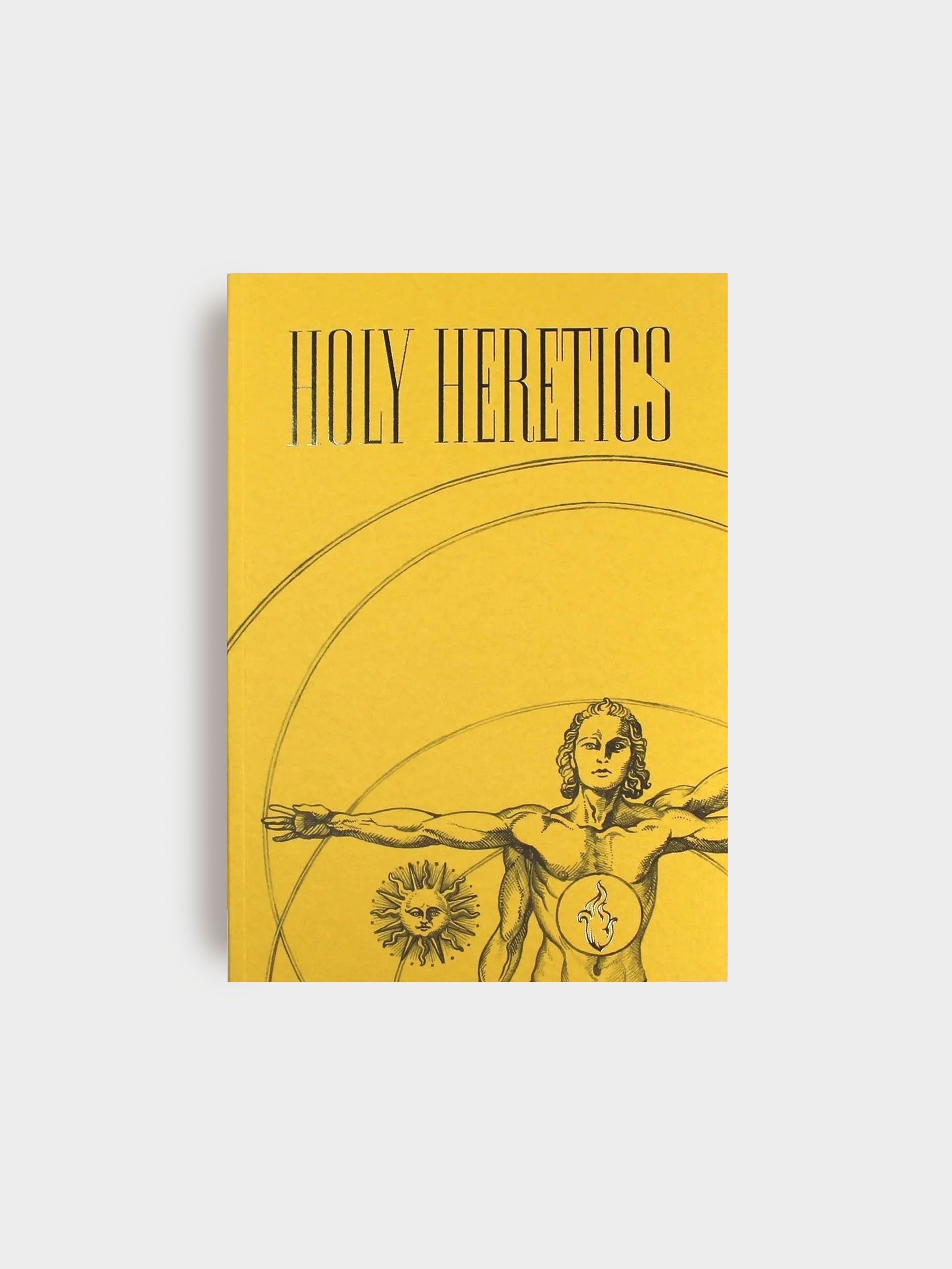
Paperback Edition. Sewn paperback printed on 120gsm paper, with yellow card covers printed in black with gold foil.
Illustrations by Jose Gabriel Alegría Sabogal
Holy Heretics is the third and final volume in the Holy Daimon cycle. Blending occult philosophy, magic and mysticism, Frater Acher guides the reader through the centuries with a series of practical exercises and rites which ultimately restore the powerful Olympic spirits to their original magical context.
Frater Acher identifies certain techniques of mysticism as a prerequisite for the work of magic, as the often missing element in the development of a serious practice. The advanced magical rites Holy Heretics contains are built from the foundations of simple practical exercises. These are provided and carefully explained. When performed, these rites form a luminous chain for the student who wishes to attain to adepthood and the mastery of empty-handed magic.
Holy Heretics offers a challenge to magicians who have reactively rejected Christianity, and a challenge to Christians who are unaware of the heretical tensions that run throughout Christian mysticism. As Acher writes, ‘I am very aware that searching for such a path among the very people who for centuries tried to usurp and control or deform and kill the Western magical tradition is a big ask. On such an expedition to find the narrow path we’ll soon be crawling through the bones, blood and ashes of our ancestors. And yet, at the same time we’ll also encounter beauty and genuine practice, true grace and deep spiritual power.’ The mystic and magician is always a threat to spiritual orthodoxy, and Acher navigates us through that difficult space. As a guide, he approaches the Christian material fairly, is generous when appropriate, and unapologetic when describing its worst excesses. The work draws extensively from manuscript sources and texts that are not available in English, illuminating a hitherto neglected world. All is done with the aim of extracting the spiritual gold of our own heart prayer, rather than imbibing the poison of orthodoxy.
In Book I of Holy Heretics we are taken on a mystical tour de force, beginning with the Desert Fathers and the austerities forged in the wilderness. From Pseudo-Dionysius the Areopagite we discover mystical prayer as a method to bypass the cognitive mind, and then enter into the inner stillness of Hesychasm. We stand with Symeon the New Theologian at the edge of the Abyss, and witness the remarkable visions of Hildegard of Bingen. We watch the potential of the mustard seed unfold, and encounter the radical this-worldliness of the Theologia Germanica, a manifesto for the gnostic practitioner that threatens the supremacy of the Catholic Church itself by directing the individual to seek their own illumination.
In Book II, Frater Acher turns his attention to magic, as an art of symphonic harmonious co-creation. The nature of the magical call is described, and the use of the magical bell introduced with historical examples. Next Acher considers Paracelsus, giving a full English translation of his little known Arcanum arcanorum, a celestial rite to summon both one’s holy daimon and the seven Olympic spirits with such a bell. The riteis expertly deciphered, from its use of alchemical tincture to its astrological timing, by following clues across the Paracelsian and Pseudo-Paracelsian corpus. The work culminates with Frater Acher’s restored version of the Ritual of the Olympic Spirit, opening the gates of the seven spirits and uniting them into one greater Olympic Spirit. The final act thus draws on all the lessons that Holy Heretics has laid out and the flame burning in our hearts.

Standard Hardback Edition. Limited to 900 copies
Bound in shimmering emerald cloth, hummingbird glyph stamped in holographic foil on front, rose endpapers, purple silk ribbon. Printed on 150 gsm paper; printed dust jacket.
Gordon White’s sequel to his acclaimed Star.Ships is a book of adventure and encounter, of optimism and healing. Ani.Mystic: Encounters with a Living Cosmos is, explicitly, a magician’s book, a dreaming book, one which aims to fundamentally shift the discourse within the western magical tradition. Gordon explains, ‘the sole preoccupation of this book is exploring and uncovering animism as a dangerous category of European thought…’
Gordon begins by giving the standard definition of animism as ‘the belief that the world is made up of persons, only some of whom are humans,’ before taking us with him ‘to its farthest epistemological hinterlands.’ In dialogue with teachers of Indigenous knowledge, spirits, angels, star people, saints, plants, and beast masters and mothers, Gordon weaves a new story of trans-species collaboration and custodianship.
To get to that point, he interrogates and dismantles a series of constructs: materialist-naturalism, the notion of invasive species, the nature-culture divide and the binaries of domestic vs wild and forest vs garden, and the concept of ‘animism’ itself. We are then shown what it means to think with Deep Time, with Country and in Ceremony. Solutions and best practice are drawn from dialogue with the cultures he partakes in and the disciplines of magic and permaculture.
Our journey begins in an airport hotel bar in Port Moresby, Papua New Guinea, and the story unfolds through encounters with forest spirits, shark gods and cities of the dead. From stone altars in Micronesia, ancestral Maori pâ, and Aboriginal songlines to lecturing on UFOs at the Guggenheim in New York and avenging angels in London, the journey gathers momentum. We experience songlines, fire storms and rain dragons in Tasmania, and are finally brought into ceremony with Ayahuasca in Peru.
Gordon is transformed through his encounters with a living cosmos, and in the Telling. In walking in the magician’s footsteps, the candour of his heartbreaks and triumphs, we are invited to come into right relation ourselves, toward the cosmic aim of mutual flourishing.
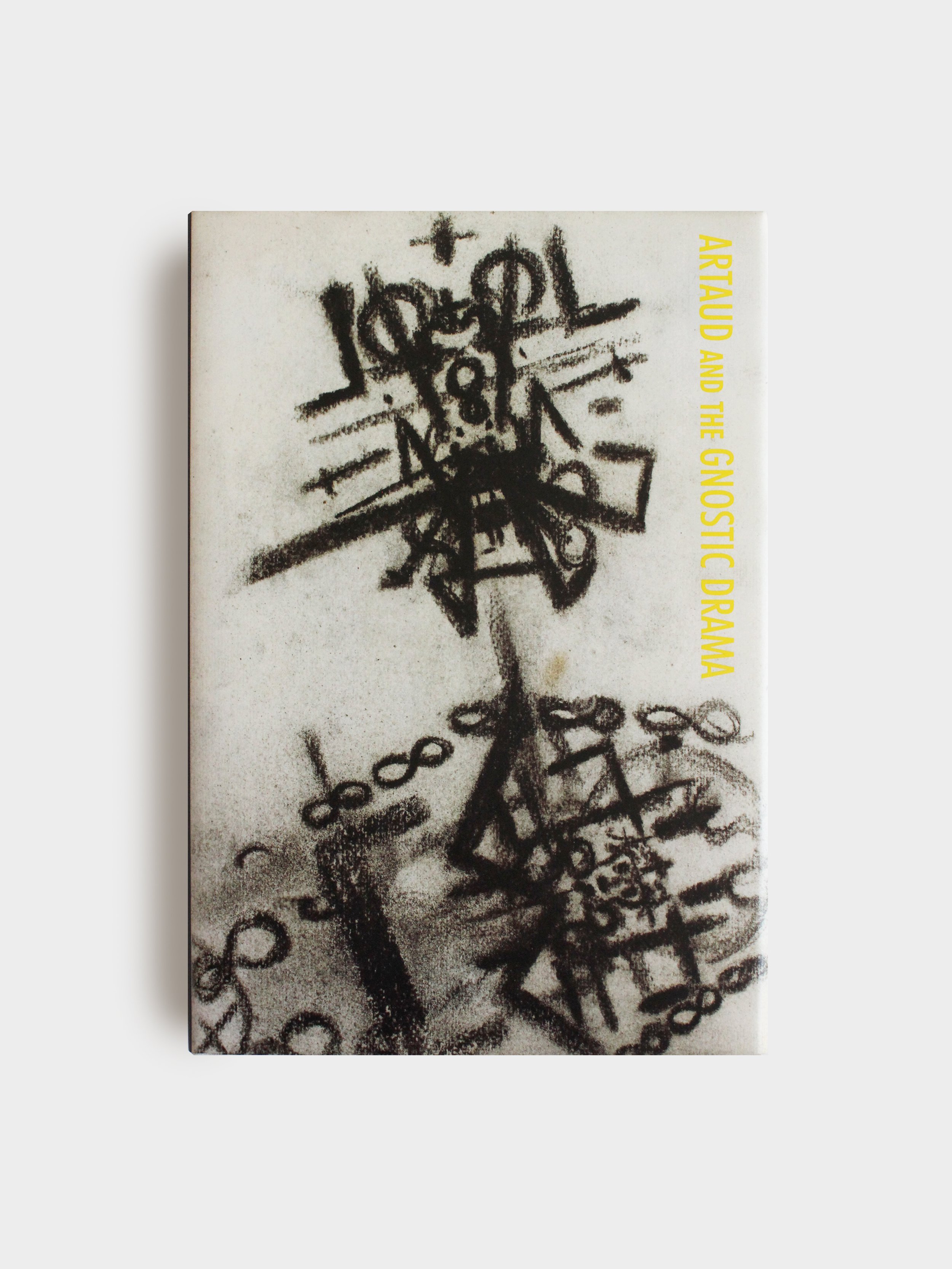
Super 8vo (270 × 180 mm). 272 pp. 14 colour reproductions of Artaud’s drawings / 2 black & white portraits
Paperback: Unlimited. Sewn paperback, text: 120 gsm paper / images: 150 gsm paper
Hardcover Momo Edition: Limited to 749 copies. Bound in natural linen cloth stamped in black, textured black endpapers, and printed dust jacket
In Artaud and the Gnostic Drama, Jane Goodall offers a reappraisal of the importance of Antonin Artaud (1896–1948), mythologised as an icon of failure and madness, and examines the intricate parallels between his heretical dramaturgy and the heresies of ancient Gnosticism. The book situates Artaud, as the most extravagant of heretics, in company with the Gnostics whose speculations served to define heresy in the beginnings of the Christian tradition. Artaud subscribed to the Gnostic idea that the sensible world was created by a demiurge who was "imperfect, possibly evil and depraved.” His cosmology is inherently dramatic, setting creature against creator, force against form, matter against spirit, pious knowledge against heretical gnosis. Jane Goodall argues that major post-structuralist critics such as Derrida, Deleuze, and Foucault, who have enlisted Artaud in their own anti-orthodoxies, have refused to pay attention to the terms of his own heresy. In this refusal, they display an anxiety towards the gnostic drama and its heresies, which mount an assault that may be more powerful than their own upon the founding tenets of western thought.
First published by the Clarendon Press, Oxford in 1994, the text has been lightly revised for this second edition, and is illustrated.
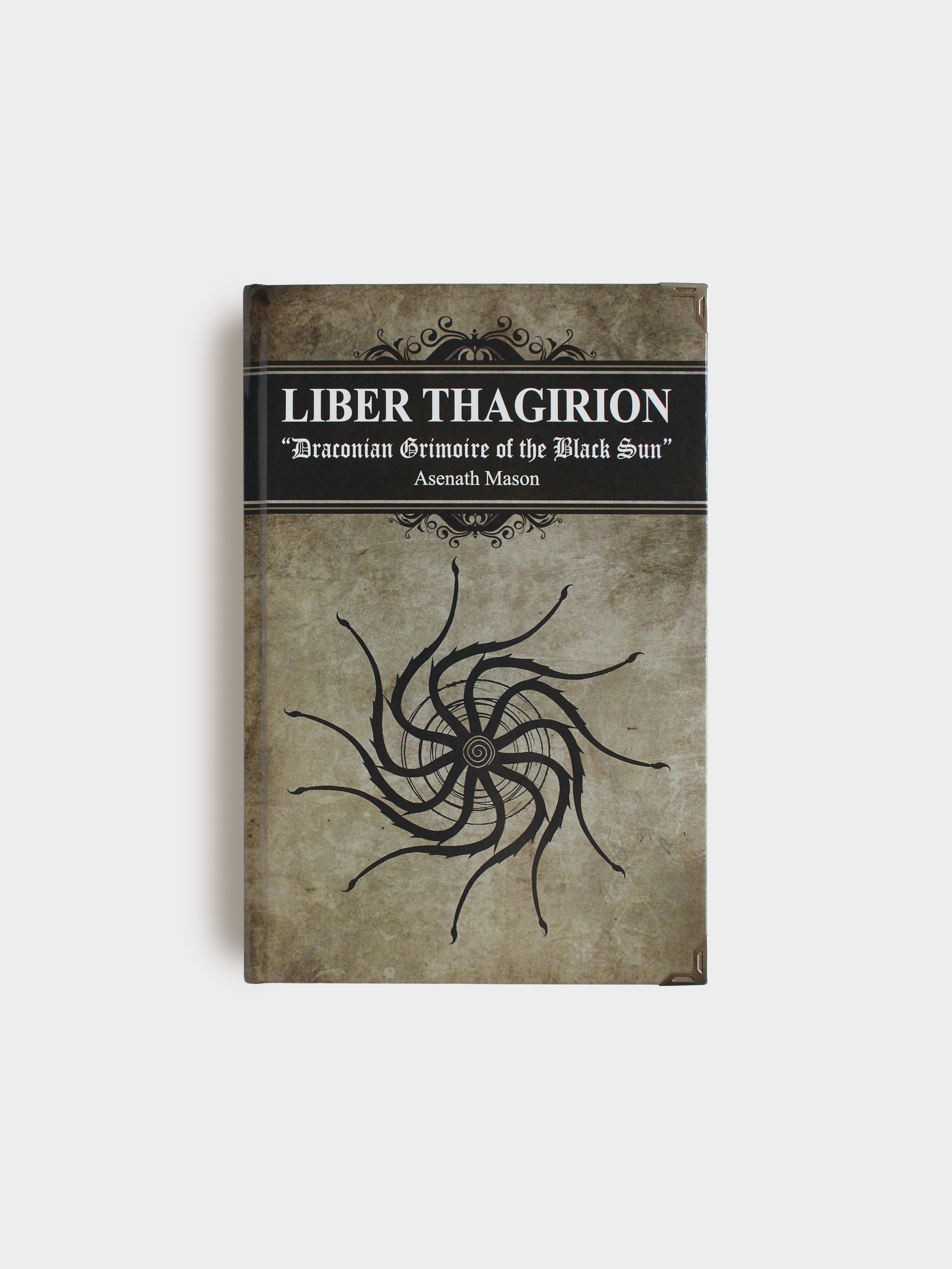
Liber Thagirion “The Draconian Grimoire of the Black Sun” by Asenath Mason
Thagirion is the central Qlipha on the Qabalistic Tree of Night, or Tree of Death. Like Tiphereth, existing on the Tree of Life, it is the heart of the universe and the mediator between the worlds above and the worlds below. Yet, while Tiphereth is the Sun of the Dayside, representing Cosmic Balance, Harmony and Integrity, Thagirion is called the Disputer, or Litigator, and symbolizes Hollowness and the principle of Disintegration, the Black Sun of the Qlipoth. It is the force of Transgression, the inner portal to the Void which powers up the Desire of Evolution. It is also one of the hardest ordeals on the path, as it exposes the Initiate to Solitude, when all guides and allies abandon us and we are left alone in the darkness of the Nightside in order to learn the meaning of Isolation and Independence – the true foundations of Godhood. Rituals and meditations included in this grimoire will guide the reader through the mysteries of the Black Sun from the perspective of the Draconian Initiate. The book is centered on the Tree of Qlipoth as the emanation and manifestation of the Dragon of the Void, the timeless magical current behind the Draconian Tradition. It introduces the reader into the magic of Thagirion through the Qabalistic concept of the Qlipoth and the antinomian current of the Adversary, which is the Path of Isolation and the part of the Left Hand Path tradition, and the rituals included in the book are designed for a solitary practitioner of Draconian self-initiatory magic.
Standard Hard Cover Edition including altar cloth.
Limited to 55 copies!
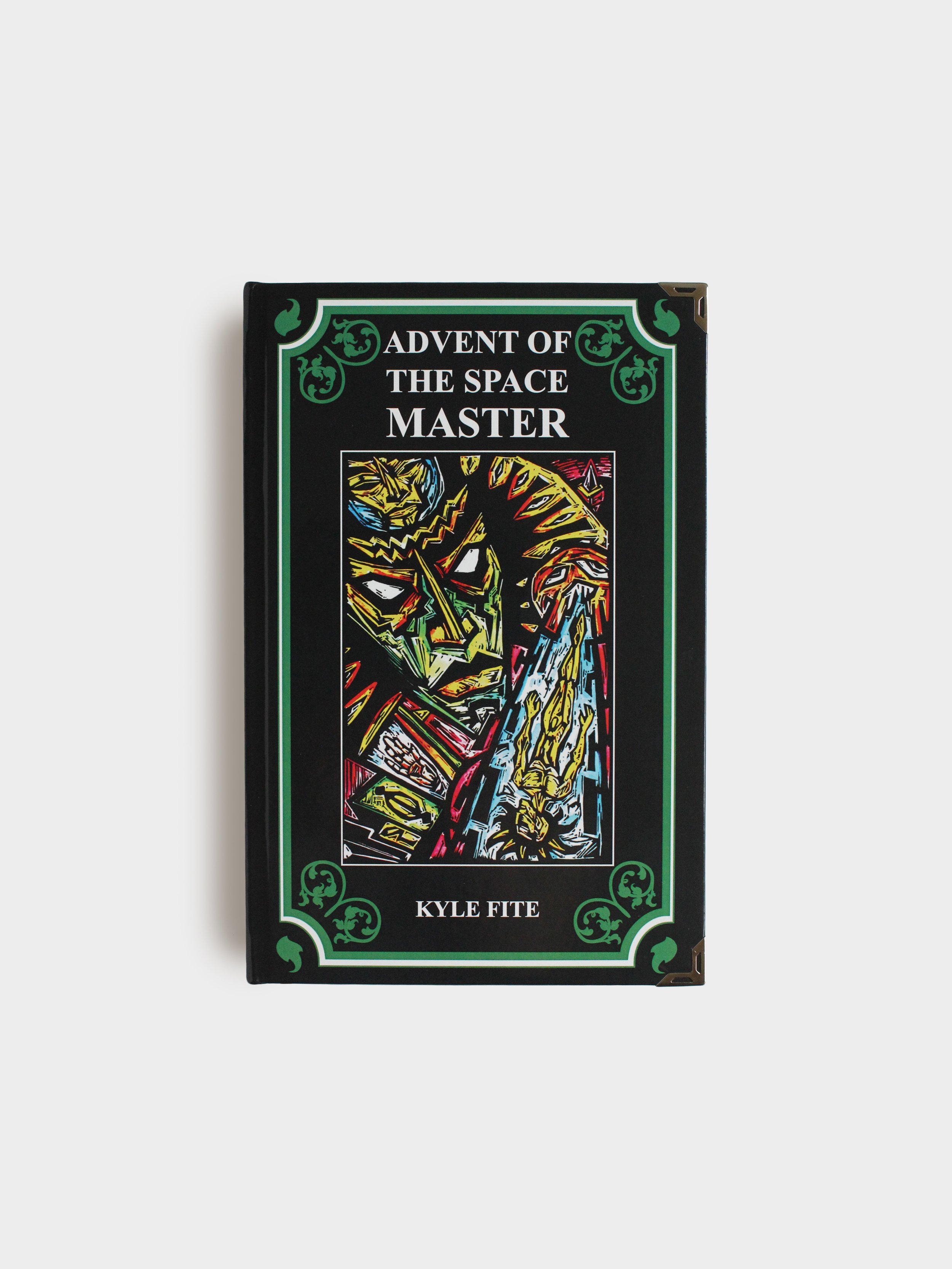
Advent of the Space Master by Kyle Fite
Described by the Author as “a type of explorative poem, drawn up, in places, from...engagement with a mode of quantum mediumship,” ADVENT OF THE SPACE MASTER follows its precursor, Hoodoo Pilot, to the Space Station circling the Third Star of the Celestial Spring, Alpha Sagittarii. There the venerable Abbe Boullan continues his Magical Ministrations in territories far beyond-yet intimately connected to-the Planet known as Earth.
Accompanying the Abbe is an unlikely crew, working diligently to accomplish The Great Work. Old enemies have become friends as we discover that “everything which rises must converge.” Oswald Wirth and Stanislas de Guaita assist with operations as Pataphysical Bardonaut, Alfred Jarry, gives report on his Half-Life After Death. The Baphometian trajectory of Walter Jantschik's obsessive labors is examined in conversation with the presiding Bishop of the Bathos Church and the anatomy of the Inner World of the ZYTH is described in terms of its Initiatory Implicits.
From The Choronzon Club to the Omega Gate to the Vortex opening into the 15th Dimension, ADVENT OF THE SPACE MASTER is a commentary upon perceptual calibration and noetic navigation of Spaces which, fantastic or fictitious as they may seem, we must all come to terms with in the Transformative Alembic between Form and Void.
Advent of the Space Master is 236 pages, fully illustrated with original art by the Author.

By Kenneth Grant. The republishing of the Typhonian Trilogies reaches its climax with the long-awaited and much-anticipated release of the ninth and final volume in the series, “The Ninth Arch”, which completes the third of the three trilogies. Originally published in 2002 and long out of print, this enhanced edition of 1500 copies is freshly typeset in an octavo format of 592 pages. Sewn-bound hardback, with a colour frontispiece, a 32-page section of colour and half-tone plates, illustrated endpapers and a full-colour dust jacket, this republication incorporates corrections noted in Kenneth Grant personal copy of the book. Many of the plates have been rephotographed, and some are printed in colour for the first time. Six of the plates are new, and are taken from an illuminated “Book of the Law” created by Steffi Grant in the mid 1940s.
The Ninth Arch is the final volume of the Typhonian Trilogies. It comprises an extended analysis of and commentary upon “Liber OKBISh, The Book of the Spider”, a transmitted text which was received in the course of the Workings of New Isis Lodge in the 1950s. Grant’s novella “Against the Light” (Starfire Publishing, London; 1997, 2016) casts some of the themes of “Liber OKBISh” into fictional form.
New Isis Lodge was the final name given to a magical group developed by Kenneth and Steffi Grant over several years in the late 1940s and early 1950s. The main body of work by New Isis Lodge extended over the years 1955 to 1962, and it was on the basis of his experiences within this Lodge that Grant was later to publish his monumental series of nine volumes which has come to be known collectively as the Typhonian Trilogies. Including several O.T.O. members from Crowley’s day, an insight into some of their methods is given in “Hecate’s Fountain” (Skoob Books Publishing, London, 1992; Starfire Publishing, London, 2014). Another transmitted text, the “Wisdom of S’lba”, together with several chapters of commentary amd analysis, is published in “Outer Gateways” (Skoob Books Publishing, London, 1994; Starfire Publishing, London, 2015).
From the author's account on the inside flaps of the dustjacket for the first edition of this book:
“The Ninth Arch”, comprising the “Book of the Spider (OKBISh)”, is the final volume of a series of Trilogies which trace the emergence into historic times of an ancient body of occult doctrine known as the Typhonian Tradition.
In order fully to understand its purpose and content, “The Ninth Arch” should be scanned against the background of the larger canvas on which it is painted. Such an approach will facilitate insight into the Oracles of “OKBISh” and their accompanying comments. As an additional aid to focussing salient features of the Tradition, the author's Nightside Narrative, “Against the Light” (Starfire Publishing, 2016), should serve as a helpful and explanatory ‘footnote’ to the circumstances existing at the time “OKBISh” was ‘received’.
The Oracles were communicated audibly, and occasionally visually, to various members of New Isis Lodge (1955-62) and at certain stages of magical ritual. The Current which generated the material began, sporadically, as early as 1939, with the initial movement of a transmission which developed over the years into the text known as the “Wisdom of S’lba” (see “Outer Gateways”, Starfire Publishing, 2015). In 1945, the “Wisdom”– then in its nascent stage – was recognized by Aleister Crowley as an authentic communication. From that time, the Informing Intelligence went on to complete the “Wisdom”, and proceeded to produce the massive series of Oracles presented in “The Ninth Arch”. The mode of reception has been described in the Introduction. The method of documentation confirms beyond cavil the validity of serial qabalah, as used previously in analyses of the “Wisdom”.
The richly complex pattern of magical correspondences, in both cases, has proved of unparalleled value in determining genuine contact with occult forces possessed of Knowledge and Prescience concerning important terrestrial Events. That the pattern reflects direct contact with an indefinitely ancient yet ever new Typhonian Gnosis, is demonstrated by the application of relentless and rigorous qabalistic exegesis, as recorded in the comments.
For readers interested in significant relationships between Numerical (physical) and Magico-Mystical (metaphysical) concepts, “The Ninth Arch” contains an exhaustive thesaurus of the Typhonian Tradition. But beyond considerations of gematria, the Oracles of “OKBISh”adumbrate Events likely to overtake planet Earth within the lifetime of many of the book's readers; and – for individuals who are able to interpret the Oracles in terms relative to their own magical universe – they issue warnings of the dangers that lie ahead of those unprepared to invoke the Sign of Protection against the oncoming wave of Outer Forces set to assume control of the planet. Now, at the turn of a millenium, it seems appropriate to release this Knowledge.
by Kenneth Grant
The Hardback is sewnbound in black cloth, with endpapers printed in black & white, protected by a full colour dustjacket.
The reprinting of the Typhonian Trilogies continues with the eighth volume in the series, Beyond the Mauve Zone, which is the second volume of the third and final trilogy.
Beyond the Mauve Zone was first published by Starfire Publishing in 1999. A second edition was published in 2016. Freshly typeset, it incorporated corrections noted in Kenneth Grant’s personal copy of the book. The second edition appeared in an octavo format of 334 pages, with a colour frontispiece, a twenty-page section of colour and half-tone plates, black and white illustrated endpapers and a full-colour dustjacket. Where possible, plates were rephotographed for the second edition, many reproduced in colour for the first time.
The forthcoming publication is a reprint of this second edition. As with all volumes in this series of reprints, it will be available in two formats: hardback, bound in black cloth and with a dustjacket; and paperback, with a sturdy cover. Both formats will be sewnbound on good-quality paper.
Oblique to the paths that give on to other dimensions, and beyond them, there lies a region which the author has termed “the Mauve Zone”. Mystics, magicians, sorcerers, artists of many kinds have - over the centuries - skirted it, stumbled upon it, and fled from it. Very few have penetrated beyond it and survived, or cared to leave any record of the experience. Those that did, have had to present their accounts as fiction, or discover a new means of communication - via weird art, symbols, hieroglyphics, signs which fellow pilgrims alone might recognise.
Access to the Mauve Zone has been facilitated in more recent times by the use of magical systems developed by occultists such as Austin Osman Spare and Aleister Crowley, both of whom established contact with inter-dimensional entities possessed of trans-human knowledge and power. Both systems involve the use of sexual magick to open hidden gates that have remained sealed for centuries.
The present book contains references to these systems, as well as to the explorative work of skilled contemporary Adepts such as Michael Bertiaux, Margaret Ingalls (Nema), Jeffrey and Ruth Evans, and the Patriarch of the “Ecclesia Gnostica Alba”, Zivorad Mihaljovic, which places them in the forefront of present-day practitioners.
There is also included a detailed account of the Cosmic Energy in humanity, known anciently as the Fire Snake, the Kundalini of Oriental arcane tradition which it is necessary to awaken if access to the Mauve Zone, and beyond, is to be achieved successfully. The account is based upon a rare Tantric work which provides veritable keys to the Mauve Zone and to the magico-mystical formulae designed to surpass it.
“Beyond the Mauve Zone” paves the way for the final volume, “The Ninth Arch”, in a series comprising three Typhonian Trilogies.
Paperback. By Kenneth Grant. Starfire Publishing. 2022.
The reprinting of the Typhonian Trilogies continues with the sixth volume in the series, Hecate’s Fountain, which closes the second trilogy.
Hecate’s Fountain was first published by Skoob Publishing in 1992. A second edition was issued by Starfire Publishing in 2014. Freshly typeset, it incorporated corrections noted in Kenneth Grant’s personal copy of the book. The second edition appeared in an octavo format of 316 pages, with a colour frontispiece, a twenty-page section of half-tone and colour plates, illustrated endpapers and a full-colour dustjacket. Where possible, plates were rephotographed, many reproduced in colour for the first time.
This publication is a reprint of this second edition. It will be available in two formats: hardback, bound in black cloth and with a dustjacket; and paperback, with a sturdy cover. Both formats will be sewnbound on good-quality paper.
Hecate’s Fountain is a highly original approach to contemporary Hermetic thought and experimental occultism. During the rituals of New Isis Lodge (1955-1962) it was noted that not all of them achieved the object for which they were performed. The exceptions had curious and often alarming side-effects which the author calls ‘tangential tantra’. It was discovered that these anomalies effected a rapprochment with highly charged dimensions existing between the realms of dreaming and dreamless sleep. This catalytic interface Grant calls the Mauve Zone. The weird nature of these phenomena suggested parallels with H. P. Lovecraft’s Cycle of Myths extrapolated in the fabulous Necronominon, and its affinity with Mauve Zone magick is here meticulously explored.
Many years of research then led to an interpretation, in terms of this magick, of Aleister Crowley’s The Book of the Law. Also explored are seemingly related phenomena in the work of another contemporary, Michael Bertiaux, whose independent discoveries show evidence of traffic with alien beings of Intelligence and Power. Crowley saw contact with such entities as “the only chance for mankind to advance as a whole”.
The Magical Workings of New Isis Lodge have opened the gates to an influx of influences from Outside that will radically alter the direction of experimental occultism.
Hardback Edition: Sewnbound in black cloth, with endpapers printed in colour, protected by a full colour dustjacket.
The reprinting of the Typhonian Trilogies continues with the release in December 2021 of the fourth volume in the series, Nightside of Eden, which opens the second trilogy.
Nightside of Eden was first published by Muller in 1977, and subsequently reissued with an errata page by Skoob Publishing in 1994. A second edition was issued by Starfire Publishing in 2014. Freshly typeset in an octavo format of 320 pages, with a frontispiece, a twenty-page section of plates, illustrated endpapers and a full-colour dustjacket, it incorporated the errata from the Skoob reissue, together with further corrections noted subsequently in Kenneth Grant's personal copy of the book. Where possible, plates were rephotographed, many reproduced in colour for the first time.
The forthcoming publication is a reprint of this second edition. It will be available in two formats: hardback, bound in black cloth and with a dustjacket; and paperback, with a sturdy cover. Both formats will be sewnbound on good-quality paper
There exists a map of consciousness, with its light and dark byways, in the form of a qabalistic glyph known as the Tree of Life. It has its roots in the primal earth of Eden, but its branches extend into extra-terrestrial dimensions. This Tree, which is a familiar concept to mystics and magicians alike, has another side, a nightside which receives but passing mention in contemporary manuals of occultism; as if the ancient writings of the Arabs and Jews contained allusions to mere figures of speech and monstrous fancies.
Nightside of Eden interprets the symbolism of the Tree of Death, the "other" side of the Tree of Life which forms the basis of the Western Occult Tradition. Kenneth Grant, whose Typhonian Trilogies have infused new life and meaning into ancient and forgotten mysteries, here provides an exhaustive survey of the other side of the Tree, haunted by dark forces that are today seeping insidiously into human consciousness and threatening it with violent disruption. The creative magical current represented by Aleister Crowley, Charles Stansfeld Jones, Austin Osman Spare, and in our day by Michael Bertiaux, Margaret Cook, and others, is here traced to its source in the formless voids beyond the threshold of mentation.
Nightside of Eden is an explication of the Cult of Choronzon and an initiated exposition of the Mysteries of the Left-Hand Path in relation to Western Occultism. Here, for the first time, the head of a genuine Magical Organization reveals the esoteric doctrines of the magic of the Left-Hand Path, as well as the practical application of psycho-sexual formulae of which very little is generally known.
The book is illustrated not only with the demonic sigils of the "other side", which make of it a grimoire of the Dark Doctrine, but also by curious works of siderealism, or stellar art, sprung from the New Aeon consciousness which permeates those occult Orders working in harmony with the Typhonian Tradition.
Hardback Edition
The reprinting of the Typhonian Trilogies continues with the third volume in the series, “Cults of the Shadow”. “Cults of the Shadow” was first published by Muller in November 1975, and subsequently reissued with an errata page by Skoob Publishing in 1994. A second edition was released by Starfire Publishing in 2013. This edition was freshly typeset, assimilating the errata from the Skoob reissue, together with further corrections noted subsequently in Kenneth Grant's personal copy of the book. The second edition appeared in an octavo format of 264 pages, with a sumptuous colour frontispiece by Steffi Grant, a twenty-page section of colour and half-tone plates, illustrated endpapers, and a full-colour dustjacket. Where possible, plates were rephotographed for the second edition, some presented in colour for the first time.
This new publication is a reprint of the second edition. It will be available in September 2021 in two formats: hardback, bound in black cloth and with a dustjacket; and paperback, with a sturdy cover. Both formats will be sewnbound on good-quality paper
Cults of the Shadow explores obscure aspects of occultism that have been frequently, and mistakenly, associated with the negative and sensational phenomena of so-called “black magic”
Much has been written about the doctrines and techniques of the Right Hand Path, but at the time of the initial publication of this book in 1975, this was the first time that a serious study of the equally valid and legitimate techniques of the Left Hand Path had been made generally available. As a Way of Spiritual Attainment, the Left Hand Path has a more ancient history than its better-known counterpart, for it stems from primeval phases of consciousness that manifested in historic times through the Ophidian Traditions of Africa, the Draconian Cults of ancient Egypt, and the Tantric Systems of India and the Far East. The evolution of these Mysteries is here traced through these, its earliest manifestations, right down to the present time.
The Left Hand Path has been shunned and kept out of sight because it involves a use of the sexual energies as a means of awakening the Serpent Power or Fire Snake, the key to cosmic consciousness, and also of controlling and directing the occult forces of the subconscious mind, the reservoir of infinite knowledge. The generally more enlightened approach to these matters in the present, post-Christian age has made possible the publication of these “occult secrets”, which for nearly 2,000 years have been anathematized on account of their psycho-sexual nature.
Present-day exponents of these Mysteries have formed their own cults for the revival and promulgation of this Secret Gnosis. Among them are Aleister Crowley, with his Cult of the Beast and the Scarlet Woman; Charles Stansfeld Jones, with his curious qabalistic researches; Austin Osman Spare, the artist who evolved his own system of sexual sorcery based upon ancient secrets of Witchcraft; and Michael Bertiaux, with his Cult of the Black Snake.
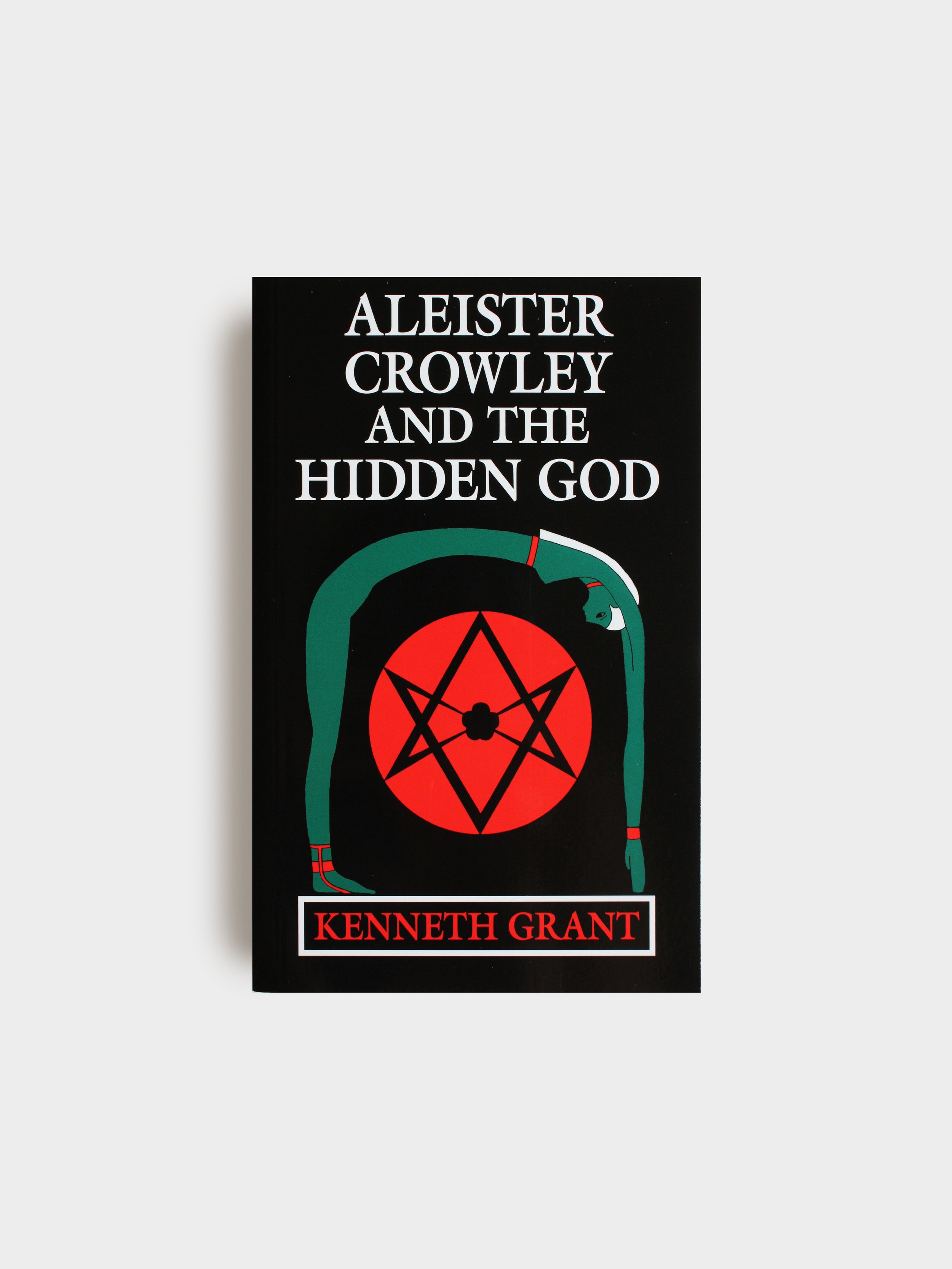
The reprinting of the Typhonian Trilogies by Kenneth Grant continues with the second volume in the series, Aleister Crowley and the Hidden God.
Aleister Crowley and the Hidden God was first published by Muller in 1973, and subsequently reissued with an errata page by Skoob Publishing in 1992. A second, enhanced edition was issued by Starfire Publishing in 2013; freshly typeset, it incorporated the errata from the Skoob reissue, together with further corrections noted subsequently in Kenneth Grant's personal copy of the book. The second edition appeared in an octavo format of 253 pages, with a frontispiece, a twenty-page section of plates, illustrated endpapers and a full-colour dustjacket. Where possible, plates were rephotographed, some presented in colour for the first time; also included were some previously unpublished drawings and paintings by Steffi Grant.
Artwork for two of the plates has been rephotographed, since the original drawings by Spare were not previously available but have recently come to light. Apart from this, the forthcoming publication is a direct reprint of the second edition. Available in hardback, bound in black cloth and with a dustjacket. Sewnbound on high-quality paper.
Aleister Crowley vowed to free man from bondage by showing him how to invoke his latent genius; the Hidden God. It is characteristic of Crowley that to this end he utilised the mysterious energies of sex: the most potent, most obsessive of man’s illusions which, if used unintelligently, strengthens the false sense of individual existence that divorces him from the fullness of cosmic consciousness.
“Aleister Crowley and the Hidden God” is an exhaustive and critical study of Crowley’s system of sexual magick and the strange rites which he practised and advocated for the purpose of promoting the Law of Freedom with its formula of “Love under Will”. The book reveals the occult workings of the Fire Snake or Kundalini-Goddess, the cosmic power in man which, when awakened by magical means, assumes an external form identified by Crowley as the Scarlet Woman, she who influences the secret power-zones in the body of man and invokes the Hidden God.
Here Kenneth Grant also describes a method of dream control involving the use of the Ophidian Current transmitted by Crowley, Spare, Fortune, Grosche, and others. Its object is to establish contact with extra-terrestrial and non-human beings with the ultimate purpose of transcending the limitations of personality and of realising cosmic consciousness, thus fulfilling the magical formula of the New Aeon.
“Aleister Crowley and the Hidden God” is here republished, available in both hardback and paperback formats. Some of the plates from the first edition are reproduced in colour; there were also some new plates for the second edition, one of which of Kenneth and Steffi Grant in November 2009 is here illustrated to the right. A further three new plates are shown below; from left to right, they are: Formula for hastening Transferences from the twin Ego by Austin Osman Spare; projected frontispiece for Monolith by Steffi Grant; and Evocation by Steffi Grant.
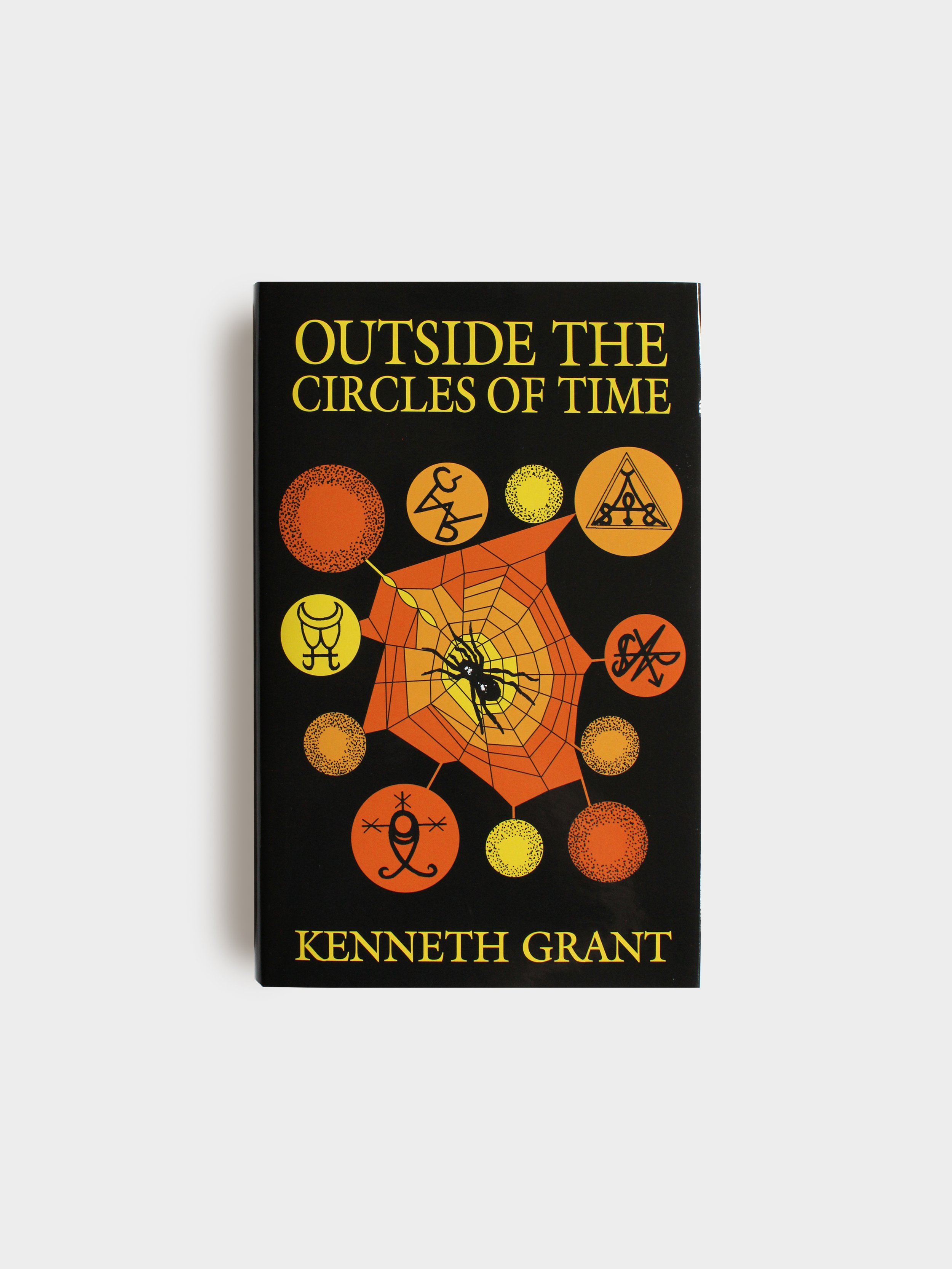
Hardback Edition: Sewnbound in black cloth, with endpapers printed in colour, protected by a full colour dustjacket.
By Kenneth Grant. Outside the Circles of Time was first published in 1980. This is a reprint of the second edition published in 2008, which was freshly typeset, with many of the original illustrations in colour, and augmented with previously unpublished artwork by Steffi Grant. The fifth volume in the series of Grant’s Typhonian Trilogies, this is a work that covers an extremely wide area and exposes – to quote from the jacket of the 1980 edition – “a network more complex than was ever imagined: a network not unlike H.P. Lovecraft’s dark vision of sinister forces lurking at the rim of the universe”. Outside the Circles of Time explores a complex of such ideas, from Blavatsky’s Secret Doctrine, Crowley’s The Book of the Law, Lovecraft’s Necronomicon, and Frater Achad’s researches. It also explores the work of Soror Andahadna, a contemporary Priestess of Maat whose work has parallels with that of Frater Achad some decades previously when he announced the inauguration of the Aeon of Maat in April 1948. On the more orthodox premise that each Aeon lasts approximately 2,000 years, we are at the beginning of the Aeon of Horus, so the Aeon of Maat might appear a long way off yet. However, the following passage from Outside the Circles of Time puts the matter in a different light:
Myths and legends are of the past, but Maat should not be thought of in terms of past or future aeons. Maat is present now for those who, knowing the ‘sacred alignments’ and the ‘Gateway of Inbetweenness’, experience the Word ever coming, ever emaning, from the Mouth, in the ever new and ever present forms that are continually being generated from the mystical Atu or House of Maat, the Ma-atu . . .
But the book is not simply or even primarily about the Aeon of Maat. It is a potent weaving of a host of apparently diverse strands into a broad, deep and powerful current. Though Grant’s volumes in the Typhonian Trilogies have each a unique flavour, Outside the Circles of Time seemed to herald a jump into a different dimension. To round off this synopsis, the closing paragraphs are taken from the Introduction. They convey at once the direction and flavour of this rich and powerful book:
One final point is here relevant, and I state it without apology. It is not my purpose to try to prove anything; my aim is to construct a magical mirror capable of expressing some of the less elusive images seen as shadows of a future aeon. This I do by means of suggestion, evocation, and by those oblique and ‘inbetweenness concepts’ that Austin Spare defined as ‘Neither-Neither’. When this is understood, the reader’s mind becomes receptive to the influx of certain concepts that can, if received undistortedly, fertilize the unknown dimensions of his consciousness. In order to achieve this aim a new manner of communication has to be evolved; language itself has to be reborn, revivified, and given a new direction and a new momentum. The truly creative image is born of creative imagining, and this is – ultimately – an irrational process that transcends the grasp of human logic.
It is well known that scientists and mathematicians have evolved a cryptic language, a language so elusive, so fugitive, and yet so essentially cosmic that it forms an almost qabalistic mode of communication, often misinterpreted by its own initiates! Our position is not quite as desperate, for we are dealing primarily with the body-mind complex in its relation to the universe, and the body-aspect is deeply rooted in the soil of sentiency. Our minds may not understand, but in the deeper layers of subconsciousness where humanity shares a common bed, there is instant recognition. Similarly, a magician devises his ceremony in harmony with the forces he wills to invoke, so an author must pay considerable attention to the creation of an atmosphere that is suitable for his operations. Words are his magical instruments, and their vibrations must produce not a merely arbitrary noise, but an elaborate symphony of tonal reverberations that trigger a series of increasingly profound echoes in the consciousness of his readers. One cannot over-emphasize or over-estimate the importance of this subtle form of alchemy, for it is in the nuances, and not necessarily in the rational meanings of the words and numbers employed, that the magick resides. Furthermore, it is very often in the suggestion of certain words not used, yet indicated or employed by other words having no direct relation to them, that produce the most precise definitions. The edifice of a reality-construct may sometimes be reared only by an architecture of absence, whereby the real building is at one and the same time revealed and concealed by an alien structure haunted by probabilities. These are legion, and it is the creative faculty of the reader – awake and active – that can people the house with souls. So then, this book may mean many things to many readers, and different things to all; but to none can it mean nothing at all, for the house is constructed in such a manner that no echo can be lost.
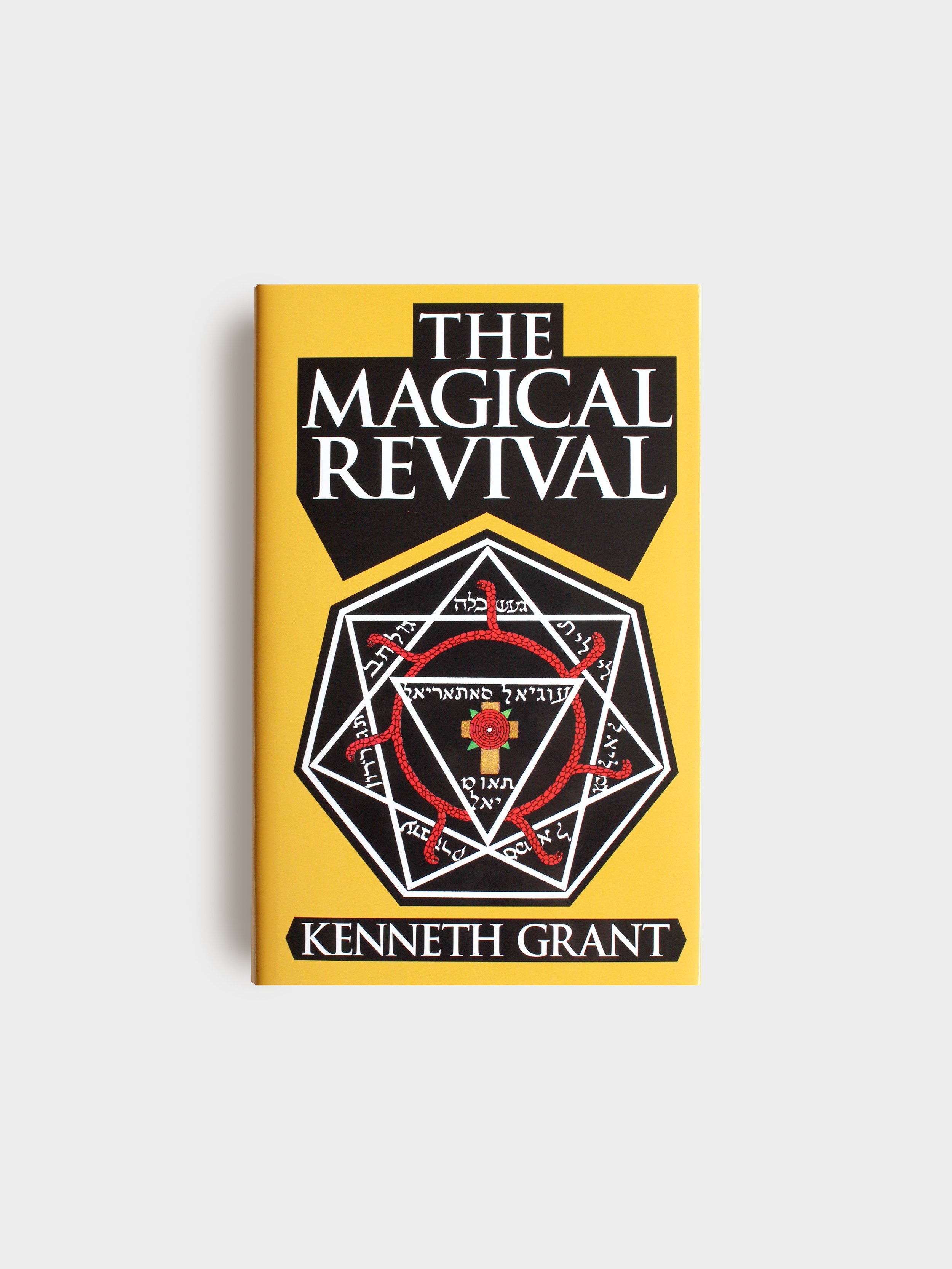
By Kenneth Grant. When the original manuscript of this book was submitted for publication, the author was told he had provided “too much material for one book”. This proved to be correct. The work here presented – in an enhanced edition – became the first volume of three Trilogies. It provides a detailed analysis of certain occult traditions which existed long before the Christian epoch, survived its persecutions and anathemas, and reappeared in recent times with renewed vigour.
The continuity of this magical current as reflected in the work of Aleister Crowley, Austin Osman Spare, Dion Fortune and others is here traced through the Tantrik Tradition of the Far East, the Sumerian Cult of Shaitan and the Draconian, Sabian, or Typhonian rites of the 'dark' dynasties of ancient Egypt.
Sexual magick and mysterious rites have always been practised; drugs and other substances have constantly been used to induce ecstasy, to produce visions and to facilitate traffic with the denizens of other worlds or planes of consciousness; but an initiated rationale of the process such as presented here has been rarely forthcoming.
The genuine magical tradition as revived by Adepts like Crowley is here related to its ancient sources and brought into line with phases of contemporary occultism that are evolving a New Gnosis to supercede the sterile superstitions bred of an aeon-long misunderstanding of the old.
As a contribution to occult lore, “The Magical Revival” and its companion volumes have become standard source-books in their special field.
Paperback Edition: Sewnbound in sturdy cover.
Hardback Edition: Sewnbound in black cloth, printed end papers.
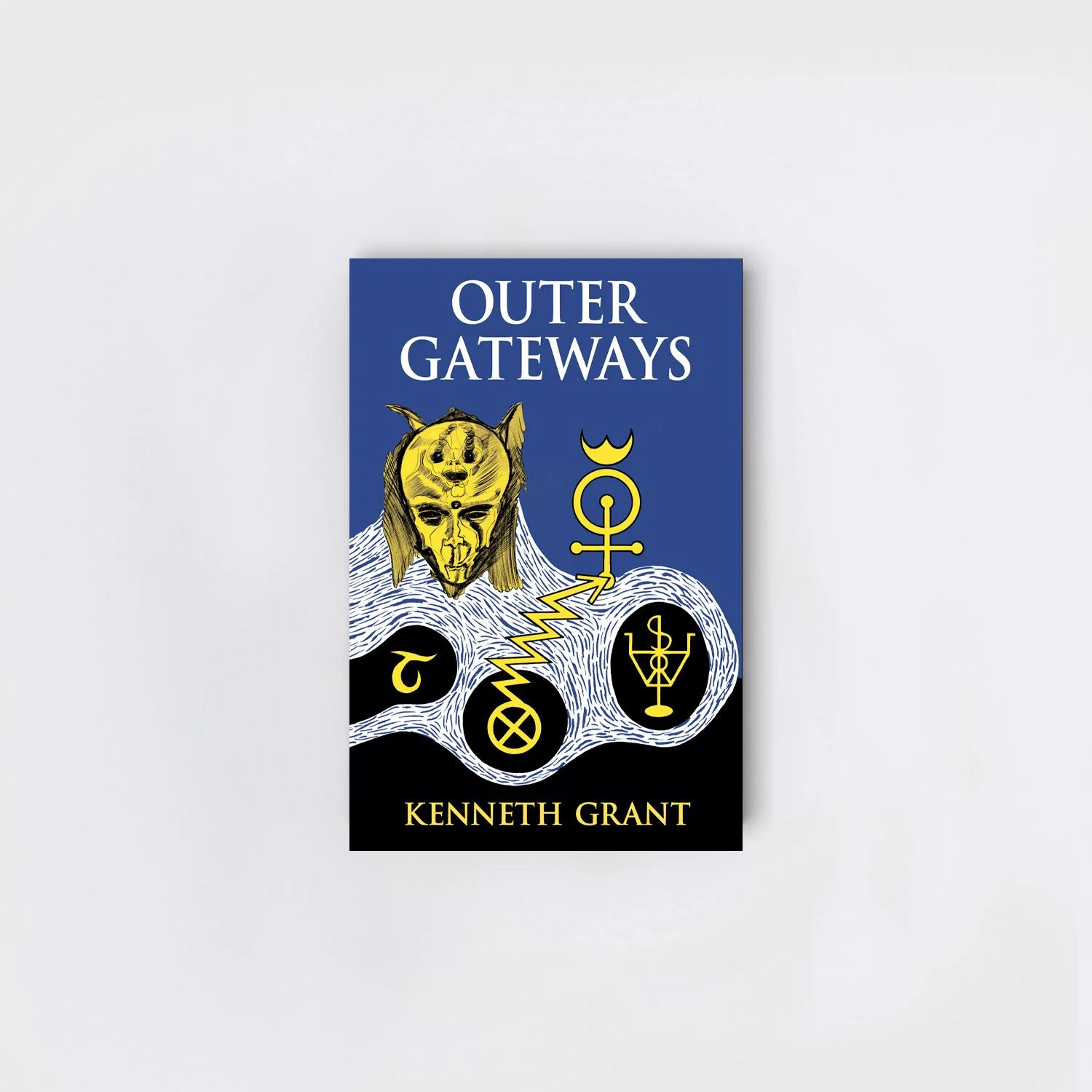
By Kenneth Grant. Originally released by Skoob Books Publishing in 1994, this enhanced edition of 1500 copies is freshly typeset in an octavo format of 298 pages. Sewnbound hardback, with a half-tone frontispiece, a sixteen-page section of colour and half-tone plates, illustrated endpapers and a full-colour dustjacket, this republication incorporates corrections noted subsequently in Kenneth Grant’s personal copy of the book. Many of the plates have been rephotographed, and some are printed in colour.
The republishing of the Typhonian Trilogies continues with the release in October 2015 of the seventh volume in the series, “Outer Gateways”, which opens the third and final trilogy.
The Typhonian Tradition discussed in this book matured and declined before even the monumental phase of the earliest civilizations. This is witnessed by fragments of magical and mystical lore once current in Egypt and the Far East. The Tradition lingered on and became corrupt with passing epochs and the gradual attrition of an ages-old lineage of Initiates. Harassment by warring factions seeking temporal power at the expense of intemporal space-transending Knowledge stifled the spark and fouled the springs of the ancient Wisdom. It reappeared fitfully over the centuries in obscure alchemical writings in the West, and in Oriental occult tantras, and traces of it proved sufficient to permit of its powerful resurgence, one of the most remarkable phenomena of modern times.
The earliest themes of Grant’s series of trilogies are here related, intensified and developed. The unearthly provenance of such disturbing messages as “The Necronomicon” is reaffirmed, leading to a cognate treatment of Crowley’s reception of “The Book of the Law” and a reinterpretation of that book’s implications in the light of the Typhonian Tradition. “E.T.” phenomena are regarded as an opportunity for man to integrate with consciousness the ancient stellar influences. The volume concludes with a haunting transmission “Wisdom of S’lba” received in New Isis Lodge under circumstances outside usually accepted magical procedures, and subsequently translated into terrestrial language.
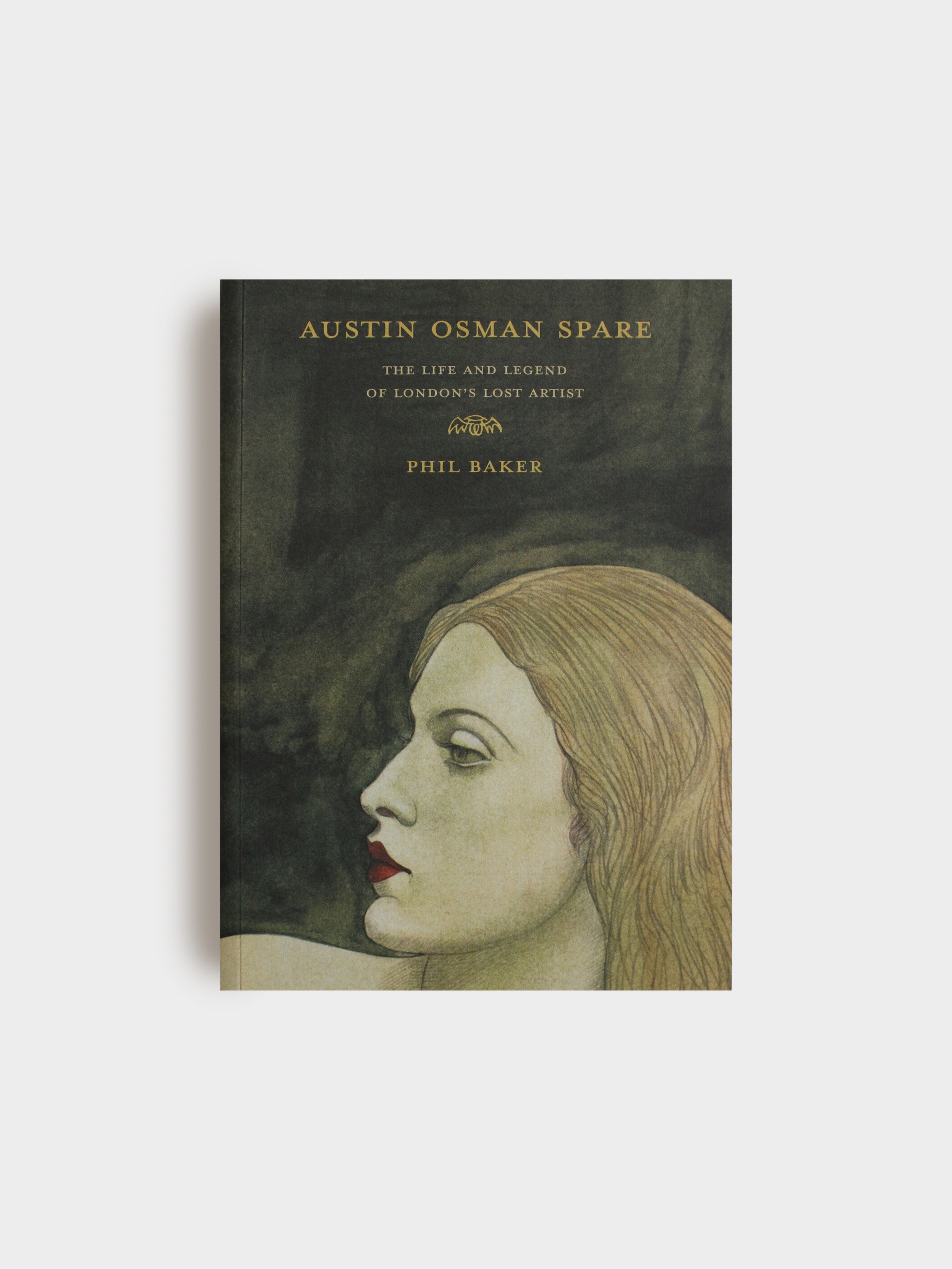
The Life and Legend of London’s Lost Artist By Phil Baker. 344pp, PB, 50 b/w illus, 16pp colour
This is a newly expanded paperback edition which includes a brand new afterword by the author, eight more colour pages, and some minor revisions.
————
“What Phil Baker has accomplished here is little short of marvellous… a human study that neither confirms nor conclusively denies the extra-human properties attributed to its astounding and ambiguous subject… To my mind Phil Baker has established himself as among the very best contemporary biographers.” From the Foreword by Alan Moore.
London has harboured many curious characters, but few more curious than the artist and visionary Austin Osman Spare (1886-1956).
A controversial enfant terrible of the Edwardian art world, the young Spare was hailed as a genius and a new Aubrey Beardsley, while George Bernard Shaw reportedly said “Spare’s medicine is too strong for the average man.”
But Spare was never made for worldly success and he went underground, falling out of the gallery system to live in poverty and obscurity south of the river. Absorbed in occultism and sorcery, voyaging into inner dimensions and surrounding himself with cats and familiar spirits, he continued to produce extraordinary art while developing a magical philosophy of pleasure, obsession, and the subjective nature of reality.
Today Spare is both forgotten and famous, a cult figure whose modest life has been much mythologised since his death. This groundbreaking biographical study offers wide-ranging insights into Spare’s art, mind and world, reconnecting him with the art history that ignored him and exploring his parallel London; a bygone place of pub pianists, wealthy alchemists and monstrous owls.
This richly readable and illuminating biography takes us deep into the strange inner world that this most enigmatic of artists inhabited, shedding new light while allowing just a few shadowy corners to flourish unspoiled.
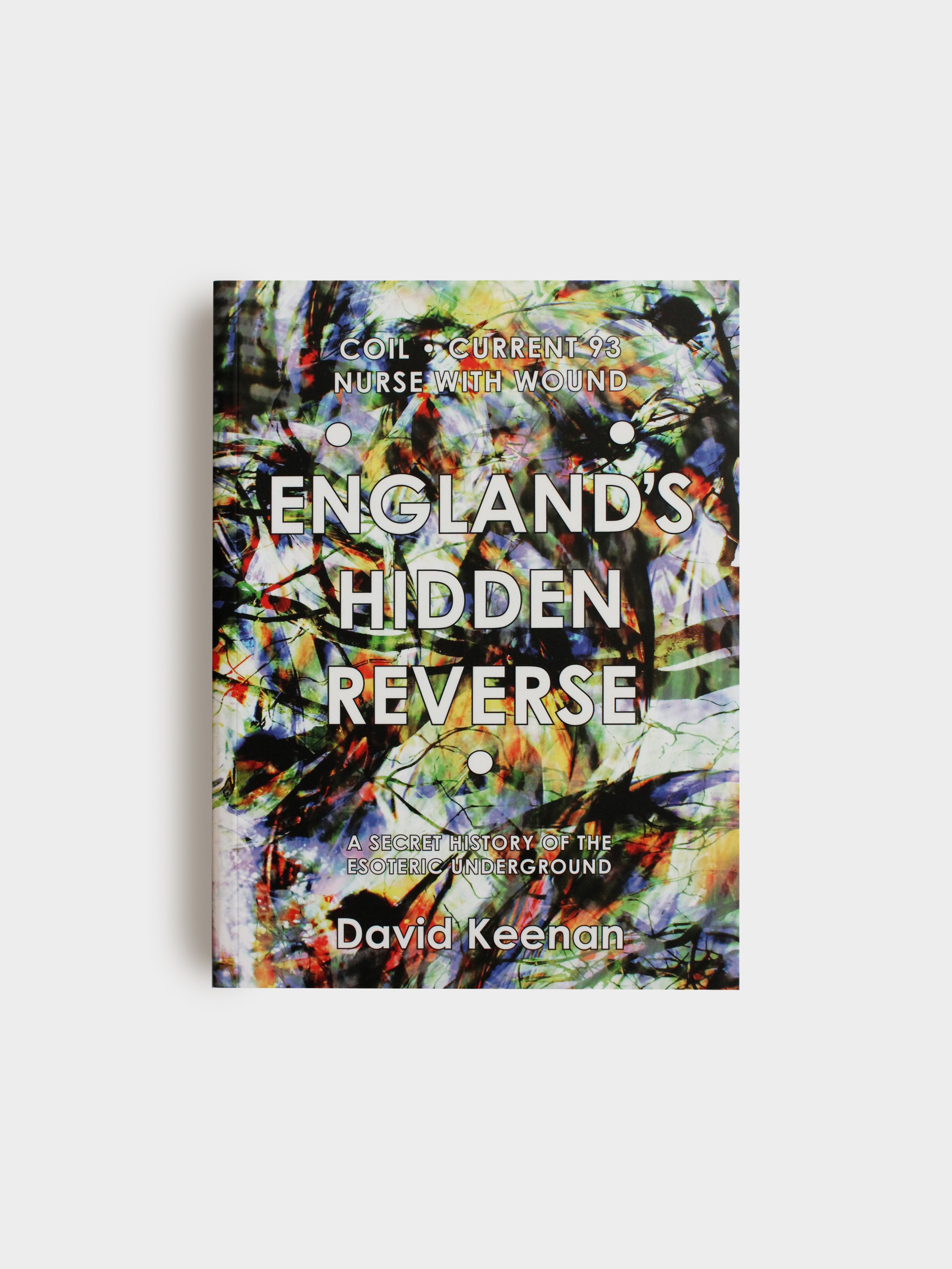
A Secret History of the Esoteric Underground by David Keenan
Newly expanded black and white paperback edition, featuring 60 pages of extra interviews and reflections from Furfur, a collection of bonus material published in a limited edition in 2016.
Paperback, 528 pages. 216mm x 156mm. 240 images in bw.
A newly expanded edition of David Keenan’s seminal secret history of the UK’s esoteric underground, England’s Hidden Reverse, which now includes a selection of interviews and reflections that initially appeared in the bonus zine, Furfur, which came with the special edition published in 2016.
Based on hundreds of hours of interviews with members of Coil, Nurse With Wound and Current 93 as well as contemporaries, friends and associates, EHR illuminates a shadowy English underground scene whose work accented peculiarities of Englishness through the links and affinities they forged with earlier generations of the island’s marginals and outsiders, such as playwright Joe Orton, writers like death decadent Eric, Count Stenbock, ecstatic mystic novelist Arthur Machen and occult figures like Austin Osman Spare and Aleister Crowley.
While functioning as an obsessively researched biography of the three interrelated groups EHR also works to track the trajectory of their influences, explicating a reverse current that runs counter to the mainstream.
Written over a period of six years and first published in 2003, the book flits between John Balance and Peter ‘Sleazy’ Christopherson of Coil’s original Threshold House in Chiswick and the old boys’ school they later moved to in Weston-super-Mare to Steven Stapleton of Nurse With Wound’s goat farm and visionary art environment in Cooloorta in Southern Ireland to the roof of a house in Muswell Hill where David Tibet of Current 93 receives a vision of Noddy crucified in the sky. From there it moves further back and faster; to eye witness accounts of early Whitehouse performances; to the formation of Throbbing Gristle and the birth of industrial music; to the last moments of the visionary painter Charles Sims; to Angus MacLise, ex-of the Velvet Underground, casting his poem Year as a work of elementary magic; to Shirley Collins, AE Housman and Denton Welch’s visions of England in eternity.
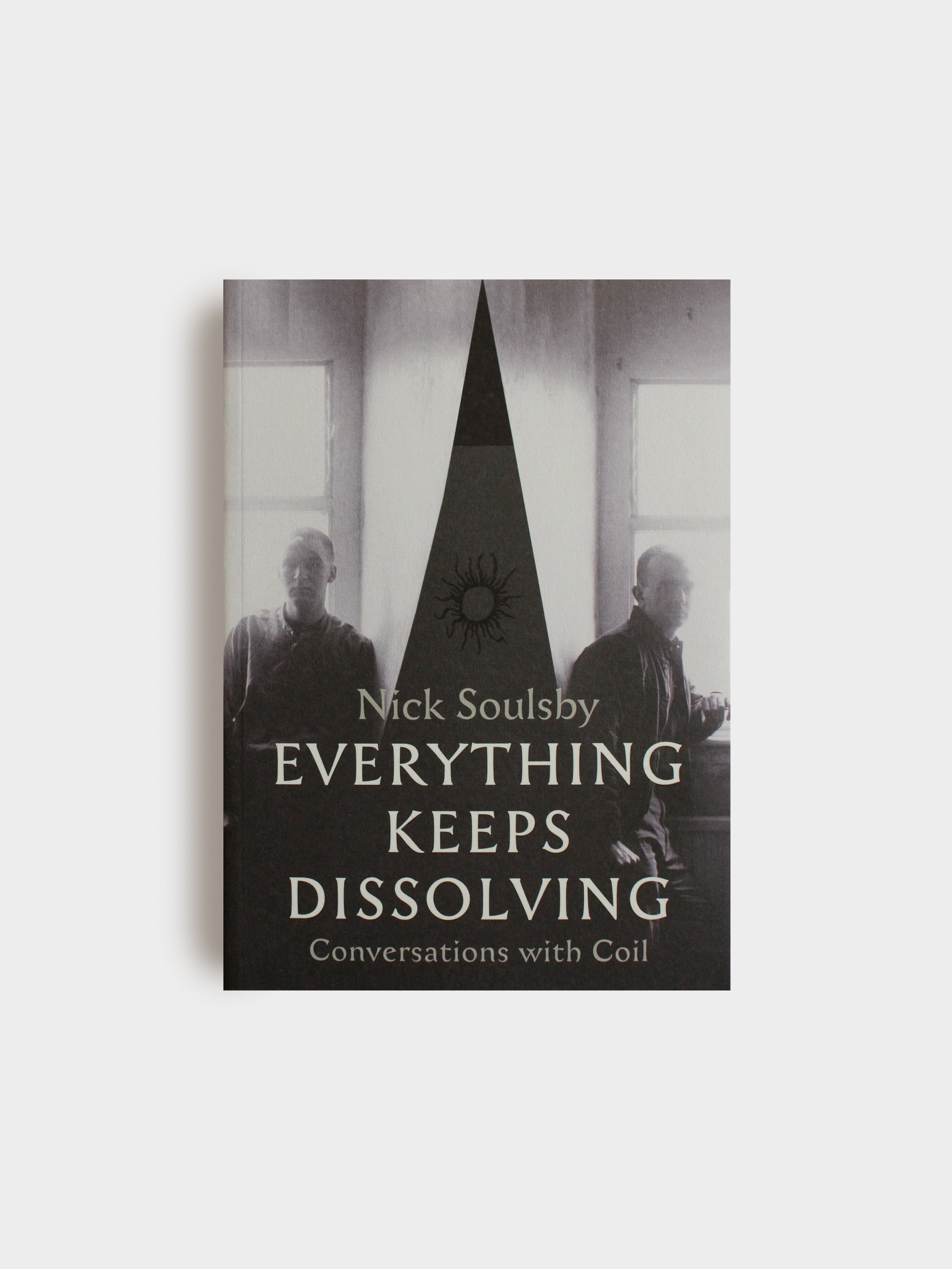
Conversations with Coil. Edited by Nick Soulsby
600pp, 148mm x 210mm, 40 bw images. Paperback
In this heavily illustrated compendium, the legendary British experimental band Coil tell their story in the present tense, as events unfold across their twenty-year history.
Between 1983 and 2004 the legendary British experimental band Coil established itself as a shape-shifting doyen of esoteric music whose influence has grown spectacularly in the years since its untimely end. With music that could be dark, queer, and difficult, but often retained a warped pop sensibility, Coil’s albums were multifaceted repositories of esoteric knowledge, lysergic wisdom and acerbic humor. In Everything Keeps Dissolving, core members John Balance and Peter Christopherson tell Coil’s story in the present tense, and from their personal perspectives.
Accompanied by their various collaborators, Coil describe the fertile eruption of ideas, inspirations, and stray tangents that informed their lyrical and musical visions—as well as those dead paths and castoff concepts that didn’t take root. Not only a worm’s eye view of Coil, these interviews provide insight into the late twentieth century’s evolving British cultural underground as channeled through two of its most astutely mercurial minds.
A milestone in Coil’s evolving posthumous history, Everything Keeps Dissolving contains a number of previously unseen drawings, photographs and other images by, and of, the band.
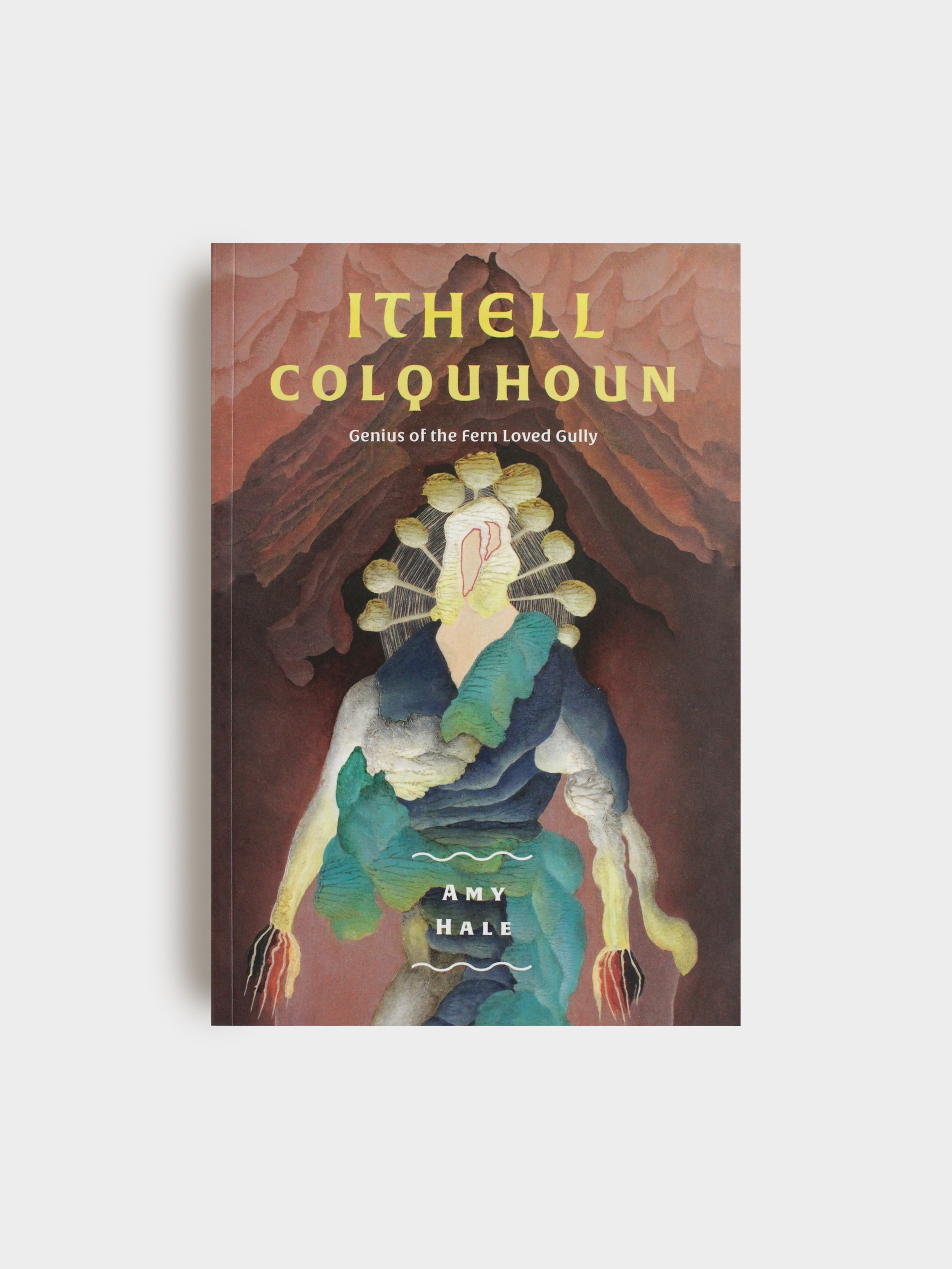
Genius of The Fern Loved Gulley by Amy Hale
304pp, 160mm x 240mm, Heavily illustrated in colour. Paperback.
After decades of neglect, the British Surrealist and occultist Ithell Colquhoun’s unique vision and hermetic life have generated enormous interest amongst historians and practitioners of art and magic. In this, the first in-depth biographical study of Colquhoun and her work, Amy Hale examines the magical and cultural confluences that shaped her imaginative life and artistic vision.
Rejecting the hectic social expectations and magical orthodoxies of London’s art and occult scenes, Colquhoun retreated to Cornwall, where, at the price of relative cultural obscurity, she pursued a life of profoundly dedicated spiritual and artistic enquiry. As a result, her visual and written works have only recently begun to receive the recognition they deserve as daring experiments in magical art, autobiography and esoteric feminism.
As the influential role of occult ideas in the history of art becomes ever clearer, Colquhoun’s work is long overdue a fresh consideration. ‘Genius of the Fern Loved Gully’ balances engaging biography with historical erudition and critical insight into her art and writing.
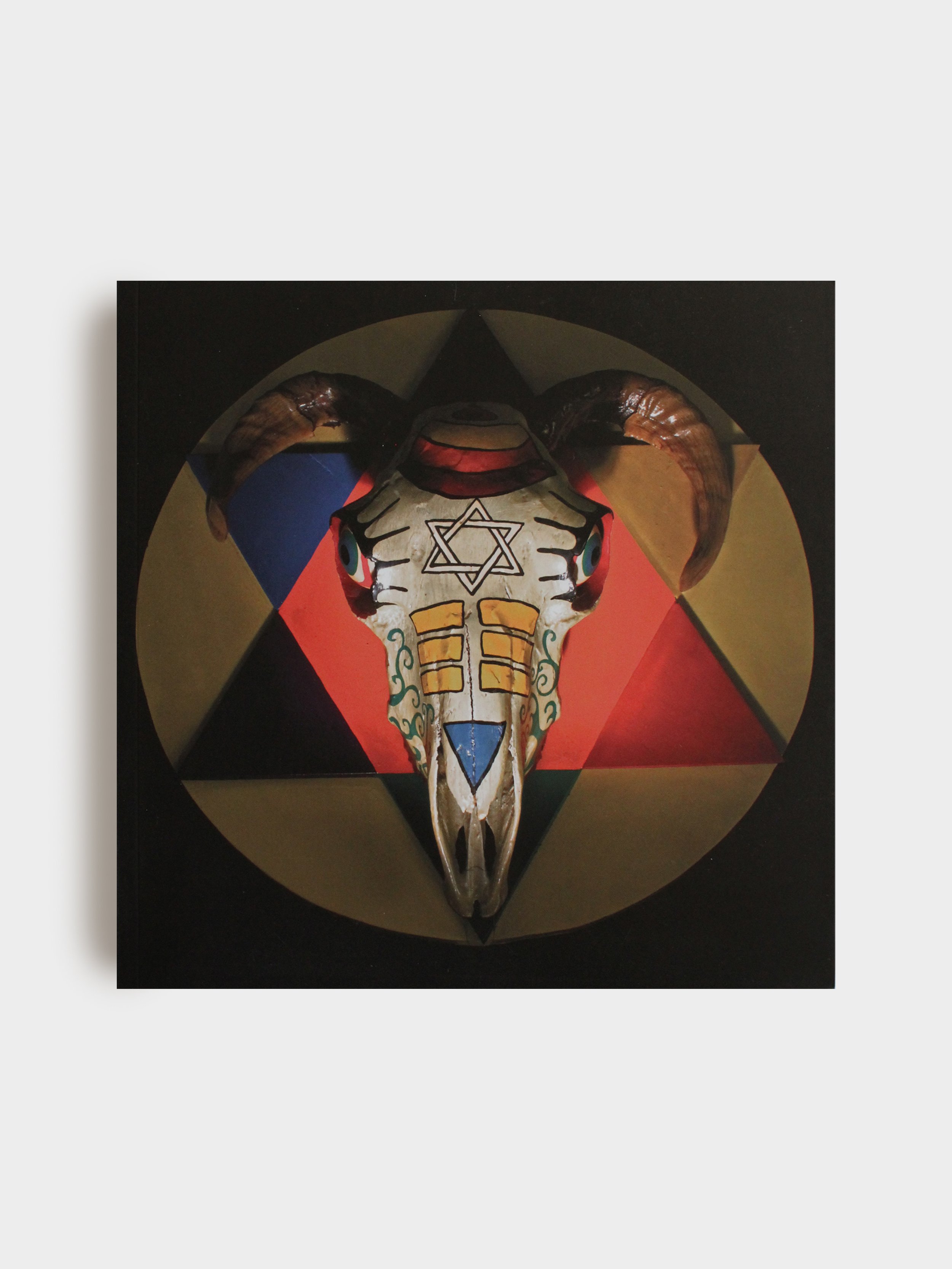
By Sara Hannant and Simon Costin
225 x 225 mm, 240pp. Over 120 images in colour & BW. Paperback.
One hundred objects, exuding magic and mystery, emerge from the darkness of Cornwall’s much-loved Museum of Witchcraft and Magic in this book of haunting photographs.
Artist and photographer Sara Hannant has captured the very essence of these carefully-selected artifacts, including wax dolls, wands, statues, daggers, pendants, robes and amulets. Each striking image tells its own vivid tale of belief and ceremonial practice.
Accompanying the photographs are informative texts from Sara Hannant and Museum director Simon Costin, as well as an illuminating introduction by the leading historian of British witchcraft and magic, Ronald Hutton.
Sara’s pictures are rites of evocation… a radically new and exciting approach to the work of representing the past to the present. ~ Ronald Hutton
“A feast for the eyes and mind of anyone fascinated by mankind’s long history of ritual and superstition, and how our relationship with and belief in occult practices has evolved over time” Arnolfini Bookshop
“A beautiful new book… satisfyingly square-shaped, full-color, and impeccably designed, making it a rather totemic object unto itself” Phantasmaphile
“Of Shadows is intriguing. The positioning of the subjects doesn’t detract from their mysterious nature and yet conveys a great deal of objective information. The captions are very informative and help to add to the experience of viewing these unique pieces.” Lens Culture
“Revealing many fascinating aspects of folklore and tradition, and what Sara calls ‘the power of ritual to connect with the changing seasons’” The Countryman

The London of Aleister Crowley By Phil Baker
Foreword by Timothy D'Arch Smith
304 pp., 5 x 8 in, 46 b&w illus. Paperback
A work that combines biography and pyschogeography to trace Aleister Crowley's life in London.
“I dreamed I was paying a visit to London,” Aleister Crowley wrote in Italy, continuing, “It was a vivid, long, coherent, detailed affair of several days, with so much incident that it would make a good-sized volume.” Crowley had a love-hate relationship with London, but the city was where he spent much of his adult life, and it was the capital of the culture that created him: Crowley was a post-decadent with deviant Victorian roots in the cultural ferment of the 1890s and the magical revival of the Golden Dawn.
Not a walking guide, although many routes could be pieced together from its pages, this is a biography by sites. A fusion of life-writing with psychogeography, steeped in London's social history from Victoria to the Blitz, it draws extensively on unpublished material and offers an exceptionally intimate picture of the Great Beast. We follow Crowley as he searches for prostitutes in Hyde Park and Pimlico, drinks absinthe and eats Chinese food in Soho, and find himself down on his luck in Paddington Green—and never quite losing sight of the illumination that drove him: “the abiding rapture,” he wrote in his diary, “which makes a 'bus in the street sound like an angel choir!”
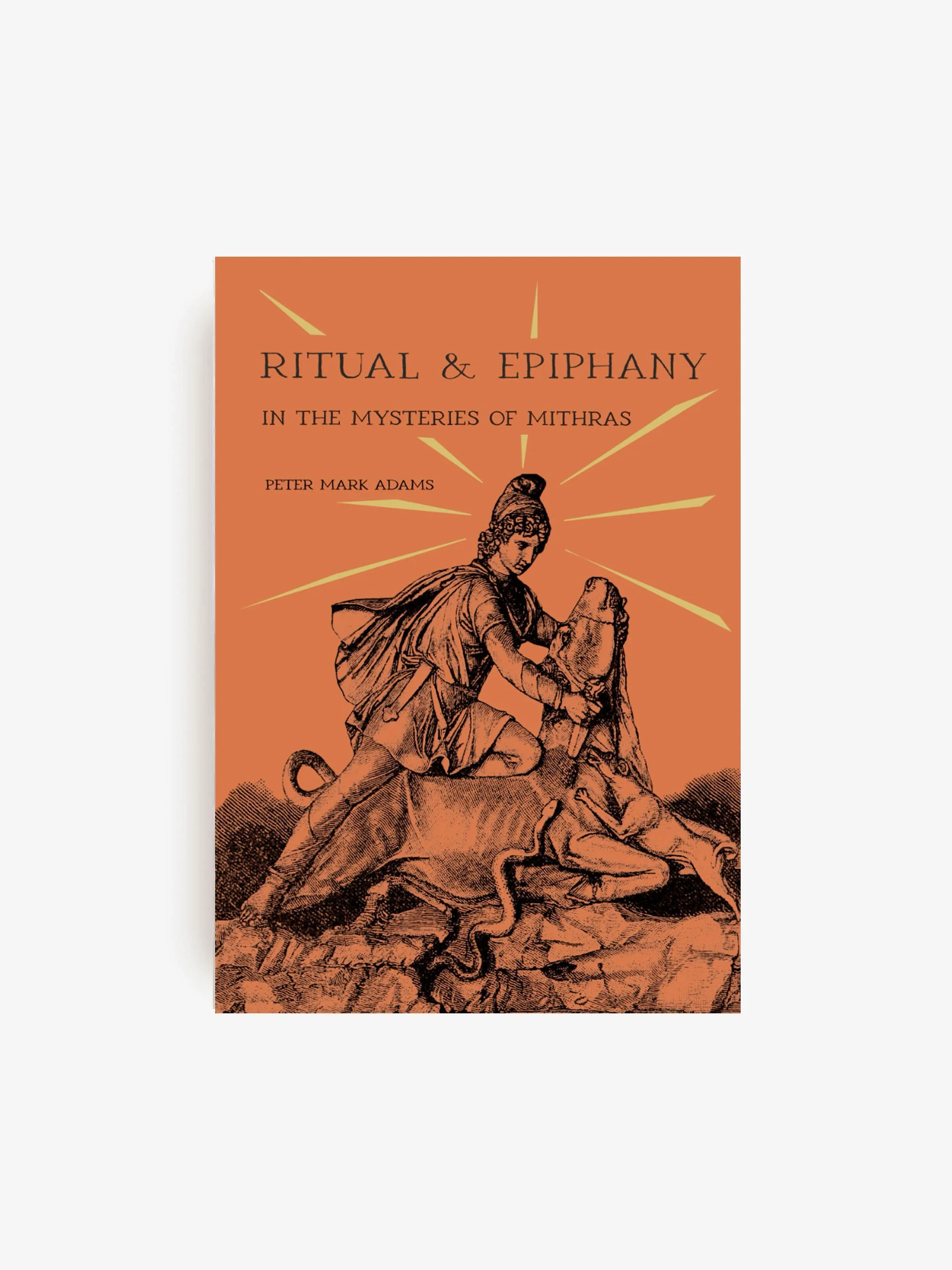
From acclaimed esoteric scholar Peter Mark Adams—author of The Game of Saturn, Mystai, Hagia Sophia / Sanctum of Kronos, Two Esoteric Tarots (with Christophe Poncet), and The Power of the Healing Field—comes a landmark study that redefines our understanding of Western Europe's most enigmatic mystery cult.
Ritual & Epiphany in the Mysteries of Mithras – The Secret Cult of Saturn in Imperial Rome takes readers deep into the heart of the Mithraic mysteries, offering a profound exploration of the cult's ritual practices and transformative visionary experiences. Blending cutting-edge scholarship with first-hand accounts of initiation and contemporary ethnographies of ritual performance, Adams provides an unparalleled glimpse into this ancient esoteric tradition.
Approaching the material from an emic (insider's) perspective, the author examines the cult's hierarchical grade structure, ceremonial roles, and ritual mechanics—revealing how initiates invoked the serpent power and encountered the awe-inspiring epiphany of Saturn-Kronos, the sovereign time-deity.
Through a richly interdisciplinary lens—drawing on Orphic metaphysics, Greco-Roman ritual theory, art history, and comparative ethnographies of initiation—Adams vividly animates Mithraic iconography, frescoes, and reliefs as ritual grammar encoding the lived phenomenology of participation.
Richly illustrated and deeply insightful, this volume revives the Cult of Mithras as Western Europe's preeminent mystery tradition, offering readers both scholarly rigor and spiritual resonance.
Bibliographic Details
272 pages, measuring 170 x 240 mm.
Printed on premium 120gsm wood-free paper.
Features metallic auburn-colored endpapers, gold headbands and a gold ribbon marker.
Includes numerous color and greyscale illustrations and photographs.
Fine Hardcover Edition (In stock)
Bound in high quality tangerine-colored fine cloth, manufactured in Germany.
Features a printed and embossed cover, lettering on rounded spine.
Limited to 888 copies.
In this highly acclaimed work Dr. Vincente establishes hitherto unexplored connections between the European lore of the Witches' Sabbath and the archaic fertility cult of the ram-headed Banebdjedet, a totemistic representation of Osiris in his netherworld aspect – Osiris as the Black Sun. It is the daemon of the depths, the Faceless God, who serves as the bridge between these two esoteric currents. This dark psychopomp, who reveals the mysteries of the Black Sun, was fictionalized by Lovecraft as Nyarlathotep. The Egyptians knew him as Anubis, and in European witch lore he is described as the black man of the Sabbath, the initiator of the witch cult. Thus the book has a triple focus – Lovecraftian, Egyptian and Sabbatic. It is not a question of extracting a complete occult system from Lovecraft's stories, or drawing exact correspondences between entities of his Mythos and gods and spirits of paganism. There is no system to be decoded. Instead there are traces, insinuations, echoes of a genuinely primal vision found in his nightmarish worlds.
Supporting his arguments with the strategic use of qabalistic methods, Dr. Vincente achieves a careful balance between esoteric hermeneutics and scholarly methodologies, so that the reader is always drawn back to the concrete realities of magical practice. A set of powerful rituals of initiation, sexual gnosis and sorcery will enable the discerning initiate to operate effectively within the sinister dimensions of this counter current.
Introduced by David Beth this work is indispensable for any serious student of diabolism and the Sabbatic Gnosis.
This meticulously updated edition includes a completely new introduction by the author, alongside other valuable additions. It also features an exclusive new essay by David Beth titled "Children of the Abyss".
Bibliographic details:
176 pages, 165×235 mm,
printed on wood-free high quality EOS paper in natural white (110gsm),
incl. 3 full-page greyscale illustrations by Mitchell Nolte.
Fine Hardcover Edition (In stock)
Bound in Peyer Cabra (bonded leather) in dark nature (anthrazit-like, 2-colored),
front embossing, lettering on rounded spine, headbands, ribbon.
Limited to 840 copies.
Hardcover bound in high quality f.color metallic “crystal” cover paper, designed by Schabert, produced by Gmund. Gold embossing on front and lettering on spine, headbands, silk ribbon. Sand-gold endpapers. printed on wood-free quality Design paper (115gsm). 208 pages, 165×235 mm. Limited to 488 copies only.
Theia Philosophia: A Manual of the Royal Arte by Jason Arthur Green is a Theurgic system of training focused principally on achieving Henosis, the unification with the divine. This practical manual offers insights and guidance for the soul’s potential attainment of the symbiosis between the mortal and immortal. The author expounds a Theurgic praxis via various paradigms and esoteric systems connected to the essence of Hermetic, Platonic, Kabbalistic, Vedantic and the multitudinous Theurgic and philosophical systems connected to Sophia Perennis (The Perennial Wisdom). Theia Philosophia equips metaphysicians and esotericists with tools and a foundation to elevate their Theurgic and metaphysical practices, enriching their existing traditions or magico-mystical systems. It also encourages Theurgic practitioners to transcend established esoteric models and create their unique Theurgic paradigm. The author has meticulously created this monograph over the course of nearly a decade, through dedicated practices, research, daring experimentation, and the profound insights derived from these pursuits.
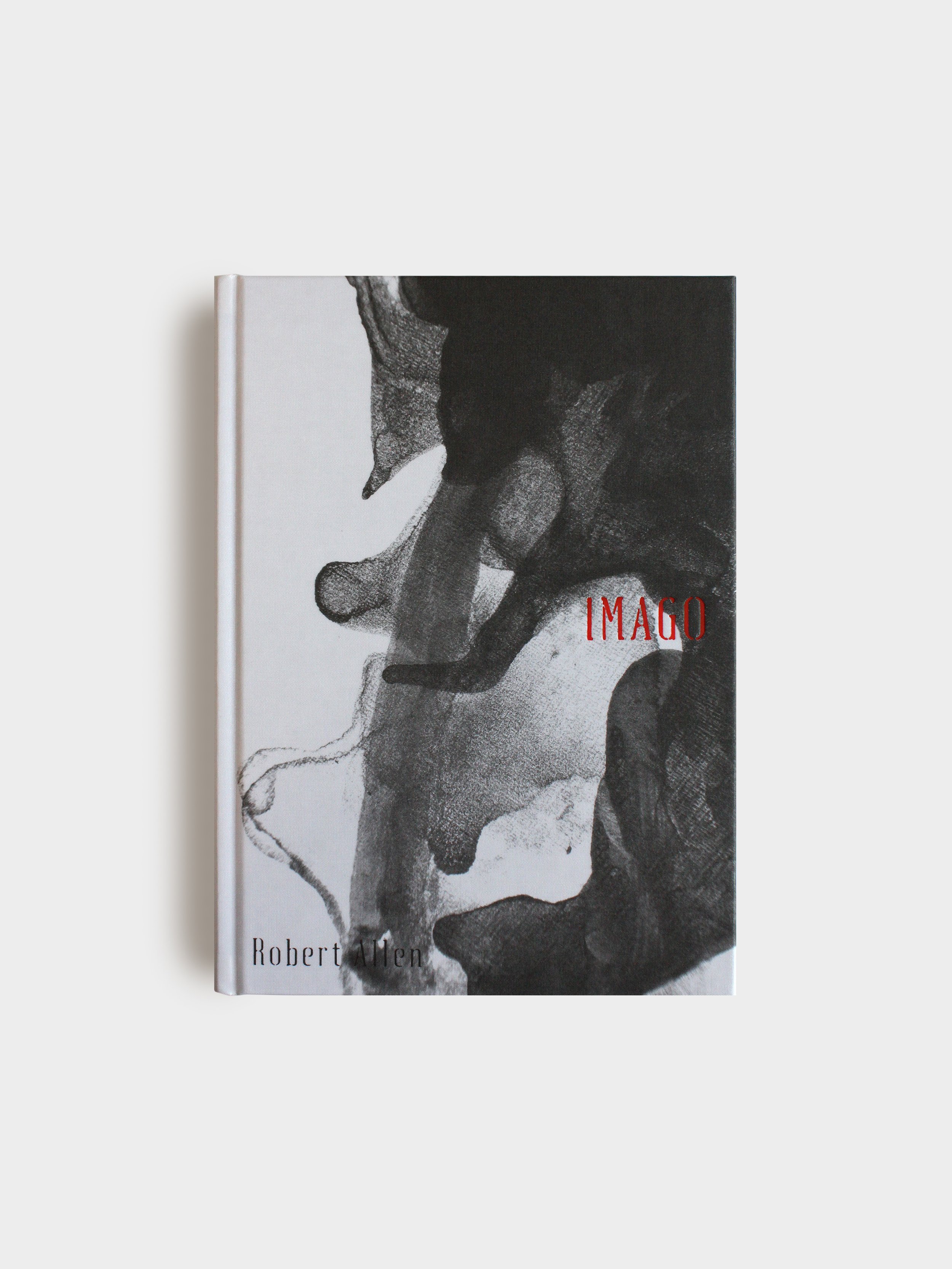
By Robert H. Allen.
Cloth Hardcover Edition, bound in quality fine cloth, front embossing/print, lettering on spine, headbands, ribbon.
Limited to 730 copies. Theion Publishing
Bibliographic details:
features an exclusive foreword by Richard Smoley, incl. 4 full color original illustrations of the 4 elements by Constance DuQuette, 192 pages, 165×235 mm, printed on high quality wood-free Lessebo Design smooth natural paper (115gsm), Surbalin endpapers, rounded spine.
In his groundbreaking work, Robert Allen restores the image to its rightful place at the heart of the Western esoteric tradition. He argues that the careful relation of image, vision and understanding holds the power to opening the portals to a magickal practice which is both initiatory and transformative. Imago investigates the root of the magical tradition in early Neoplatonism, especially their use of images as magical symbols of transformation and shows how these ideas permeate the practice of radical avant-garde theater artists like August Strindberg and Heiner Müller. Drawing on the work of occultists like Aleister Crowley and Austin Spare as well as poets and radical artists, Robert Allen discusses the awesome power of the images and develops a practical step-by-step guide to vision magick as a foundation for all esoteric practice. Divided into chapters which themselves constitute a journey into how the magickal imagination can be rehabilitated, IMAGO is intended to function as a very real initiation into the nature of the imaginative process itself.
The author: Robert H. Allen has been a practicing ceremonial magician for more than half a century; his life in magick began when he was 13 years old. In his late teens, he joined the Ordo Templi Orientis under the direction of Kenneth Grant, which is currently known as the Ordo Typhonis. He is also a senior member of the Temple of the Silver Star (TOTSS), a Golden Dawn patterned Thelemic Order, and an Instructor for the TOTSS academic track. In addition, Robert is an Initiate of the Jane Wolfe lineage of Aleister Crowley’s A.˙. A.˙.
On a more secular note, he holds a degree in fine art, and he is a former dancer, choreographer, physical theater artist, and director, working with significant choreographers and directors in the United States and Europe. His current focus is on teaching and education, having taught at major universities in the US, and he is a published author on performance technique and visionary art practice. Robert is a certified teacher in the Krishnamacharya Yoga tradition, as well as in the Michael Chekhov acting method. More recently, he has been integrating theater technique and magickal practice in a project called Performance Movement Magick. These workshops are ongoing and provide the practical foundation for his writing and pedagogy.
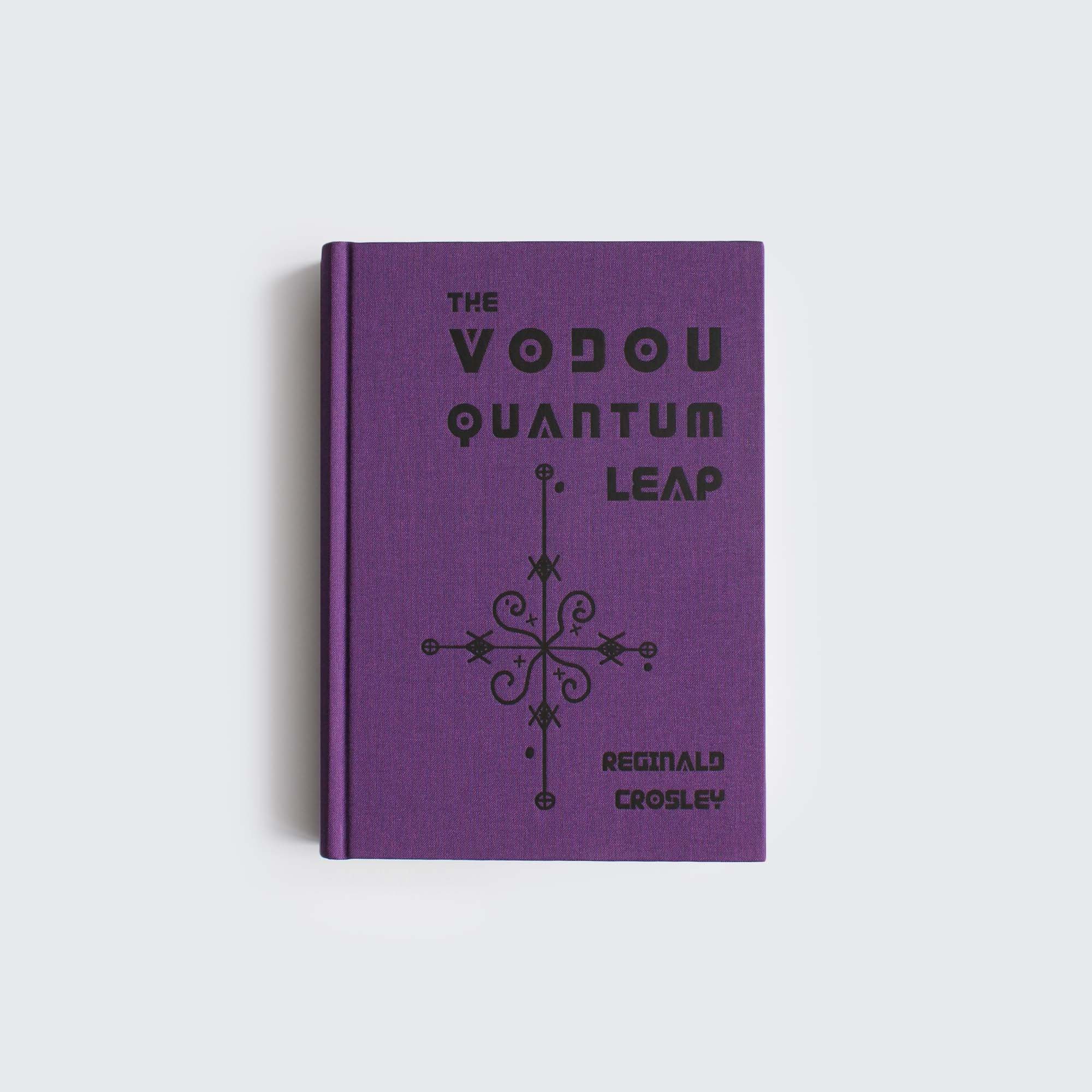
The Vodou Quantum Leap (Tribute Edition) by Reginald Crosley
384 pages, 165 x 235 mm, printed on 115gsm wood-free quality design paper, deep black Surbalin endpapers.
incl. 6 greyscale images of artwork by Peter Dyde, black and white photo of the late Dr. Crosley, courtesy of his family.
Cloth Hardcover Edition Bound in purple Brillianta® fine cloth, black embossing, lettering on spine, headbands, ribbon, limited to 522 copies only.
Dedicated to our late friend, the visionary Haitian-American Dr. Reginald Crosley, this book needs little introduction. Since its first publication, The Vodou Quantum Leap has gained iconic status as one of the most intriguing and visionary works elaborating the most hidden and shadowy dimensions of the Vodou Universe. At the core of his work, we find Crosley’s radical claim that operational Vodou, especially in the workings of the Secret Societies, is nothing short of applied Quantum and New Physics.
Writing from deep esoteric experience and understanding of Vodou and Afro-centric Gnosis, Crosley also draws on Western and Eastern mysticism, surrealism, shamanism and modern science to open strange doorways for the reader into Vodou as an experience of extraordinary Gnostic and occult possibilities and powers. Amongst other things, his work expands on the mysteries of the infamous voltigeurs, magical ‘leapers’ between the manifold dimensions of reality, investigates the machinations of the Red Sects such as the Bizango and Makaya and enters the forbidden zones of black magic, fetichism and spiritual pacts.
The Vodou Quantum Leap is a bold vision and enthrones Vodou in its rightful place as one of the great world religions and possibly the most powerful mystico-magical system in the world today.
This tribute edition of The Vodou Quantum Leap is a slightly revised and corrected reprint of Theion’s 2014 revised and expanded edition and remains the most complete edition of this seminal work.
The Vodou Quantum Leap features a foreword by David Beth and illustrations by Peter Dyde.
About the Author: Born in Haiti, Reginald Crosley was a member of the influential Haiti littéraire and deeply involved in Haitian Surrealism. He later moved to the United States and had a medical practice specialized in Internal Medicine and Nephrology. He is the author of various books on spirituality and of poetry. He passed away in June 2020.
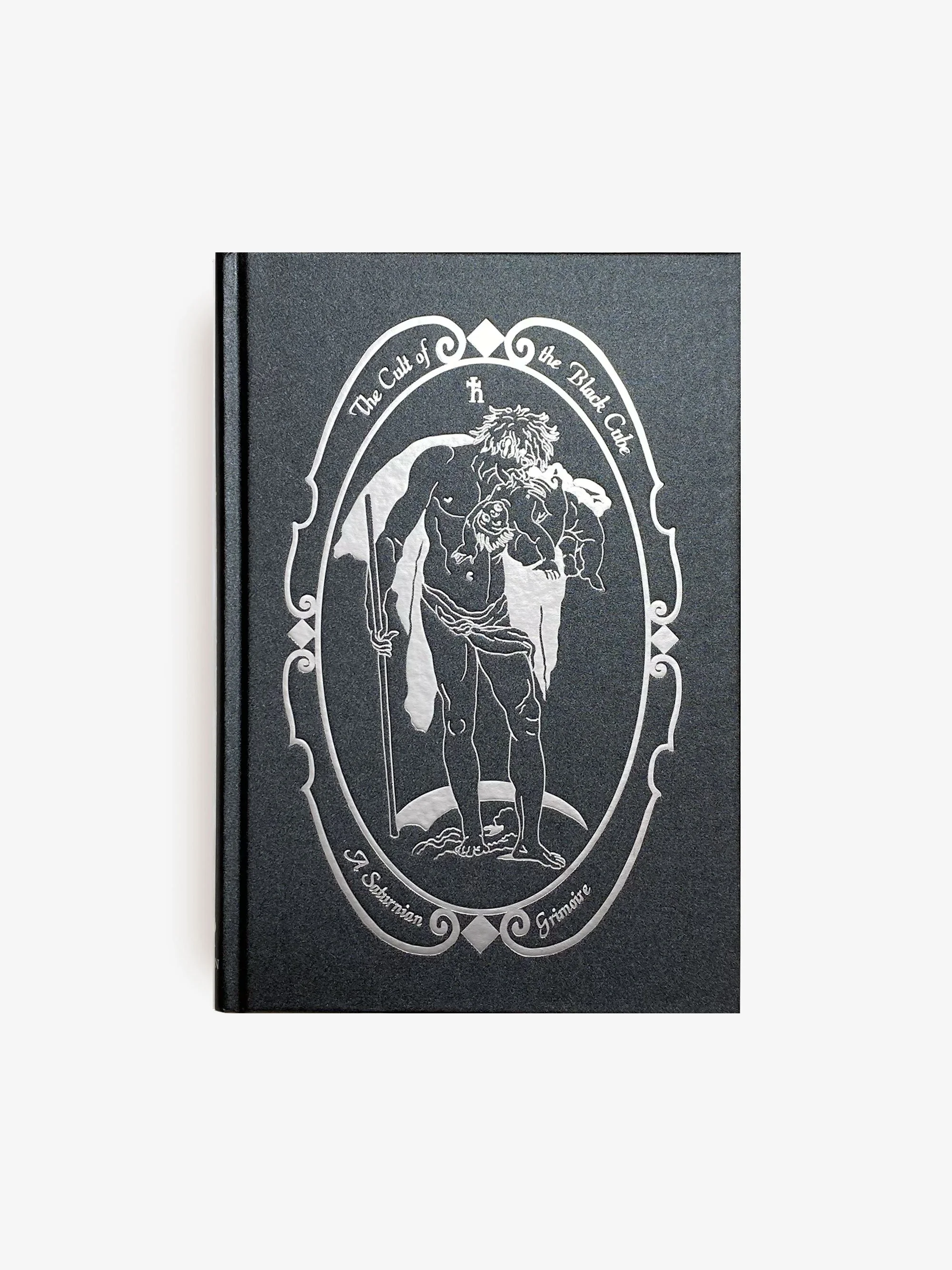
Feared, bedeviled and vilified but also venerated, adored and embraced, Saturn and his shadowy powers have strongly influenced the spiritual and magical life of cultures and individuals for millennia. Concentrating especially on His antinomian and anti-cosmic character, The Cult of The Black Cube: A Saturnian Grimoire is a seminal study on the occult essence and esoteric significance of Saturn in theory and practice.
The Cult of the Black Cube: A Saturnian Grimoire is divided into three main sections:
Part I examines the ambivalent role of Saturn in various religious and magical traditions around the world focusing especially on His Islamic, Classical and Indian cults. Fleshing out the common traits underlying Saturn’s global manifestations, Dr. Moros argues for a perennial cult of Saturn expressed in various cultural guises.
Part II and III comprise the Grimoire of the Black Cube which provides a comprehensive armory of occult weaponry to initiate Saturnine contact and to establish an individual cultus of Saturn. Part II presents a thorough esoteric analysis of the Saturnine Cult and the nature of its initiatic path. Part III is devoted to the practical applications of Saturnine worship and magic.
Corrected and revised, this second edition also features a new foreword by Dr. Tomas Vincente, author of The Faceless God, and an elaborate essay by David Beth on the Saturnine deity entitled “Clavis Saturni: A Kosmic Heresy”.
David’s treatise is based on notes he had initially provided to Arthur Moros who had intended to compose a further chapter for his book detailing the Saturnian vibrations within the Kosmic ‘pandaemonic’ current – unfortunately, his premature death prevented the writing of this section. With encouragement from the Moros estate, David Beth decided to work these notes into an essay in order to make its Gnosis available to the esoteric community.
The author Dr. Moros (pseudonym) was a scholar of religions and a devoted initiate of Saturn for 30 years. Sadly he passed away in early 2017 under mysterious circumstances. This book is his esoteric legacy.
Bound in metallic "platinum" cover paper by Schabert/Gmund.
Front embossing, spine lettering, book ribbon, headbands.
192 pages, 165×235 mm.
Printed on high-quality, wood-free paper; black Surbalin endpapers.
Limited to 999 copies.
4th Edition
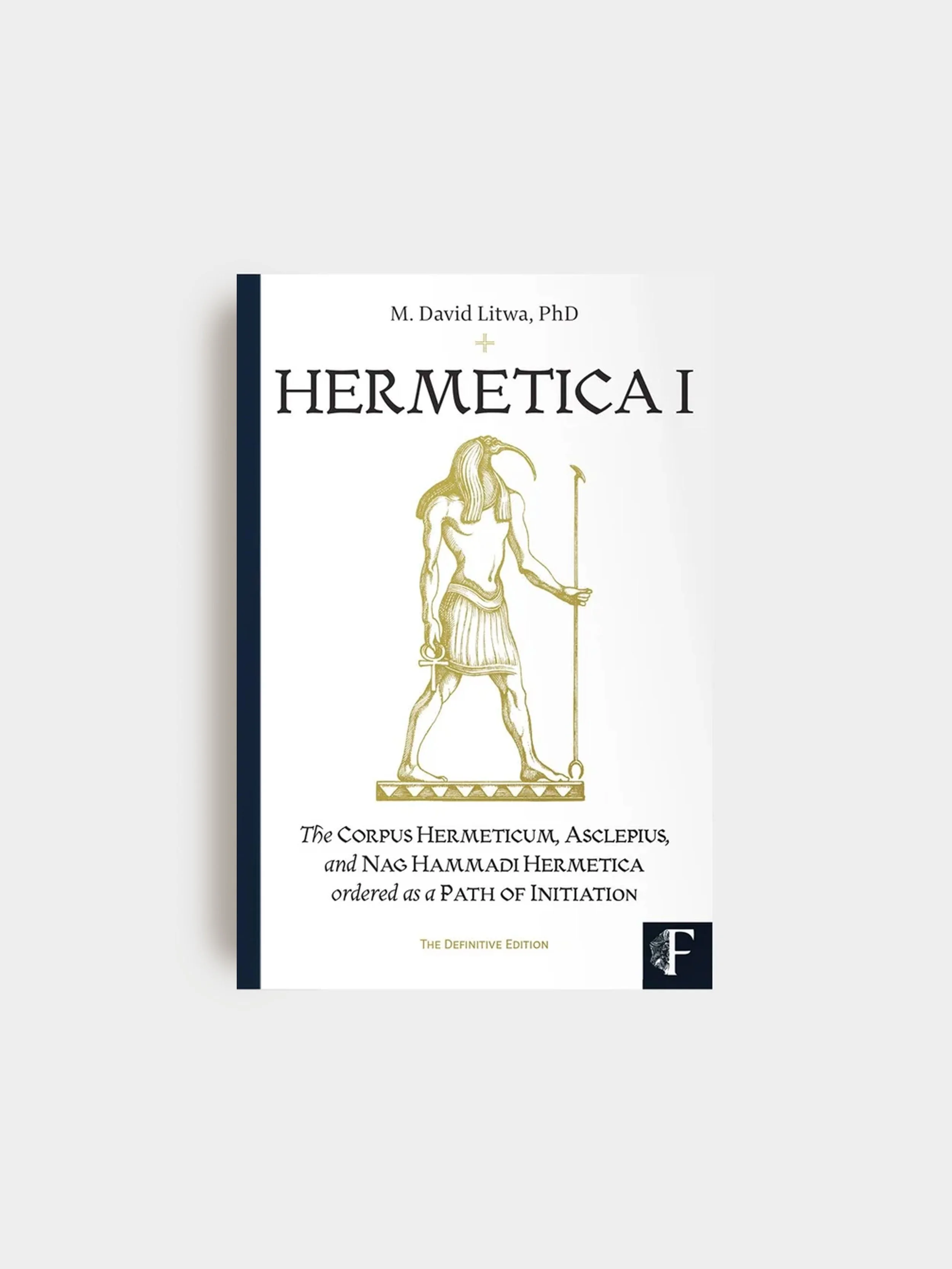
Paperback. The Definitive Edition with a revised Introduction, added Appendices, and Index.
Hermetica I: The Corpus Hermeticum, Asclepius, and Nag Hammadi Hermetica Ordered as a Path of Initiation
By M. David Litwa, PhD.
Illustrations by José Gabriel Alegría Sabogal, MA.
Publisher: Fount Ultd., 2026
+ + +
Hermetica I: The Corpus Hermeticum, Asclepius, and Nag Hammadi Hermetica Ordered as a Path of Initiation
The Definitive Edition with a revised Introduction, added Appendices, and Index.
By M. David Litwa, PhD.
Illustrations by José Gabriel Alegría Sabogal, MA.
Fount Ultd., 2026
The Hermetic corpus is a spiritual and intellectual treasure stemming from ancient Egyptian sages who could write and think in Greek. Since the Renaissance, this corpus has appeared in an order that doesn’t fit the path of spiritual initiation suggested by the corpus itself. This edition reorders the corpus—including the Latin Asclepius and the Nag Hammadi Hermetica—into four progressing parts: introductory tractates, general discourses, detailed discourses, and revelatory discourses. A focused commentary follows each tractate. The book is written for all lovers of the Hermetica, but in particular for those who are willing, in some sense, to join the way of immortality.
+ + +
This volume presents the Hermetic writings as a central and enduring current within Western spirituality, born from the encounter between Egyptian religious wisdom and Greek philosophical thought in late antiquity. Composed at a time when traditional cults and forms of knowledge were under threat, the Hermetica preserve a vision of spiritual rebirth, divine knowledge, and inner transformation that continued to shape later philosophical and Christian traditions, often without acknowledgment. These texts are not peripheral speculations but articulate a serious and integrated spiritual worldview aimed at awakening higher consciousness and participation in divine life.
Rather than treating the Hermetica as a loosely assembled anthology or merely as historical documents, this book approaches them as a corpus structured by initiation and spiritual formation. Guided by indications within the texts themselves, the tractates are arranged to reflect a movement from exhortation and preparation, through doctrinal grounding, toward revelatory experience. Reading, in this context, becomes a disciplined engagement—one that ancient readers understood as capable of effecting genuine inner change rather than serving purely intellectual ends.
The Hermetic path presented here resists easy categorization. It does not collapse into abstract philosophy, nor does it reduce spiritual experience to dogma or belief. Instead, it unfolds in stages, holding together cosmology, ethics, and contemplative practice, and culminating in rebirth and direct vision of the divine realms. Apparent tensions within the corpus—between world-affirmation and renunciation, or between unity and distinction—are shown to reflect different moments within a coherent process of spiritual transformation.
Although grounded in years of careful scholarship and translation, this book is not written for specialists alone. It speaks to readers who wish to understand the historical depth of the Hermetic tradition while remaining attentive to its spiritual demands. For practitioners and academics alike, it offers an invitation to encounter the Hermetica not only as texts to be analyzed, but as writings intended to shape perception, practice, and inner life.
+ + +
ABOUT THE AUTHOR: M. David Litwa, PhD.
Dr. Litwa's career began with a monograph on deification (becoming god) as seen through the lens of the Pauline writings (We Are Being Transformed, 2012). In 2013, he offered a general introduction to deification in Western culture from the Pharaohs to modern Transhumanists. Then in 2016, he focused on the politics and literature of self-deification (Desiring Divinity). He has twice engaged gospel literature as a witness to Jesus’s literary deification (Iesus Deus, 2014) and to a particular historiographical genre (How the Gospels Became History, 2019). A fascination with alternative Christian movements inspired him to edit and translate the anonymous Refutation of All Heresies (2016). After that came the annotated translation of important Hermetic testimonial and fragments (Hermetica II, 2018). Litwa has finished a project on angelification traditions in Hellenic and Christian literature (Posthuman Transformation, forthcoming 2021). He has published history of alternative Christian movements in the second-century CE (Found Christianities). A full book on one of these movements, the Carpocratians, came out in 2022. It contains the first ever fully commentary on "Secret Mark." Dr. Litwa's most popular book, The Evil Creator (2021), tells the secret history of how Christians like Marcion came to view the creator as evil. Late Revelations is a short, accessible argument for a late date of the final form of the Gospels and Acts. Hermetica I is a new translation of the Corpus Hermeticum based on a better edition of the Greek text.
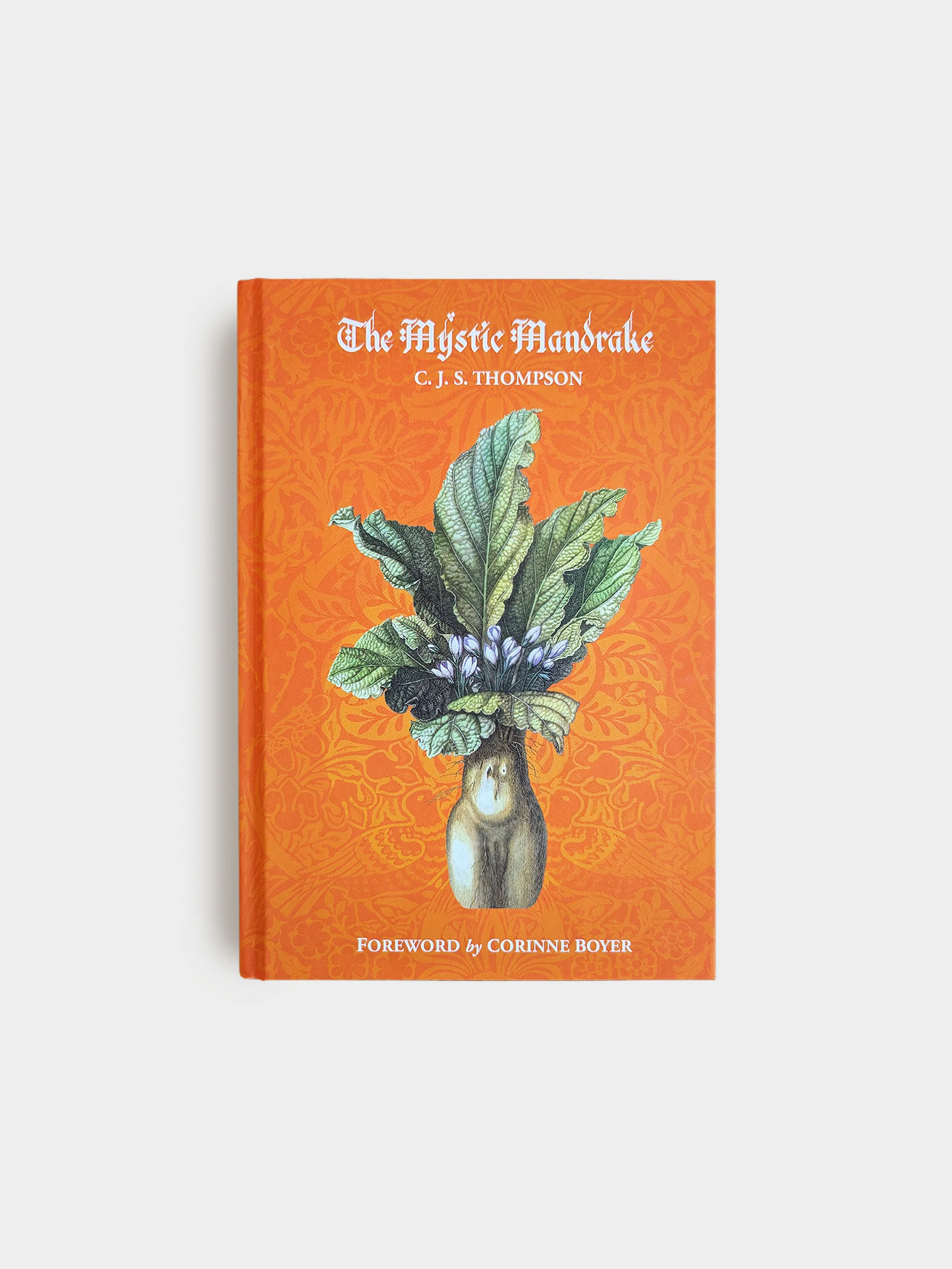
Hardcover. By C.J.S. Thompson
Foreword by Corinne Boyer
Few plants in the history of botany have inspired as much fascination, fear, and supernatural speculation as the mandrake. In The Mystic Mandrake, C. J. S. Thompson guides the reader through one of the most comprehensive interdisciplinary explorations of this enigmatic plant, at the crossroads of plant lore, medicine, folklore, and occult traditions.
From the earliest civilizations of the Near East to the botanical knowledge of ancient Greece and the folklore of medieval Europe, the mandrake remains one of the most emblematic and enduring witch plants. Revered as a love charm, root fetish, magical talisman, and the Devil’s ally, its human-shaped root and potent psychoactive properties gave rise to some of the most enduring legends in the history of natural magic. The belief that the plant screamed when uprooted, that it could confer fertility or wealth, or that it harboured a spirit within its roots reveals a deep relationship between nature, animistic belief and mythopoetic expressions of the natural world.
Drawing on ancient texts, medieval herbals, spiritual traditions, and early scientific observations, C. J. S. Thompson reconstructs more than three millennia of mandrake lore. At once scholarly and evocative, The Mystic Mandrake is an essential work for anyone interested in the practice of magic, the symbolic language of plants, and the enduring human quest to uncover the secret powers of nature.
The book is introduced with a foreword by Corinne Boyer, folk herbalist, teacher, and author of several books on plant lore and history.
196 pages - featuring 18 illustrations in colour.

The Magical Life of Marjorie Cameron by Spencer Kansa. Paperback edition
In the first-ever biography written about her, Wormwood Star traces the extraordinary life of the enigmatic artist Marjorie Cameron, one of the most fascinating figures to emerge from the American underground art world and film scene.
Born in Belle Plaine, Iowa, in 1922, Cameron’s uniqueness and talent as a natural-born artist were evident to many of those around her early on in life. During World War II, she served in the WAVES (Women Accepted for Volunteer Emergency Service) and worked in Washington, D.C. as an aide to the Joint Chiefs of Staff and at the Naval Research Laboratory. But it was after the war that her life really took off when she met her first husband, Jack Parsons. By day, Parsons was a brilliant rocket scientist. By night, he was Master of the Agape Lodge, a fraternal magickal order whose head was the most famous magus of the 20th century… Aleister Crowley.
Gradually, through the course of their marriage, Parsons initiated Cameron into the occult sciences, and the biography offers a fresh perspective on her role in the infamous Babalon Working Enochian rituals Parsons conducted with the future founder of Scientology, L Ron Hubbard. Following Parsons’ death in 1952 from a chemical explosion, Cameron inherited her husband’s magickal mantle and embarked on a lifelong spiritual quest, a journey reflected in the otherworldly images she depicted, many drawn from the Elemental Kingdom and astral plane.
Throughout the 1950s and 1960s, Cameron became a celebrated personality in California’s underground art world and film scene. In 1954, she starred in Kenneth Anger’s visual masterwork Inauguration of the Pleasure Dome, stealing the show from her co-star Anais Nin. The director Curtis Harrington was so taken with Cameron he made a film study dedicated to her artwork entitled The Wormwood Star. He then brought her powerful and mysterious presence to bear on his evocative noir thriller Night Tide, casting her alongside a young Dennis Hopper.
Cameron was an inspirational figure to the many artists and poets who congregated around Wallace Berman’s Semina scene and, in 1957, the authorities shut down a group show held at the Ferus Gallery due to the sexually charged nature of one of her drawings. Undaunted, she continued to carve a unique and brilliant path, although wider recognition only came in the latter part of her life.
A retrospective of Cameron’s work, The Pearl of Reprisal, was held at L.A.’s Barnsdall Art Park in 1989, and following her death, some of her most admired pieces were featured in the Reflections of a New Aeon Exhibition at the Eleven Seven Gallery in Long Beach, California. Cameron’s famous Peyote Vision line drawing made its way into the Beat Culture and the New America retrospective held at the Whitney Museum in 1995; and, in 2006, selections of her work were included in the touring Semina Culture: Wallace Berman & His Circle show. The following year a survey dedicated exclusively to her own work was held at the Nicole Klagsbrun Gallery in New York.
With so much of her life and artistry shrouded in mystery, Wormwood Star sheds new light on this most remarkable artist and elusive occult icon.
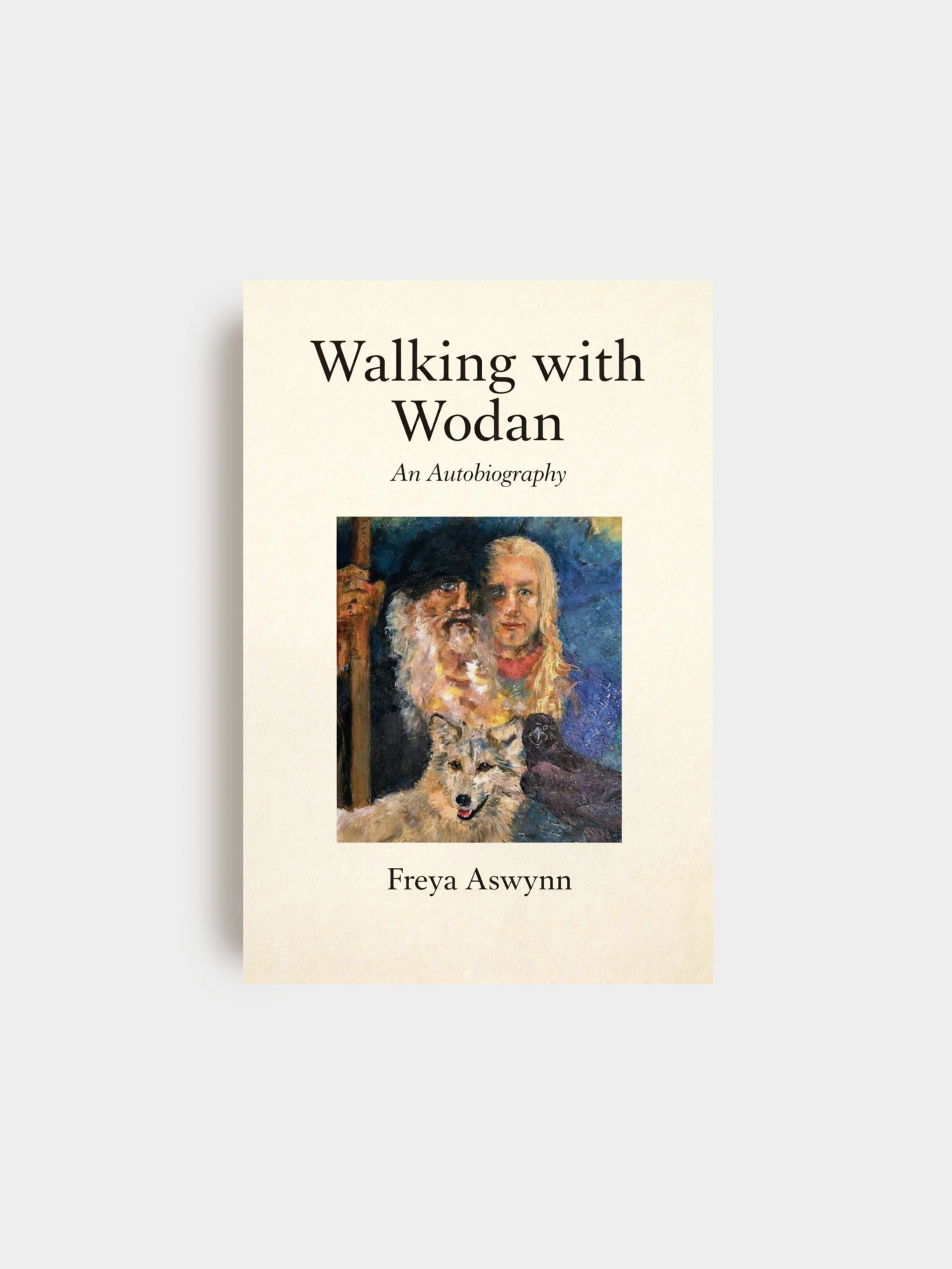
An Autobiography by Freya Aswynn
Hardback edition. Hand-signed by Freya Aswynn
Walking with Wodan is the unflinching autobiographical testament of Freya Aswynn, one of the most influential and controversial figures in modern Northern Tradition and runic spirituality. Part life history, part initiatory record, this book traces a journey forged through extreme adversity, institutional neglect, occult awakening, and lifelong devotion to Wodan/Odin as a living spiritual force.
From a brutal childhood in post-war Europe and years spent in state care, through early encounters with magic, witchcraft, and esoteric orders, to her central role in the revival of Germanic paganism in Britain, Aswynn recounts her life with uncompromising honesty. The narrative weaves together personal trauma, political realities, occult practice, and spiritual insight, offering a rare inside view of the people, movements, and conflicts that shaped contemporary heathen and magical traditions.
This is not a sentimental memoir, nor a sanitized spiritual autobiography. Walking with Wodan is a record of wyrd in motion: of names claimed and discarded, of gods who demand everything, and of a life lived in conscious alignment with fate, will, and oath. Essential reading for serious students of Northern Tradition, occult history, and the lived reality behind modern paganism.
Foreword by Edred Thorsson:
Freya Aswynn began corresponding with me even before she was known to the world by that name. Throughout the 1970s there were embryonic developments in the rebirth of the runes in the English-speaking realms. These organisms were of two kinds: the traditional and the wildly speculative. It can be said that the traditional approach can over-do the rules and regulations of things, while the speculative can sink into meaningless idiosyncratism. But on the other hand the traditions do provide objective anchors in a world of rudderless journeys, while speculations can liberate the essential component of intuition. Intuition based on tradition shows the surest path. Indeed, Freya represents an intuitive approach to the runes in some regards, but it must also be said that she possesses the inborn wisdom to make use of the actual traditions — the lore — which was ages ago laid down by our ancestors and predecessors in the tradition.
In the realm of the esoteric and magic(k), individuals who have been gifted (or cursed) with intense vision often find themselves in what appears to the competition with others, which inevitably leads to some sort of conflict. In the course of this book the reader will find references to this sort of thing between myself and Freya. It should be noted, as she points out that I did my best to help others to make their way in the world of writing and publishing. I am a firm believer in that old saying that “a rising tide floats all boats.” When seekers’ hearts are resolutely dedicated to higher principles they always — should they be gifted with long enough lives — find happy resolutions to these apparent conflicts. In the case of Freya Aswynn, we are both firmly dedicated to the higher principles both sought and taught by the one we affectionately and respectfully refer to as the Old Man— our All-Father.
In this book the reader will discover the path of one such seeker who has left her imprint on the world.
Edred Thorsson
Abraxas Publishing is proud to announce the release of its first full English language publication, the facsimile edition of Aleister Crowley’s “Tannhäuser – A Story of All Time”.
Crowley finished "Tannhäuser" in Kandy, Ceylon in the beginning of 1900s during a period when he and his mentor Allan Bennet were in middle of intense yogic practices. The book is Crowley’s take on the 13th century legend of Minnesinger Tannhäuser. In Crowley’s dramatic version, which he referred as “The History of the Soul”, the traveling Rosicrucian poet journeys in the world of gods, men and demons in search of truth and harmony. Through Tannhäuser's reflections the book explores complex themes, such as the clash between earthly passions and spiritual aspirations, foreshadowing the conflicts and transformations Tannhäuser experiences throughout the story. The drama reflects Crowley's fascination with mysticism and the interplay of earthly desire and divine inspiration. Tho overlooked at its time, Crowley’s Tannhäuser play grew later into a seminal text in Thelema and in O.T.O.
Crowley’s gives the keys for deciphering the text in his preface written in Kandy in 1901 where he connects the drama’s scheme with John Bunyan’s “The Pilgrim's Progress” (1678). Crowley advices the reader to observe Tannhäuser as the only “real” character of the play and other characters just merely reflections of the traveling poet’s own consciousness.
The publications is a facsimile reprint of the second edition published through Crowley’s own publishing house Society for the Propagation of Religious Truth aka S.P.R.T. in 1907. In the “new” edition Crowley used mainly unbound pages left over from the original 1902 Kegan Paul, Trench, Trübner & Co.’s publication. Crowley’s disappointment with Kegan Paul's management of his book sales spurred him to distribute his own works via S.P.R.T.
The facsimile edition is published in large format hardback edition of 222 hand-numbered copies. Front and back cover and spine stamped with gilt. Binding: sewn. Endpapers: Malmero Abysse. Headband: Iranian turquoise. The book comes with a limited edition “Crowley in Ceylon” -bookmark.
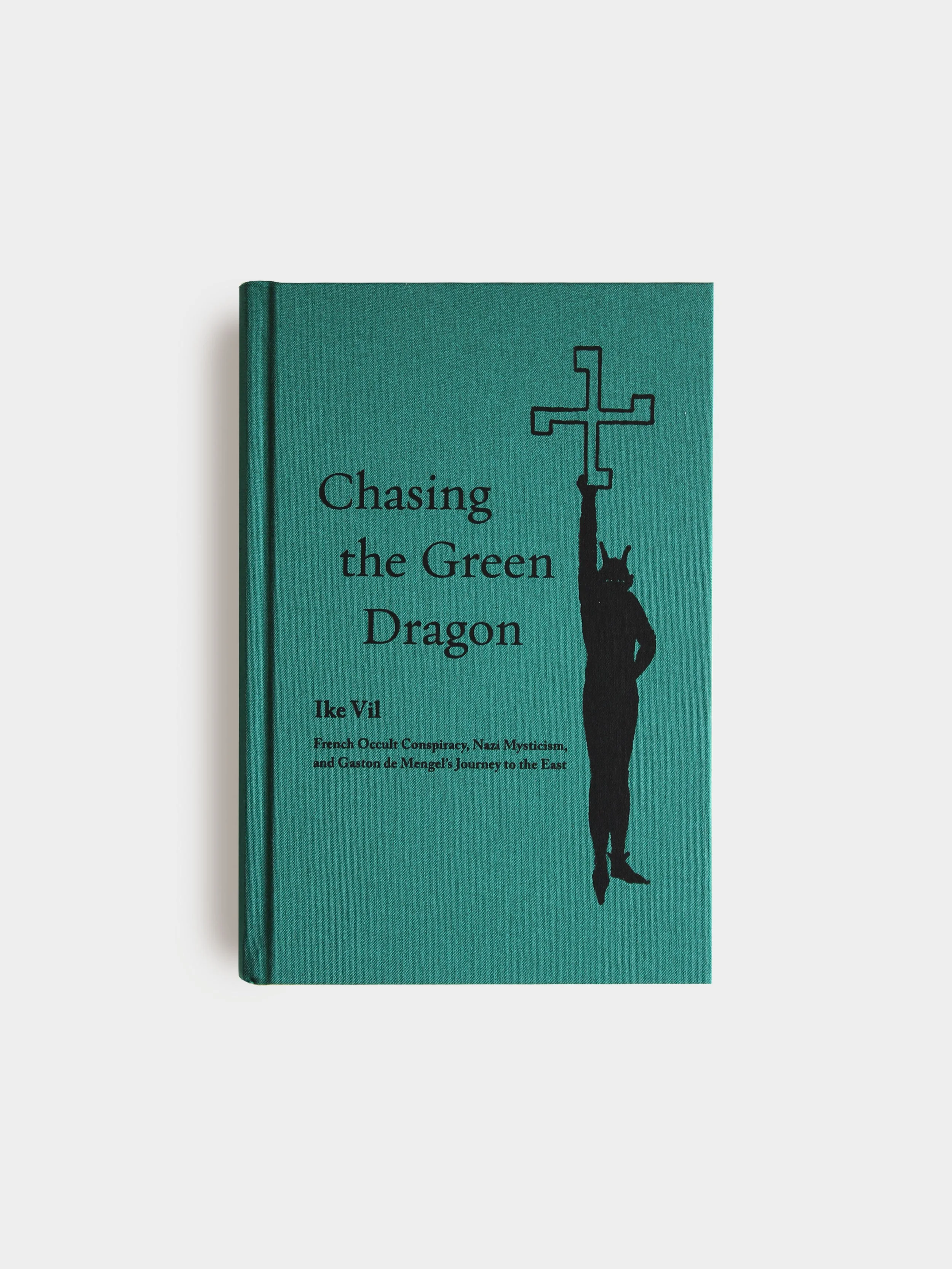
Chasing the Green Dragon – French Occult Conspiracy, Nazi Mysticism, and Gaston de Mengel’s Journey to the East by Ike Vil
Deluxe Edition, 365pp, Illustrated, Green cloth with device and titling foiled in black. Ltd. ed. 369 copies. (2026, Abraxas Publishing)
In 1937, a British-Belgian occultist arrived in Berlin to brief Heinrich Himmler on a secret society called the Green Dragon. Tracing his unbelievable claims, Chasing the Green Dragon dives into the interwar Parisian occult underground, where intelligence operators and esotericists mingled in the temple of the Polaires, Masonic lodges, and Maria de Naglowska's Luciferian salons, sometimes with fatal results. A highly intellectual but eccentric scholar, Gaston de Mengel worked with Rene Guenon, the Cambodian Prince Iukanthor, and possibly with the French secret service - without realising it. Based on a wealth of obscure sources, including new archival finds, the stranger-than-fiction story of Gaston de Mengel is a unique account of little-known cultural currents that gave birth to numerous post-war conspiracy theories and Nazi Mysteries - and Umberto Eco's Foucault's Pendulum.
by Ekortu
Hardcover book, black cover stamped with golden Utgarða-Heiðr rune, black endpapers. Fully illustrated, 371 pages including a fold-out map of Heldrasill, the underworld. Third printing of 600 copies. Ixaxaar
She is known as the black underworldly crone and giantess of the black anti-cosmic runes and magic, who comes at midnight up from under the ground and walks between houses to visit the practitioners of the black arts (or fjölkunnigr, as they were called), to teach them about the black runes and anti-cosmic magic. She is known as first wife, or mistress of Loki. Her names are many, amongst which the most well-known ones are Gullveig, Heiðr, Aurboða, Angrboða and Hyrrokin. She was looked upon as an evil woman, "illr kona", and the mother of all trolls, "flagð", troll being the Old Norse term for malignant and bestial demons, viewed upon as a thurs-kin, which are often dwellers of the forests, mountains and the underworld.
The book explores Gullveig through Old Norse mythology, sagas, Witchcraft & Poetry, which also includes descriptions of related giants and underworldly locations connected to her, such as: Loki, Jørmungandr, Fenrir, Hel; Jøtunheimr, Helheimr, Niflheimr, and much more.
The Gullveigarbók gives the student a wide overview, explaining the darker side of Norse mythology as a whole, making it an important work for readers searching for knowledge concerning this before seldom explored aspect of Northern Spirituality.
The latter part of the Gullveigarbók book is called Fjølkyngi, witchcraft, and holds the esoteric aspects and praxis of the author's own witchcraft as connected to the Thursatru Tradition - Þursatrú siðr - and divulges aspects of the author's magical Gullveig workings. This part of the book also introduces students to how the Gullveig sigils, or bindrunes are to be employed.
Regular edition: Hardcover book, black cover stamped with golden Utgarða-Heiðr rune, black endpapers. Fully illustrated, 371 pages including a fold-out map of Heldrasill, the underworld. Third printing of 600 copies.

By Craig Williams
“The Aghora Verses / Aghora Gita” is inspired by a vision of Haidakhan Babaji in a secluded valley near the sacred home of Shiva, Mount Kailas. The verses are a poetic expression of a Shaivite transmission received in this sanctified environment and are created to be used as a sadhana of meditative reading in the spirit of the Yogic practice of Svadhyaya and the Gnostic practice of Lectio Divina. Each chapter unveils a radiant expression of the radically Non-Dual perception of the Aghori and reveals the landscape of the inner atmosphere of the Atman.
Pocket Book (4.25 x 6.875 in / 108 x 175 mm)
Full Color,
80# White Matte Paper

Note this book is the French Edition. Édition française.
Par Jake Stratton-Kent. (Hexen Press)
Le Grimorium Verum de Jake Stratton-Kent est une œuvre majeure de l'ésotérisme contemporain, considérée comme un pilier du renouveau magique occidental. Cette édition annotée et augmentée par le nécromancien et mage anglais marque une étape décisive dans la réhabilitation du Véritable Grimoire comme ouvrage central de la tradition goétique. Jake Stratton-Kent ne se contente pas de restituer le manuscrit originel, il propose une reconstruction critique fondée sur une étude comparative des versions françaises et italiennes, rigoureusement corrigée et enrichie de commentaires contextuels, d'appendices et de recherches issues d'une expérience inestimable de quarante années avec le texte.
le Grimorium Verum se présente comme un grimoire élémentaire et chthonien de conjuration goétique, fonctionnant au moyen d'un pacte et d'un recueil de sorts. Il expose de manière claire et concise comment développer une relation avec un ensemble d'esprits au moyen d'opérations magiques précises, tout en soulignant le rôle central de l’esprit intermédiaire Scirlin, que JSK compare au Saint Ange Gardien du système d’Abramelin. Le manuscrit fournit les temps propices, les outils et les opérations nécessaires pour s'initier à un système magique de conjurations goétiques hautement fonctionnel et pratique.
L’approche de Jake Stratton-Kent se démarque en ce qu’elle considère la goétie non comme une sous-catégorie déchue de la magie cérémonielle occidentale, mais comme une survivance d’un courant ancien, chthonien, enraciné dans la nécromancie des goètes, les cultes des morts et les pratiques magiques précivilisationnelles. En comparant le Grimorium Verum aux autres grimoires salomoniens de référence et en le mettant en relation avec les pratiques oraculaires des Papyrus Magiques, les traditions syncrétiques du Nouveau Monde et les survivances de la sorcellerie rurale européenne, Stratton-Kent permet une recontextualisation du grimoire dans un cadre plus vaste et ouvre la voie à une approche plus cohérente de la goétie authentique.
Pour la première fois traduite en français, l'édition de Jake Stratton-Kent contient de nombreux appendices et essais inédits de l'auteur comme la Prière pour le Succès et la Conjuration de Nébiros et constitue une ressource inestimable pour les praticiens de la magie opérative et les chercheurs en ésotérisme. Elle se fera une référence indispensable pour celui ou celle qui souhaite redécouvrir la magie des grimoires dans sa dimension historique, spirituelle et pratique.
Édition talismanique limitée à 150 exemplaires, numérotée et consacrée du sceau de Frimost.
Illustrations d'Annette Juncetum. Typographie par Charles Cassiodore Boisart.
Traduction française par Sol Noctv. Préface par Kazim.
300 pages, en noir et blanc, format Royal (156 x 234 mm)
Livraison prévue : Juillet 2025
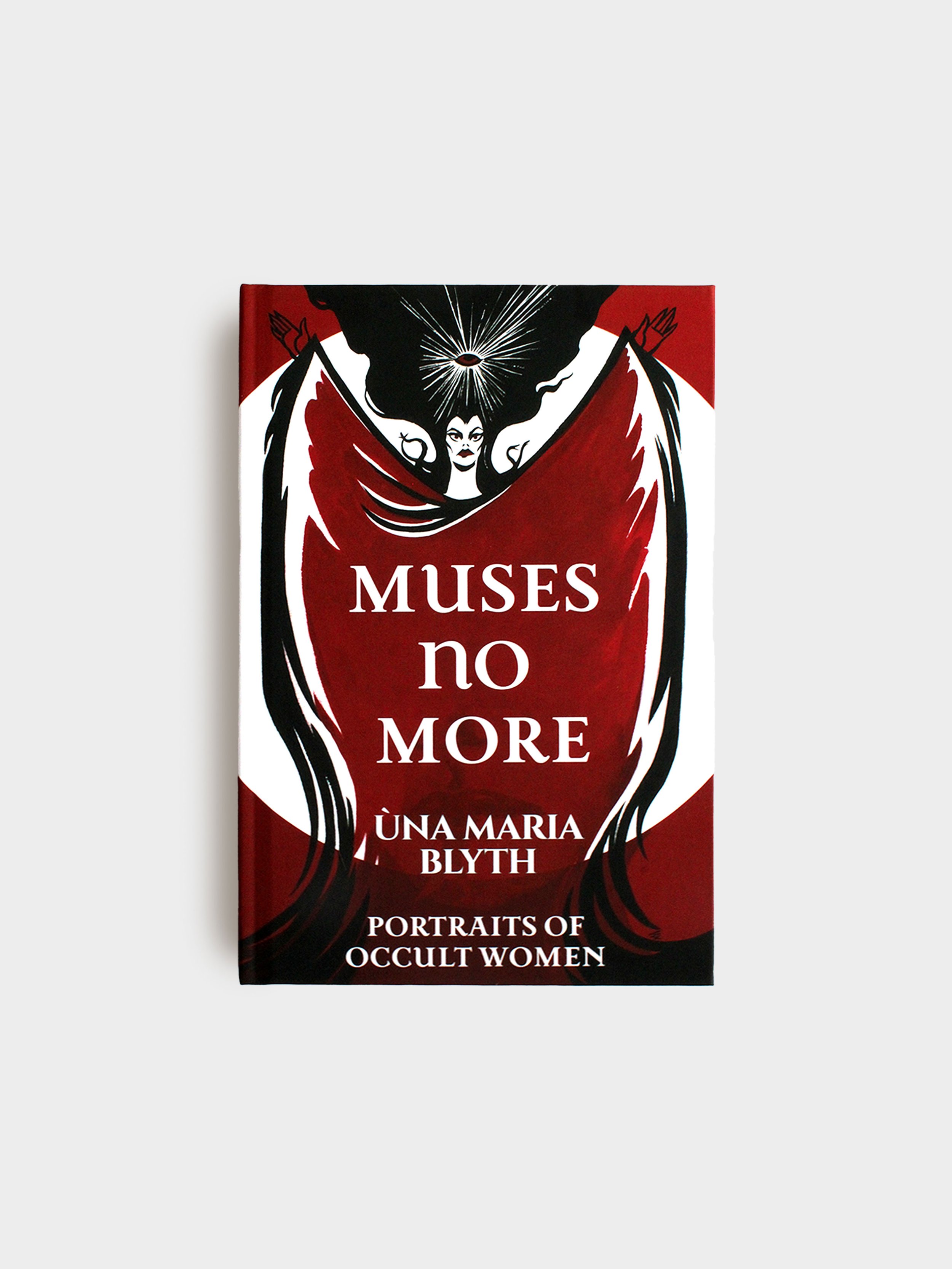
By Ùna Maria Blyth. Illustrations by Luciana Lupe Vasconcelos
Muses No More: Portraits of Occult Women is a meandering ghost train through the lives, work, politics and beliefs of both familiar and lesser known female occultists from the distant past to the 21st century. From the freedom fighting New Orleans Voudon Queen Marie Laveau to the witch-next-door personality of Sybil Leek, these biographical portraits bring light to women often sidelined in occult spaces and memory in favour of the (white, male) heavyweights such as Arthur E. Waite, Aleister Crowley and Gerald Gardner.
Readers will discover that there was much more to Pamela Colman Smith’s magical undertakings than her illustrations for the Rider Waite Smith tarot deck, and that Doreen Valiente, whilst valiantly fighting for the modernisation of Wicca, was an ardent follower of televised football.
Filled with fascinating historical trivia, there are deeper narratives at play in this compendium too - the struggle for women’s liberation, pleas for modernisation of religious movements, the reign of the patriarchy in many magical traditions, and the fight for civil rights.
Thoroughly well-researched and written with the flair of an impassioned queer, feminist occultist, Muses No More tells the centuries-spanning stories of women who threw off their aprons in favour of the search for greater esoteric knowledge.
The book concludes with tried and tested personal practices and rituals, respectfully designed in honour of these wondrous women, so that we might channel their power and knowledge and pursue the mysteries of the vast unknown.
Royal Octavo (240 × 160 mm)
206 pages
Issued in 2 editions – hardcover & softcover
3rd Edition - Royal Edition
*New Internal Design and Text edits. This edition is the last and definitive edition of Asaya Ka Luxa. It has been meticulously edited and all images and sigils have been redone.
Hardcover
80lb Matte Coated Paper
Full Color
354 Pages
5.5x8.5"
Through many systems of spirituality and religion, there have been many paths created by man seeking something outside of themselves that is higher than themselves. This led to worshiping gods and ideologies that have humans giving away their power and energy. Spirituality needs a psychological approach that blends both the eastern and western systems into a unified practice of Self Realization. Mending meditation and occult practice together. This process should bring self-awareness at a soul level and understand the true power you possess.
Enlightenment is the grand goal of spirituality. It is a great plan for humans to wake up to their true selves at a soul level and connect to who they really are. This realization is not just enough, knowing yourself at such a deep level comes with a sense of responsibility to become better. Aligning yourself to the higher aspects of yourself and raising your thoughts, emotions, and physical body to higher states. In many practices, there is no guide on how to do this but rather watered-down ideas and practices.
If you could know yourself at the deepest levels, would you?
Asaya Ka Luxa is a treatise on a cosmological viewpoint of the self and how to obtain a connection to one’s oversoul and Kryst conscious levels of one’s own soul personality. Based on the author's personal lifetime(s) of research and spiritual practice, this practice blends a Tibetan meditation style practice with western occult philosophies. This connection to these practices is based on the author’s research and spiritual inner plane connection to what is called “The Council of Light”.
Written in 3 Parts it is broken into:
Gnosis -
This goes in depth to reflect on expanded concepts of the self and your relationship to what people would call “god”. A cosmological explanation expounds on creation, the Angelic Hierarchy, the Energy Body levels, the “physical” Energy Centers, and more. This gives a large understanding of the self and how the mind creates reality on many levels and forms.
Practical application of occult meditation -
Through various breathing exercises and visualizations, the reader is shown how to utilize various techniques on how to become more aware of themselves on an energetic level and create deep releases to past attachments. Strong “psychic” protections are explained and a daily ritual is given to set the reader onto a path of self-realization.
Ritual practice for soul ascension -
Using ceremonial style ritual the reader learns how to apply advanced visualizations and meditations on how to connect to the lower aspects of yourself and the higher aspects of yourself, aiding one to shine a light on the dark side of themselves and better understand themselves on an emotional and psychological level. This, the treatise says, is how to connect to various levels of frequency and as you do this you take on traits of those levels.
Asaya Ka Luxa is the first writing of many by the author, which if utilized will aid someone on their spiritual path no matter what religion one may be a part of. A color glossary and dream dictionary are included to help aid in the work. This is not just a book, but rather a Handbook and Workbook to be utilized again and again.

The Language Of Black Holes is the first book of poetry and lyrics from Mat McNerney, singer, songwriter, musician and visual artist from Hexvessel, Grave Pleasures, Beastmilk, Carpenter Brut, Dødheimsgard & Code. An initial limited self-press print run of 250 hardback copies on munken pure 120gsm paper, thread stitched, hand signed, the book is beautifully type set and laid out by Tilmann Benninghaus and consists of true outsider poetry written over the last 10/15 years on the road, unreleased lyrics and impressions of McNerney's life experiences.
McNerney's creative work has appeared on over 20 albums over the last 20 years. He is most known for his song-writing with what The Guardian calls the “dense, spaced-out atmospherics” of his main group Hexvessel, and his band Grave Pleasures, whose music Rolling Stone describes as “a shimmering, swirling blood pool of romantic gloom”.
A mystery can be understood only if you already comprehend it...
This special deluxe edition is limited to just 71 copies. Unlike the standard version, it includes, among other data, an exclusive Addendum by Master Leo, which will undoubtedly turn out to be a great surprise for everyone. Revealed are new secrets of the LAM mystery, including sex magick and the Tetragrammaton formula. This edition also features a contribution by Michael Staley, whose article was published in 1994.
Additionally, this edition includes a stunning 2 oz silver medallion (optional) featuring Lam made in Germany.
This book is dedicated to the Mystery of LAM—an alien-like entity whose mysterious portrait was drawn about a hundred years ago by the greatest magician and occultist, Aleister Crowley.
Within this captivating collection of essays and individual experiences working with Lam, we embark on a journey to decipher the enigmatic meaning behind the portrait that proved to be a medium for a variety of occult experiences.
Various occultists from around the world contributed gems from their inner treasury of Gnosis to this book.
This book is an invitation to explore the crossroads of mysticism, art, and the human psyche. Through insightful reflection, all the authors presented here strive to unravel the layers of meaning embedded in this mesmerizing portrait, shedding light on the profound relationship between the portrait itself and the enigma it sought to capture. As we embark on this journey, we embrace the shadows and the light, just as Crowley did, in our quest to comprehend the ineffable.
We called this book Lam the Way because the word “way” is crucial for understanding the mystery of Lam. Lam is not a static mystery; it’s dynamic. Lam is the way, the path, and one has to move or walk down the path.
This book could successfully be called "The LAM Grimmoire" because, in essence, it is that. Without a doubt, it will go down in the history of occultism and will become a guide for further research, experimentation, and work in this area for subsequent generations of lamanauts.
by: Craig Williams
Limited Edition Hardcover – Limited to 750 Copies
5” x 8.5”, 108 Pages. Leatherette Hardcover, Smyth Sewn, Textured 120lb end sheets
Debossed front, back, and spine. Silver Foiling on the front, back, and Spine
Red Sanskrit “KRIM” Bija debossed on the back cover (Mantra for Kali)
85lb Crème paper w/matte coating, Black and White Interior Print
Red Ribbon bookmark
Hand Numbered
Desert Meditations: Gnostic Cartography (A Handbook of Agni Yoga) outlines the eclectic transmissions and revelations born from a lifetime of esoteric exploration within both Eastern and Western initiatic atmospheres. The text explores primordial tributaries of gnosis which lay hidden in both the physical and “meta”-physical realms, guided by the ever-present embryonic Flame-of-the-Soul: Agni. Born from the Womb of Fire, Desert Meditations: GnosticCartography (A Handbook of Agni Yoga) sheds light on the mysterious inner and outer pilgrimage of the embodied Soul as It seemingly journeys through simultaneous time-streams of Newtonian and Quantum wave-form experience. Outlining concealed maps of the esoteric body, techniques of meditation and lectio divina, concepts of time-travel, Solar and Lunarrealms of experience, explorations on the radiance of the enlivened Sacraments and the role of the Mass in gnostic ritual, scriptural commentary on Nag Hammadi texts, a Mass to Agni, and the pivotal role of the Flame-of-the-Soul: Agni in clearing the shrouds of Maya as It guides, directs, heals, and inspires the incarnated consciousness on the sacred pilgrimage of the human incarnation.
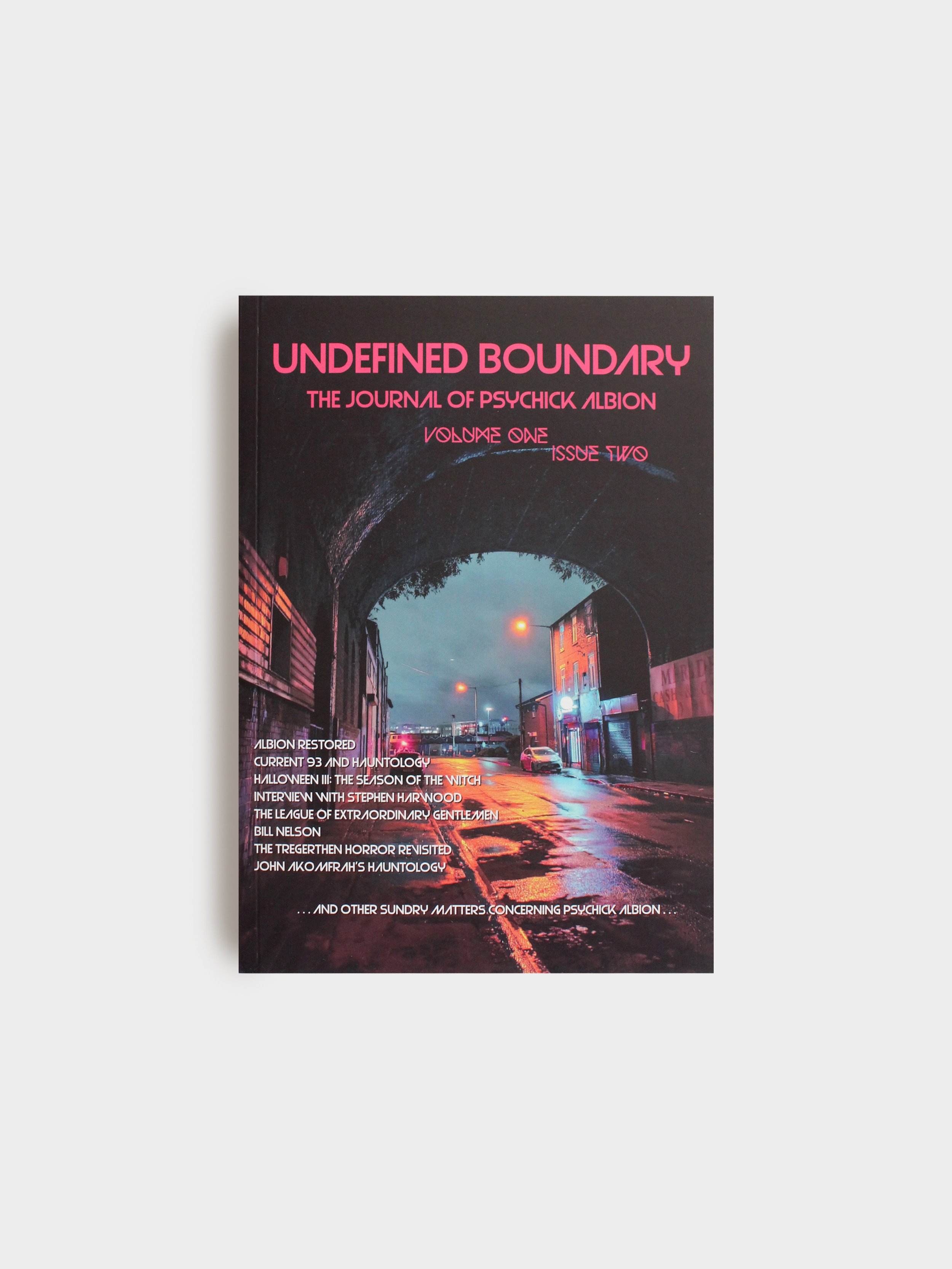
Second issue of the new journal dedicated to the psychedelic, numinous, and wyrd underbelly of British culture. Considerably bigger than the first, coming in at 170 pages. A5 perfect bound book.
"A Britain where Tory aristocracy is not the norm, where the spirit of anarchic magic and rebellious art are the guiding principles – a Psychick Albion in place of a 'Great' Britain"
CONTENTS;
Halloween III: The Season of the Witch by Phil Smith
John Akomfrah’s Hauntology of the Archive by Justin Hopper
Albion Restored by Jason Whittaker
Scrag by Ethan Pennell
Interview with Stephen Harwood
Conversations With A Genius Loci by Nick Ford
The Spectre of Trauma in the Myth of Psychick Albion by George Parr
Current 93 and Hauntology by Steven Klett
The Cup, The Horse, The King by Stephen Canner
Interview with Bill Nelson
Alan Moore & Kevin O’Neill’s Tempest #4 by Bobby K
The Tregerthen Horror Revisited
by Carl Taylor
The Goose, The Crow and The Mysteries
by John Constable
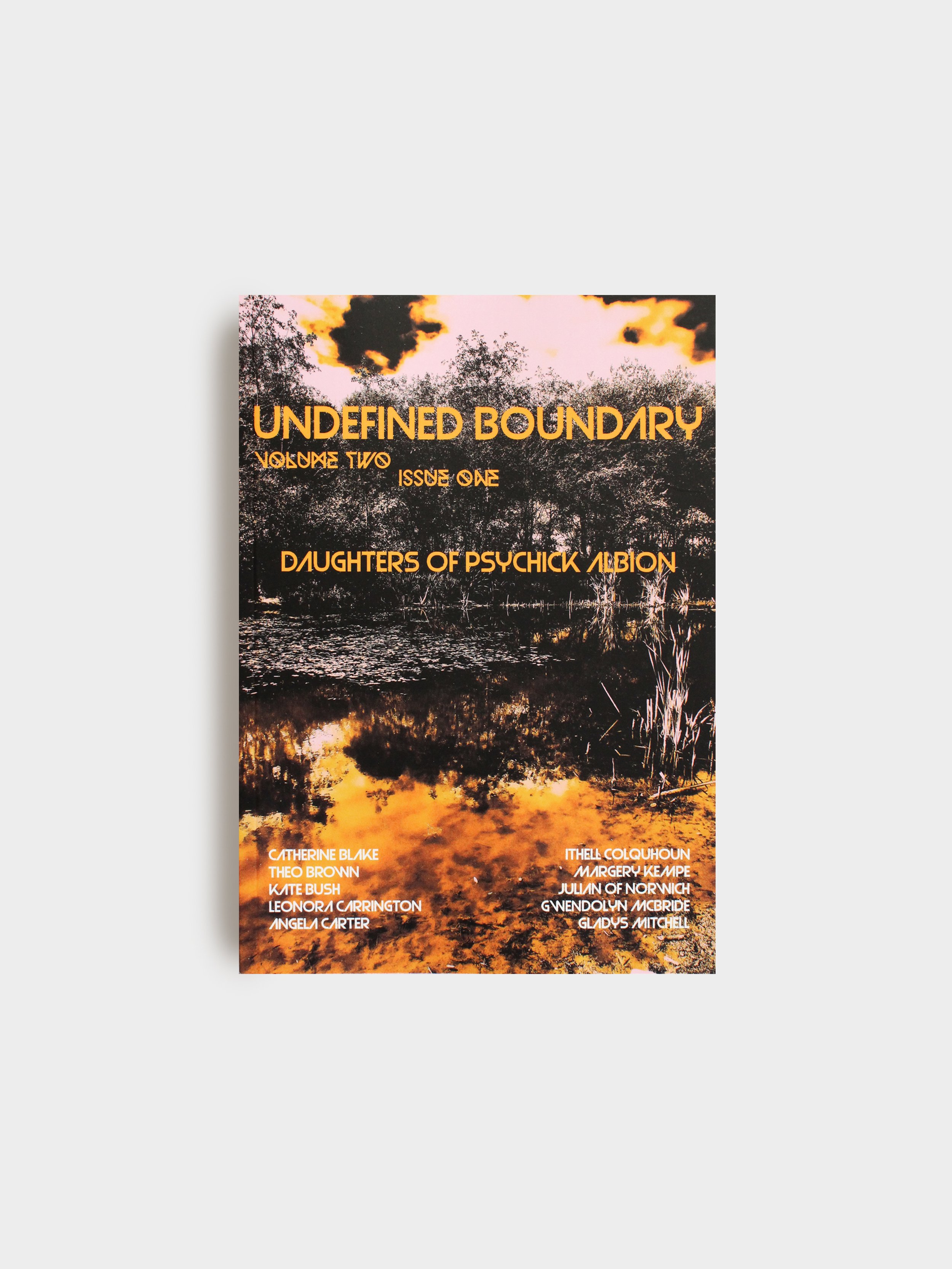
More reflections on Albion's wyrd underbelly. This issue of Undefined Boundary is a special themed issue on the Daughters of Psychick Albion. From Temporal Boundary Press.
A5 perfect bound book, 132pp.
CONTENTS;
‘Many Wonderous Revelations’: In the Footsteps of Three Daughters of Psychick Norfolk
by Sally Huxtable
Theo Brown: Folklore, Dartmoor, and the Underworld
by Stephen Canner
Ithell Colquhoun: Following the Ancient Scent
by Lally Macbeth
The curious case of Gladys Mitchell
by Hazel Smoczynska
Catherine Blake
by Linda Landers
“Two Steps On The Water” – Folk Horror and the work of Kate Bush
by Daniel Pietersen
Dame Julian of Norwich and a Medieval Shamaness' Sickness
by Nick Ford
Giants Grave, Chalk Queens and Reality Checkpoint: locating memory and myth in the hinterlands of Cambridge
by Helen Billinghurst
Gwendolen McBryde: Ever in the Shadow
by Rosemary Pardoe
Fatal to Prejudice: Personal reflections on the work and wanderings of two daughters of Albion, Angela Carter and Leonora Carrington
by Andrew Hedgecock

The book comes with a CD of Michael’s new album, Awaking into the Colour Wheel. It was created to demonstrate the formula Brutal Beauty + Beautiful Brutality = Intensity. The album was specially recorded to accompany the book and will never be released in any other form.
Foreword by David Tibet.
252 pp. Hardback with dust jacket and CD.
CD: eight tracks, 41 minutes.
Limited to 434 numbered copies.
“This is a profound DreamSong from one of the most immaculate and individual artists I have ever known, or known of.” David Tibet
Michael Cashmore is one of the most significant and celebrated musicians in the England’s Hidden Reverse milieu. He is probably best known for his work with Current 93 although his 1994 album Beauty Reaps the Blood of Solitude is regarded by many as the high point of the neofolk genre. In 2017 he formed The Hidden Throne 434 and began exploring some of the ideas now codified in his new book.
Transformation Through Love is a theory and praxis of instinctive Mysticism in the form of poetic symbolism, speculative metaphysics and biographical vignettes. These insights into life and Mysticism weave together a web of interconnecting truths and speculations, and provide a meditative guidebook for positivity without expectation, and compassion.
"I am communicating with ghosts right now, they are conducting my music, they dictate where I must place my fingers upon keys to make melodies to reach hearts, to create frequencies that alter consciousness and beats to make people move. This is an act of pure Love."

Issue 3 of the ongoing zine dedicated to researching the importance of Coil.
A5, perfect bound, 72 pages.
Contents
Singularities of Art and Nature
by John Coulthart
“There’s a Man Laying Down in a Grave Somewhere” Poem for Jhonn Balance
by Joseph Breitman
"Shadows only exist when the spotlight is on"
An Interview with Mead McLean
“In Perpetual Motion”:
The Coil Manifesto as Theory in Practice
by Nick Soulsby
Coil’s Fano Concert
by Kiefer Gorena
Peter Christopherson Is Alive And Well And Living In Parentheses!
by Nick Hudson
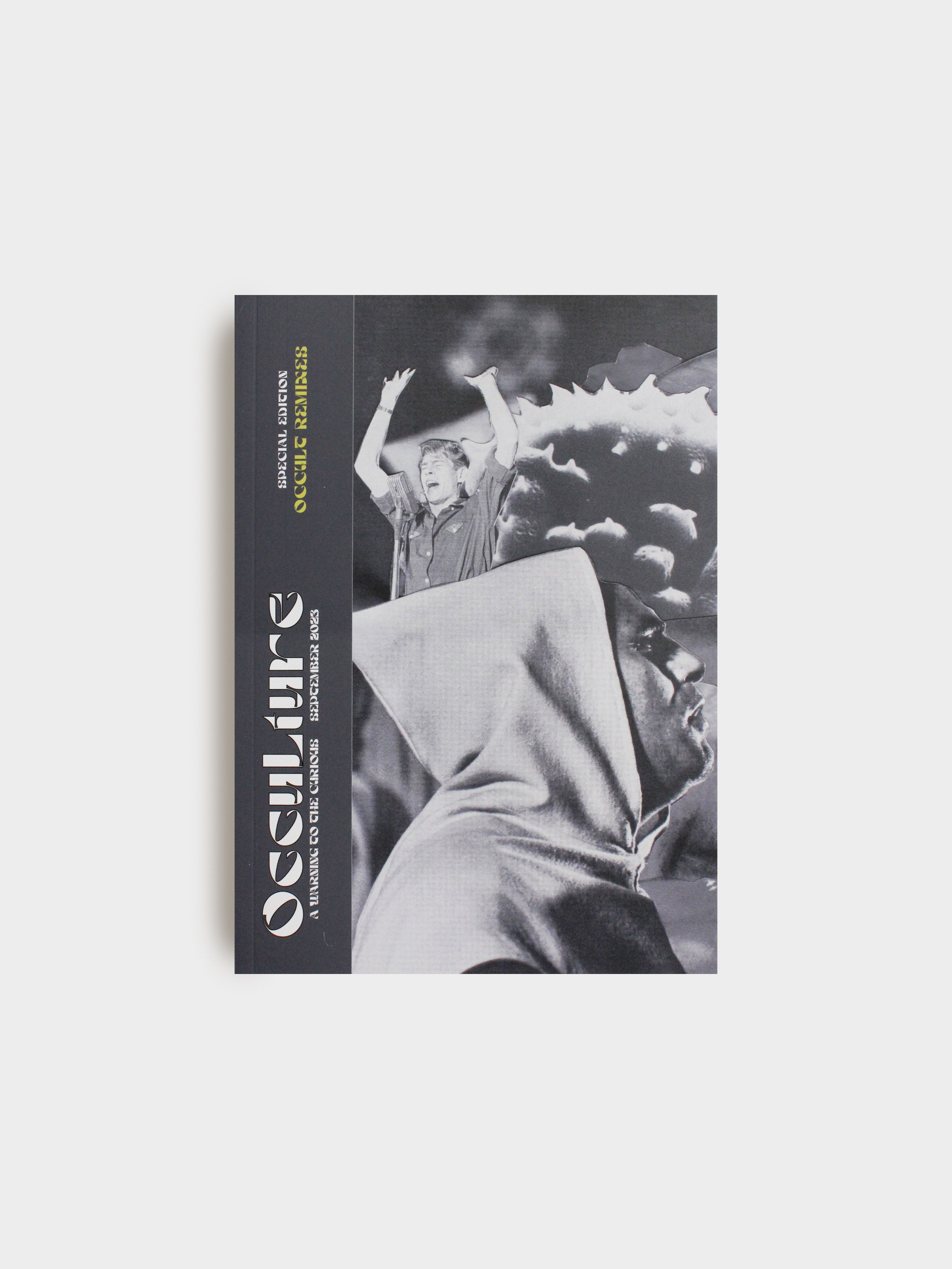
A special edition from Occulture Magazine in the form of Occult Remixes. A small collection of pieces from bygone projects, remixed and reworked as a standalone volume.
From the Northern Italian folklore found in 1970’s Giallo cinema to the weird history of a secluded island in Essex, home to Celtic sacrifices, learn about the rise and fall of the pyschedelic utopia, experimental horror and more.
Printed in full colour.
38 pages.
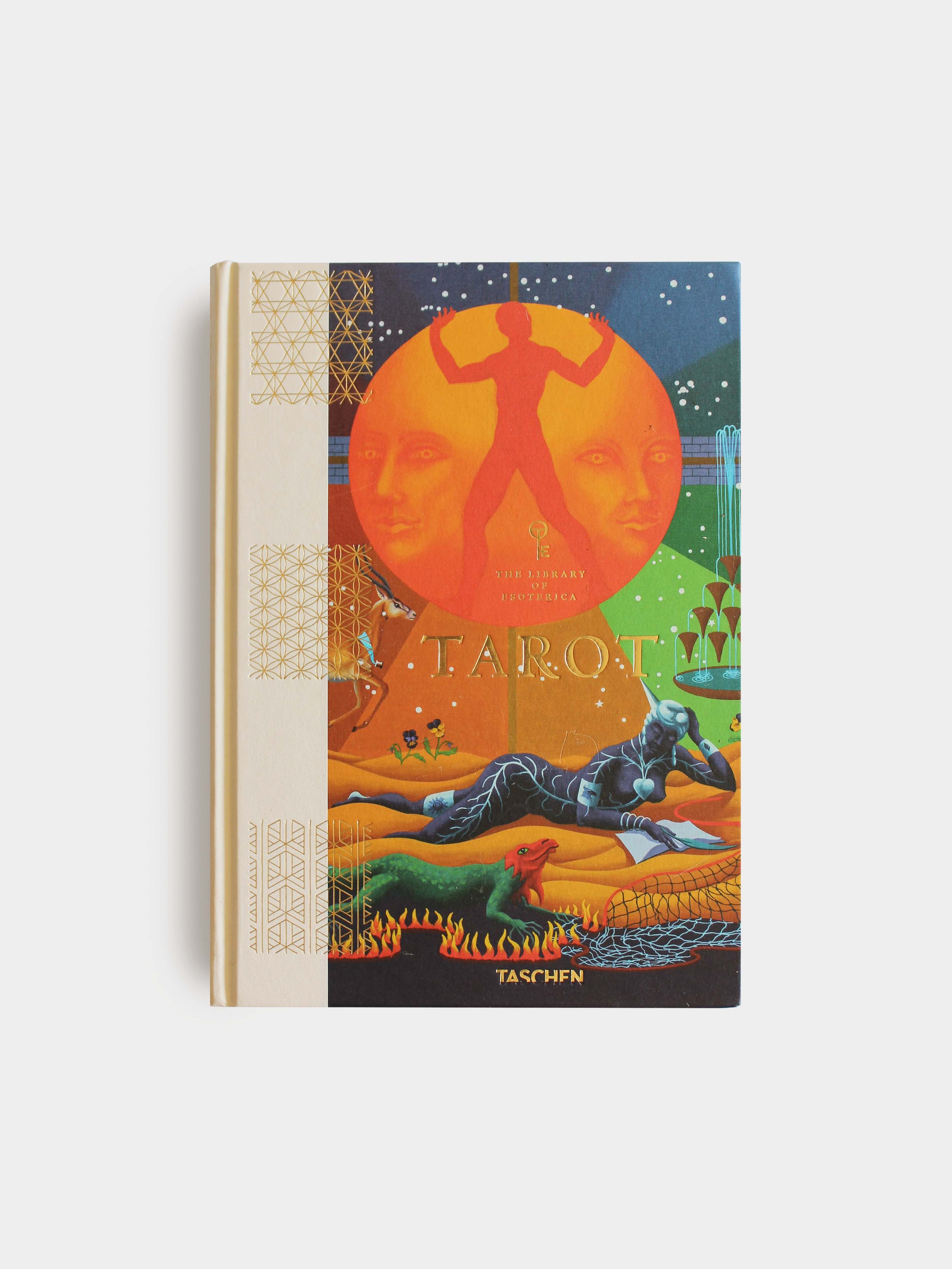
Hardcover, quarter-bond, 6.7 x 9.4 in., 520 pages - Taschen
Trace the hidden history of Tarot in the first volume from TASCHEN’s Library of Esoterica, a series documenting the creative ways we strive to connect to the divine. Artfully arranged according to the sequencing of the Major and Minor Arcana, this visual compendium gathers more than 500 cards and works of original art from around the world in the ultimate exploration of a centuries-old art form.
Divine Decks - A visual history of Tarot
To explore the Tarot is to explore ourselves, to be reminded of the universality of our longing for meaning, for purpose and for a connection to the divine. This 600-year-old tradition reflects not only a history of seekers, but our journey of artistic expression and the ways we communicate our collective human story.
For many in the West, Tarot exists in the shadow place of our cultural consciousness, a metaphysical tradition assigned to the dusty glass cabinets of the arcane. Its history, long and obscure, has been passed down through secret writing, oral tradition, and the scholarly tomes of philosophers and sages. Hundreds of years and hundreds of creative hands—mystics and artists often working in collaboration—have transformed what was essentially a parlor game into a source of divination and system of self-exploration, as each new generation has sought to evolve the form and reinterpret the medium.
Author Jessica Hundley traces this fascinating history in Tarot, the debut volume in TASCHEN’s Library of Esoterica series. The book explores the symbolic meaning behind more than 500 cards and works of original art, two thirds of which have never been published outside of the decks themselves. It's the first ever visual compendium of its kind, spanning from Medieval to modern, and artfully arranged according to the sequencing of the 78 cards of the Major and Minor Arcana. It explores the powerful influence of Tarot as muse to artists like Salvador Dalí and Niki de Saint Phalle and includes the decks of nearly 100 diverse contemporary artists from around the world, all of whom have embraced the medium for its capacity to push cultural identity forward. Rounding out the volume are excerpts from thinkers such as Éliphas Lévi, Carl Jung, and Joseph Campbell; a foreword by artist Penny Slinger; a guide to reading the cards by Johannes Fiebig; and an essay on oracle decks by Marcella Kroll.
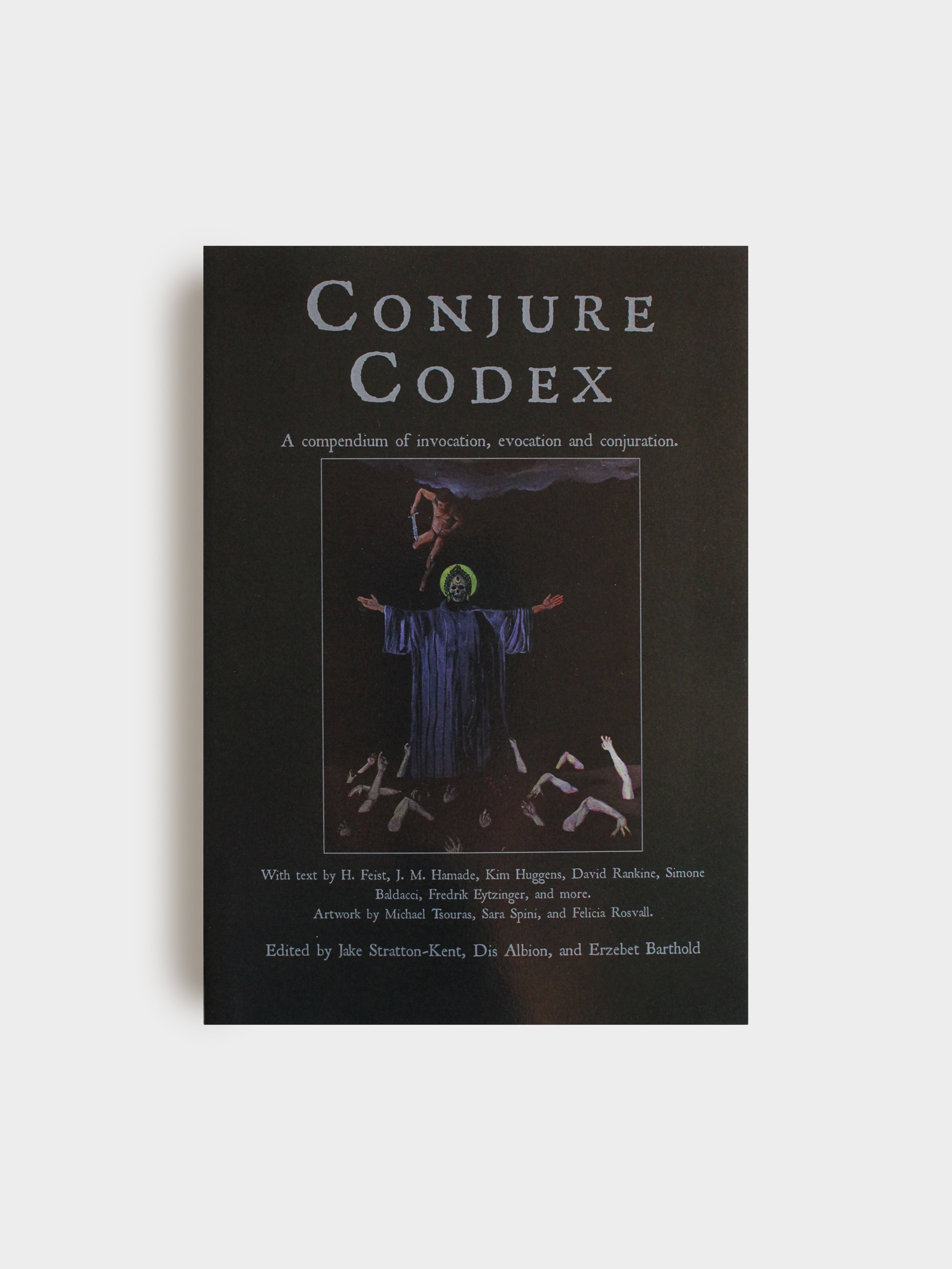
Paperback. 214 pages. Multiple Authors. Illustrated by Michael Tsouras. Hadean Press.
Conjure Codex V is dedicated to Jake Stratton-Kent, without whose vision this series would not exist.
This Conjure Codex brings to a close the first volume of the series; it was never our intention to theme the issues by colour, but that is what happened and so it is fitting that our final number is the black of moonless midnight. Jake Stratton-Kent was not only the driving force behind the Conjure Codex, but he has also been a pioneer in changing our perception of what used to be known as black magic—the magic of spirit conjuration, of speaking to the dead, of pact-forming and offering, of demons. His work with the True Grimoire and his seminal Geosophia: The Argo of Magic forever altered the landscape of contemporary goetic practice. With Jake at the helm, Conjure Codex began in 2011 as a means of facing and overcoming misconceptions surrounding spirit practice, and has since fulfilled its brief of breaking new ground in presenting inter-related material from a range of traditions. Conjure Codex V showcases that new ground with essays by some of the leading scholars and practitioners working today. It is our great privilege to bring to you this black issue, and we thank all of you for carrying the work forward.
Contents:
The Book of the Archangels by Moses the Prophet by J. P. F.
The Magic of the Psalms by Patrick M. Dey
It’s All Down in Black and White - Thai Lanna Buddhist Occult Tattoos of Magickal Power by Sheer Zed
Sleeping with One Eye Open by Fredrik Eytzinger
Τά έσχατα παύείν: To suffer the fate of death by Humberto Maggi
Wheels of Divine Influence: The Iynx and the Strophalos by Harper Feist
Mother, Daimones and goêteia: ecstasy and civilization by Simone Baldacci
Isis of the Magicians: the Faces of Isis in the Greek Magical Papyri by Kim Huggens
Every Nekuomanteia is a Katabasis: Ancient Insights for Contemporary Goetic Practice by Kadmus
Corvid Codex by David Rankine
A Sable Passage: Black Light and the Magic of the Starry Road by J.M. Hamade
Lodged Among the Graves: Towards A Practical Syllabus of Early Modern Necromancy by Alexander Cummins
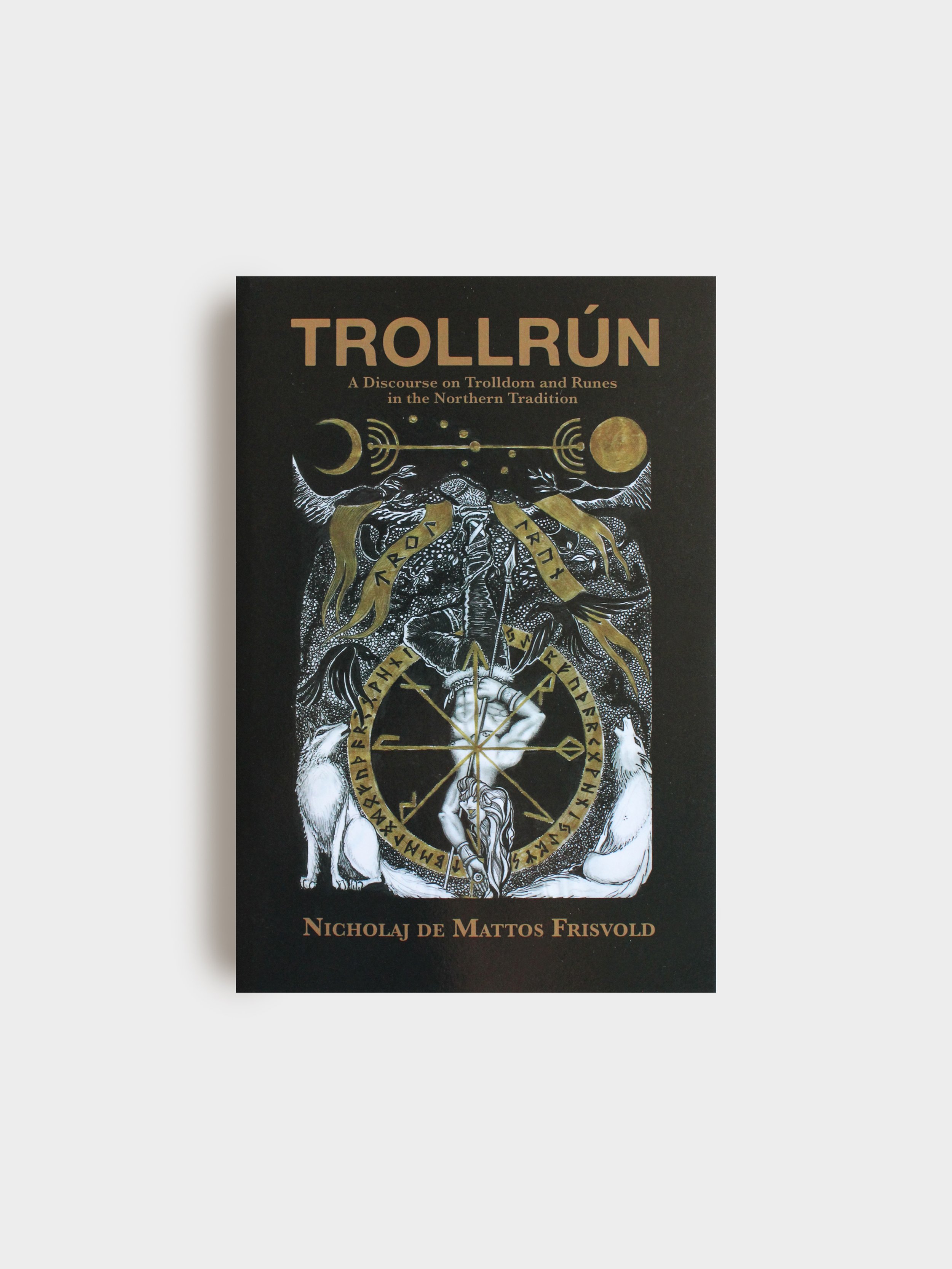
By Nicholaj de Mattos Frisvold. Hadean Press
Paperback. 229mm x 152mm. 348 pages.
In Trollrún: A Discourse on Trolldom and Runes in the Northern Tradition Nicholaj de Mattos Frisvold opens the door to landscapes little known outside of Scandinavia. These landscapes are populated by mythical beings and land spirits which offer a quite different approach to the Northern Tradition than what is usual. Here the Aesir have taken a backseat in favour of discussions on the wider tapestry of Northern wisdom, such as trolldom, seidr and the legacy left by the Black Books of magic under the larger theme of ‘What the Trolls told’, comprising the first part of TROLLRÚN. This is followed by a presentation of the Elder runes, runology, and rune magic, all rooted in Scandinavian ideas of the use of runes and their magic. TROLLRÚN views this landscape through the eyes of the cunning arts, where the ice, the frost, the midnight sun, and the majestic mountains and fjords become the orchestra of TROLLRÚN’s wisdom, drenched in the powerful atmosphere of the magical north.
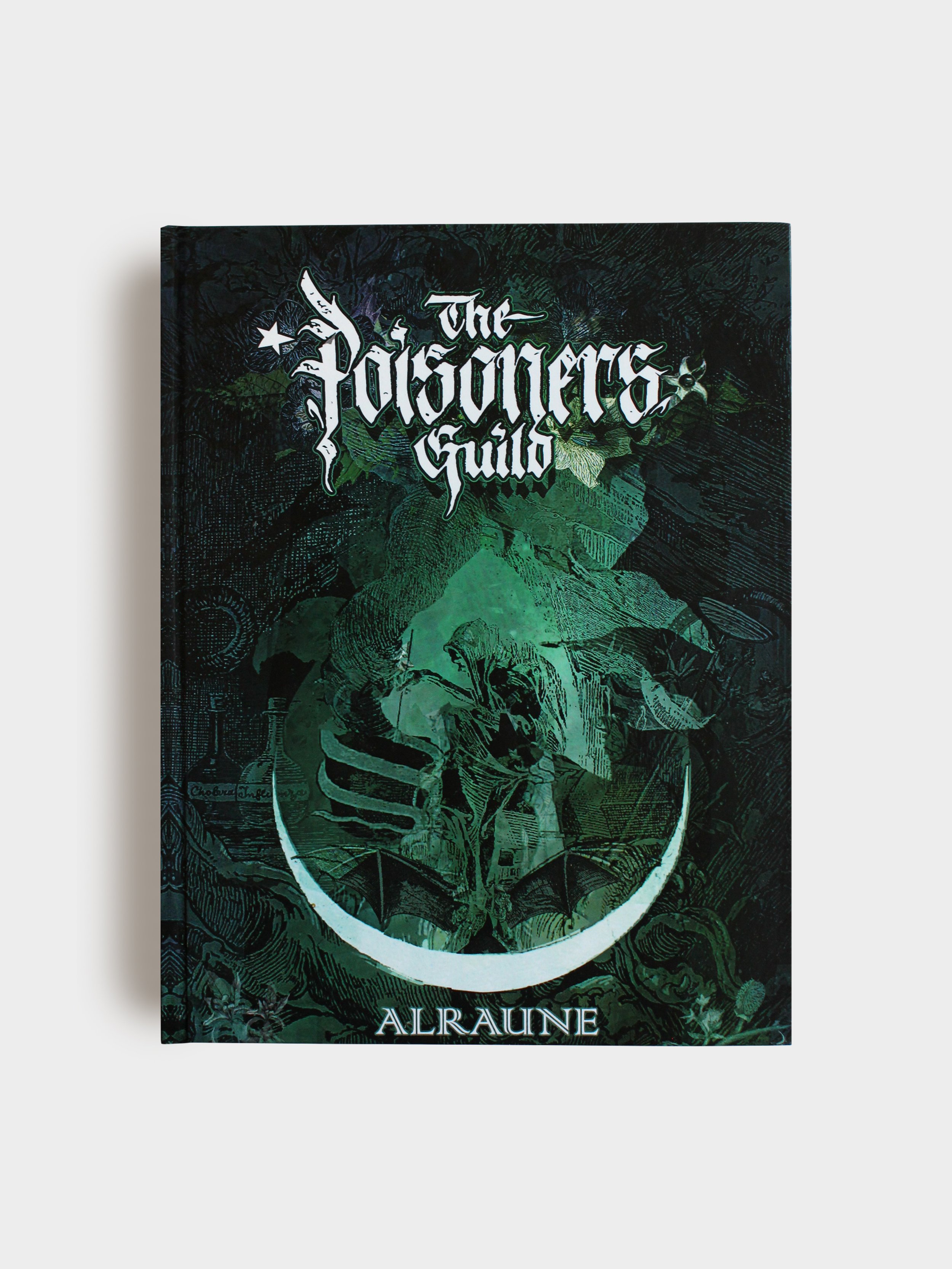
Hardback Edition. Large format: 21 x 27 cm, richly illustrated with more than 90 artworks and photos in color.
This second edition of Alraune Journal is dedicated to the exploration of the Poison Path with a focus on personal gnosis and practices offering a reification of what has been gained through the Poisoners dealing with the Spirits and Genii of the Verdant, Divine and Daimonic Intoxication. As the many plants haunting the enchanted grove of the Midnight Eden possess their own particular signatures, this second Alraune offers a unique panacea of visions, experiences and practices, reflecting in their diversity the various modalities of expression, gnosis and personae of those engaged in the Poisonous Artes. A compendium of refined Veneficia offered as the Serpent's Gift of Gnosis from Practitioners to Practitioners.
CONTENTS:
About the importance of the rite in the use of entheogens - Marcos Drake
The Way to Poison - Alexander Dushkov
The Devil's Supper or the Poisoned Eucharist - Soror Imperator
The Magicks of Mandragora - Trinidy Patterson
Possession and madness: the mysteries of ergot in rural Galicia - Vini de Monte
Borrowed Ideas - Tugce Okay
Poison Arrow and a gardener’s journey - Poison Arrow
Building a bioregional Poison Path - Rebecca Beyer
Of Fire and Water : Poison in artefact quenching - Mayishtar
The Medeousa - Idlu Lili Regulus
Medea, the Poison of dishonour - Selenya
Virgo Infernus - Viridian Gnosis & Chthonic Sibilation - Chthonia
Venus suspended in Venenum - B. Drinnon / Overgrown Nightshade
Healing the heart with poisonous plants - Coby Michael
Beckoning helleborus in the winter garden - Amanda Shoemaker
Morning glory - Laurie Bianciotto
At the heart of the inexpressible and ecstasy in Mazatec territory - Marcos Drake
The Tree and the Snake: Jurema Sagrada & Ayahuasca - Mehdi Richard
ARTISTS:
Poison Plant Cult - Vide Supra Hoc Planum - Odona Bones - The Witch Art of Azk - Tugce Okay - Hens Tongue
La Cabane de Pan - Poison Arrow - Kathula - Dolorosa De La Cruz - Chthonia - Àsta Hagalaz - Elora Sperber
Cartis Mandua - Arkadiusz Danovski
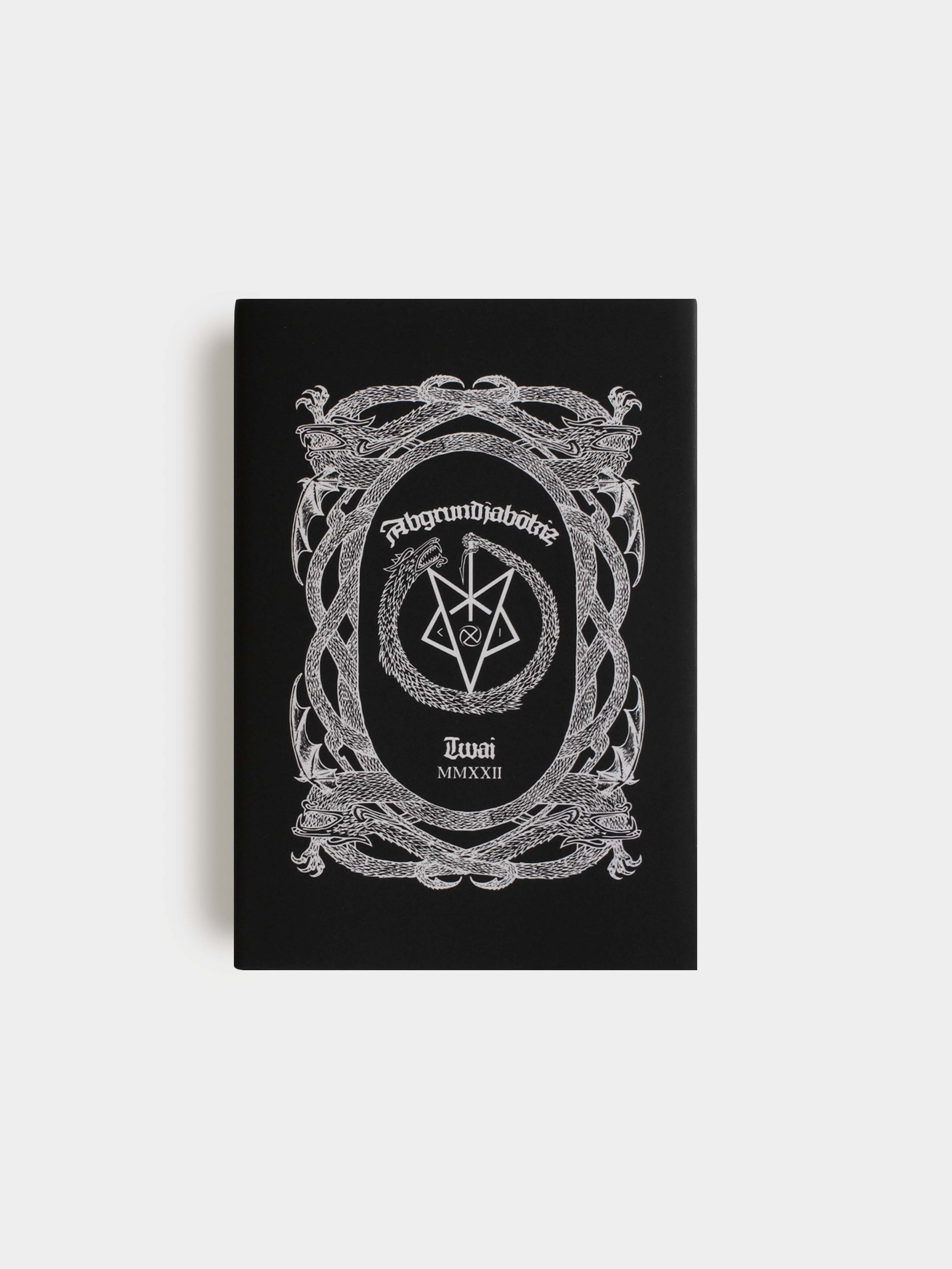
The second issue of Abgrundjabōkiz (‘The book of the abyss’), an article compendium released and financed by the Thurisan Germanic Männerbund Abgrundjaskalkaz. Contains four articles with connection to the occult esoterism within the Teutonic tradition.
1. “Þeudatruzlą – Energy draining entities of Germanic tradition” by Wurmaz
2. “Lūkablōtą – The Initial Sacrifice to Loki” by Nīþaz
3. “9 in 1 – A Germanic perspective of the Mankind” by Wōstiję̄
4. “Þurisajēragangaz – The guide to the Þursian year” by Hraiwaz
148 pages.
1st edition
Hard cover (case laminate with dust jacket)
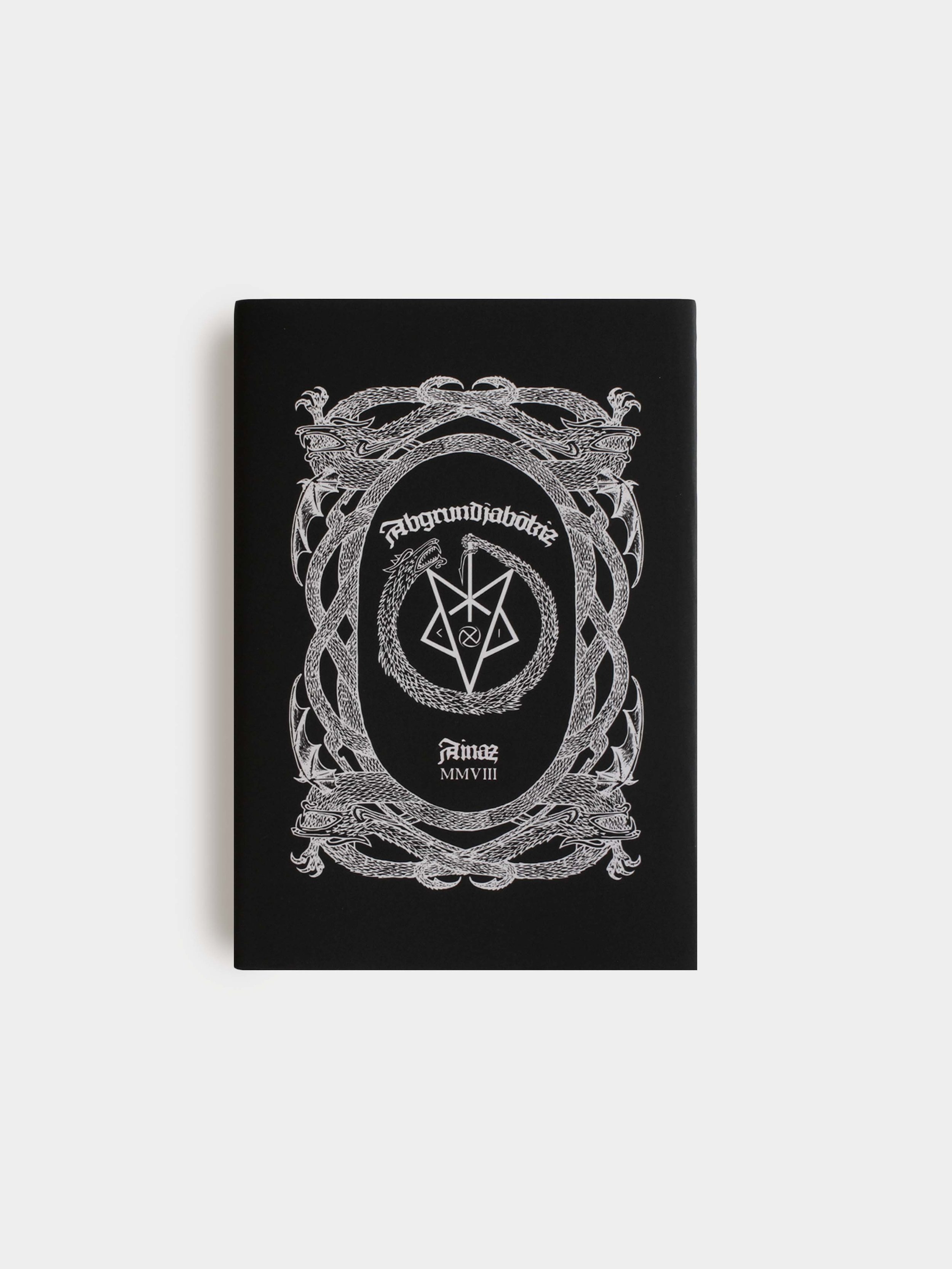
by Wurmaz
The first issue of Abgrundjabōkiz (‘The book of the abyss’), an article compendium released and financed by the Thurisan Germanic Männerbund Abgrundjaskalkaz. Contains three articles with connection to the occult esoterism within the Teutonic tradition.
1. Þeudōwulfaz – Wolves and werewolves in the Germanic tradition
2. Prehistory – A golden age?” – Altered version of an article previously published in Ixaxxar’s release ‘Clavicula Nox – Abraxas’
3. Þeudōfelufōts – The swastika and sauvastika in the Germanic tradition
94 pages.
4th edition
Hard cover (case laminate with dust jacket)
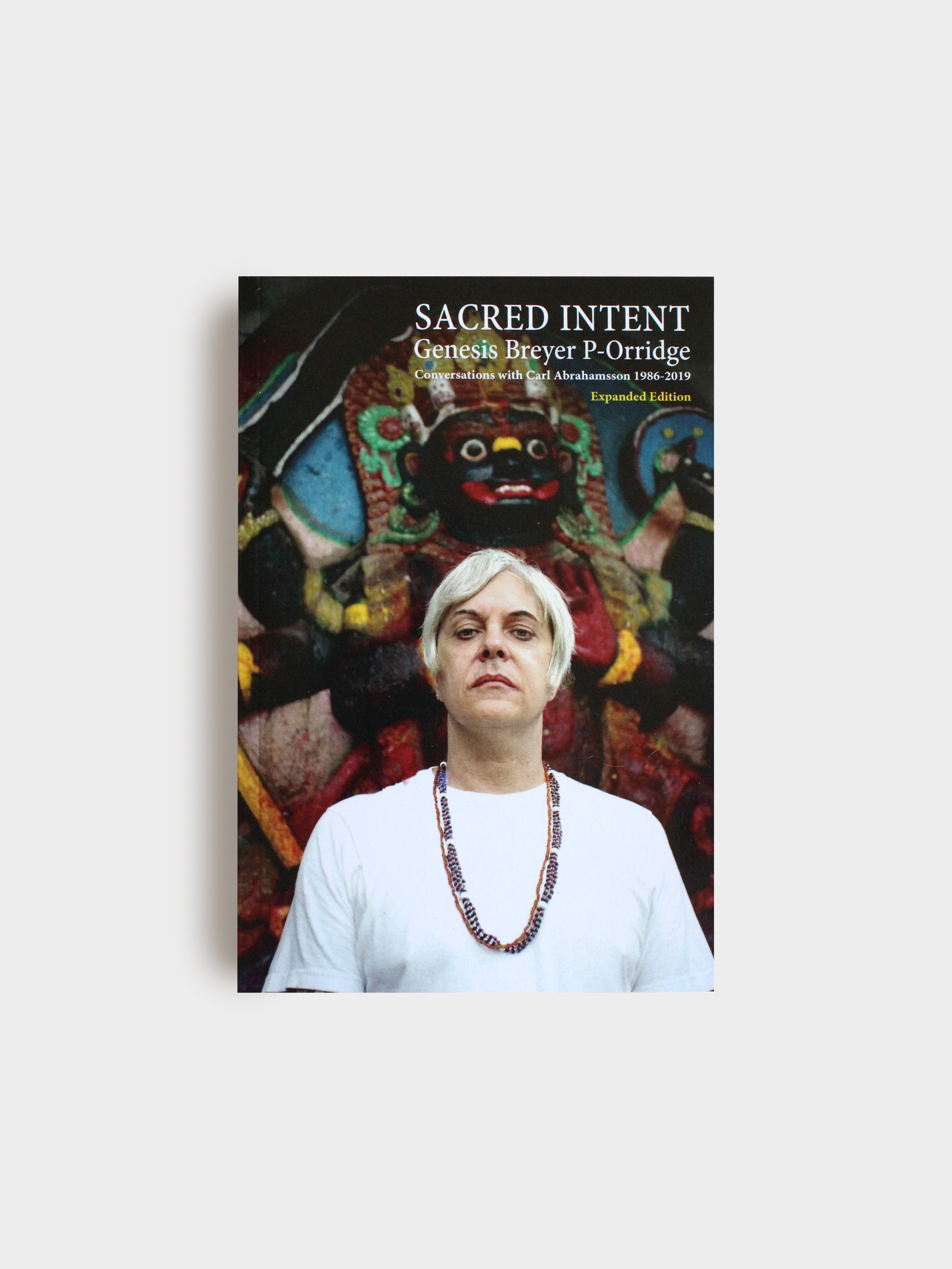
P-Orridge & Abrahamsson
322 pages, 6 x 9" paperback, illustrated with 50 photographic portraits.
Sacred Intent gathers conversations between artist Genesis Breyer P-Orridge (1950-2020) and longtime friend and collaborator, the Swedish author Carl Abrahamsson. From the first 1986 fanzine interview about current projects, over philosophical insights, magical workings, international travels, art theory and gender revolutions, to 2019’s thoughts on life and death in the the shadow of battling leukaemia, Sacred Intent is a unique journey in which the art of conversation blooms.
With (in)famous projects like C.O.U.M. Transmissions, Throbbing Gristle, Psychic TV, Thee Temple Ov Psychick Youth (TOPY) and Pandrogeny, Breyer P-Orridge has consistently thwarted preconceived ideas and transformed disciplines such as performance art, music, collage, poetry and social criticism; always cutting up the building blocks to dismantle control structures and authority. But underneath the socially conscious and pathologically rebellious spirit, there has always been a devout respect for a holistic, spiritual, magical worldview – one of “sacred intent.”
Sacred Intent is a must read for anyone interested in contemporary art, deconstructed identity, gender evolution, and magical philosophy. The book not only celebrates an intimate friendship, but also the work and ideas of an artist who never ceased to amaze and provoke. Also included are photographic portraits of Breyer P-Orridge taken by Carl Abrahamsson, transcripts of key lectures, and an interview with partner Jacqueline “Lady Jaye” Breyer P-Orridge from 2004. This expanded edition also contains material written by Abrahamsson after Breyer P-Orridge’s death in March, 2020.
The Poetic Abyss of Collage and Vision
Paw Grabowski, known artistically as øjeRum, is a Danish visionary whose work exists in the evocative realms between memory, dreams, and the passage of time. Renowned for his intricate and meditative collages and musical output, øjeRum transforms fragments of vintage materials into timeless compositions that resonate with haunting beauty. His art invites viewers to engage with a dialogue of silence—one that whispers of loss, transformation, and the fragility of existence.
Following the success of Stigma, a powerful synthesis of visual and auditory art that melded øjeRum’s distinct collages with his ambient musical compositions, this second book from Cyclic Press continues to explore his deeply introspective practice. Each piece is a window into a world of layered emotions, where the ephemeral becomes eternal and where simplicity reveals profound complexity.
øjeRum’s approach to art is deeply intuitive, driven by a fascination with decay and renewal. His work often reflects a process of deconstruction and reconstruction, echoing the cycles of nature and life itself. Themes of detachment, transience, and emotional depth permeate his pieces, encouraging viewers to pause and contemplate their own experiences of time and space.
This new collection not only builds upon the foundations laid by Stigma but also ventures into uncharted territories of øjeRum’s creative vision. It is an exploration of the void and the plenitude within; an invitation to lose oneself in the layers of meaning and texture he meticulously crafts. Through these works, øjeRum continues his quest to illuminate the unseen and to honor the stillness at the heart of existence.
Let this book be your guide into the quiet, powerful world of øjeRum—a space where art transcends form and becomes a mirror to the soul.
Hardcover book, thread-sewn binding. 170mmm x 240mm. 104 pages. Matte laminate cover. Includes CD in paper sleeve. 2 Tracks. Running time 60:22min. Limited Edition of 300 copies. ISBN: 9782957938230
Release Date January 24 2025
Digital Available via Bandcamp