A Ruby Bright as Fire: William Blake and the Esoteric Tradition by P.T. Mistlberger
URIZEN (dark) Edition
• Hardcover Book, 400 Full-colour pages
• Tipped-in card, numbered across the entire print run (including the “LOS” Edition), signed by the author.
• Smyth-sewn binding
• Dimensions: 6.5 x 9.5 inches (15.25 X 22.9 cm)
• Greyboards 1890 gsm/3000 mic
• Process printed on Munken Smooth Cream 120 gsm archive-quality paper
• 3/4 bound in front-cover in “Assuan” Black Italian book-cloth
• 1/4 bound in front-cover and full back-cover in Corvon Metal-X “Rugged” (Tungsten Colour)
• Metallic Red foil blocking on cover and spine, plus blind deboss details on front-cover & back-cover
• “Laguna Sabbia” 180 gsm parchment-finish Endpapers
• Black & Red Headbands
• Fine typography and layout
Limited to approx. 850 copies. | ISBN: 978-1-989339-34-3
Illustrations by Caroline Chernega
Featuring numerous originals by William Blake
Thence feathered with soft crimson of the ruby bright as fire
Spreading into the azure wings which like a canopy
Bends over thy immortal head in which Eternity dwells.
—William Blake (Jerusalem 86:7-10).
William Blake lived in relative obscurity for the duration of his life, despite producing an extraordinary body of writings and visual art. For those with eyes to see his psychological acumen and spiritual depth are clear, but for many others, including the public of his time, he seemed to wander in the lands of madness.
It was not until many decades after his death in 1827 that Blake began to slowly gain appreciation for his immense and profound creative output. The poet and Golden Dawn-trained ceremonial magician W.B. Yeats, who once claimed that Blake was his master, helped rescue the English mystic from obscurity when he published, along with his friend Edwin Ellis, the totality of Blake’s known works for the first time in 1893. Their efforts, though regarded as uneven by later scholars, nevertheless blazed a path for a small army of researchers and historians to begin exploring the vast body of work of the tireless English poet who labored for so long while barely recognized, later to be buried in an unmarked grave.
Most of the scholarly studies, with the exception of a few, steer clear of Blake’s more mystic and occult sides. The present work, written by a lifelong student of both Blake and the great esoteric wisdom traditions, seeks to explore Blake’s lesser-known role as a teacher of perennial wisdom, and one who accomplished such teachings via a sublime artistry.
Examined in the book are aspects of Blake’s work such as his famed The Marriage of Heaven and Hell and its remarkable foreshadowing of ideas from 20th century psychoanalysis, Blake’s affinity with great historical mystics such as Jacob Boehme and Paracelsus, his complicated association with Swedenborgianism, his shamanic visions so severely misunderstood by his contemporaries, concealed teachings in his famous poem The Tyger, his role in the Romantic metamorphosis of Satan, his powerful though largely unrecognized system of inner work, his remarkable resonance, especially via his renowned Proverbs of Hell, with the notorious 20th century occultist Aleister Crowley, as well as his marked influence on 20th century poets, visionaries, novelists, and musicians.
Contents
Introduction
Part I: The Man and his System
1. Biographical Sketch
2. Outline of Blake’s Writings and Symbolic System: Part I
3. Outline of Blake’s Writings and Symbolic System: Part II
Part II: Commentaries
4. Blake, Mysticism, and the Esoteric Tradition, Part I
5. Blake, Mysticism, and the Esoteric Tradition, Part II
6. Blake’s Unholy Testament: The Marriage of Heaven and Hell
7. Blakean Inner Work and Imagination
8. The Tyger, the Red Dragon, and the Metamorphosis of Satan
9. Blake and the Occult
10. Visions, Angels, and the Preternatural
11. Madness, Shamanism, and Daimonic Reality
12. Blake’s City of Light and Fire
Appendix I: Chronology of Blake’s Life
Appendix II: The Crimson King: Blake, Popular Culture, and the Dark Side
Appendix III: Blake’s Friends, Associates, and Disciples
Appendix IV: The Influence of Blake and Romanticism on Western Esotericism
Appendix V: In Praise of Ancestors—and an Appreciation of Catherine Blake
Notes
Select Bibliography
Acknowledgments
A Ruby Bright as Fire: William Blake and the Esoteric Tradition by P.T. Mistlberger
URIZEN (dark) Edition
• Hardcover Book, 400 Full-colour pages
• Tipped-in card, numbered across the entire print run (including the “LOS” Edition), signed by the author.
• Smyth-sewn binding
• Dimensions: 6.5 x 9.5 inches (15.25 X 22.9 cm)
• Greyboards 1890 gsm/3000 mic
• Process printed on Munken Smooth Cream 120 gsm archive-quality paper
• 3/4 bound in front-cover in “Assuan” Black Italian book-cloth
• 1/4 bound in front-cover and full back-cover in Corvon Metal-X “Rugged” (Tungsten Colour)
• Metallic Red foil blocking on cover and spine, plus blind deboss details on front-cover & back-cover
• “Laguna Sabbia” 180 gsm parchment-finish Endpapers
• Black & Red Headbands
• Fine typography and layout
Limited to approx. 850 copies. | ISBN: 978-1-989339-34-3
Illustrations by Caroline Chernega
Featuring numerous originals by William Blake
Thence feathered with soft crimson of the ruby bright as fire
Spreading into the azure wings which like a canopy
Bends over thy immortal head in which Eternity dwells.
—William Blake (Jerusalem 86:7-10).
William Blake lived in relative obscurity for the duration of his life, despite producing an extraordinary body of writings and visual art. For those with eyes to see his psychological acumen and spiritual depth are clear, but for many others, including the public of his time, he seemed to wander in the lands of madness.
It was not until many decades after his death in 1827 that Blake began to slowly gain appreciation for his immense and profound creative output. The poet and Golden Dawn-trained ceremonial magician W.B. Yeats, who once claimed that Blake was his master, helped rescue the English mystic from obscurity when he published, along with his friend Edwin Ellis, the totality of Blake’s known works for the first time in 1893. Their efforts, though regarded as uneven by later scholars, nevertheless blazed a path for a small army of researchers and historians to begin exploring the vast body of work of the tireless English poet who labored for so long while barely recognized, later to be buried in an unmarked grave.
Most of the scholarly studies, with the exception of a few, steer clear of Blake’s more mystic and occult sides. The present work, written by a lifelong student of both Blake and the great esoteric wisdom traditions, seeks to explore Blake’s lesser-known role as a teacher of perennial wisdom, and one who accomplished such teachings via a sublime artistry.
Examined in the book are aspects of Blake’s work such as his famed The Marriage of Heaven and Hell and its remarkable foreshadowing of ideas from 20th century psychoanalysis, Blake’s affinity with great historical mystics such as Jacob Boehme and Paracelsus, his complicated association with Swedenborgianism, his shamanic visions so severely misunderstood by his contemporaries, concealed teachings in his famous poem The Tyger, his role in the Romantic metamorphosis of Satan, his powerful though largely unrecognized system of inner work, his remarkable resonance, especially via his renowned Proverbs of Hell, with the notorious 20th century occultist Aleister Crowley, as well as his marked influence on 20th century poets, visionaries, novelists, and musicians.
Contents
Introduction
Part I: The Man and his System
1. Biographical Sketch
2. Outline of Blake’s Writings and Symbolic System: Part I
3. Outline of Blake’s Writings and Symbolic System: Part II
Part II: Commentaries
4. Blake, Mysticism, and the Esoteric Tradition, Part I
5. Blake, Mysticism, and the Esoteric Tradition, Part II
6. Blake’s Unholy Testament: The Marriage of Heaven and Hell
7. Blakean Inner Work and Imagination
8. The Tyger, the Red Dragon, and the Metamorphosis of Satan
9. Blake and the Occult
10. Visions, Angels, and the Preternatural
11. Madness, Shamanism, and Daimonic Reality
12. Blake’s City of Light and Fire
Appendix I: Chronology of Blake’s Life
Appendix II: The Crimson King: Blake, Popular Culture, and the Dark Side
Appendix III: Blake’s Friends, Associates, and Disciples
Appendix IV: The Influence of Blake and Romanticism on Western Esotericism
Appendix V: In Praise of Ancestors—and an Appreciation of Catherine Blake
Notes
Select Bibliography
Acknowledgments

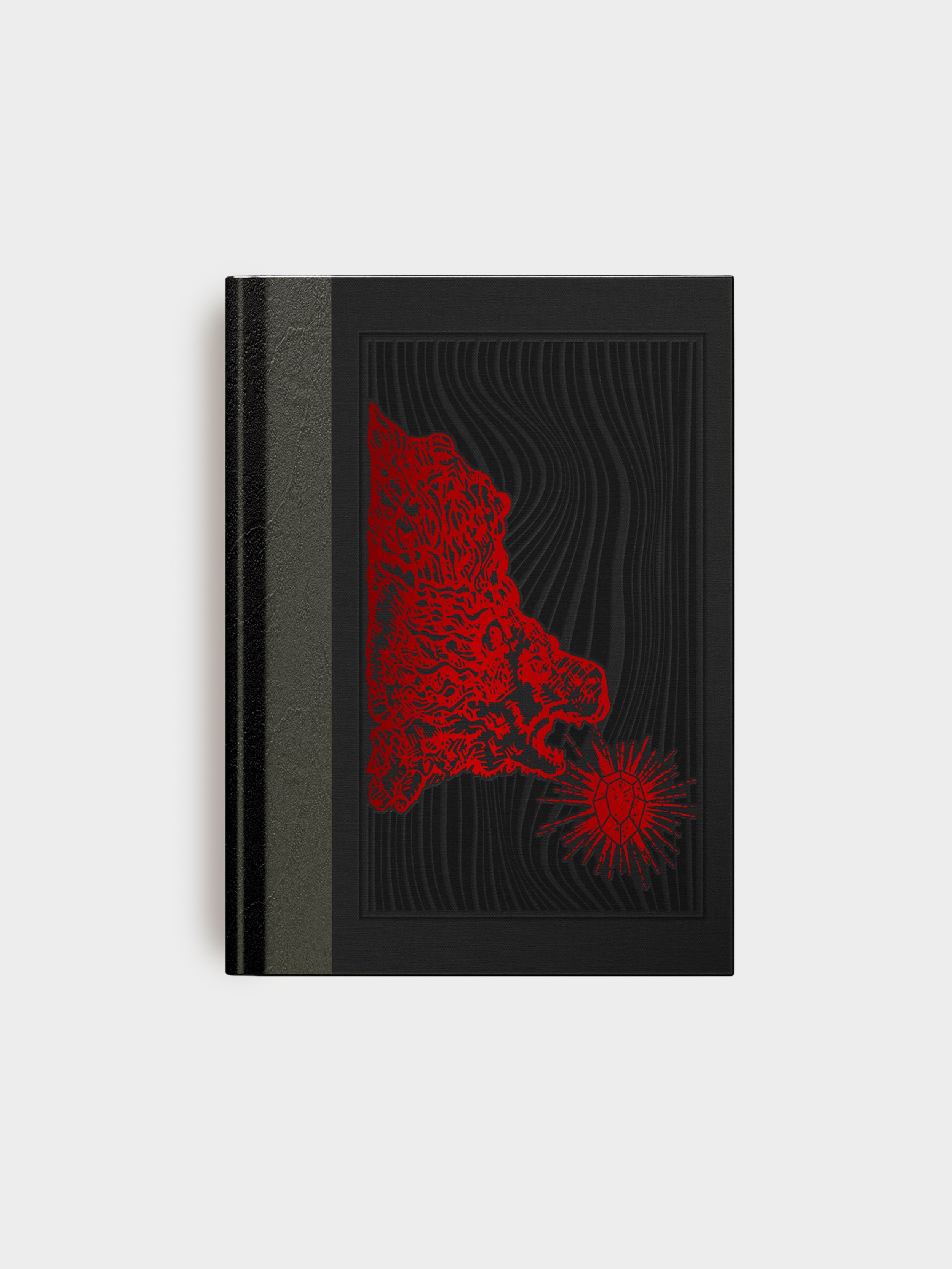 Image 1 of 10
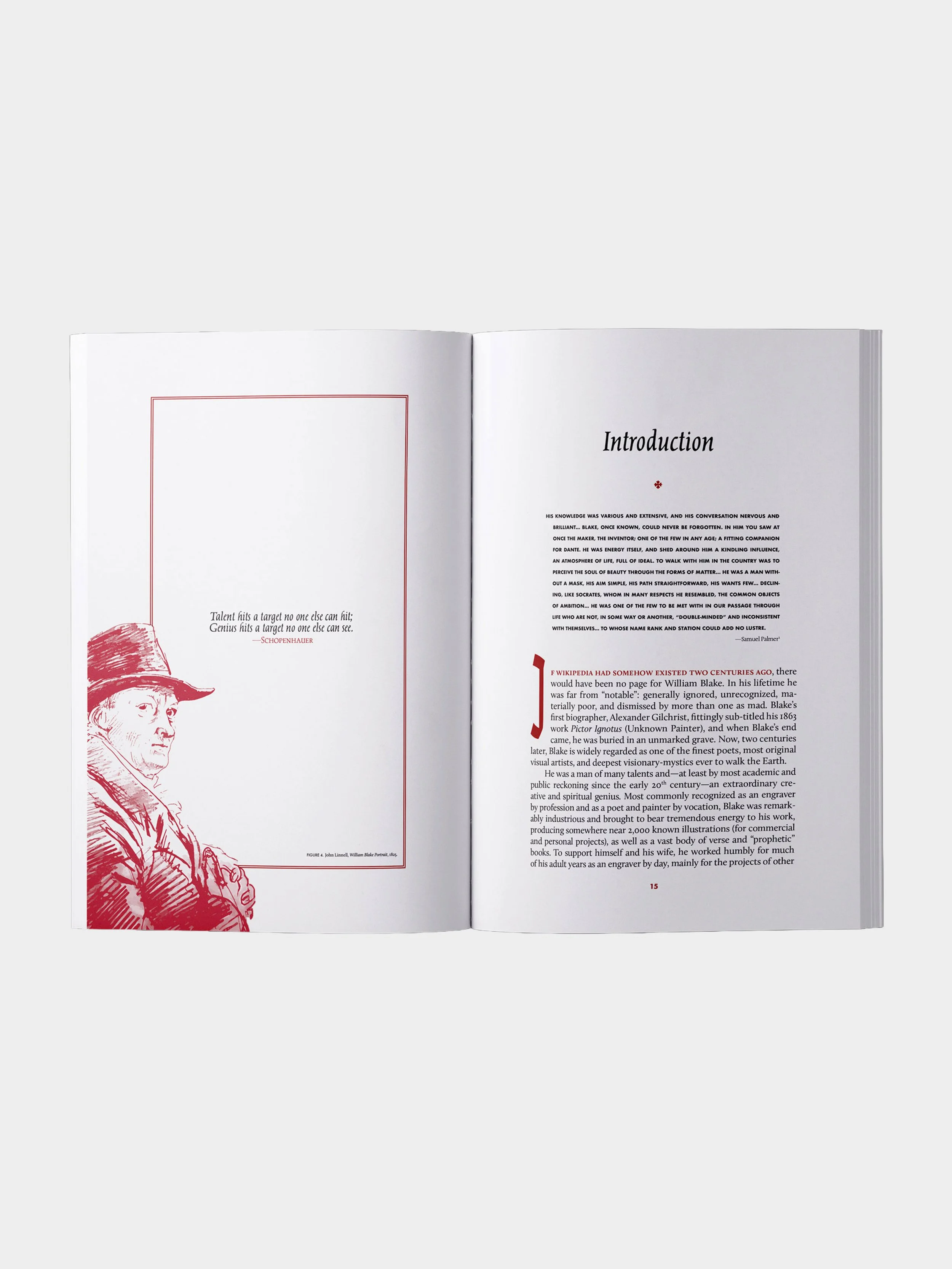 Image 2 of 10
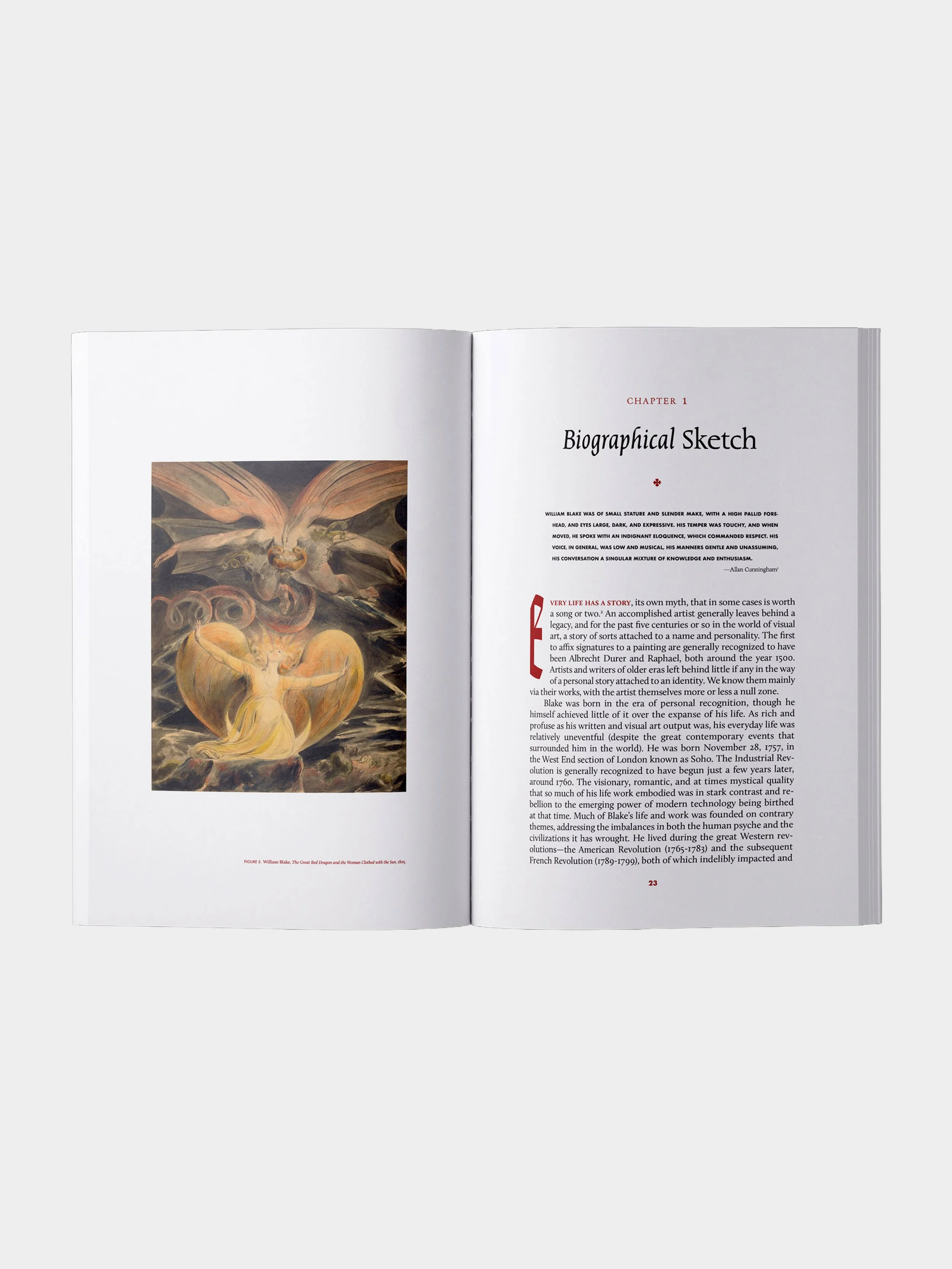 Image 3 of 10
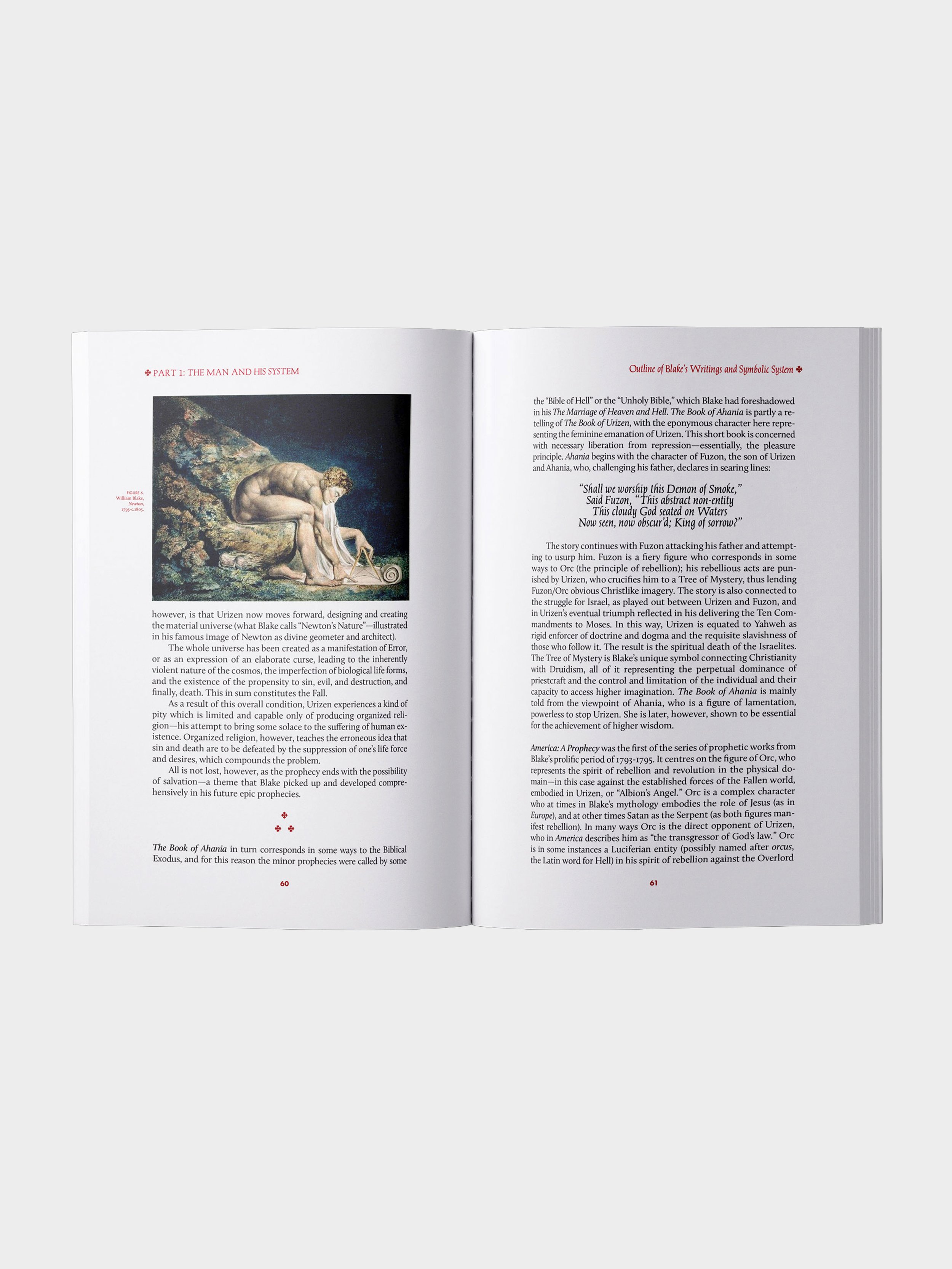 Image 4 of 10
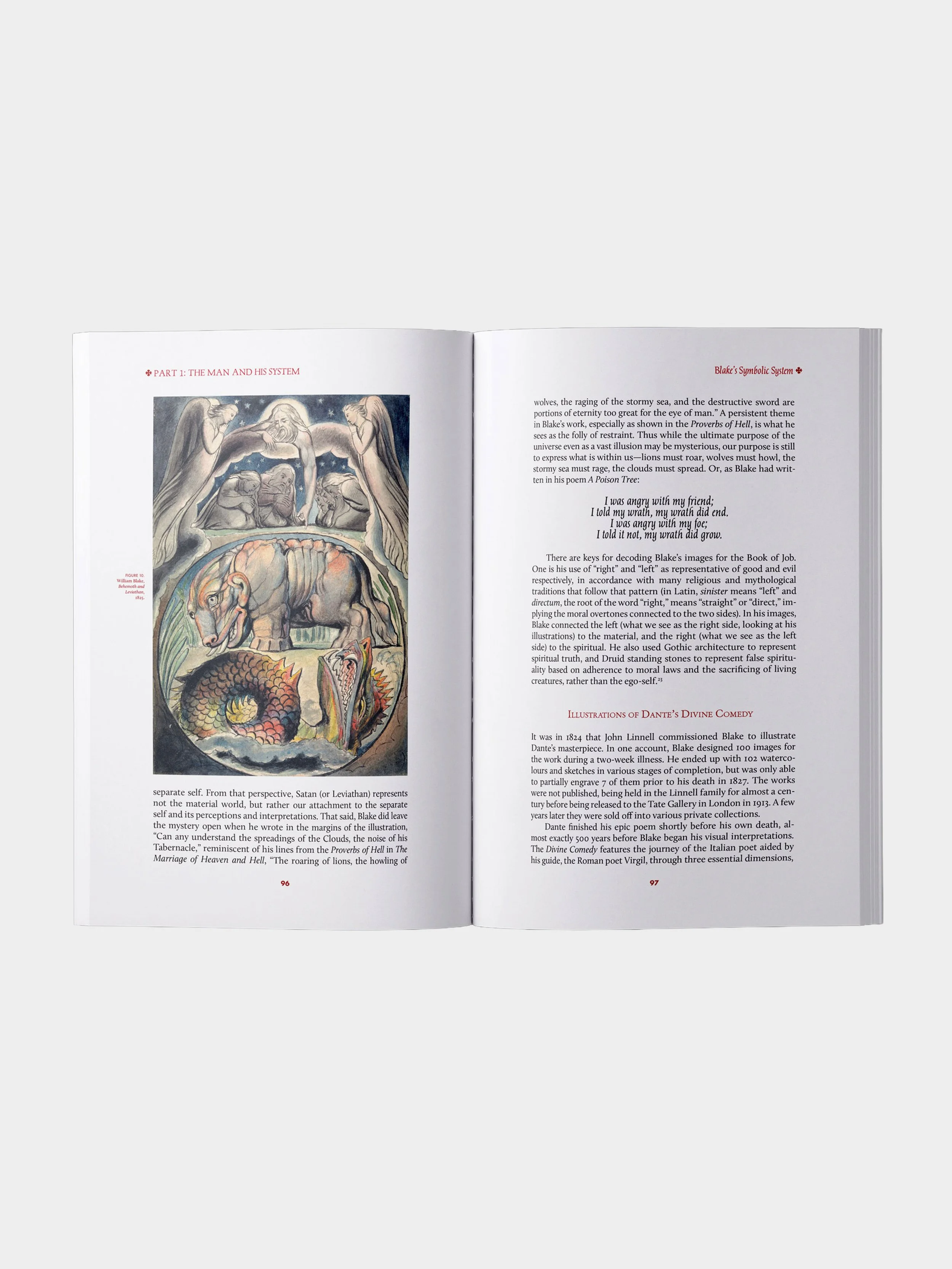 Image 5 of 10
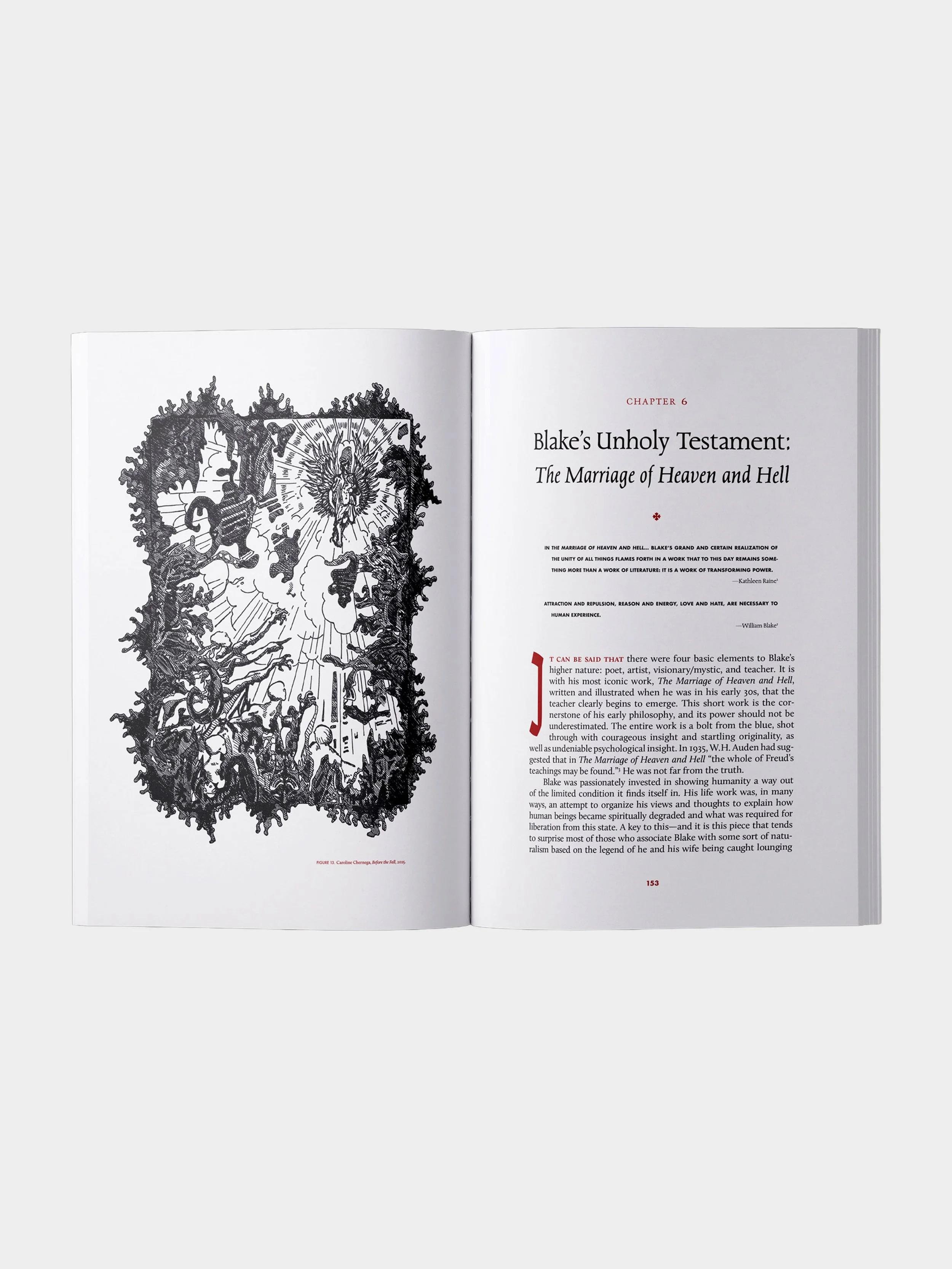 Image 6 of 10
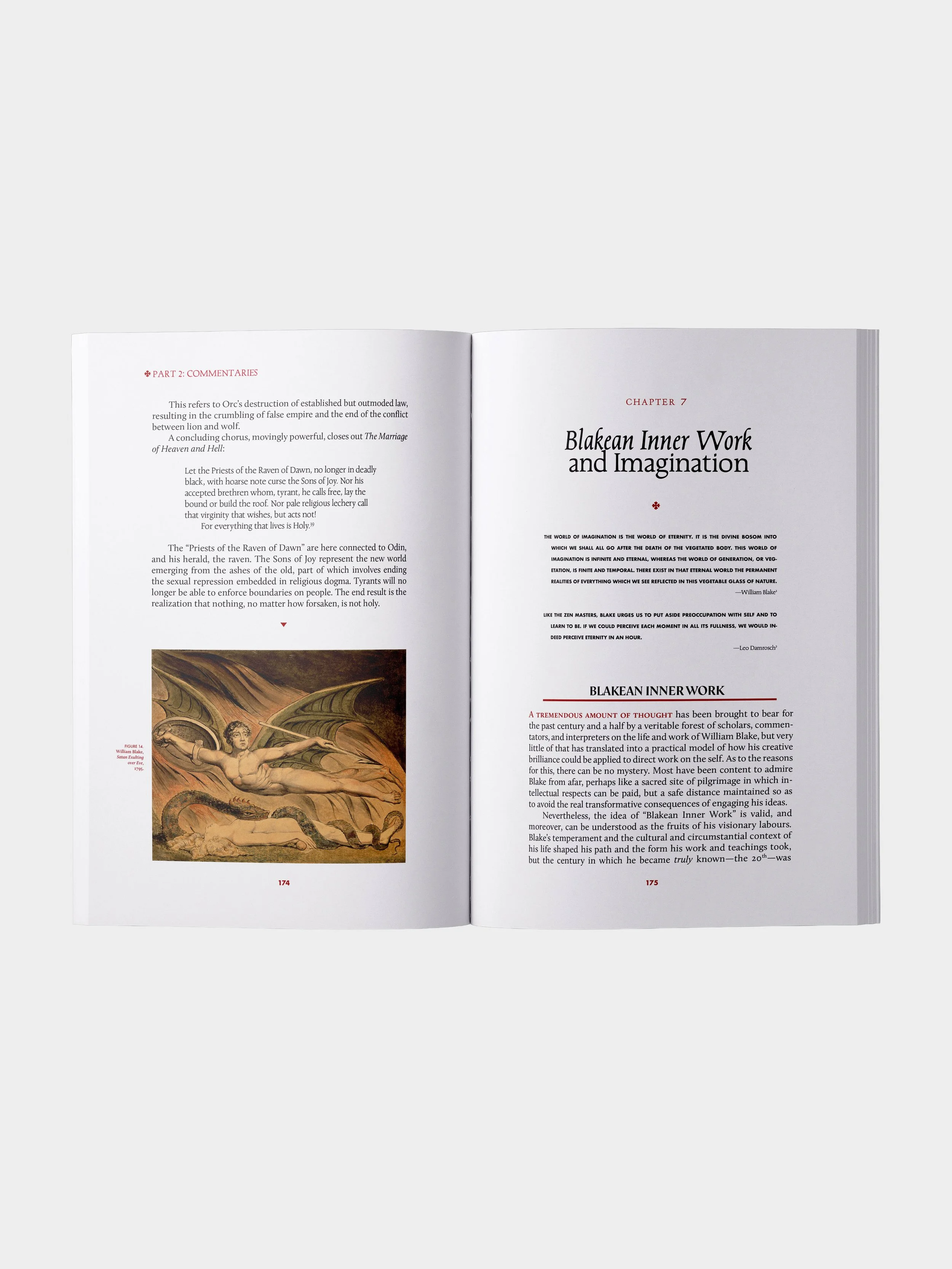 Image 7 of 10
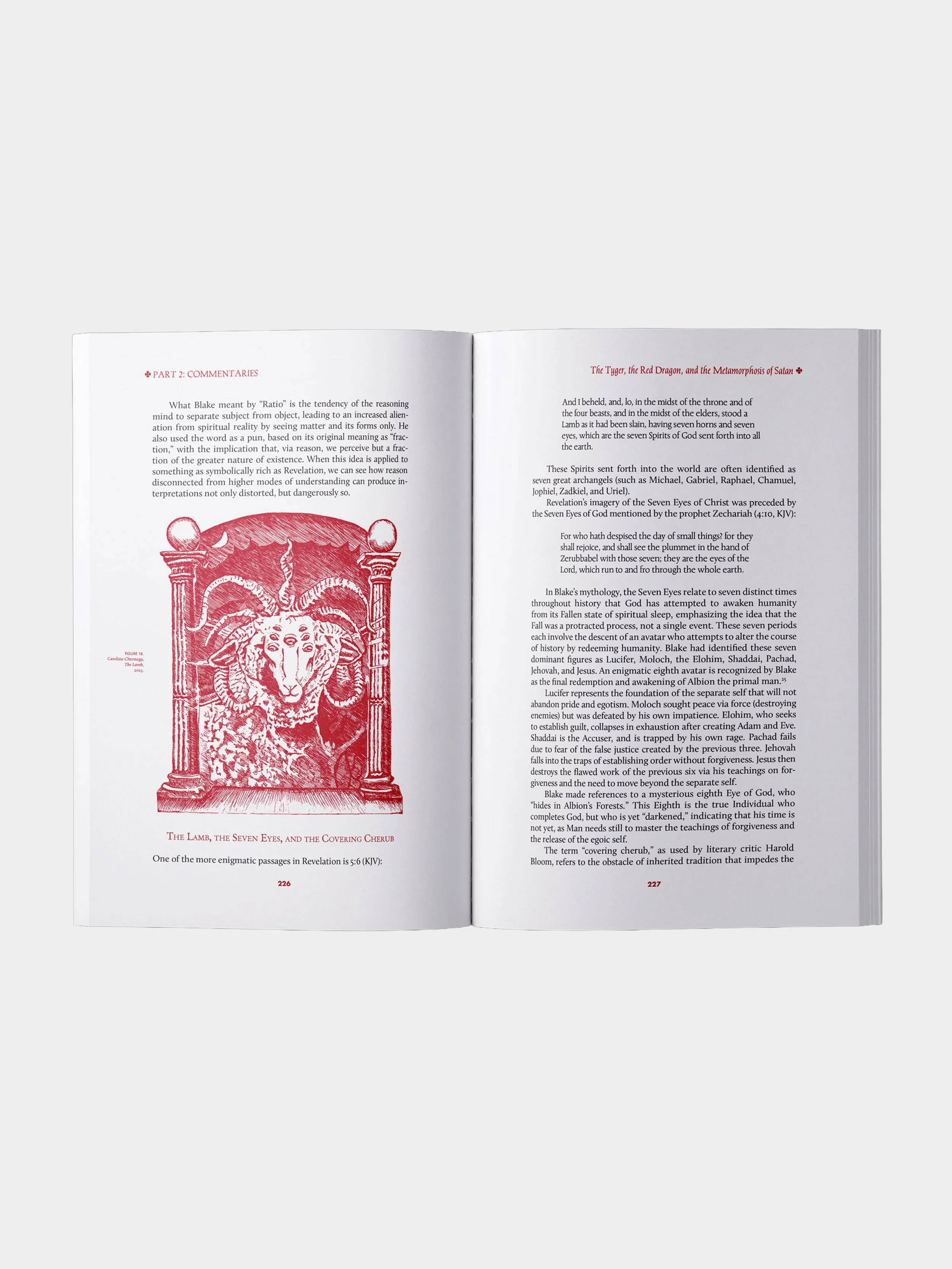 Image 8 of 10
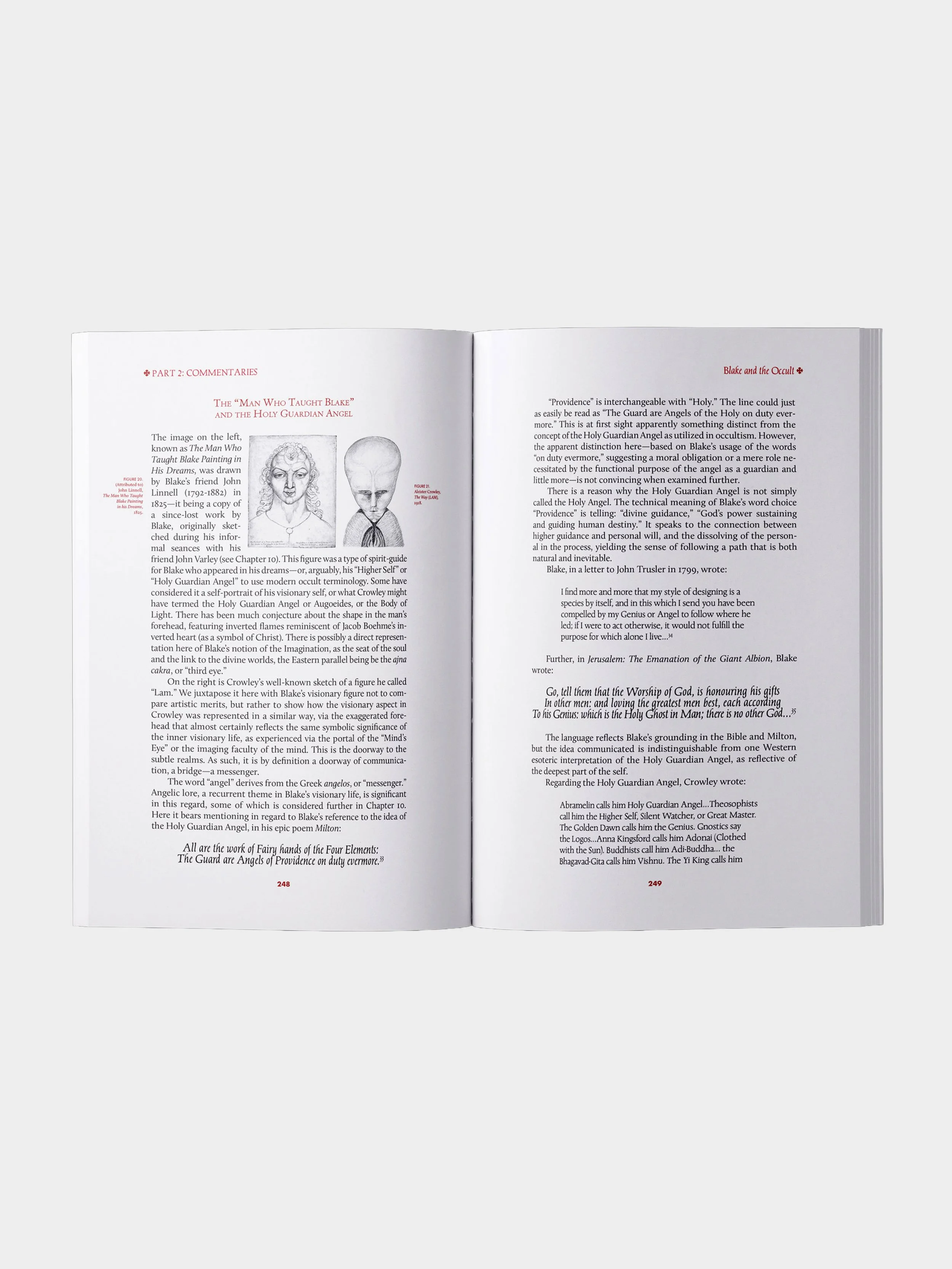 Image 9 of 10
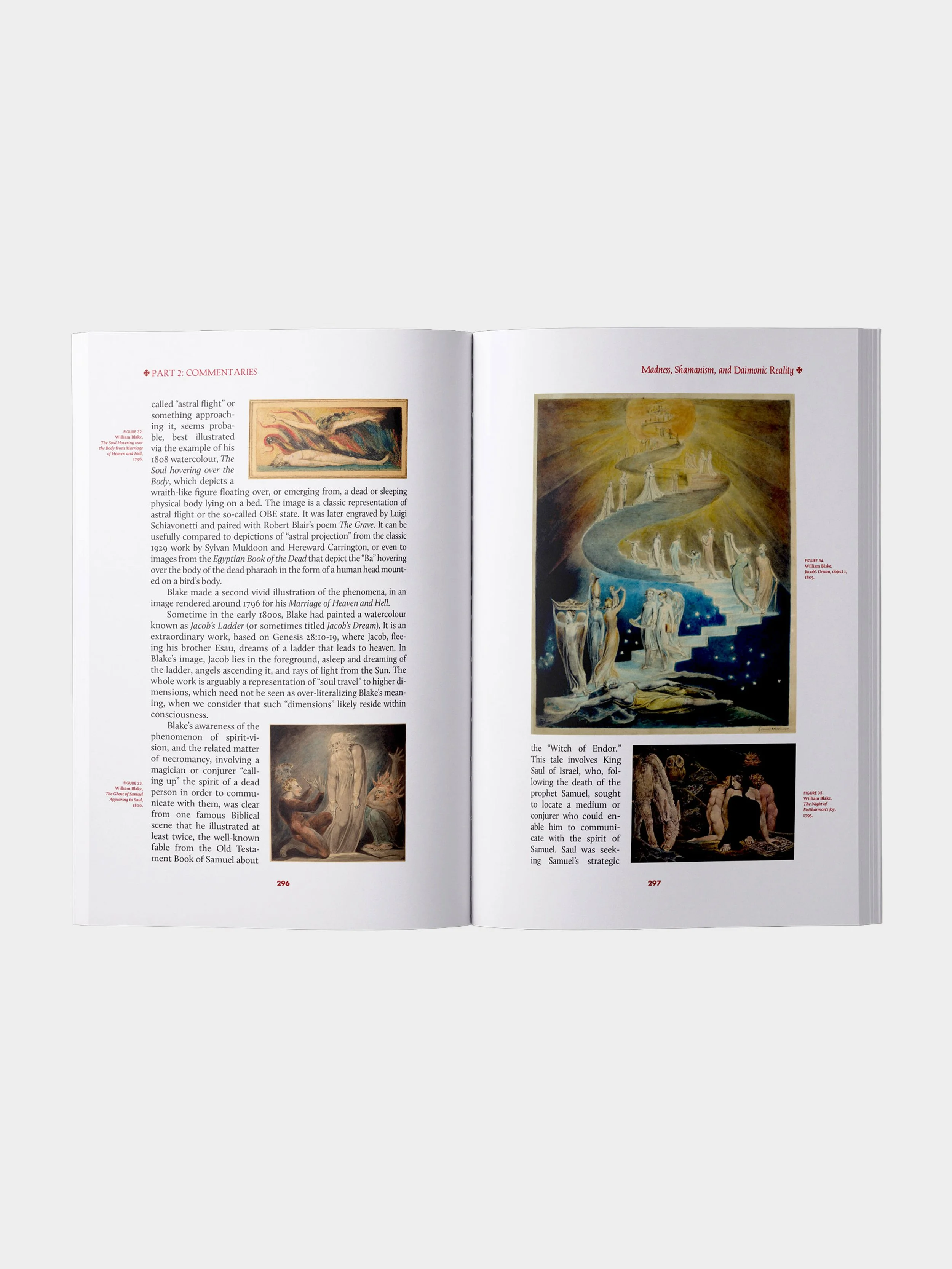 Image 10 of 10